Artwork
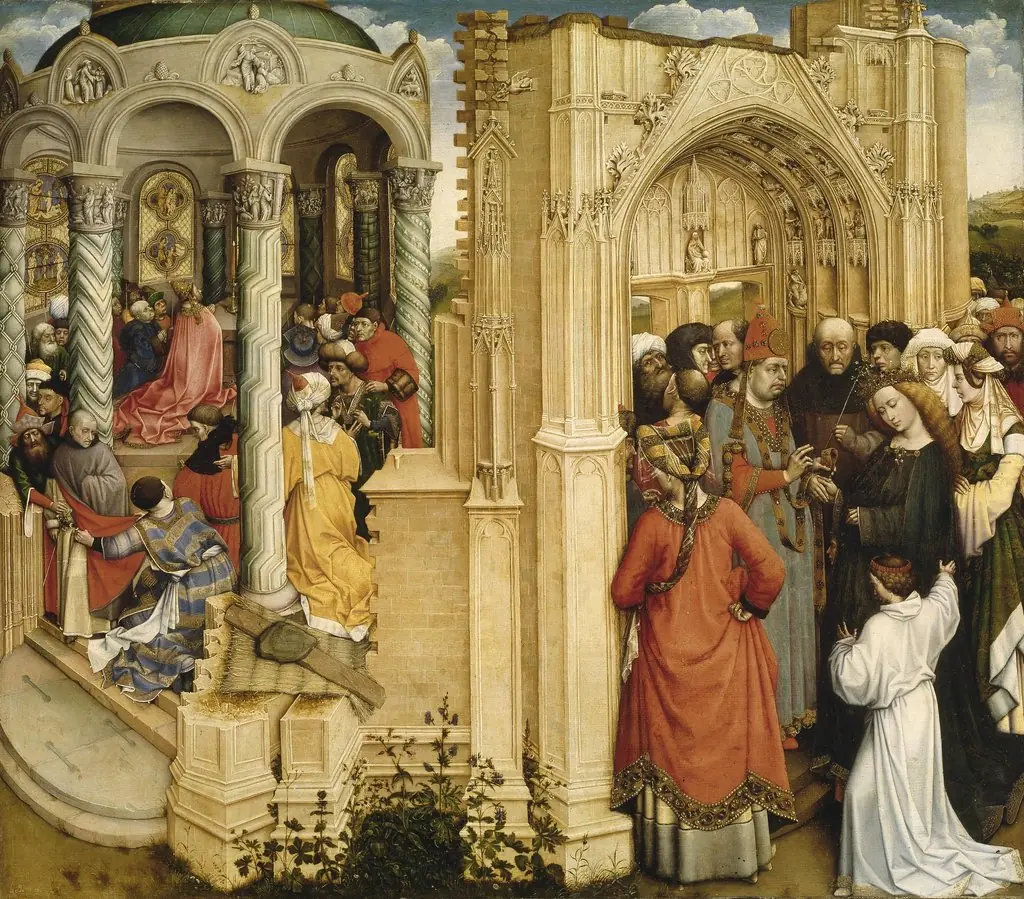
Marriage of the Virgin
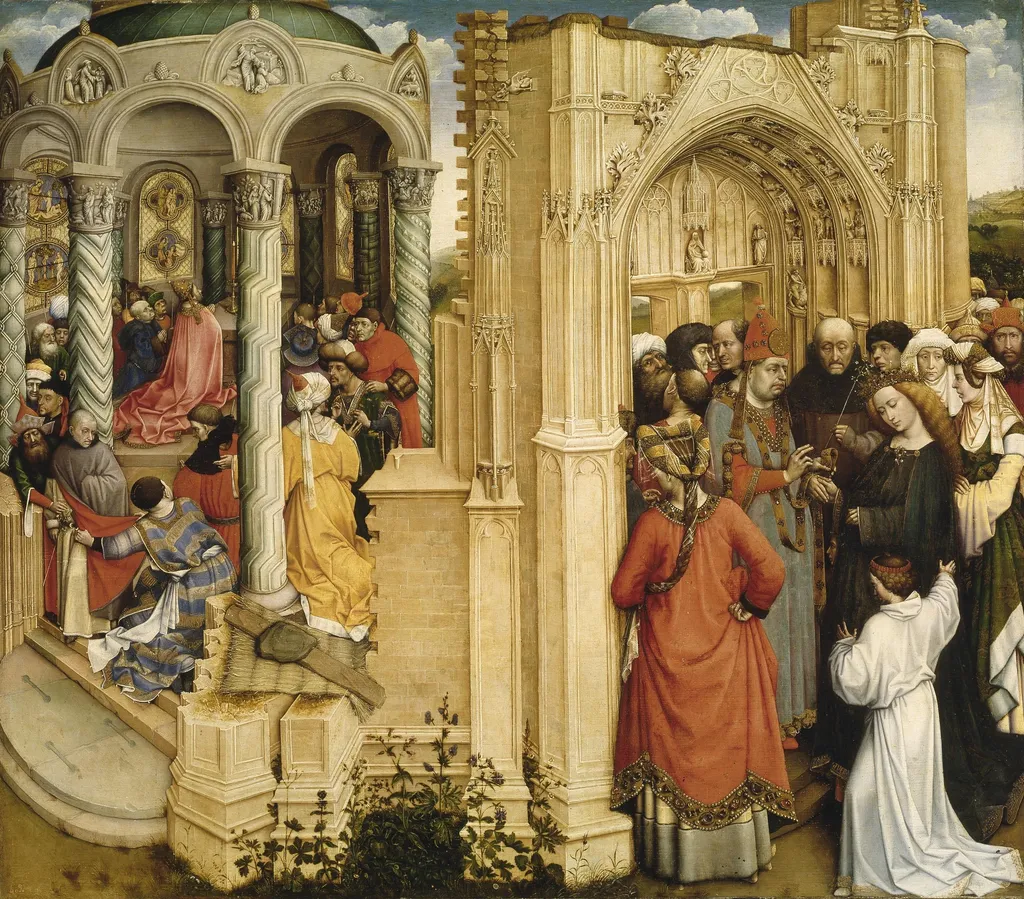
Marriage of the Virgin is an oil painting by the Northern Renaissance artist Robert Campin. It dates from 1420 and is held in the collection of the Museo del Prado.
About this work
Overview
The Marriage of the Virgin is an oil on oak painting created by Robert Campin, an Early Netherlandish artist, around 1420-1430. It is one of his earliest works and depicts a significant scene from Christian tradition.
Subject & Meaning
The painting shows the betrothal of Mary and Joseph, symbolizing the transition from the Old to the New Testament. The scene is set in front of an incomplete Gothic portal, with a Romanesque building in the background that references the Miracle of the Flowering Rod, the event that led to their union.
Technique & Style
The work is characterized by its use of oil paint to achieve bright yet muted colors and detailed rendering of figures and architecture. The artist's attention to symbolism and iconography is evident in the depiction of stained-glass windows showing scenes from the Hebrew Bible.
History & Provenance
The painting entered the Spanish royal collection at El Escorial in 1584 and was later acquired by the Prado Museum, where it is currently housed. Initially attributed to Roger Van der Weyden, it is now recognized as one of Robert Campin's early works.
Own this work as a print
Artist & collection
Artist
Robert Campin (Valenciennes (France) c. 1375 - Tournai (Belgium) 26 April 1444) now usually identified with the Master of Flémalle (earlier the Master of the Merode Triptych, before the discovery of three other similar…

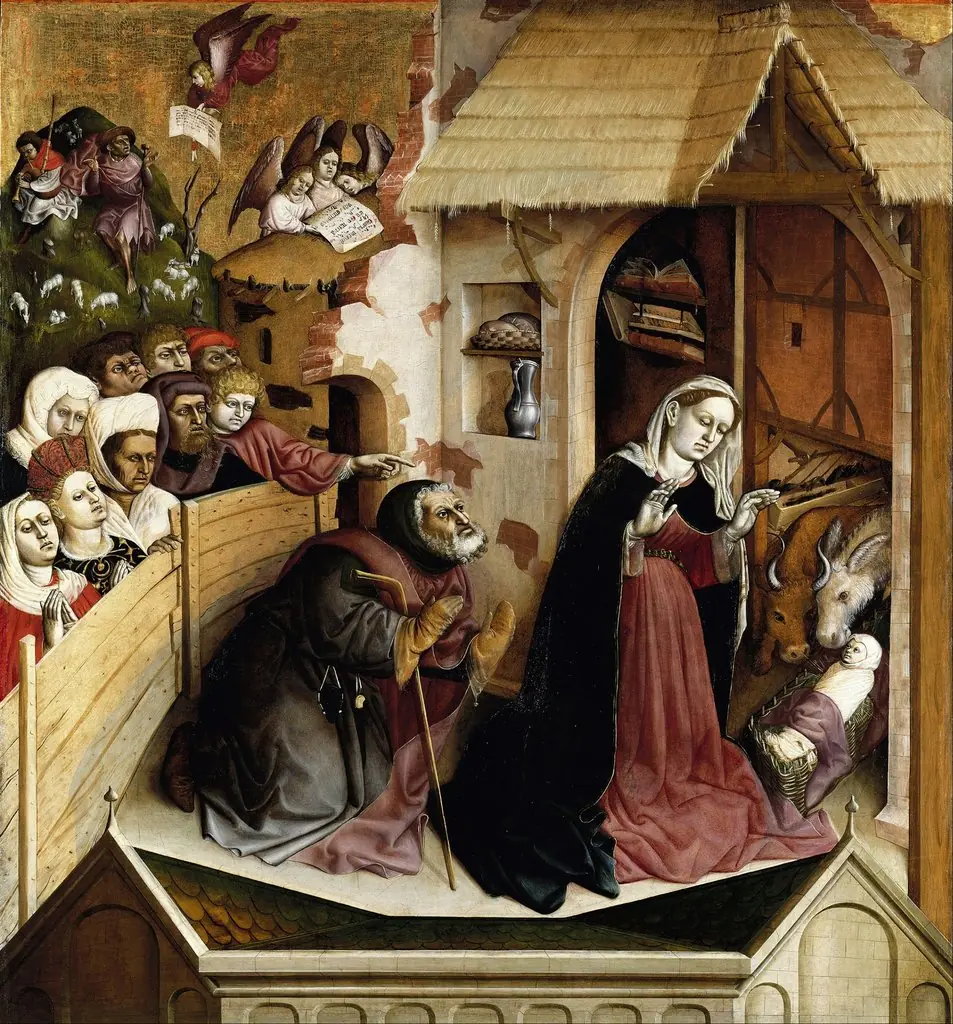 Birth of Christ (Wurzach altarpiece)
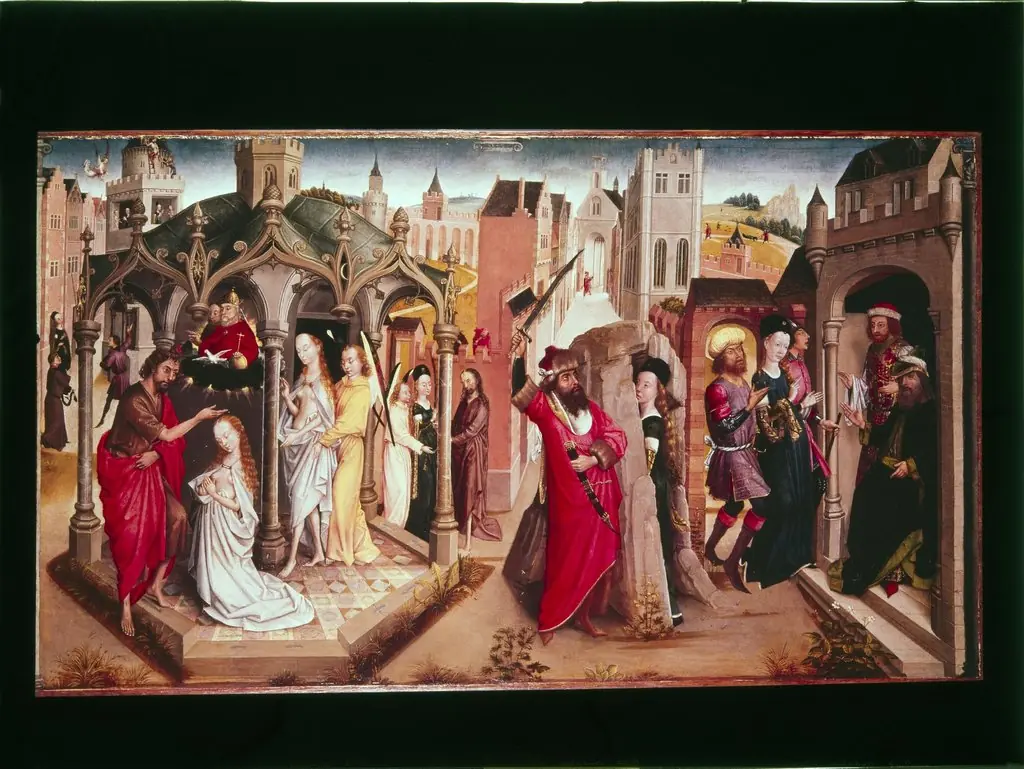 Part of a triptych; Scenes of the Life of St. Barbara
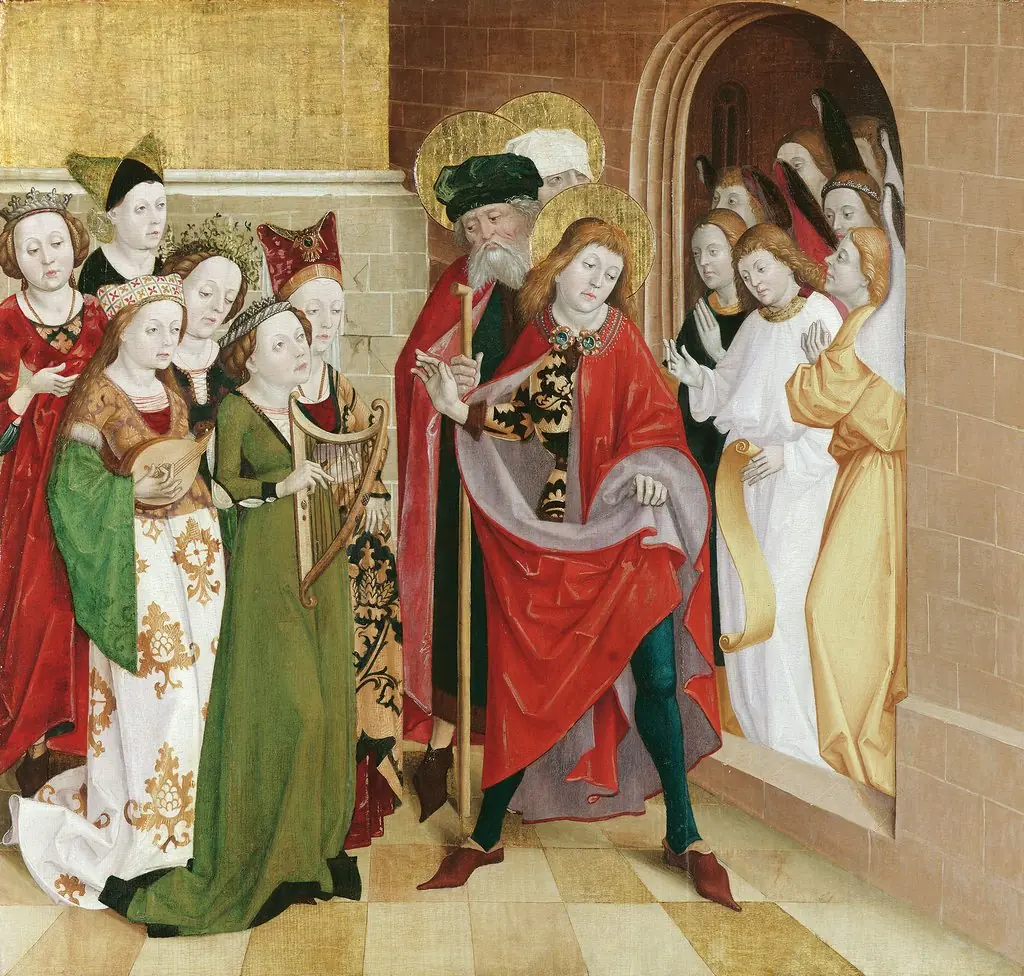 Der hl. Veit entsagt den Freuden der Welt
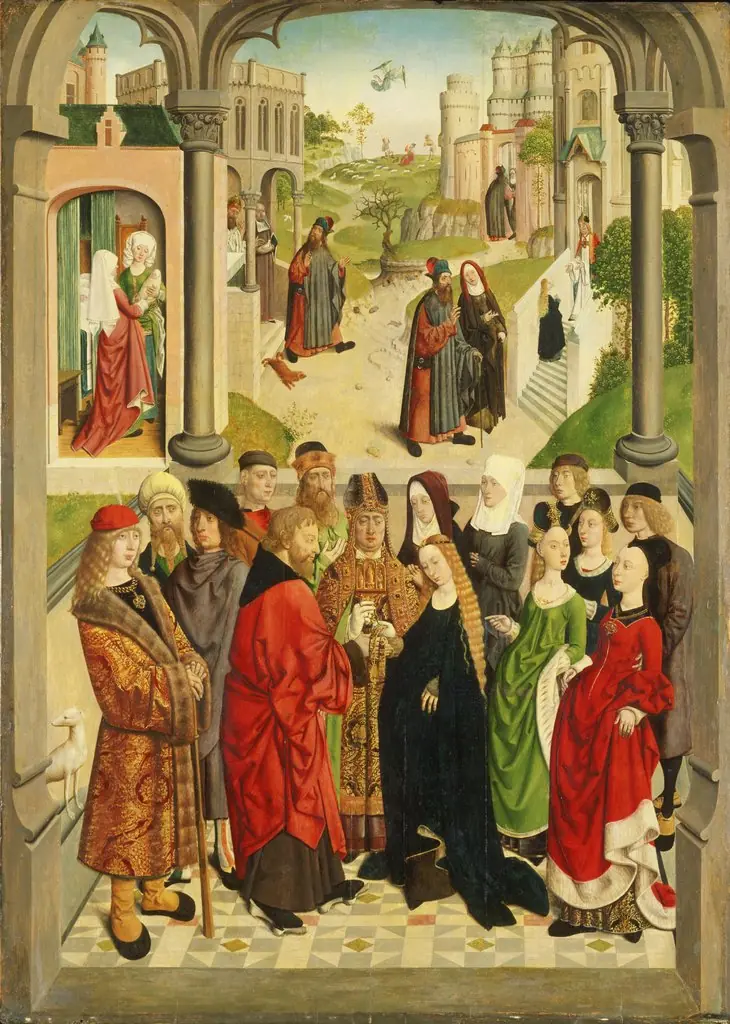 The Marriage of the Virgin, with the Expulsion of Saint Joachim from the Temple, the Angel Appearing to Saint Joachim, the Meeting at the Golden Gate, the Birth of the Virgin, and the Presentation of the Virgin
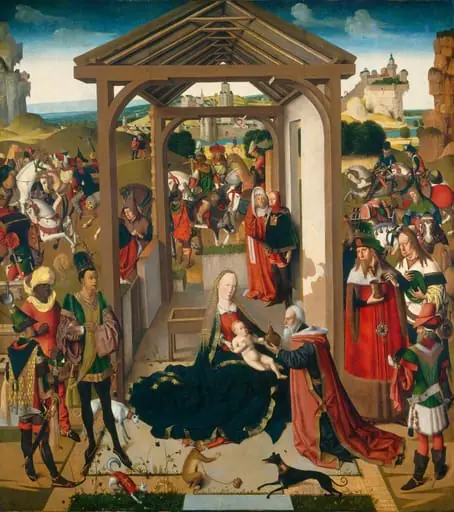 The Adoration of the Magi
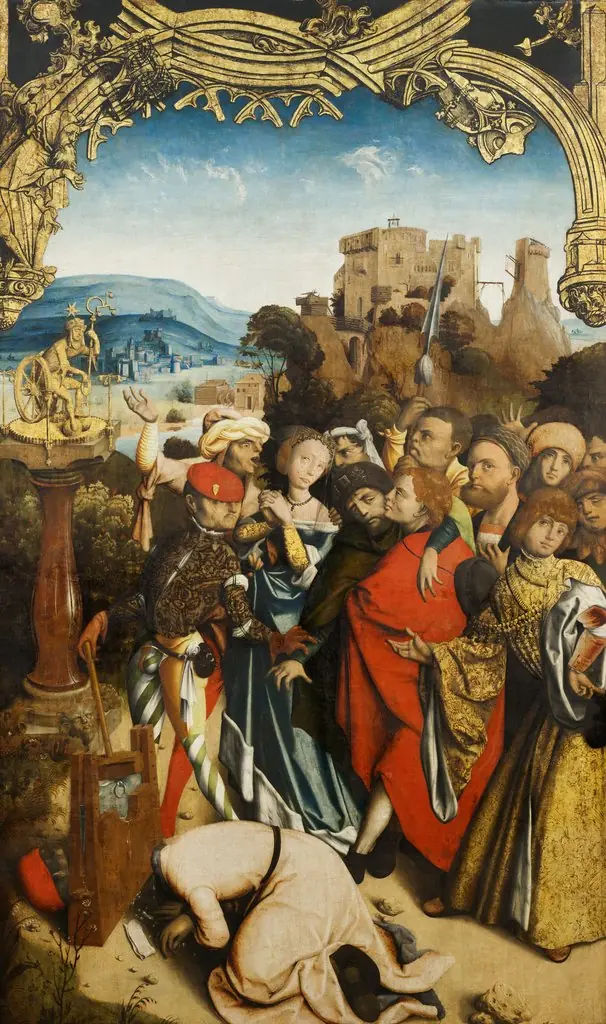 Martyrium der hll. Cantius, Cantianus und Cantianilla (Innenseite); Auferstehung Christi (Außenseite)
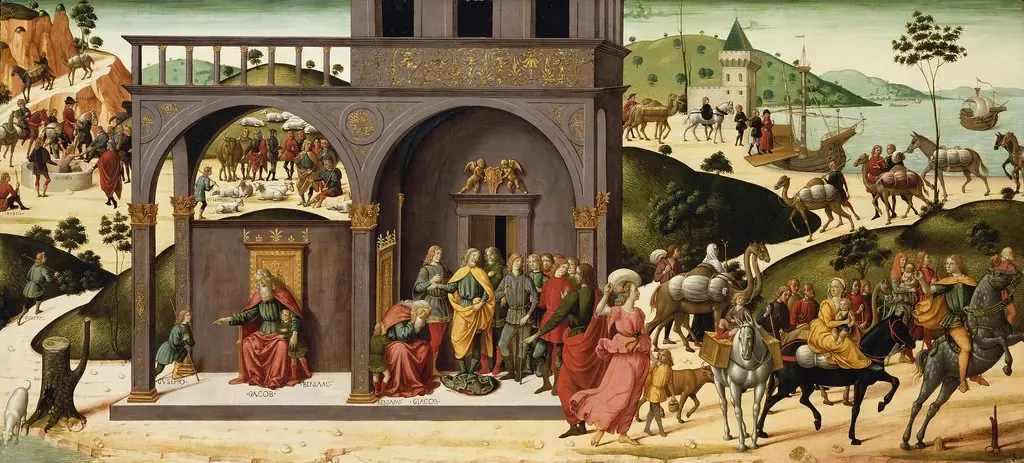 The Story of Joseph
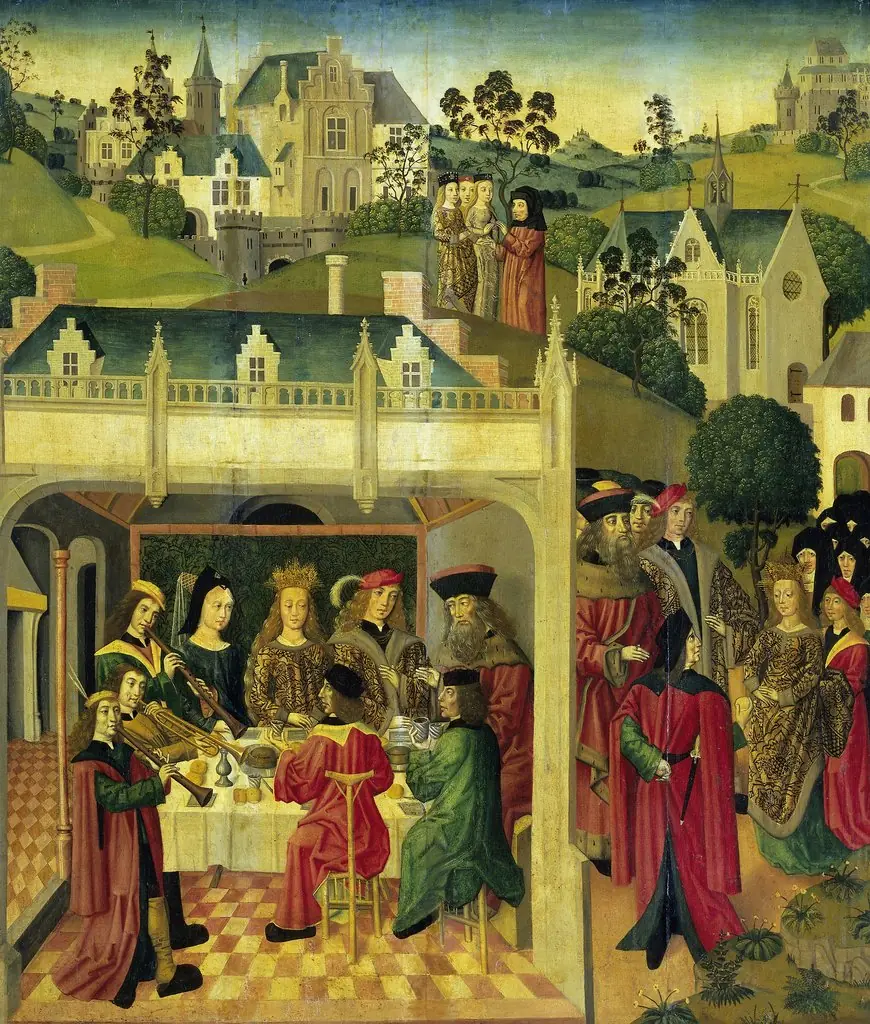 Inner left wing of an altarpiece with the wedding feast of St Elizabeth and Louis of Thuringia in the Wartburg
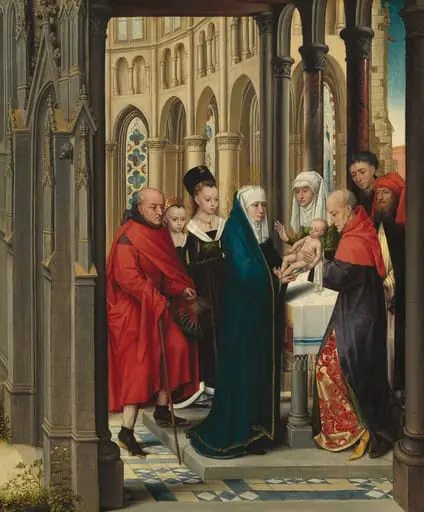 The Presentation in the Temple
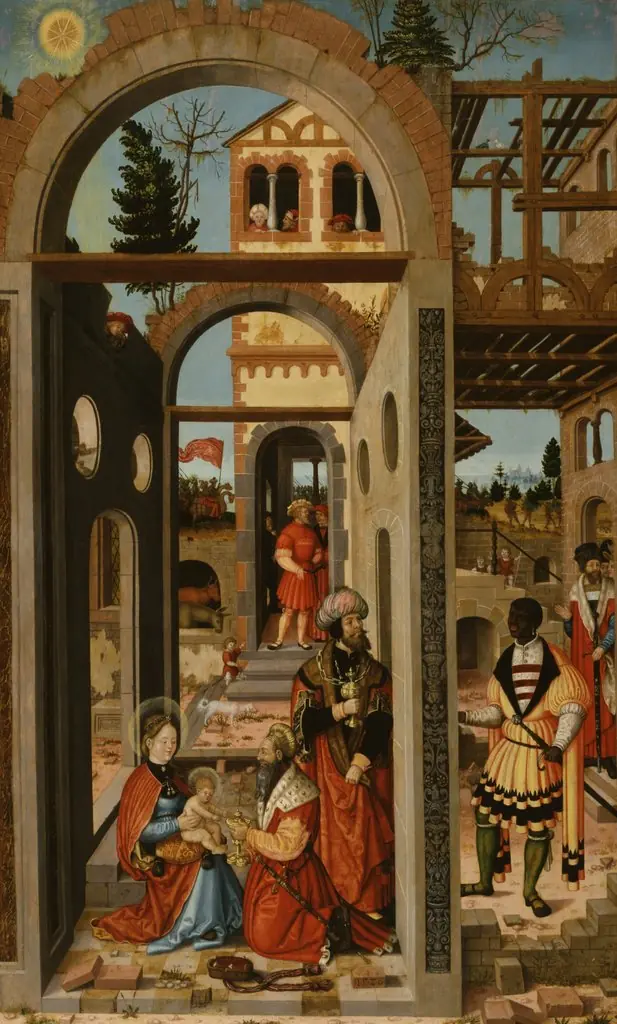 Adoration of the Three Kings
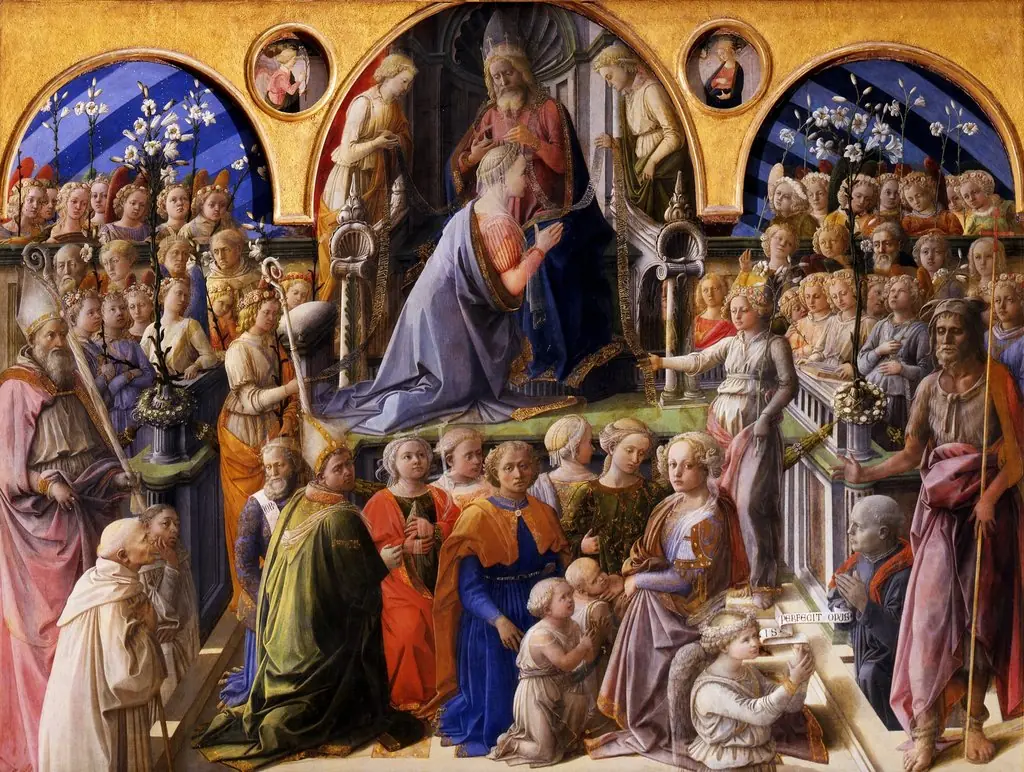 Coronation of the Virgin