Artwork
江戸名所四十八景 神田明神|Kanda Temple Snow
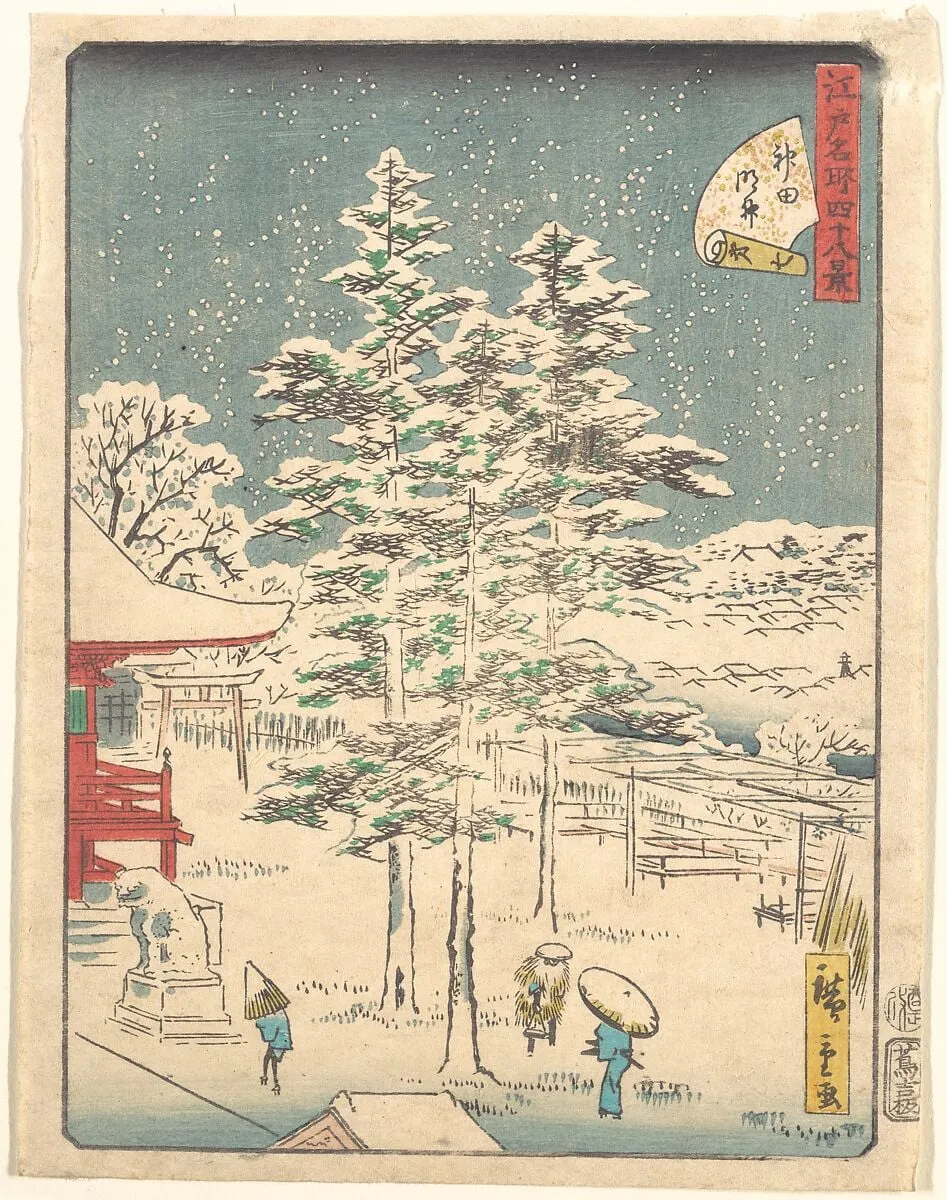
江戸名所四十八景 神田明神|Kanda Temple Snow is an ink print by the Impressionist artist Utagawa Hiroshige. It is held in the collection of the Metropolitan Museum of Art.
About this work
Overview
Created in 1861 by Utagawa Hiroshige, this woodblock print is part of the series *Famous Places in Edo in Sixty-Eight Scenes*.
Created in 1861 by Utagawa Hiroshige, this woodblock print is part of the series *Famous Places in Edo in Sixty-Eight Scenes*. It captures a quiet winter moment at Kanda Myōjin Shrine, reflecting Hiroshige’s late-period interest in atmospheric landscapes over the more common ukiyo-e themes of people or theater. The print exemplifies his refined approach to seasonal mood and spatial depth through subtle color and composition.
Subject & Meaning
The scene centers on Kanda Myōjin Shrine under snowfall, a site of spiritual significance in Edo. A snow-laden pine dominates the foreground, symbolizing endurance, while three figures in blue move quietly beneath umbrellas, suggesting contemplative passage through winter. The lion-dog statue and red shrine building ground the image in place and ritual, evoking stillness and reverence rather than activity.
Technique & Style
Hiroshige employed fine woodblock carving and layered watercolor washes to achieve soft gradations of blue, white, and muted red. The snow is rendered with delicate stippling and negative space, while the pine’s branches suggest weight through subtle curvature. Spatial depth is constructed through diminishing scale and atmospheric perspective, with distant trees and fences fading into a pale sky dusted with snowflakes.
History & Provenance
Produced during the final years of Hiroshige’s life, this print emerged from a series commissioned to document Edo’s landmarks as the city underwent social change. Though the full series was planned with sixty-eight views, only forty-eight were completed. This work was likely printed in limited runs for middle-class collectors, preserving its status as a record of Edo’s seasonal rhythms rather than a commercial spectacle.
Context
In the 1860s, Edo’s urban landscape was shifting amid political instability and the decline of the shogunate. Hiroshige’s focus on tranquil, everyday locations—like snow-covered shrines—offered a quiet counterpoint to societal upheaval. His landscapes resonated with viewers seeking solace in nature’s constancy, aligning with broader cultural values of mono no aware, or sensitivity to transience.
Legacy
Hiroshige’s winter scenes, including this one, influenced later Japanese and Western artists through their emphasis on mood over narrative. The print’s restrained palette and compositional balance became a model for capturing ephemeral moments in nature. Though not widely exhibited in his lifetime, it remains a key example of late Edo-period printmaking’s poetic potential.
Artist & collection
Artist
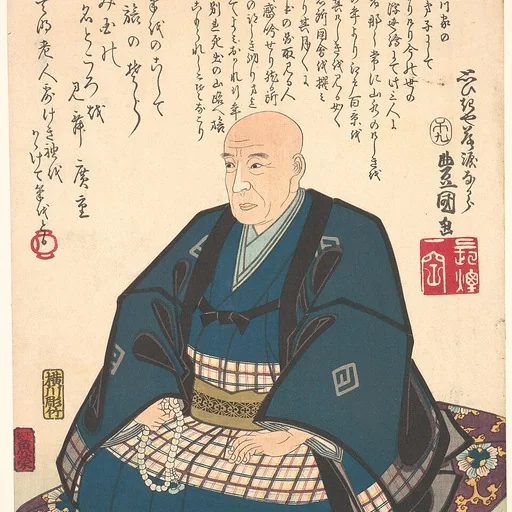
Utagawa Hiroshige (歌川 広重) or Andō Hiroshige (安藤 広重), born Andō Tokutarō (安藤 徳太郎; 1797 – 12 October 1858), was a Japanese ukiyo-e artist, considered the last great master of that tradition.

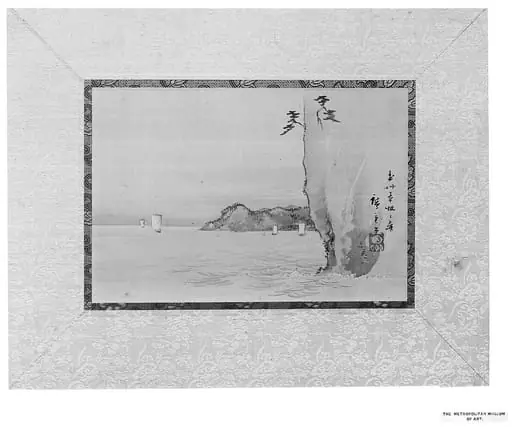
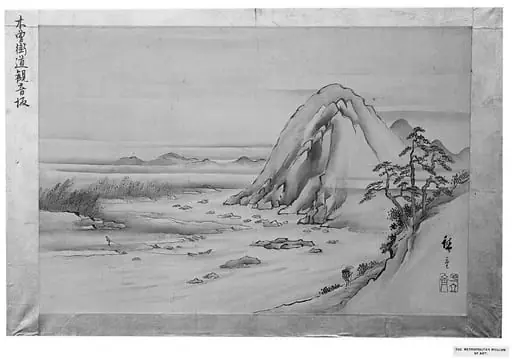
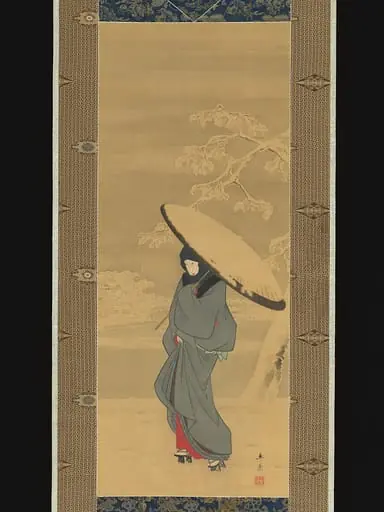
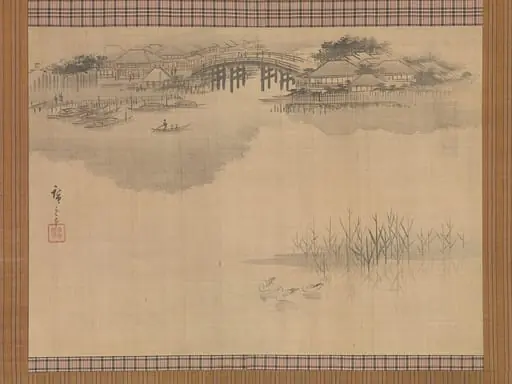
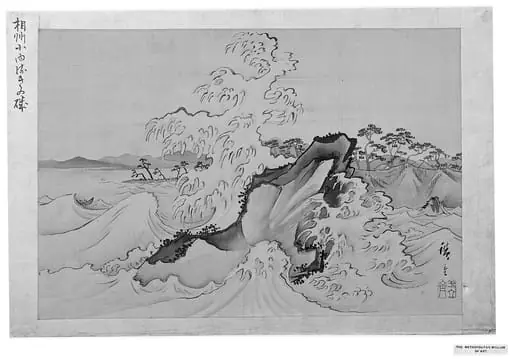
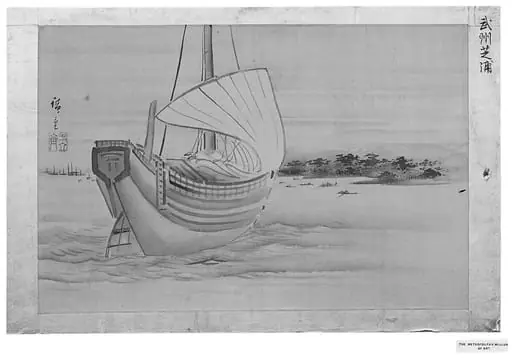
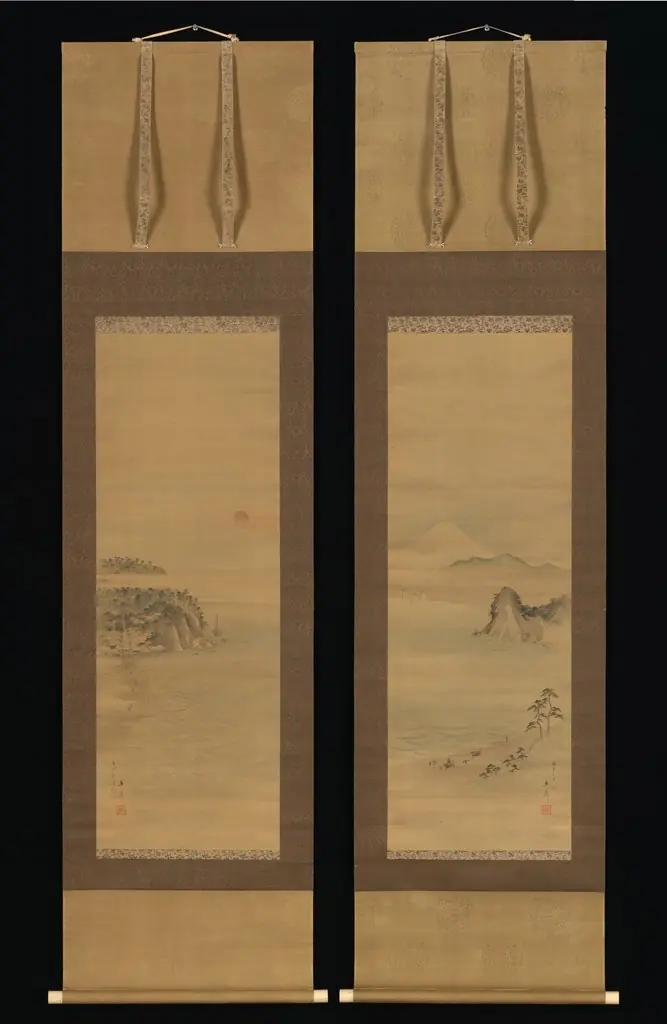
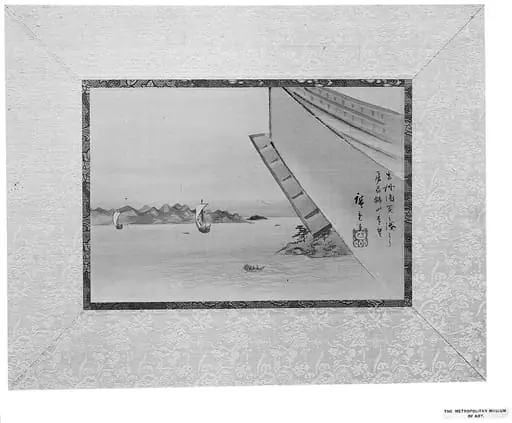
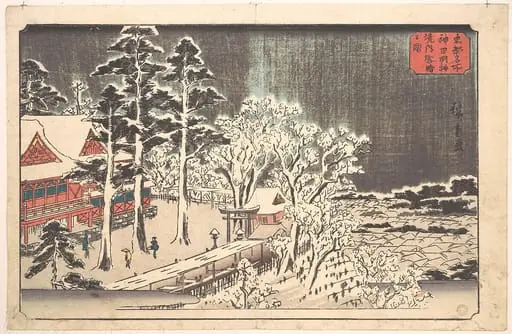 東都名所 神田明神境内雪晴之図|“Clear Weather after Snow in the Precincts of the Kanda Myōjin Shrine” (Kanda Myōjin keidai yukibare no zu), from the series Famous Places in the Eastern Capital (Tōto meisho)
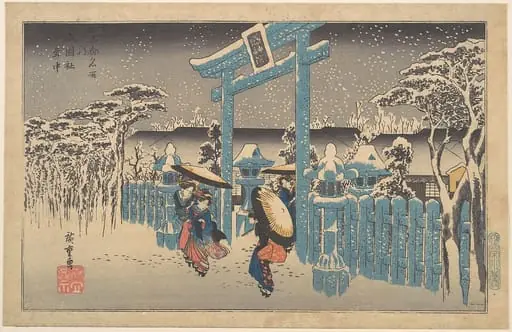 京都名所之内 祇園社雪中|Gion Shrine in Snow
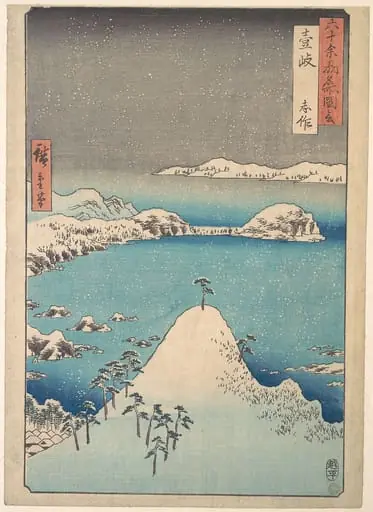 六十余州名所図会 壱岐 志作|Winter View of Shimasaku in the Province of Iki
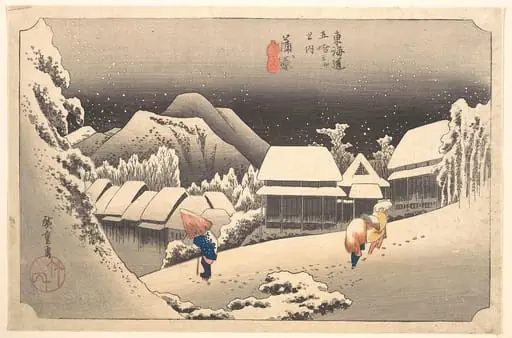 東海道五十三次之内 蒲原 夜の雪|Evening Snow
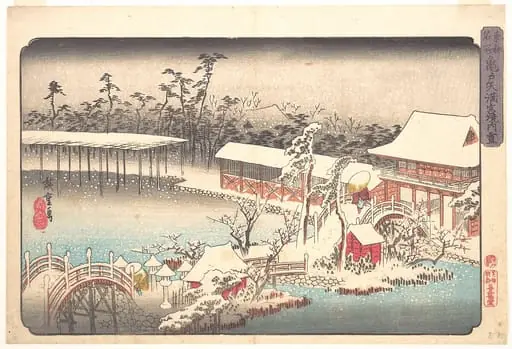 Kameido Tenmangu keidai no yuki|東都名所 亀戸天満宮境内雪|Tenmangū Shrine at Kameido in Snow
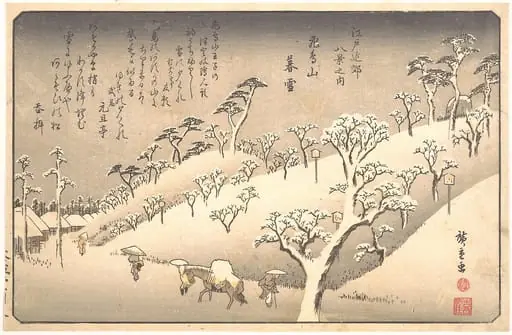 Asukayama Bosetsu|江戸近郊八景之内 飛鳥山暮雪|Asukayama in the Snow at Evening
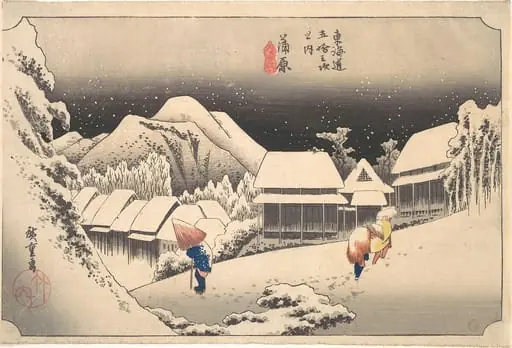 東海道五十三次之内 蒲原 夜の雪|A Snowy Evening at Kambara Station