Artwork
Mii no Bansho|近江八景の内 三井晩鍾|Vesper Bells at Mii Temple
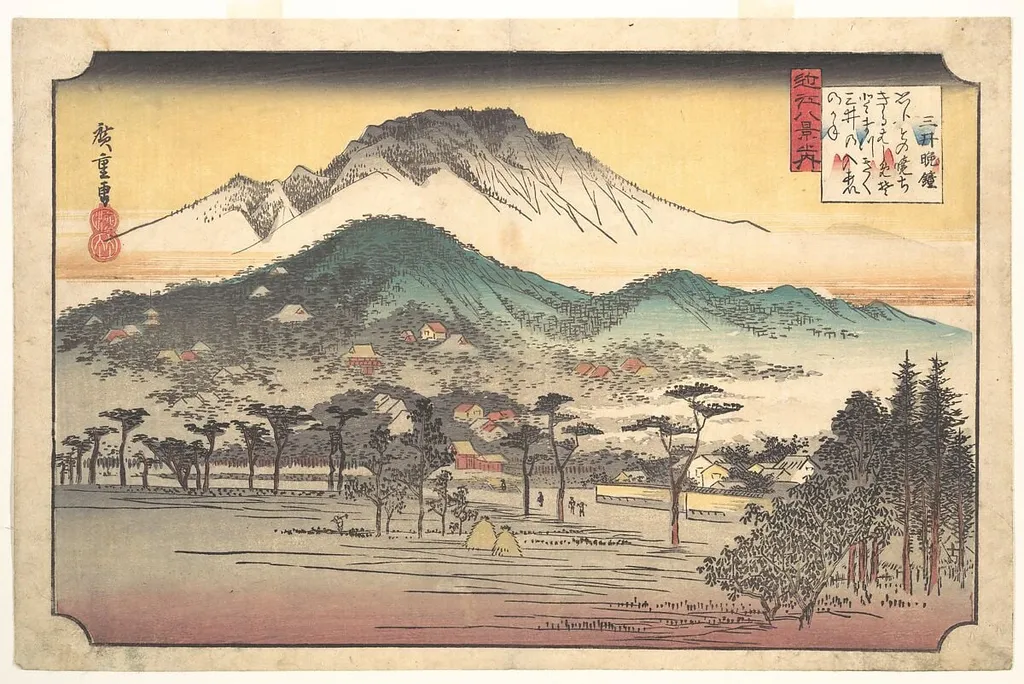
Mii no Bansho|近江八景の内 三井晩鍾|Vesper Bells at Mii Temple is an ink print by the Romanticist artist Utagawa Hiroshige. It dates from 1828 and is held in the collection of the Metropolitan Museum of Art.
About this work
Overview
Mii no Bansho (Vesper Bells at Mii Temple) is a woodblock print created by Utagawa Hiroshige in 1828, utilizing ink and color on paper. It belongs to the *Eight Views of Ōmi* series, a subset of Japanese ukiyo-e landscape prints.
Subject & Meaning
The print captures a serene evening scene at Mii Temple, emphasizing the tranquil atmosphere of the vesper bells. The composition includes a background mountain with trees and structures at its base, a foreground with trees, grass, and strolling figures, conveying a sense of peace.
Technique & Style
Hiroshige employed techniques like cross-hatching to achieve depth and texture. The work features soft colors and gentle lines, characteristic of a style that, while rooted in ukiyo-e, leans towards emotive and imaginative rendering, akin to Romanticist principles.
History & Provenance
Created in 1828 by Utagawa Hiroshige, a prominent ukiyo-e artist known for his landscapes, *Mii no Bansho* is currently part of The Metropolitan Museum of Art's collection.
Context
Unlike typical Edo period ukiyo-e subjects, Hiroshige's focus on landscapes, as seen in *Mii no Bansho*, distinguished his work within the genre.
Artist & collection
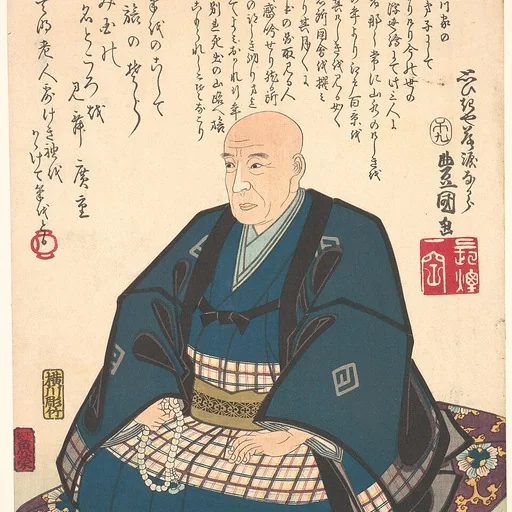
Artist
Utagawa Hiroshige (歌川 広重) or Andō Hiroshige (安藤 広重), born Andō Tokutarō (安藤 徳太郎; 1797 – 12 October 1858), was a Japanese ukiyo-e artist, considered the last great master of that tradition.

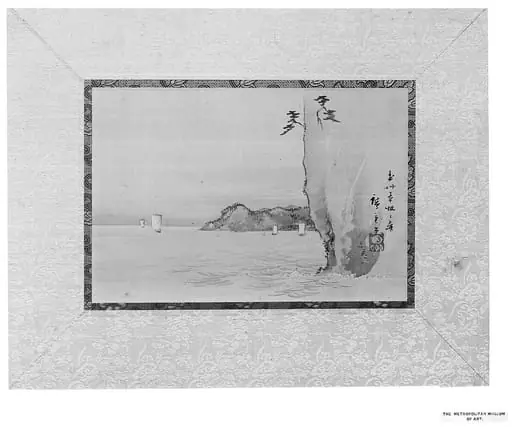
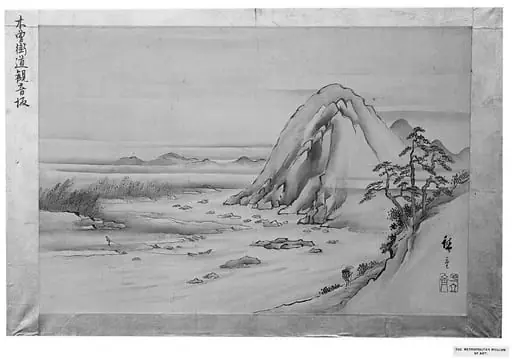
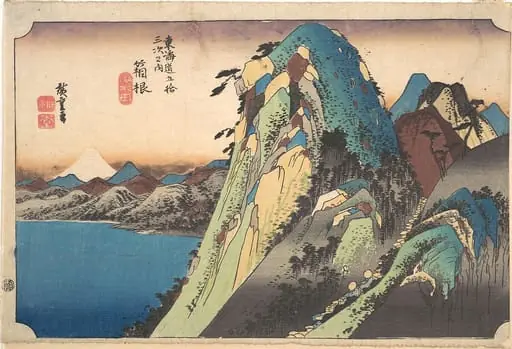 東海道五十三次之内 箱根 湖水図|Hakone; Kosui
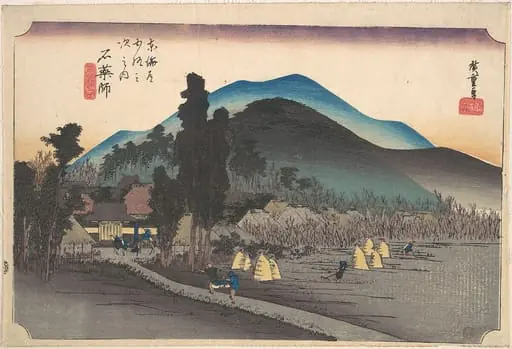 東海道五十三次之内 石薬師 石薬師寺|Ishiyakushi, Ishiyakushi Ji
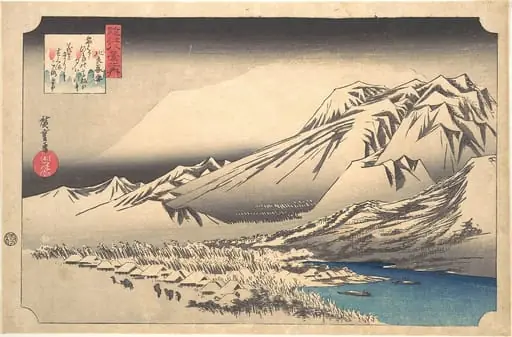 Hira no Bosetsu|近江八景の内 比良暮雪|Evening Snow on Mount Hira
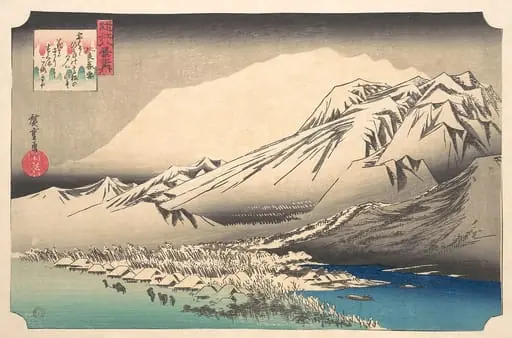 近江八景之内 比良暮雪|Evening Snow on Hira, Lake Biwa
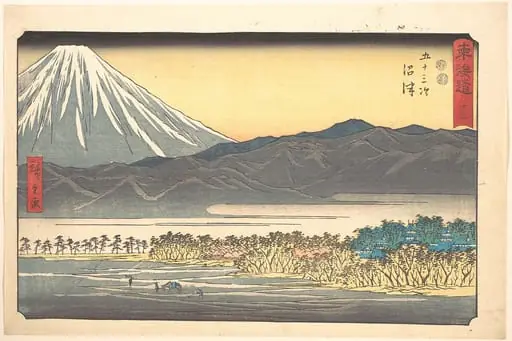 歌川広重画 東海道 十三 五十三次
沼津|Numazu, Number 13, from the series Fifty-Three Stations of the Tōkaidō (Tōkaidō gojūsan tsugi)
歌川広重画 東海道 十三 五十三次
沼津|Numazu, Number 13, from the series Fifty-Three Stations of the Tōkaidō (Tōkaidō gojūsan tsugi)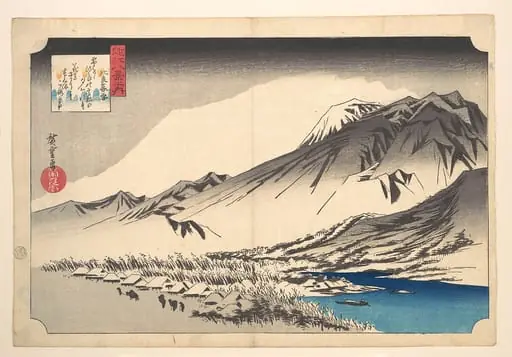 近江八景之内 比良暮雪|Evening Snow on Mount Hira
 東海道五十三次 蒲原|Kambara
 Untitled