Artwork
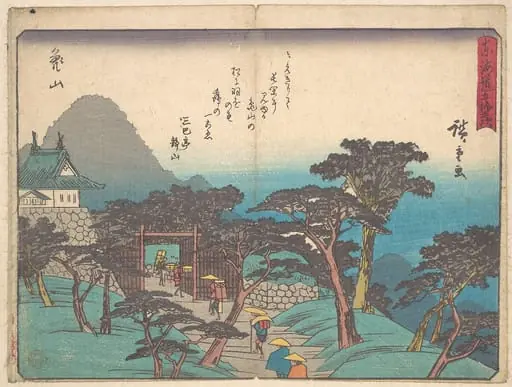
東海道五十三次 蒲原|Kambara
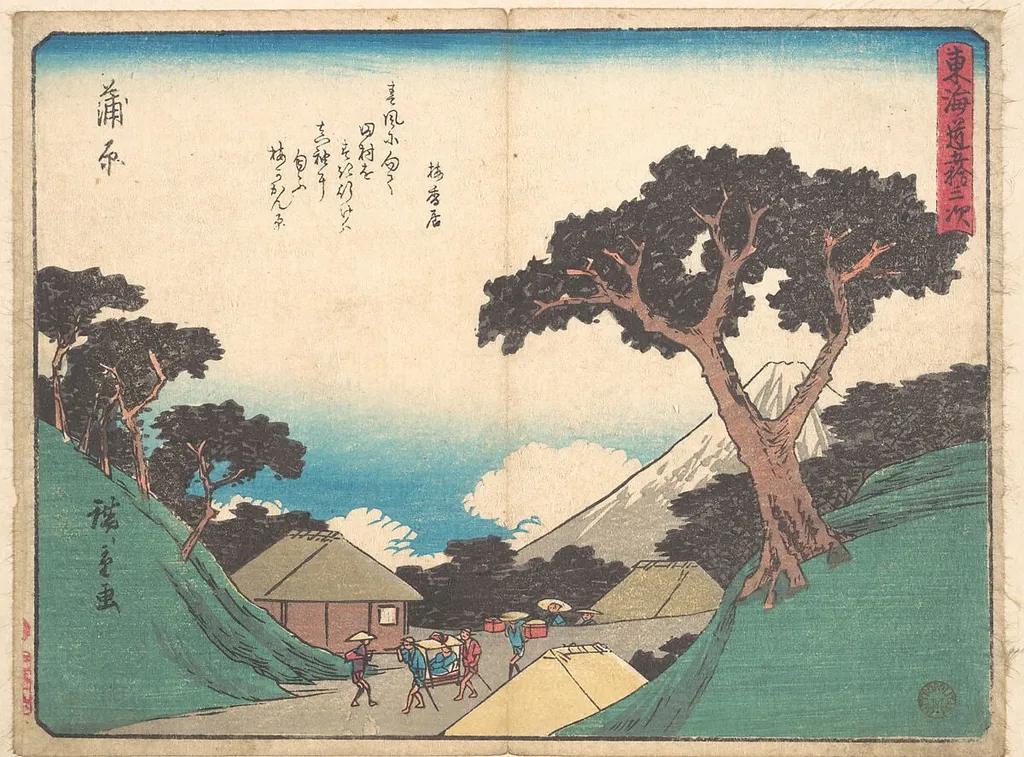
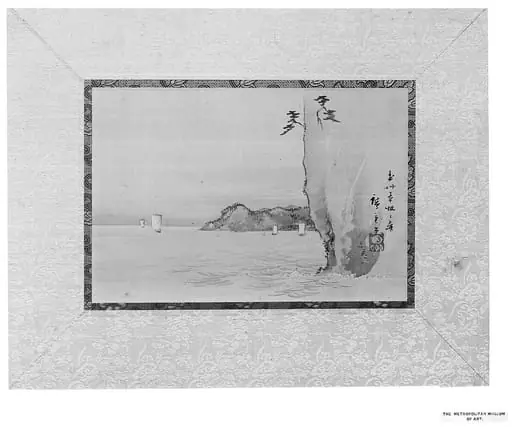
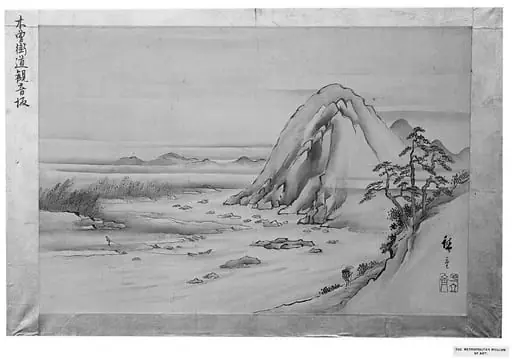
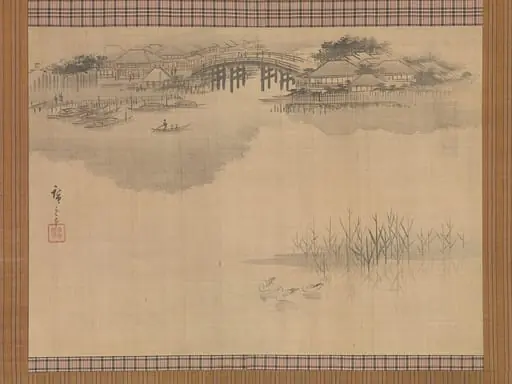
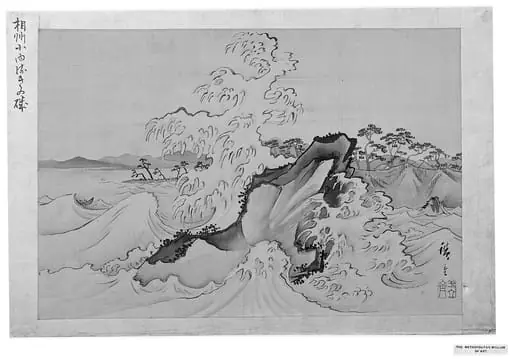
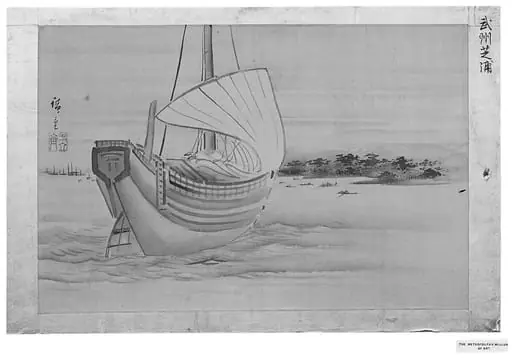
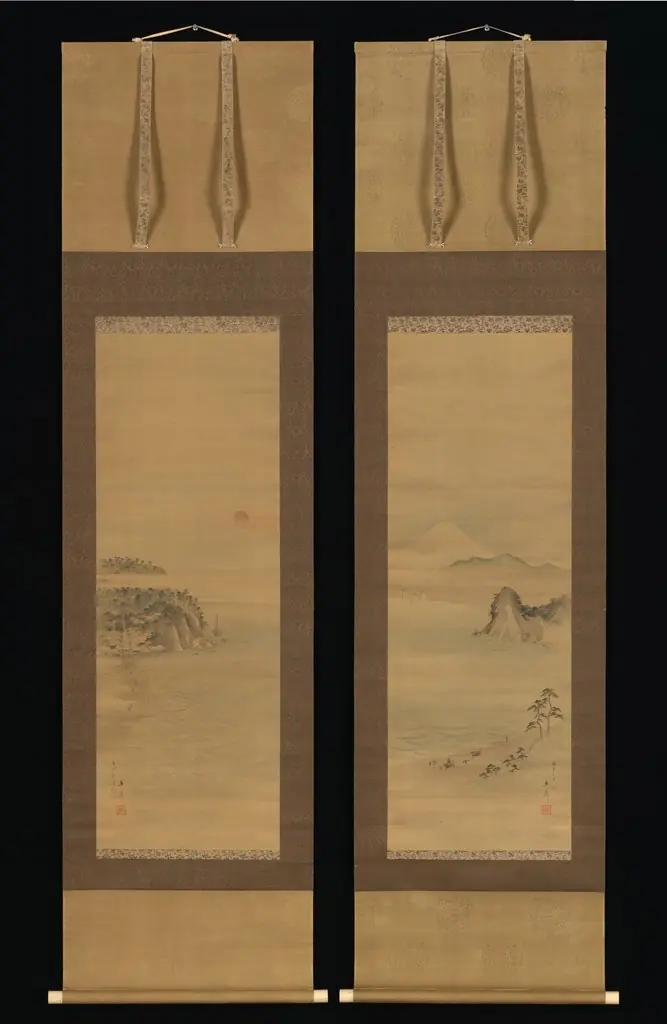
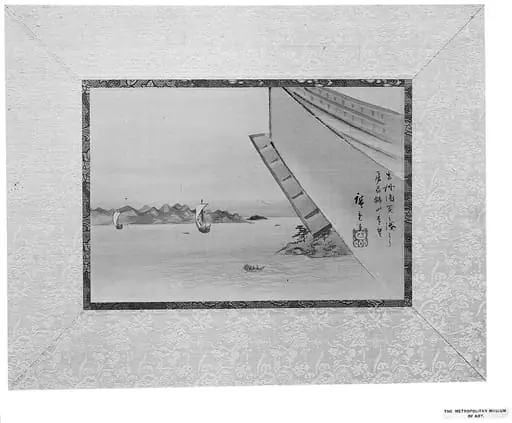
東海道五十三次 蒲原|Kambara is an ink print by the Romanticist artist Utagawa Hiroshige. It dates from 1838 and is held in the collection of the Metropolitan Museum of Art.
About this work
Overview
Kambara is a woodblock print by Utagawa Hiroshige, created around 1838 as part of the series The Fifty-three Stations of the Tōkaidō.
Subject & Meaning
The print depicts the post station of Kambara, showing a serene landscape with a winding road, travelers, and a distant mountain under a soft blue sky. The scene conveys a sense of tranquility and everyday life along the Tōkaidō route.
Technique & Style
Hiroshige used ink and color on paper to create the print, employing simple lines and bright colors to convey depth and atmosphere. The composition is characteristic of his horizontal-format landscape style, blending poetic observation with subtle detail.
Context
The print was designed for an audience familiar with the Tōkaidō route, as indicated by the Japanese writing on the right side. It reflects Hiroshige's focus on atmospheric landscapes, diverging from the typical urban subjects of the ukiyo-e genre.
Artist & collection
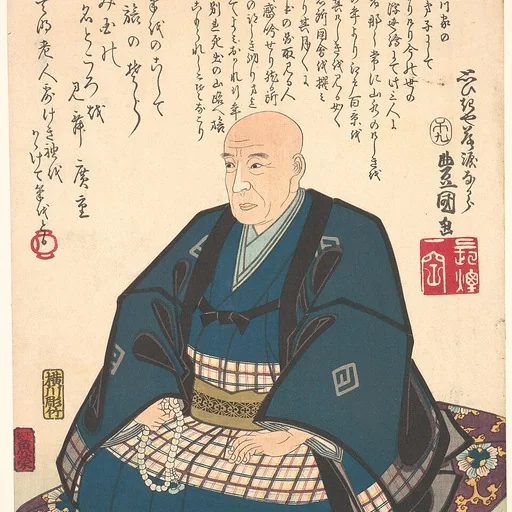
Artist
Utagawa Hiroshige (歌川 広重) or Andō Hiroshige (安藤 広重), born Andō Tokutarō (安藤 徳太郎; 1797 – 12 October 1858), was a Japanese ukiyo-e artist, considered the last great master of that tradition.