Artwork
近江八景之内 矢橋帰帆|Sailing Boats Returning to Yabase, Lake Biwa
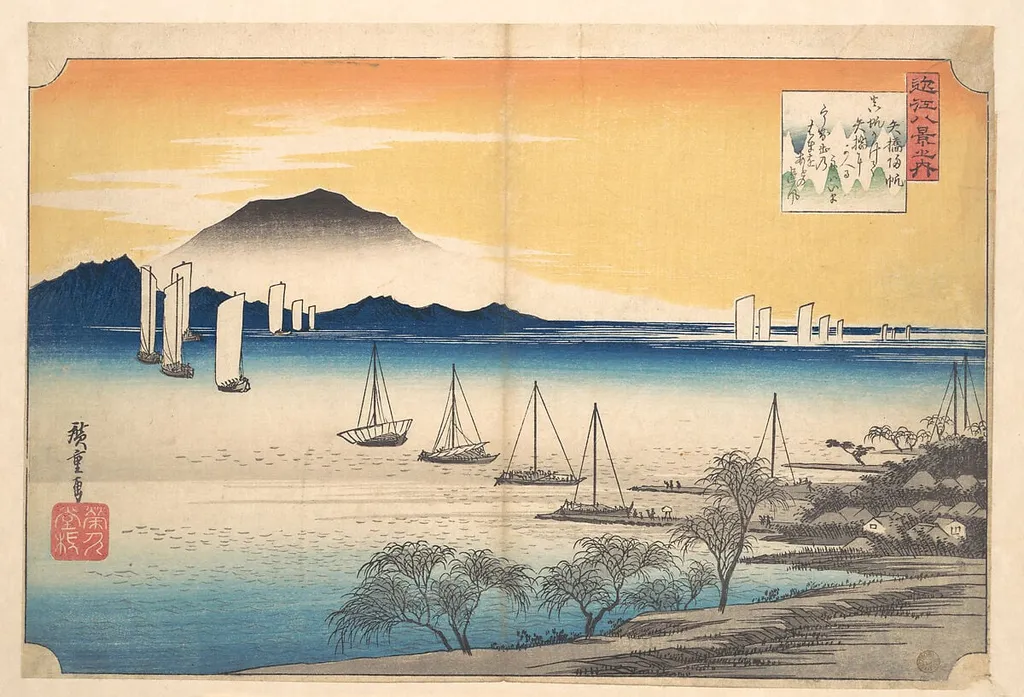
近江八景之内 矢橋帰帆|Sailing Boats Returning to Yabase, Lake Biwa is an ink print by the Romanticist artist Utagawa Hiroshige. It dates from 1835 and is held in the collection of the Metropolitan Museum of Art.
About this work
Overview
Created around 1835, this woodblock print is one of eight scenes from Utagawa Hiroshige’s series depicting Lake Biwa’s landscapes. Unlike typical ukiyo-e subjects centered on city life, Hiroshige turned his focus to serene natural environments. The composition captures a quiet moment of boats returning to Yabase, emphasizing stillness and the subtle interplay of land, water, and sky.
Subject & Meaning
The scene portrays fishing or trading vessels nearing the shore at dusk, their small scale contrasting with the vastness of the lake and distant mountain. This evokes a sense of quiet return and harmony with nature, aligning with traditional Japanese aesthetic values. The glowing sky suggests twilight, a time often associated with reflection and transition in Japanese poetry and art.
Technique & Style
Hiroshige employed flat areas of color and minimal linework, characteristic of ukiyo-e printmaking. The orange sky is rendered with subtle gradations, while the mountain and trees are simplified into silhouettes. The boats, though tiny, anchor the composition, guiding the viewer’s eye across the water. The print’s restraint enhances its atmospheric mood without overt detail.
History & Provenance
While exact early ownership records are scarce, the print circulated widely as affordable art, contributing to its survival in multiple collections.
Part of the *Eight Views of Lake Biwa* series, the print was produced during Hiroshige’s early career, before his more famous *Fifty-Three Stations of the Tōkaidō*. The series reflects a growing interest in regional landscapes among Edo-period audiences. While exact early ownership records are scarce, the print circulated widely as affordable art, contributing to its survival in multiple collections.
Context
Lake Biwa, Japan’s largest freshwater lake, had long been celebrated in poetry and painting. Hiroshige’s series responded to a cultural trend of traveling and documenting scenic spots, known as meisho. His approach, blending topographical accuracy with poetic mood, aligned with contemporary literary traditions that valued quiet contemplation over grandeur.
Legacy
Hiroshige’s *Eight Views of Lake Biwa* helped shift ukiyo-e’s focus from urban entertainment to natural landscapes, influencing later artists and even Western impressionists. Though less known than his Tōkaidō series, these prints established a model for capturing atmosphere through simplicity. Their enduring presence in museum collections underscores their role in redefining Japanese landscape art.
Artist & collection
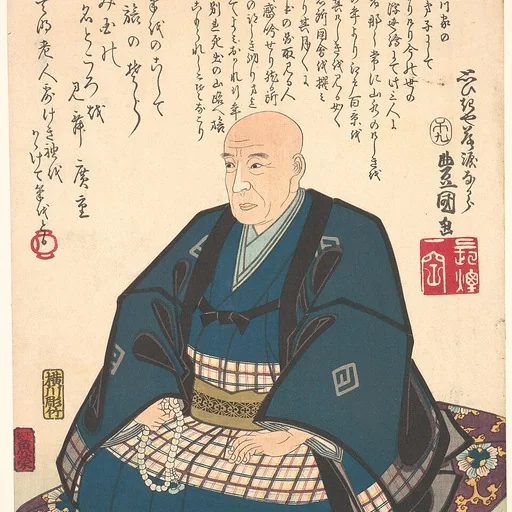
Artist
Utagawa Hiroshige (歌川 広重) or Andō Hiroshige (安藤 広重), born Andō Tokutarō (安藤 徳太郎; 1797 – 12 October 1858), was a Japanese ukiyo-e artist, considered the last great master of that tradition.

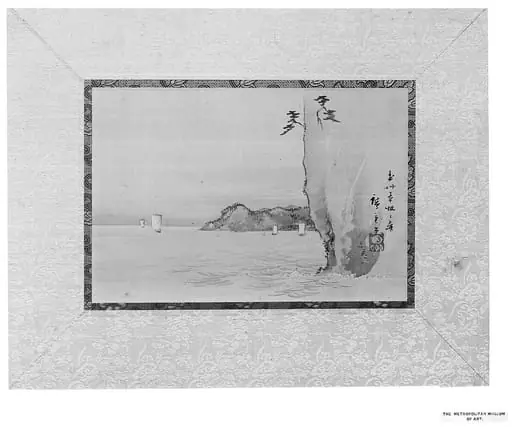
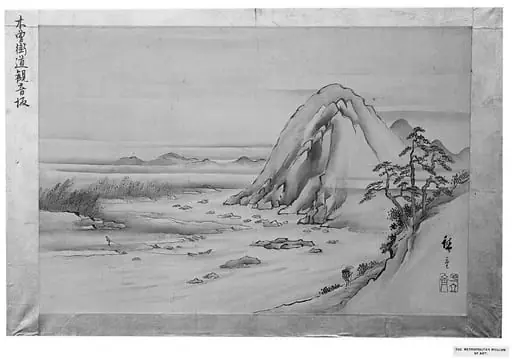
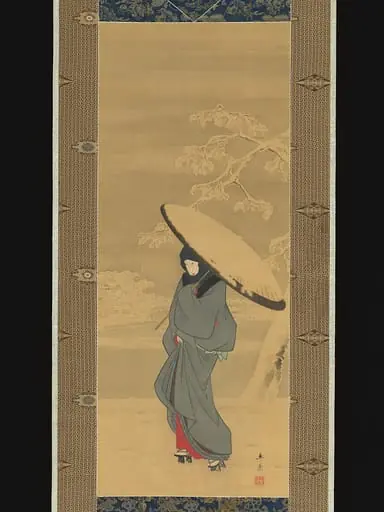
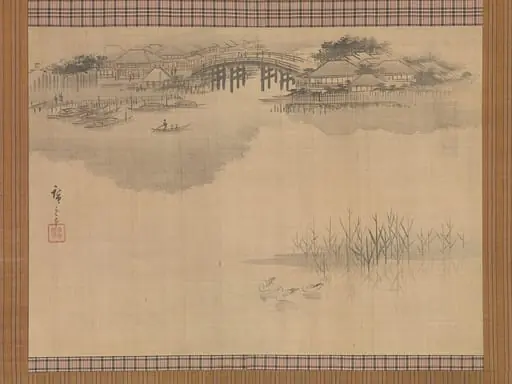
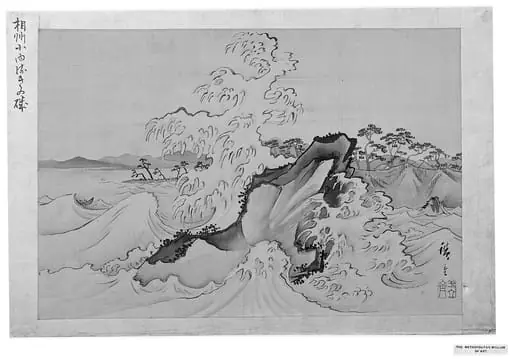
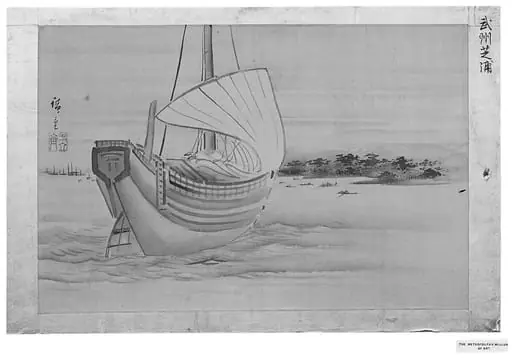
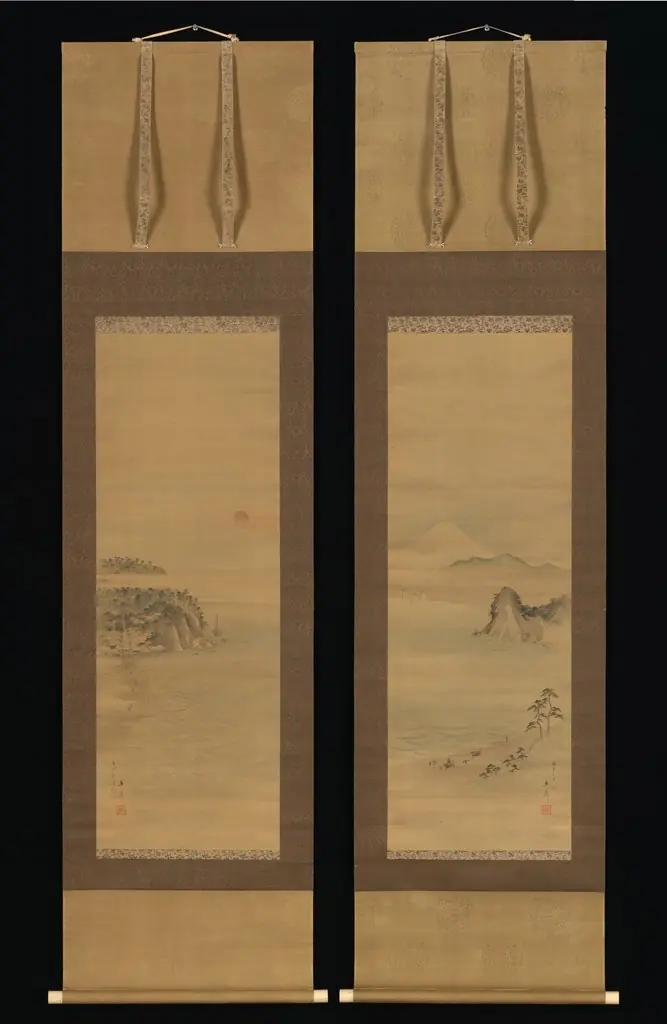
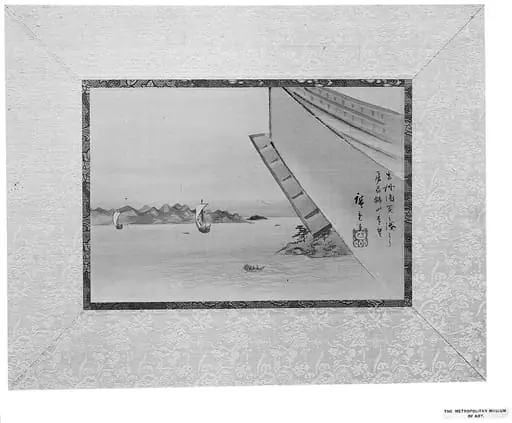
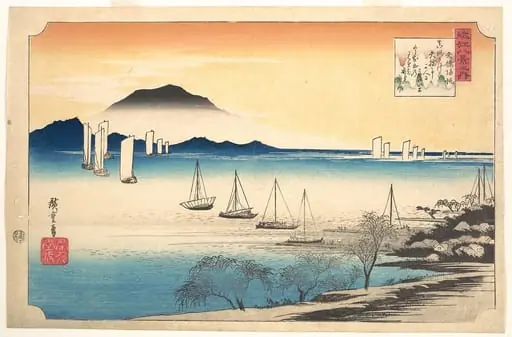 Yabase no Kihan|近江八景之内 矢橋帰帆|Fishing Boats Returning to Yabase
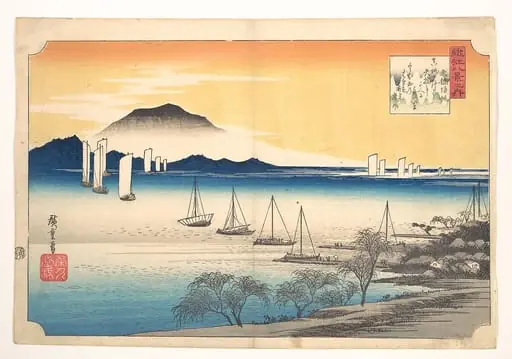 近江八景之内 矢橋帰帆|Fishing Boats Returning to Yabase
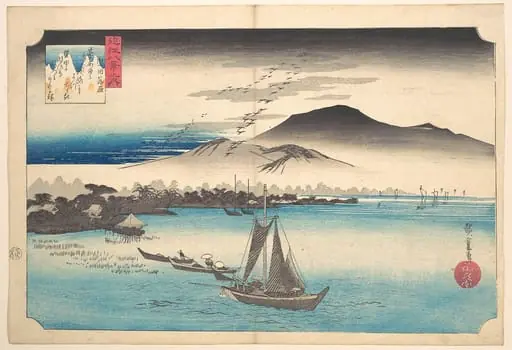 近江八景之内 堅田落雁|Returning Geese at Katada
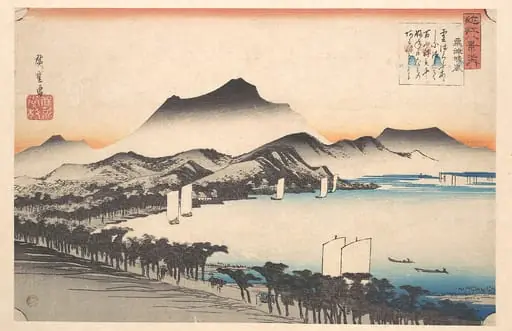 近江八景之内 粟津晴嵐|Clearing Weather at Awazu, Lake Biwa
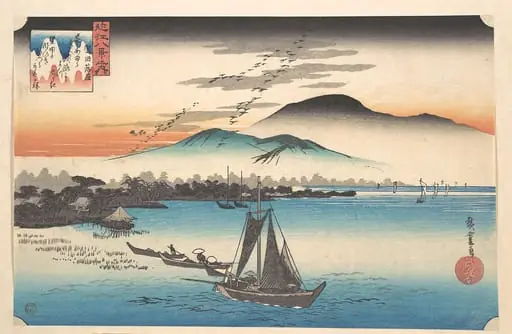 近江八景之内 堅田落雁|Geese Alighting at Katada, Lake Biwa
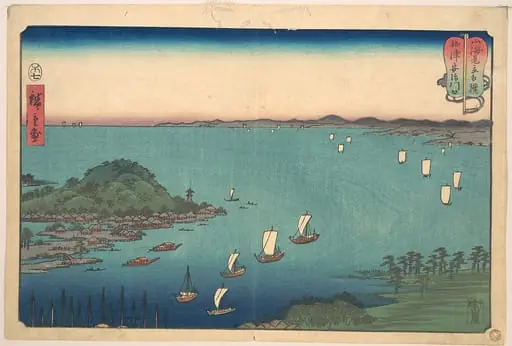 山海見立相撲 摂津安治川口|The Harbor of Ajikawa, Settsu Province
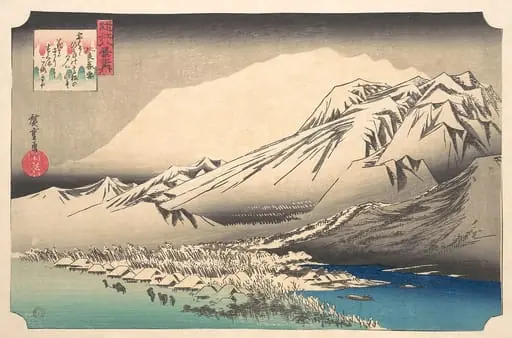 近江八景之内 比良暮雪|Evening Snow on Hira, Lake Biwa