Artwork
Hagar in the Desert
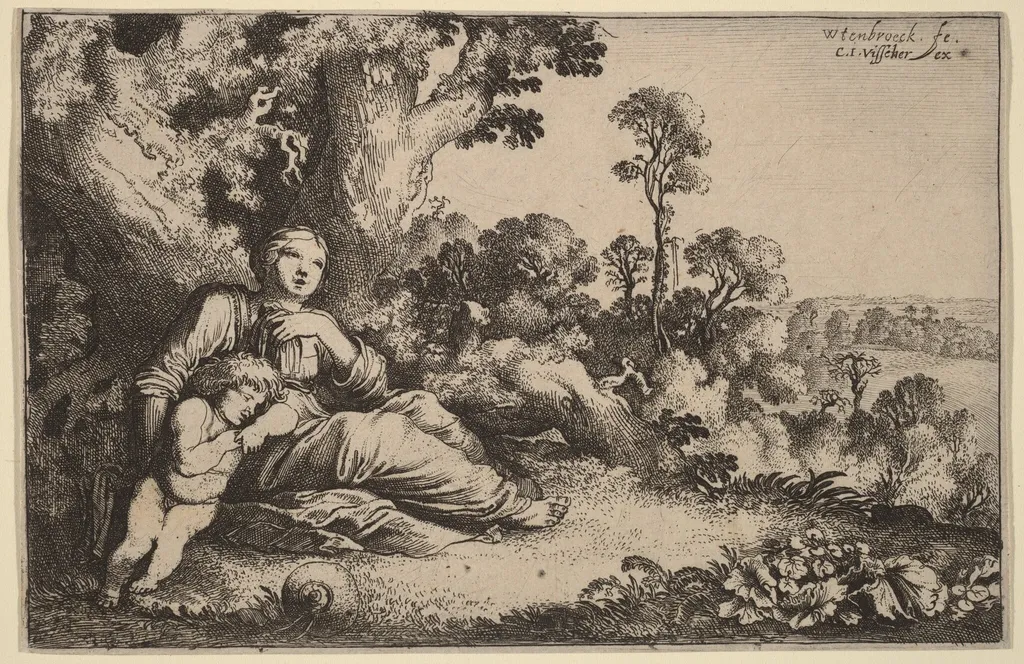
Hagar in the Desert is an ink print by the Renaissance artist Moyses van Uyttenbroeck. It dates from 1619 and is held in the collection of the National Gallery of Art.
About this work
Overview
Hagar in the Desert is a 1619 etching on laid paper by Moyses van Uyttenbroeck, depicting a serene scene of a woman and child at rest in a natural setting.
Subject & Meaning
The etching illustrates a biblical scene, likely referencing the story of Hagar, Abraham's servant, and her son Ishmael, abandoned in the desert. The woman's contemplative gesture and the child's sleep convey a sense of vulnerability and solace.
Technique & Style
Van Uyttenbroeck employed fine etching lines to achieve detailed textures, evident in the woman's clothing, tree foliage, and landscape elements, characteristic of 17th-century etching techniques for detailed printmaking.
History & Provenance
Created in 1619, the etching's provenance is not detailed here, but its production reflects the artistic practices of its time, with the medium and technique typical of early 17th-century European printmaking.
Context
This work sits within the tradition of biblical illustration prevalent in 17th-century Dutch art, where religious themes were commonly depicted in everyday, relatable settings.
Legacy
While specific influence or notable exhibitions of 'Hagar in the Desert' are not highlighted, it contributes to the broader legacy of Moyses van Uyttenbroeck's etchings in the history of Dutch Golden Age printmaking.
Artist & collection


 The Rest on the Flight into Egypt
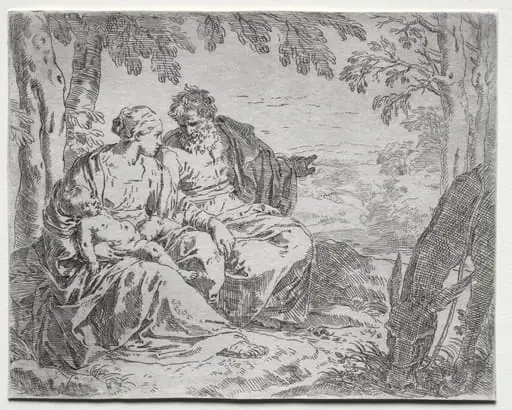 Rest on the Flight in to Egypt
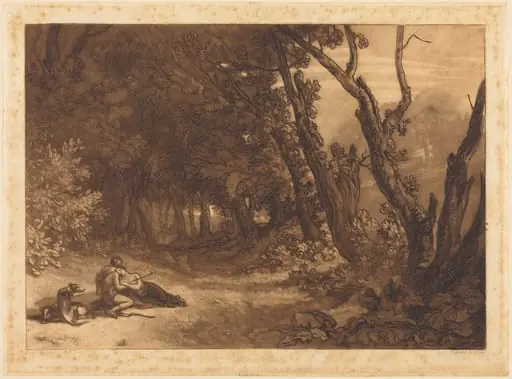 Procris and Cephalus
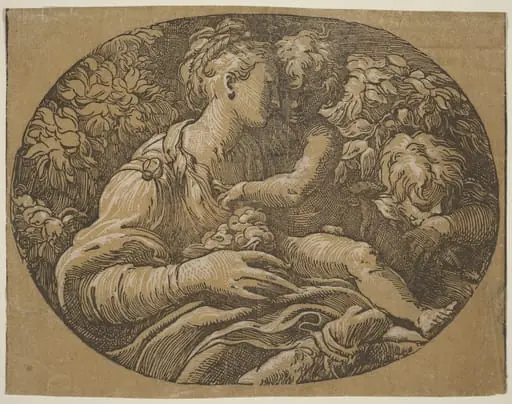 The Virgin with the Rose
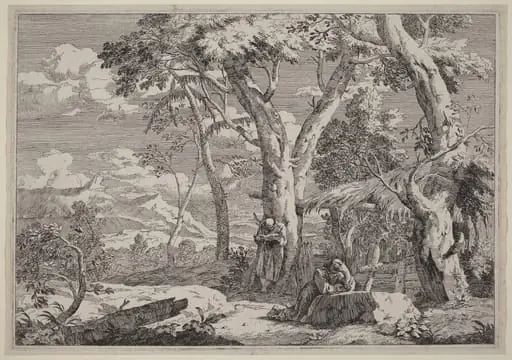 Wilderness Landscape with Two Monks
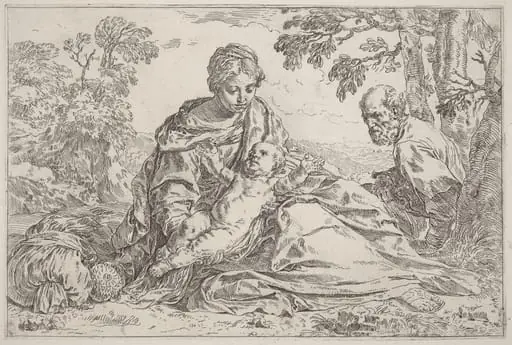 The Rest on the Flight into Egypt
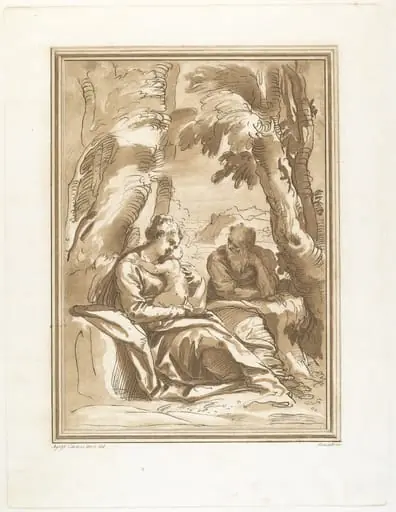 Rest on the Flight into Egypt
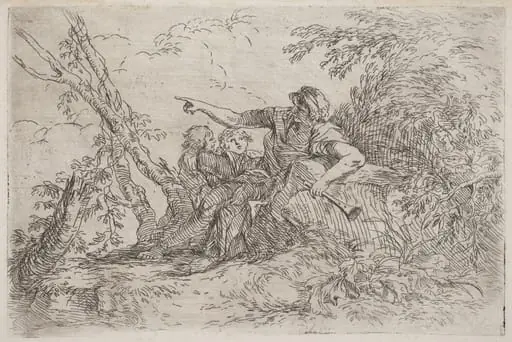 Shepherd in a Landscape
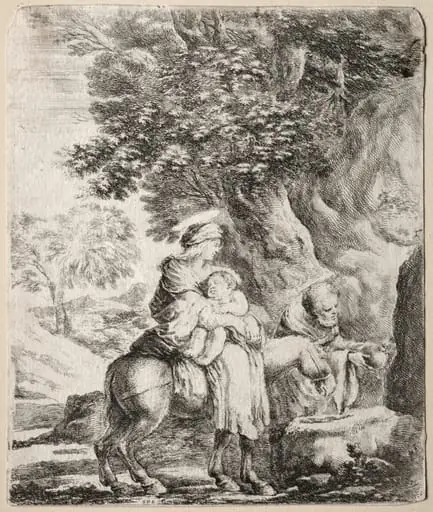 Flight into Egypt
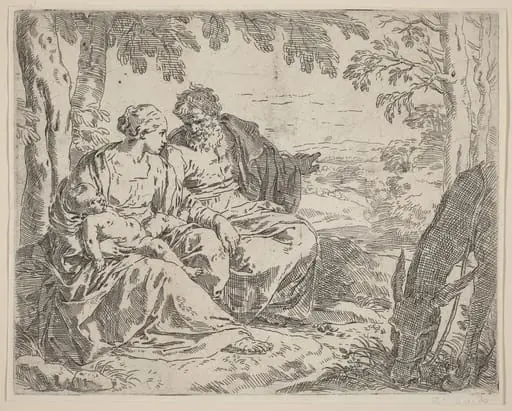 The Rest on the Flight into Egypt
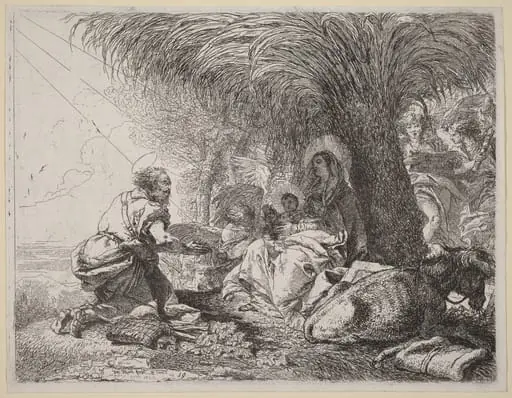 The Rest on the Flight with Joseph in Adoration
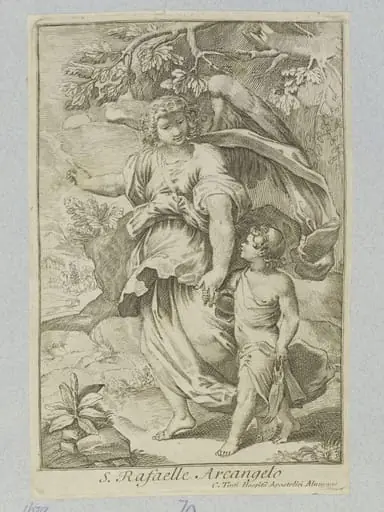 Raphael conducting Tobias