Artwork
Fernando hijo del pintor con una llave en la mano
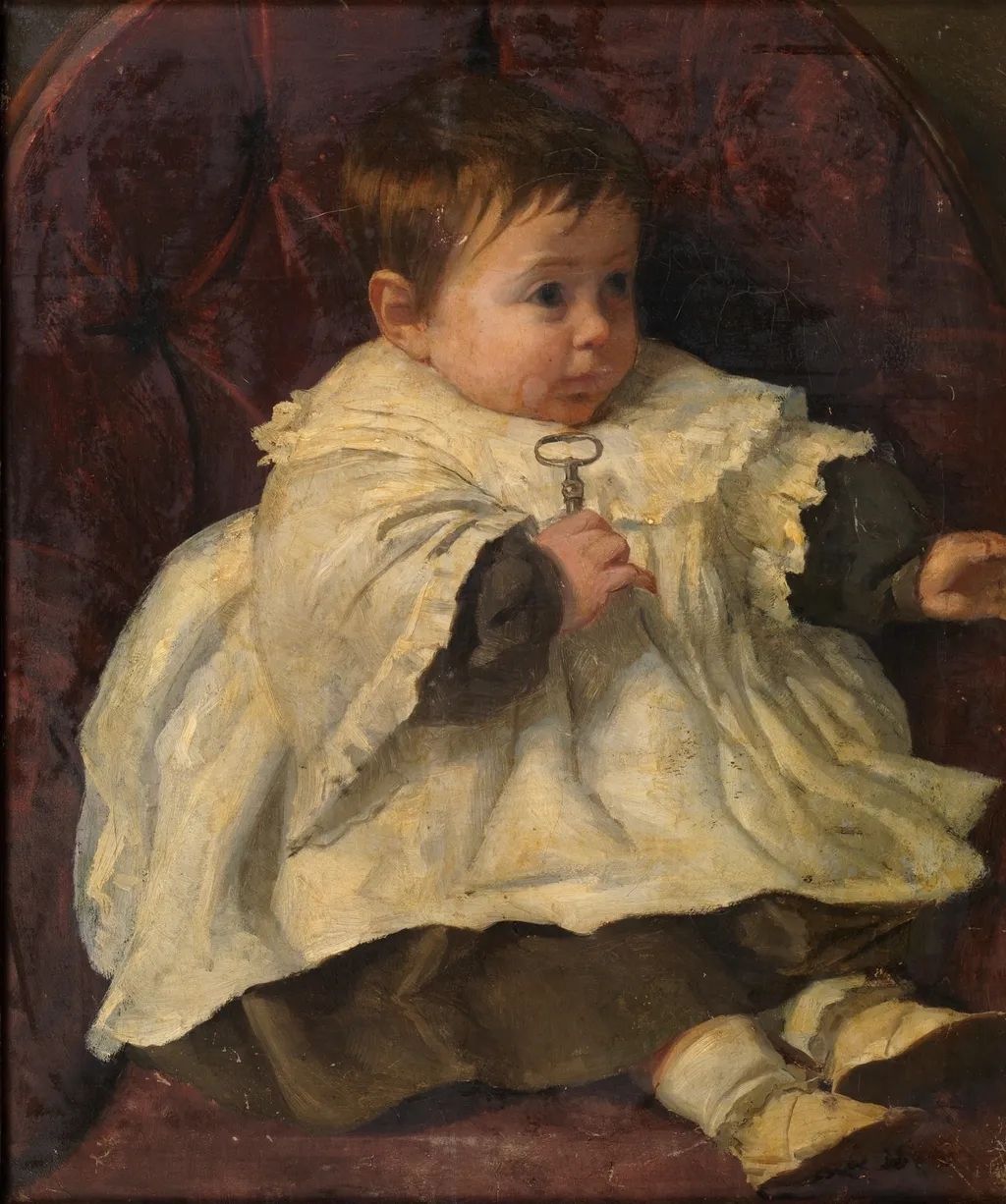
Fernando hijo del pintor con una llave en la mano is an oil painting by the Realist artist Víctor Manzano y Mejorada. It dates from 1861 and is held in the collection of the Museo del Prado.
About this work
Overview
Painted in 1861 by Víctor Manzano y Mejorada, this oil work depicts his infant son seated in a simple wooden chair. The child, dressed in a loose white gown with a ruffled collar, holds a key firmly in one hand. Set against a deep red background, the composition emphasizes stillness and closeness, focusing entirely on the child’s quiet presence without additional narrative elements.
Subject & Meaning
The subject is the artist’s young son, portrayed not as an idealized figure but as a real child in a private moment. The key, held with deliberate grip, may suggest early symbolic associations with responsibility, access, or familial inheritance. Its presence, unexplained and unadorned, invites contemplation rather than narrative, reinforcing the painting’s introspective tone.
Technique & Style
Manzano employs soft, blended brushwork to render the child’s skin and fabric, creating a gentle texture that contrasts with the flat, dark red background.
Manzano employs soft, blended brushwork to render the child’s skin and fabric, creating a gentle texture that contrasts with the flat, dark red background. The chair’s rounded back and the child’s crossed legs form subtle geometric stability. Lighting is even and diffuse, avoiding dramatic shadows, which enhances the calm, domestic atmosphere and focuses attention on the child’s expression and gesture.
History & Provenance
The painting entered the collection of the Museo del Prado in the 19th century, likely through direct acquisition from the artist or his family. It has remained in the museum’s holdings since, cataloged as part of its 19th-century Spanish genre paintings. No significant alterations or restorations are documented, preserving its original condition and intimate character.
Context
In mid-19th-century Spain, domestic scenes featuring children were uncommon in academic painting, which favored historical or religious themes. Manzano’s choice to portray his own son in a quiet, unidealized moment reflects a growing interest in personal, everyday life among certain artists, aligning with broader European trends toward realism and intimate portraiture.
Legacy
Though not widely exhibited outside Spain, the painting is recognized within Spanish art history as an early example of tender, non-idealized childhood portraiture. It contributes to the understanding of how private family life began to gain artistic legitimacy in the 19th century, offering a quiet counterpoint to the grand narratives dominating the period.
Own this work as a print
Artist & collection
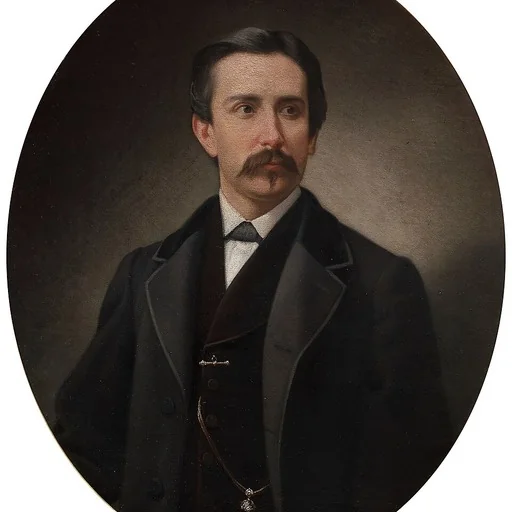
Artist
Víctor Manzano y Mejorada (1831–1865) was an artist, born in Madrid.

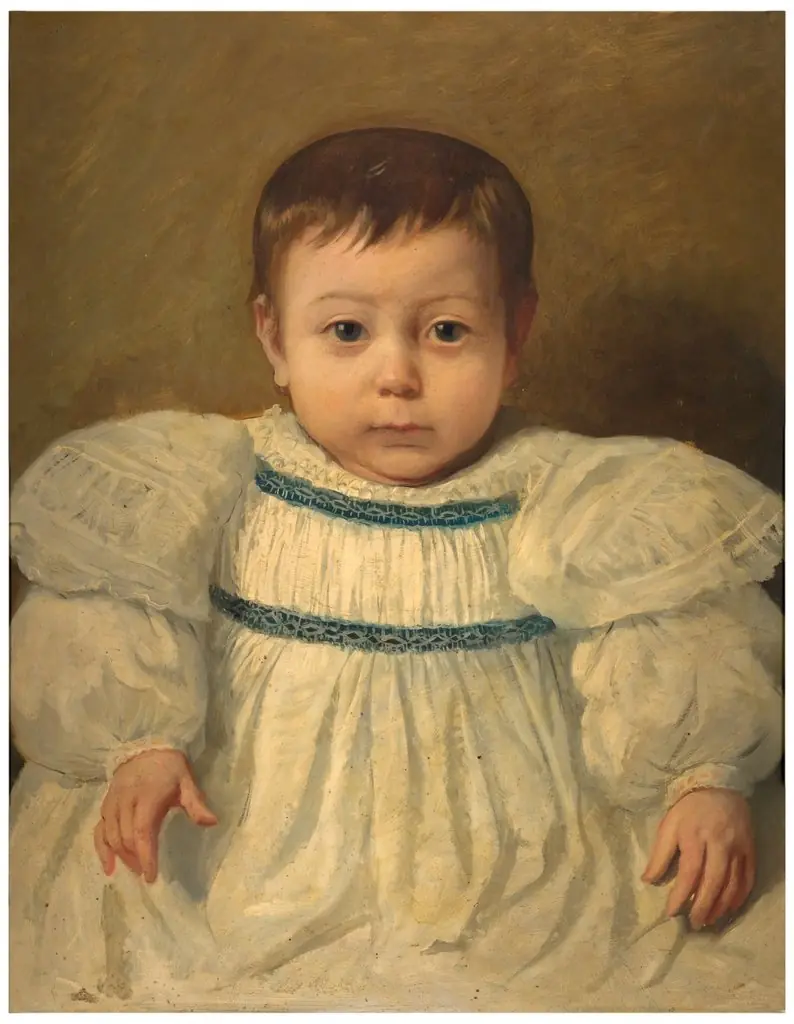
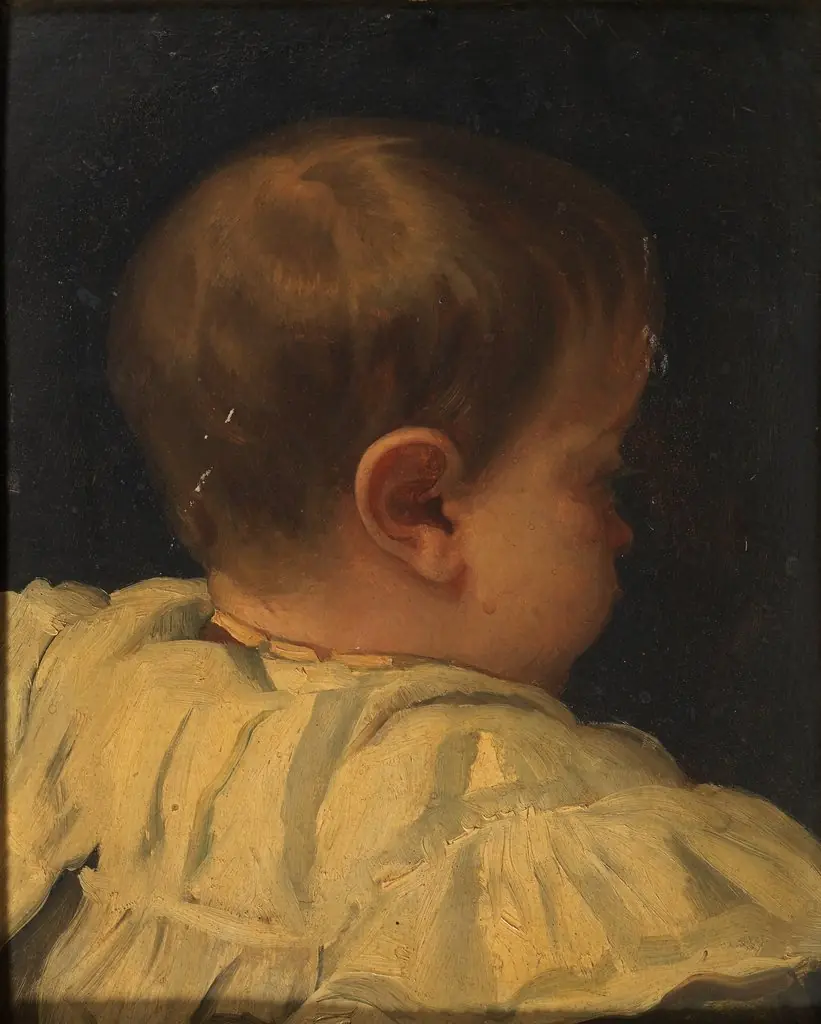
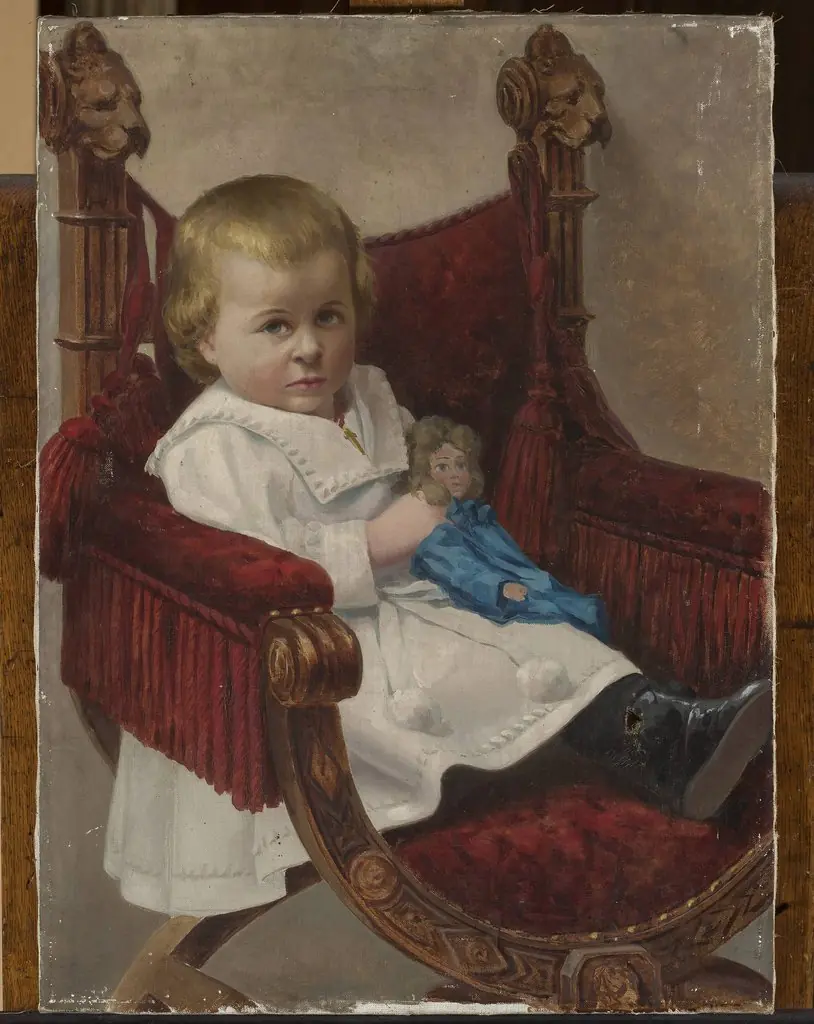 Child in an armchair
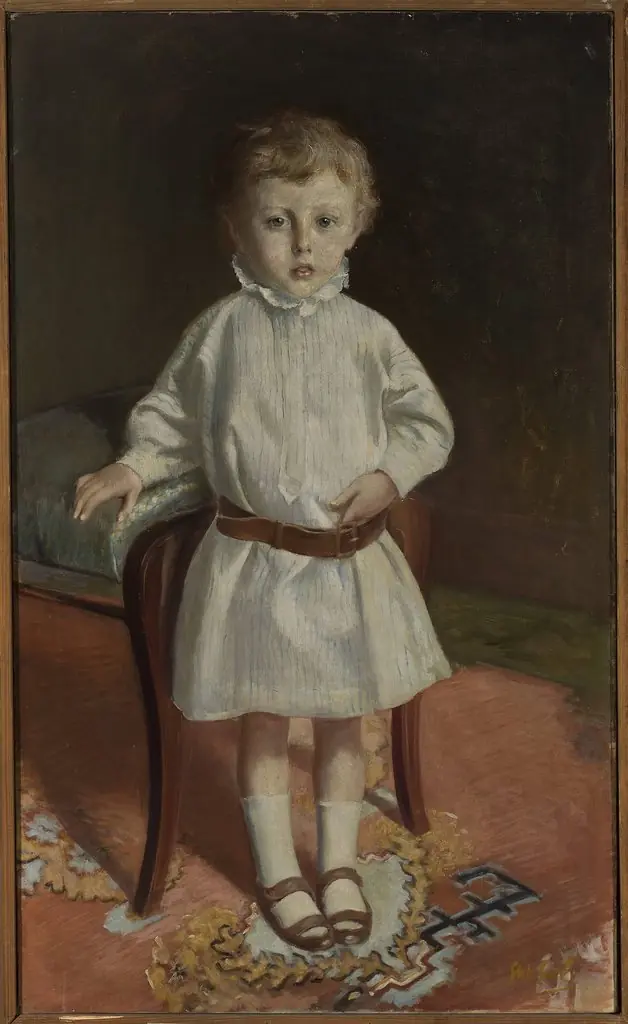 Portrait of a girl
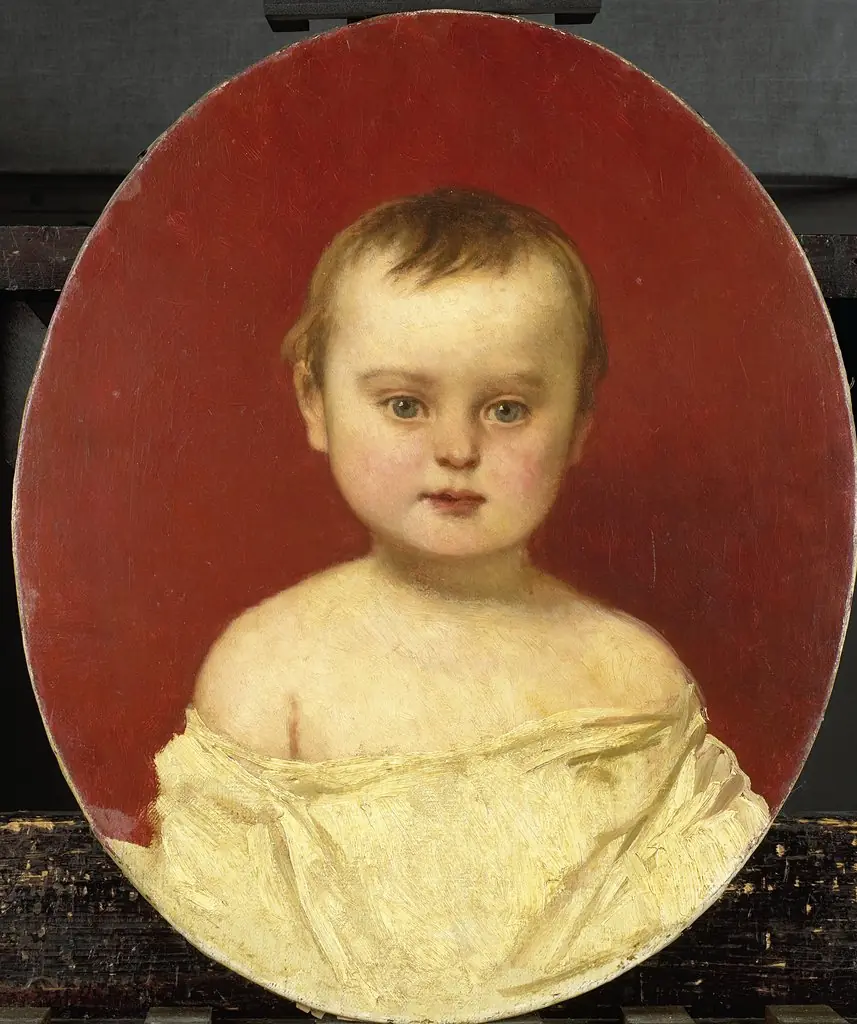 Henri Bernard van der Kolk at age 2
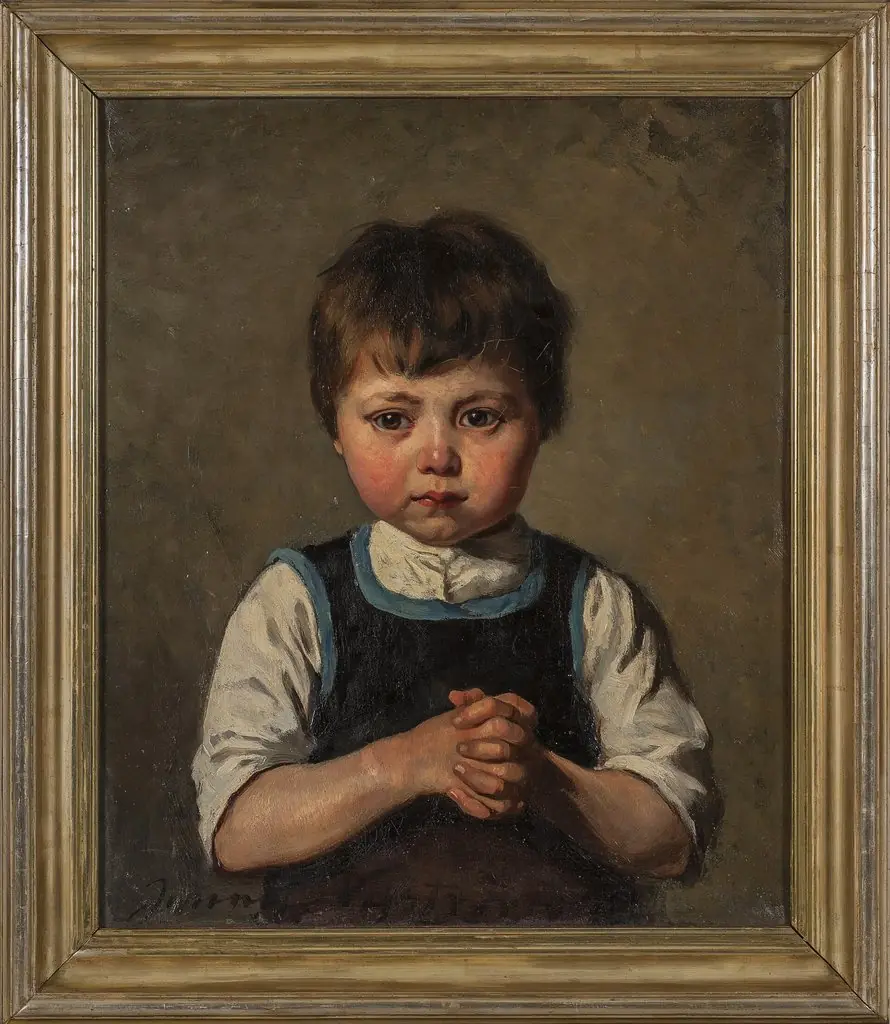 Portrait of a Boy
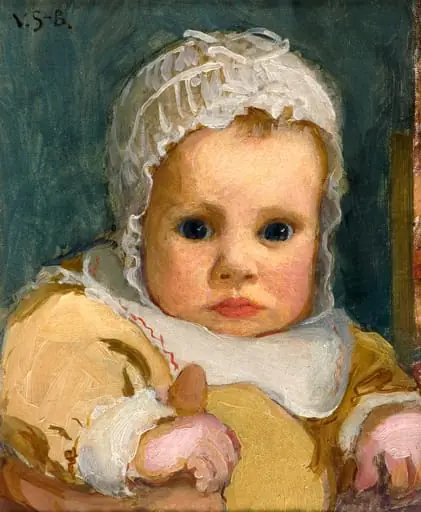 Antti Juhani
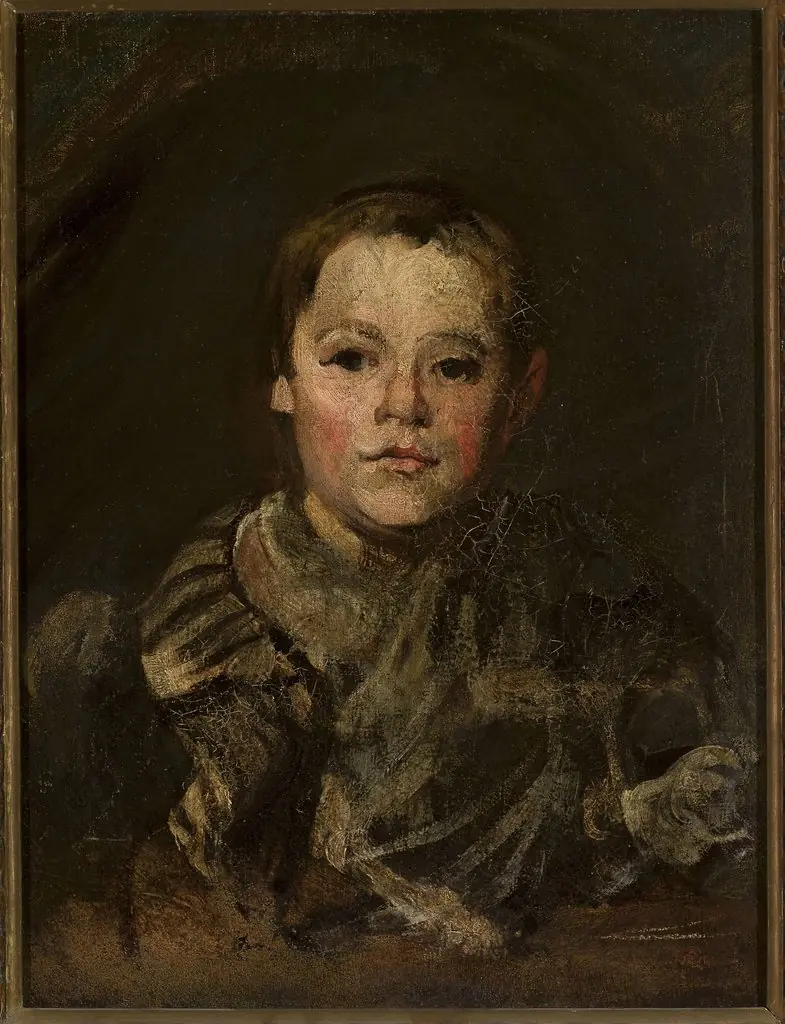 Portrait of the artist’s son
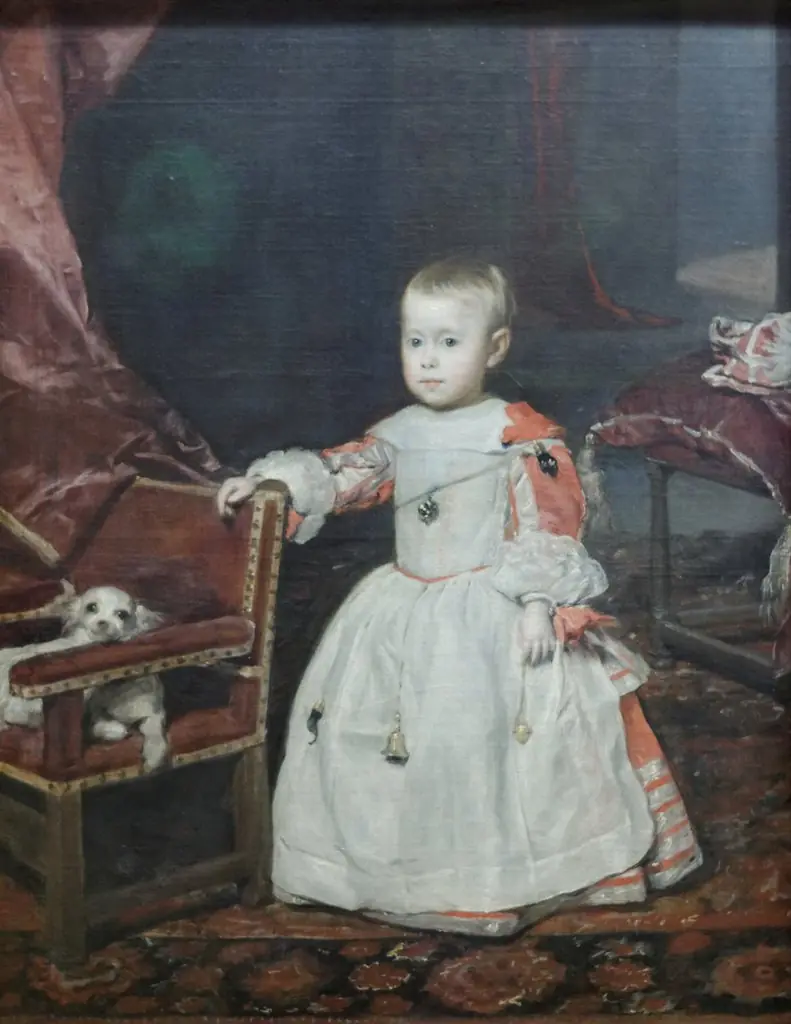 Portrait of Prince Philip Prospero
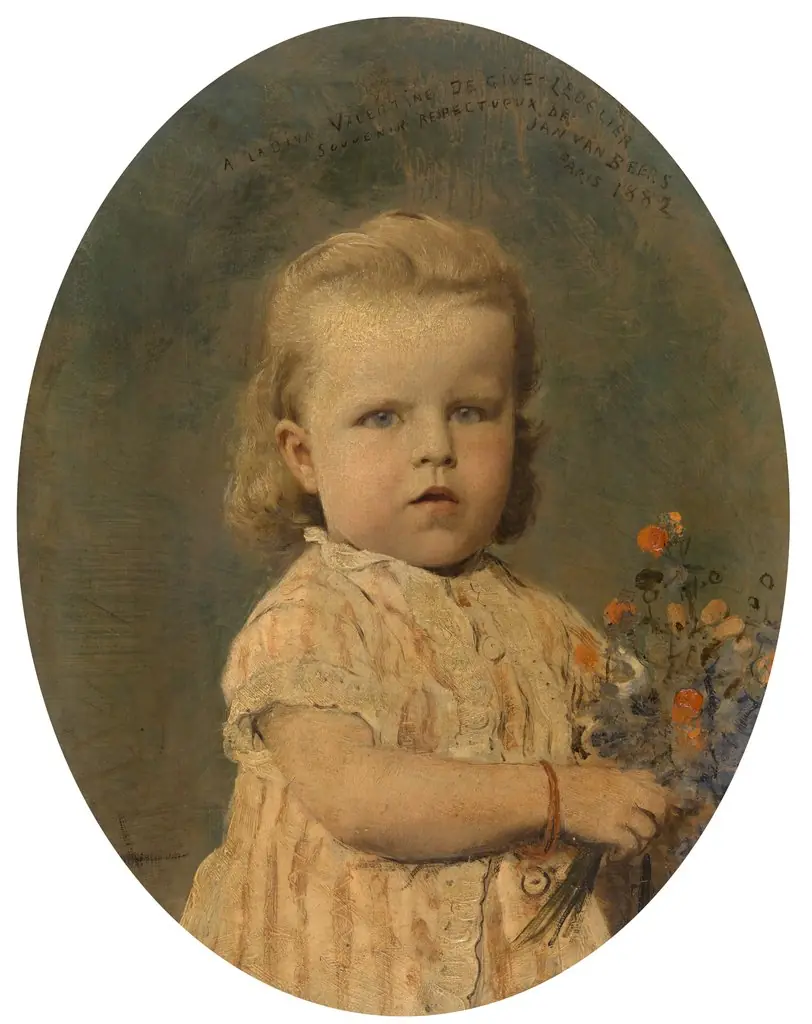 Carolina Amalia LeDelier, daughter of Valentine De Give - leDelier
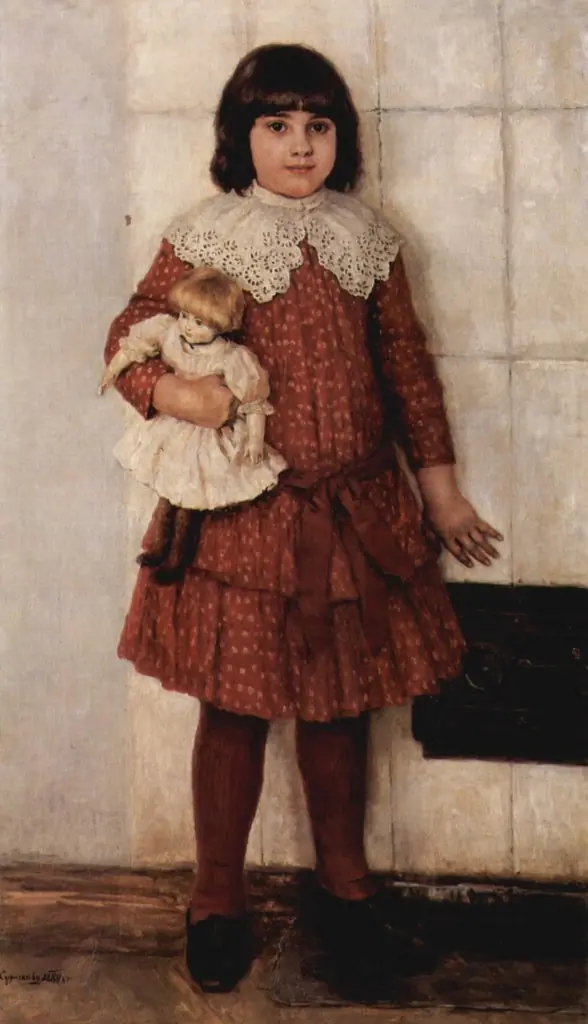 Portrait of Olga Wassiljewna Surikowa, the artist's daughter (Girl with Doll)