Artwork
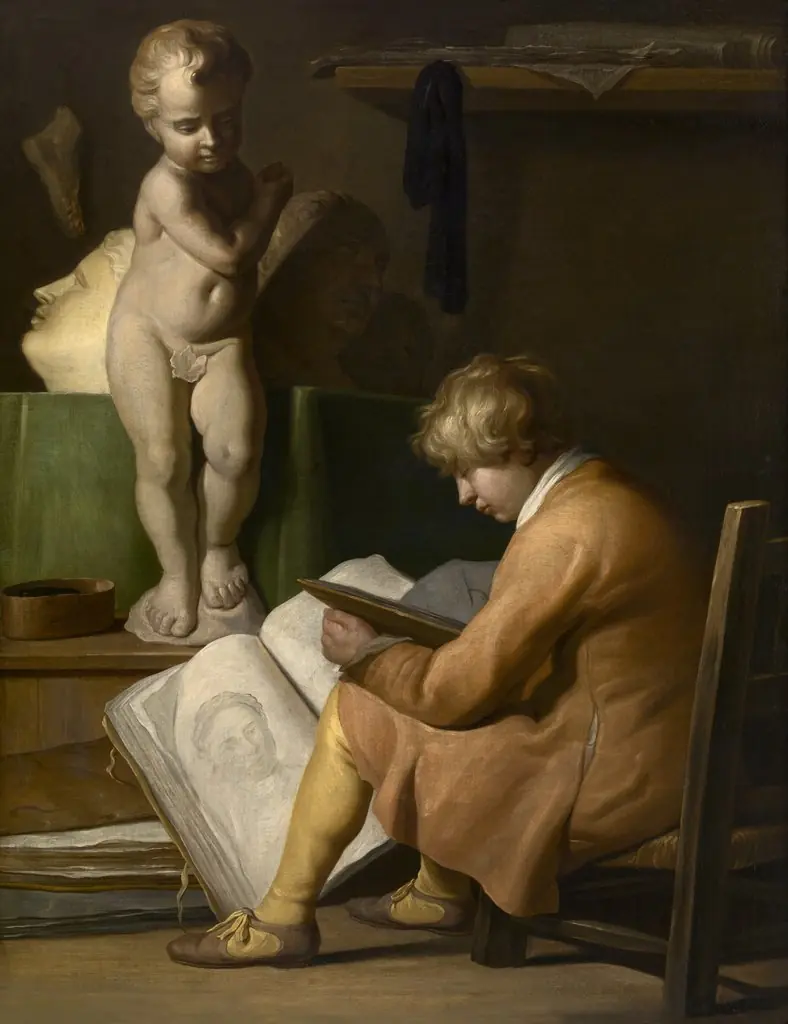
Young Artist with a Statue of Cupid
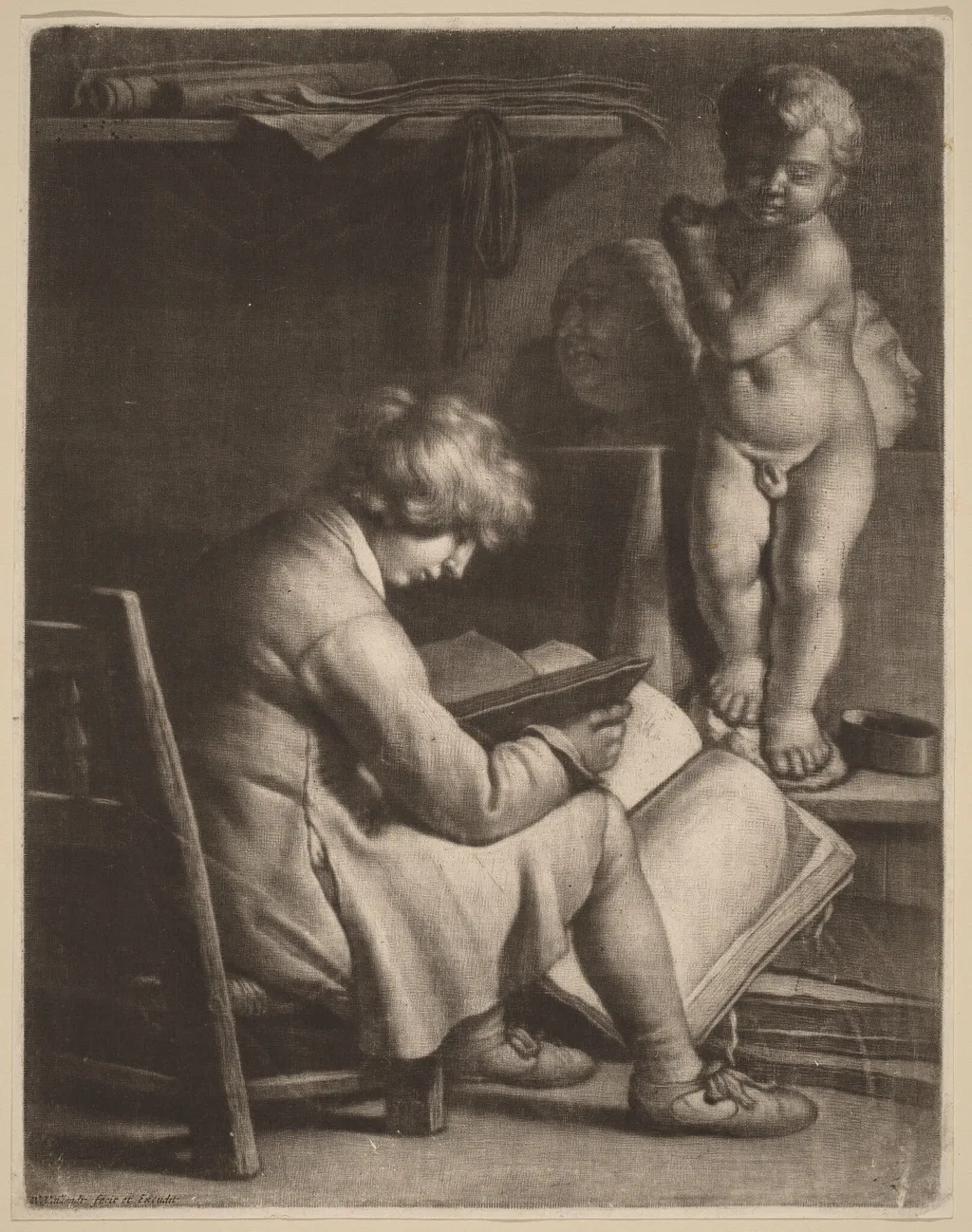
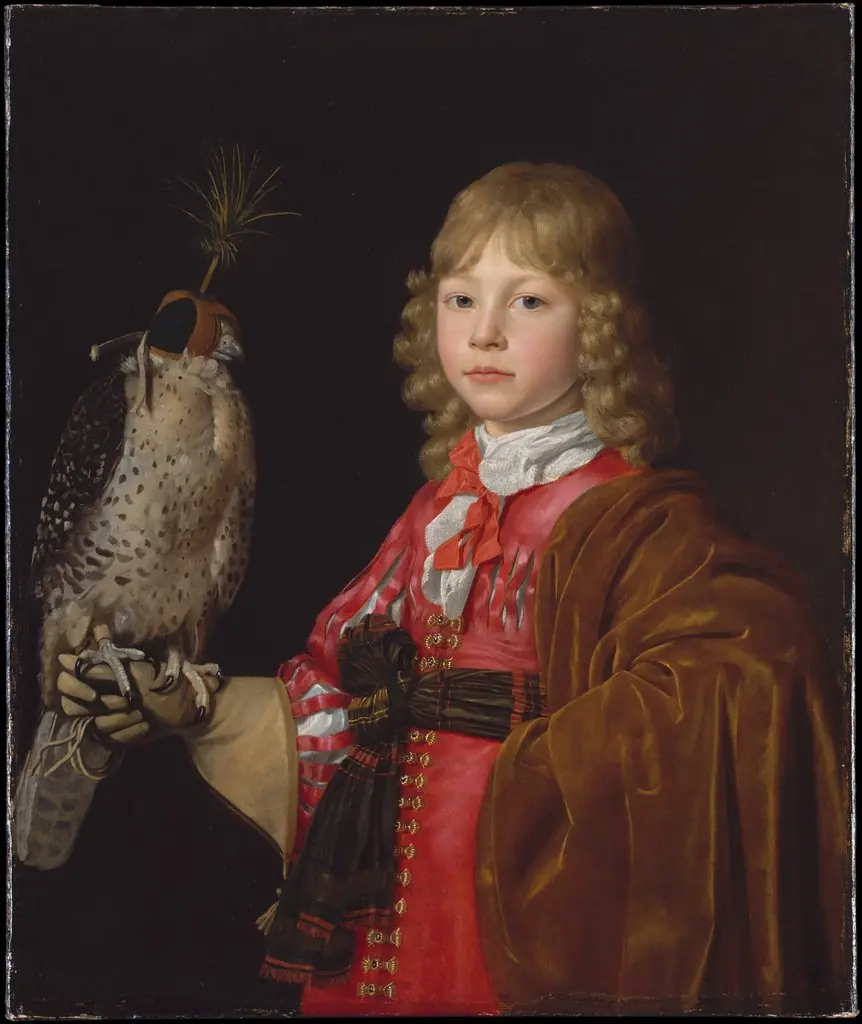
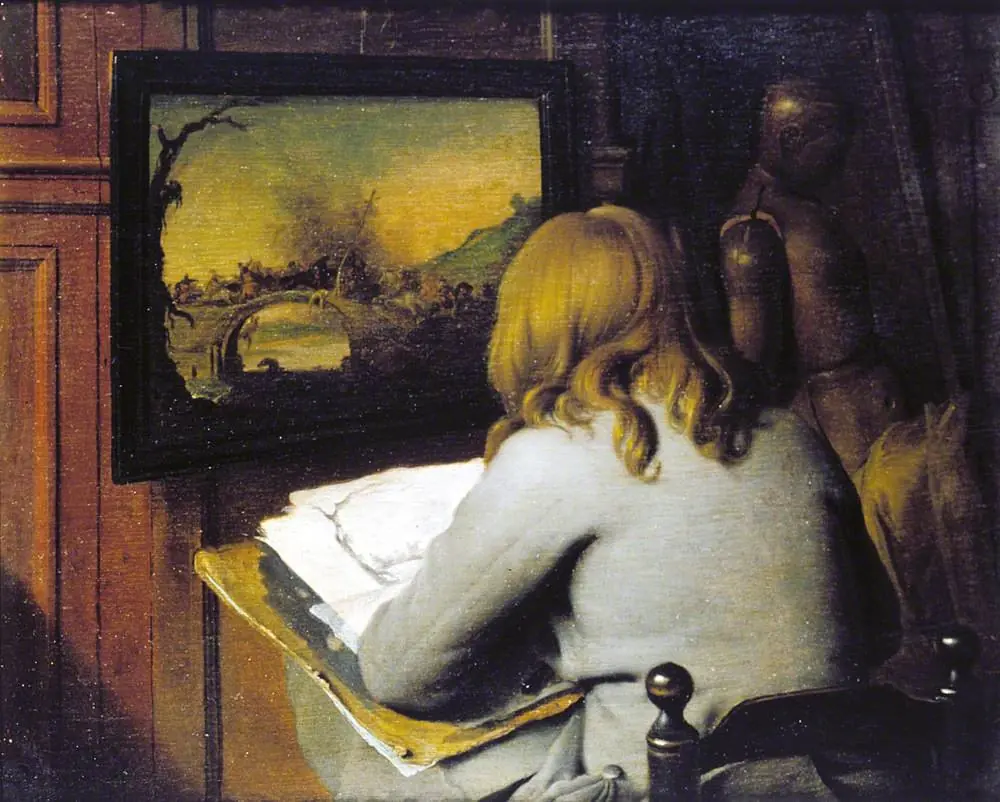
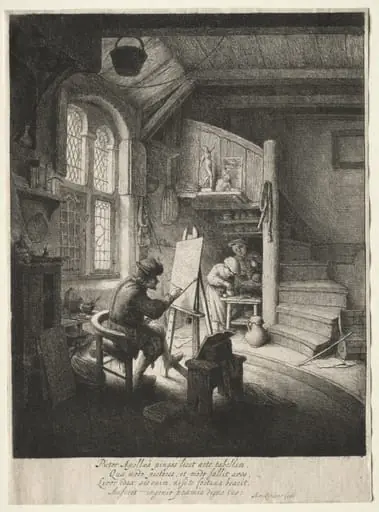
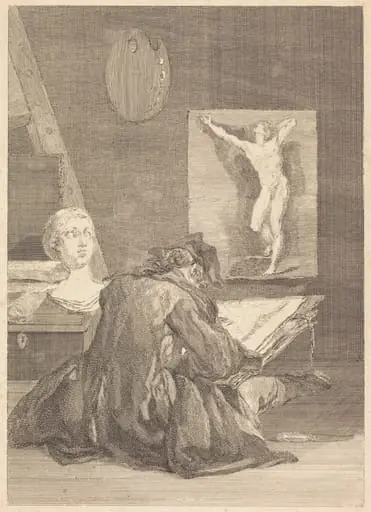
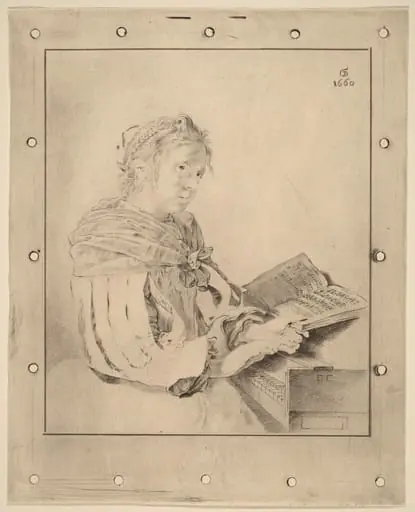
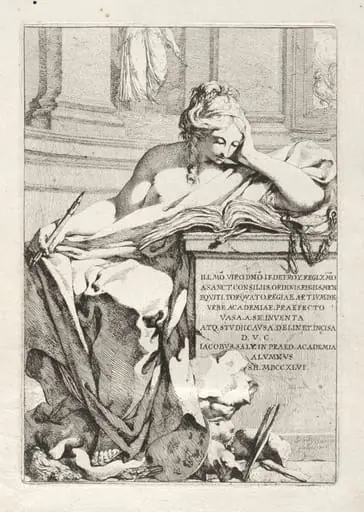
Young Artist with a Statue of Cupid is an ink print by the Baroque artist Wallerant Vaillant. It dates from 1650 and is held in the collection of the National Gallery of Art.
About this work
Overview
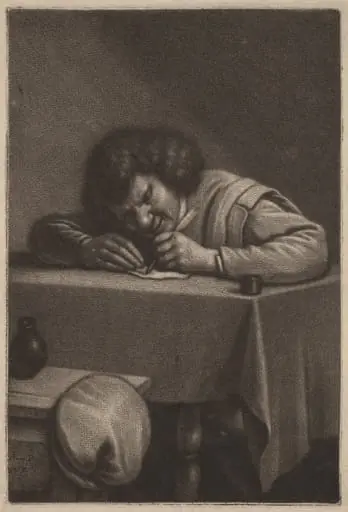
Wallerant Vaillant produced this mezzotint in 1650, one of the earliest known examples of the technique in Dutch printmaking.
Wallerant Vaillant produced this mezzotint in 1650, one of the earliest known examples of the technique in Dutch printmaking. The image captures a young artist at work, illuminated against a dark interior, with a small statue of Cupid standing nearby. Vaillant’s use of mezzotint—known for its rich tonal range—allowed subtle gradations of light and shadow, distinguishing his prints from earlier line-based methods.
Subject & Meaning
The scene portrays a studio moment where the artist’s concentration contrasts with the passive presence of Cupid, the mythological god of desire. The statue, though small and still, suggests the influence of classical ideals on artistic practice. The pairing implies a quiet dialogue between human creativity and timeless inspiration, reflecting 17th-century Dutch interest in allegory and the artist’s role as interpreter of tradition.
Technique & Style
Vaillant employed mezzotint, a process involving roughening a metal plate to hold ink, then smoothing areas to create light. This enabled deep blacks and delicate midtones, ideal for rendering the soft transition from shadow to the illuminated face and hands of the artist. The chiaroscuro effect isolates the figure, enhancing the intimacy of the moment and demonstrating the medium’s capacity for atmospheric depth.
History & Provenance
Vaillant, originally a portrait painter, turned to printmaking in the 1640s and became an early adopter of mezzotint, possibly introducing it to the Netherlands. This print is among his earliest works in the medium and helped establish its popularity. While its early ownership is undocumented, it circulated among collectors interested in technical innovation and portraiture.
Context
In mid-17th-century Holland, printmaking flourished as a means of disseminating images beyond elite circles. Artists increasingly explored themes of creativity and self-reflection. Vaillant’s focus on the artist at work, paired with classical imagery, aligned with broader cultural trends that elevated the profession of the artist and linked it to intellectual and mythological traditions.
Legacy
Vaillant’s mezzotints, including this one, influenced later printmakers in England and the Continent, where the technique became widely adopted for portraiture. His work demonstrated that printmaking could achieve the tonal richness previously reserved for painting. Though less celebrated than his contemporaries, his technical contributions helped redefine the expressive potential of the medium.
Artist & collection
Artist
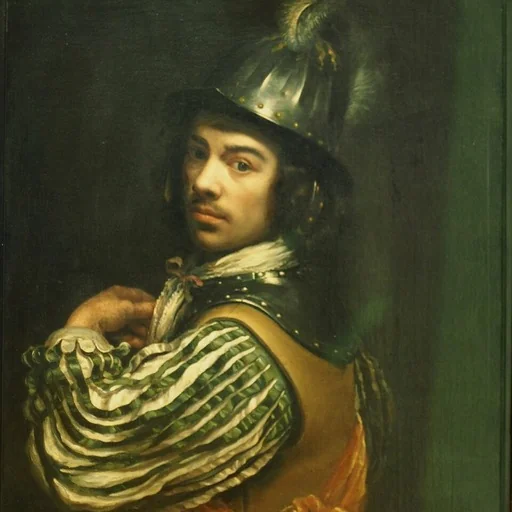
Wallerant Vaillant (30 May 1623 – 28 August 1677) was a painter of the Dutch Golden Age and one of the first artists to use the mezzotint technique, which he probably helped to develop.