Artwork
Samson
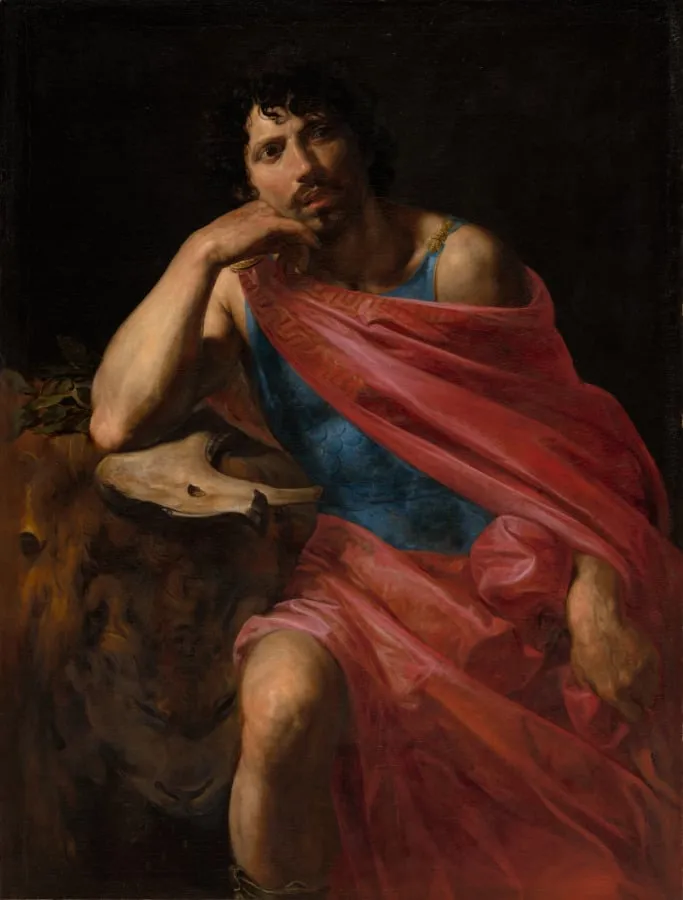
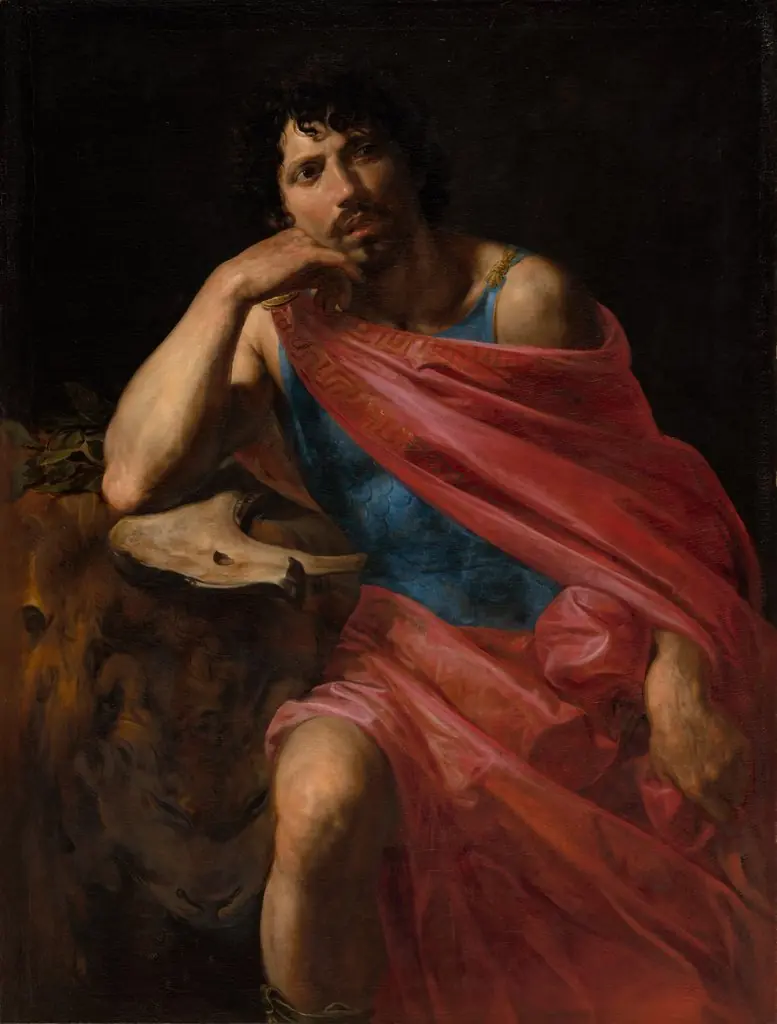
Samson is an unspecified painting by the Baroque artist Valentin de Boulogne. It dates from 1630 and is held in the collection of the Cleveland Museum of Art.
About this work
Overview
This painting depicts the Old Testament figure Samson in a contemplative pose, surrounded by symbols of his heroic deeds. The work was commissioned by the Barberini family in Rome around 1630.
Subject & Meaning
Samson is shown in a pensive state, with a lion skin and a donkey’s jawbone on the table, alluding to his feats of killing a lion with his bare hands and defeating a thousand Philistines. These elements reflect his complex character, balancing strength with introspection.
Technique & Style
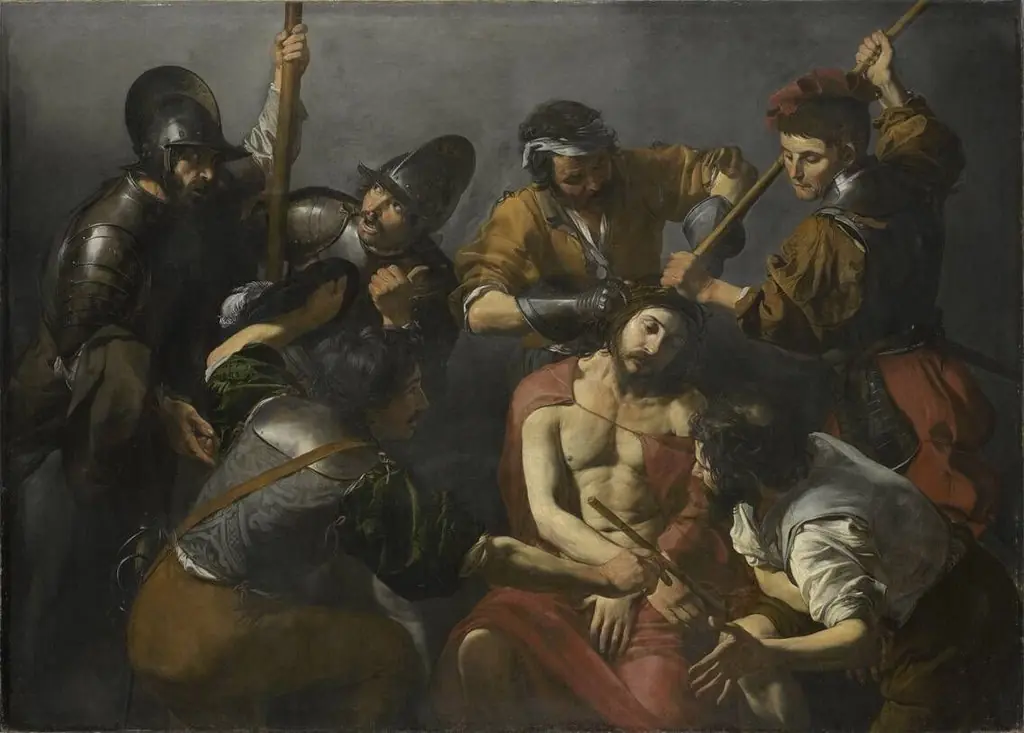
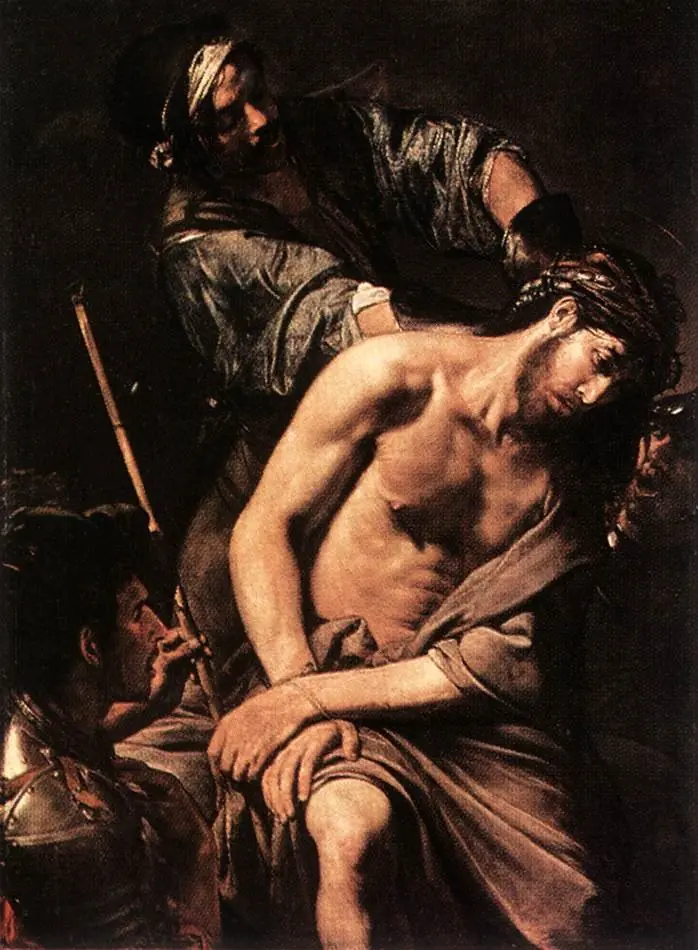
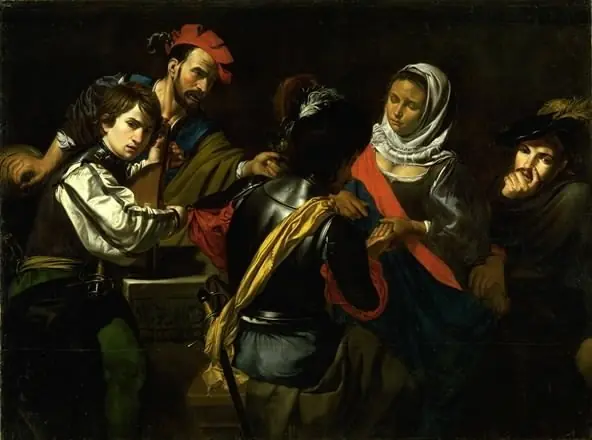
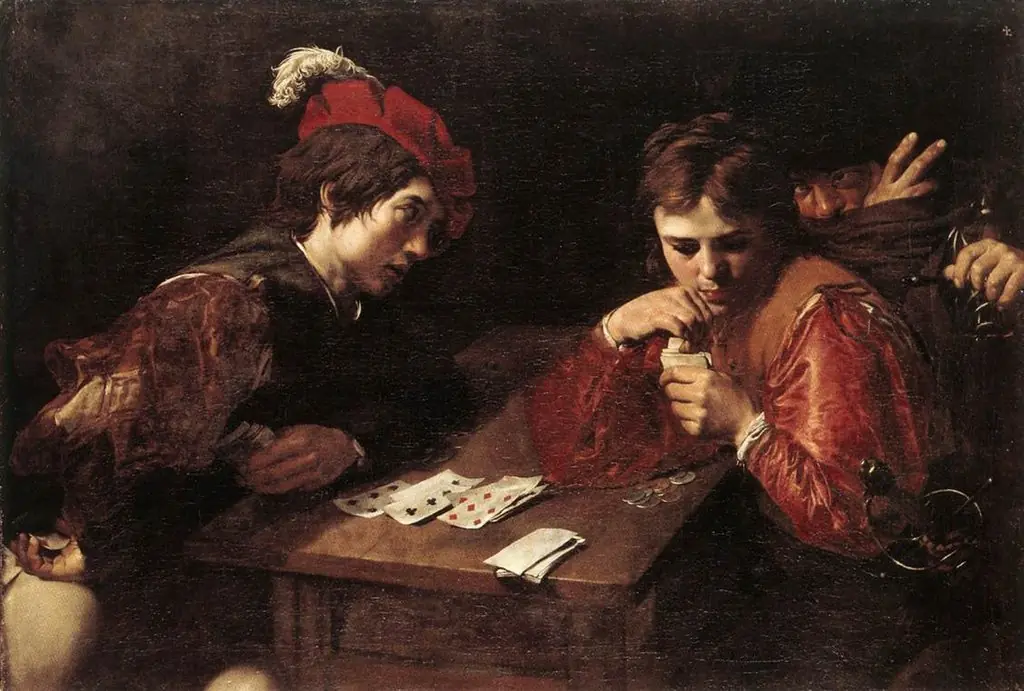
The painting utilizes chiaroscuro, evident in the play of dim light on Samson’s slumped figure and the glint of his armor, creating a sense of depth and emotional nuance.
History & Provenance
Commissioned by the Barberini family circa 1630, this canvas was designed as a pendant to Valentin’s earlier work, *David victorious with the head of Goliath*, created for the same patrons in 1627.
Context
Painted during Valentin’s time in Rome, the piece incorporates the Barberini family emblem—a clasp in the form of two bees on Samson’s cuirass—highlighting the patronage and artistic trends of the period.
Artist & collection
Artist
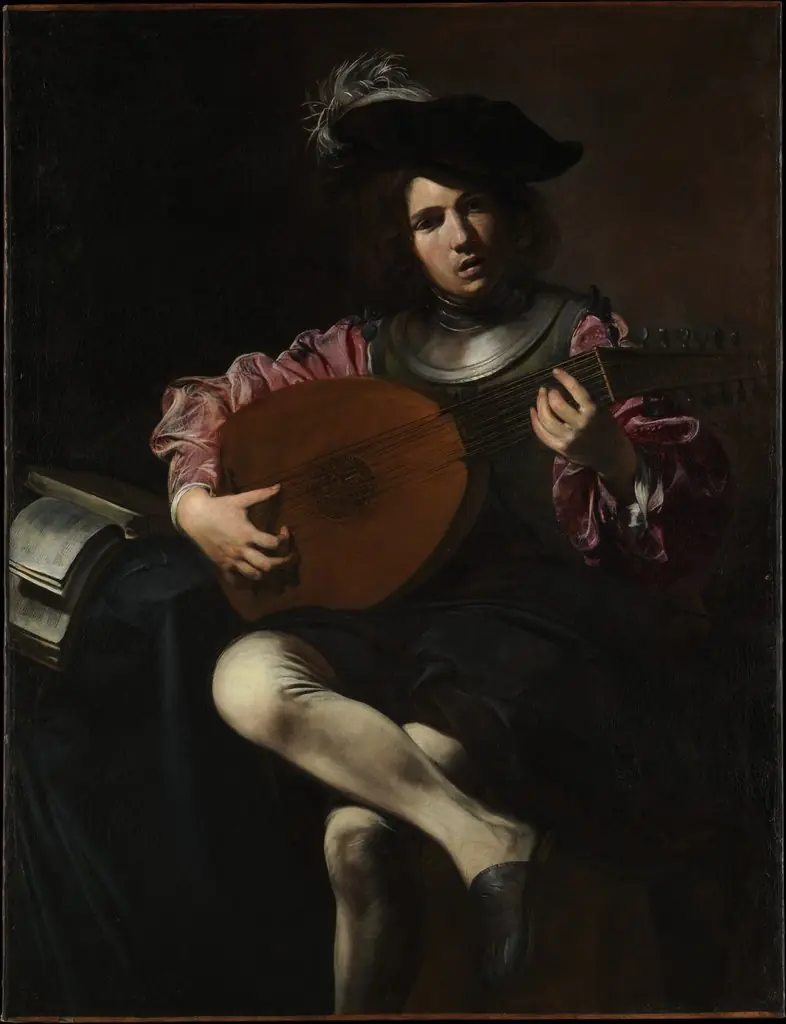
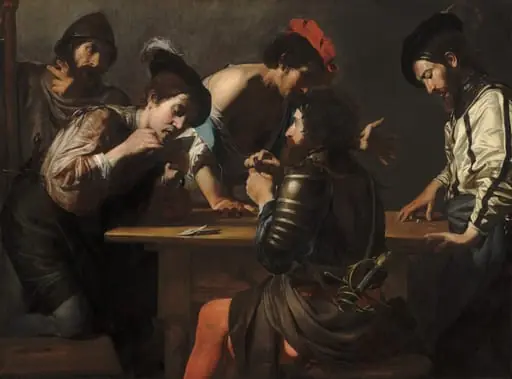
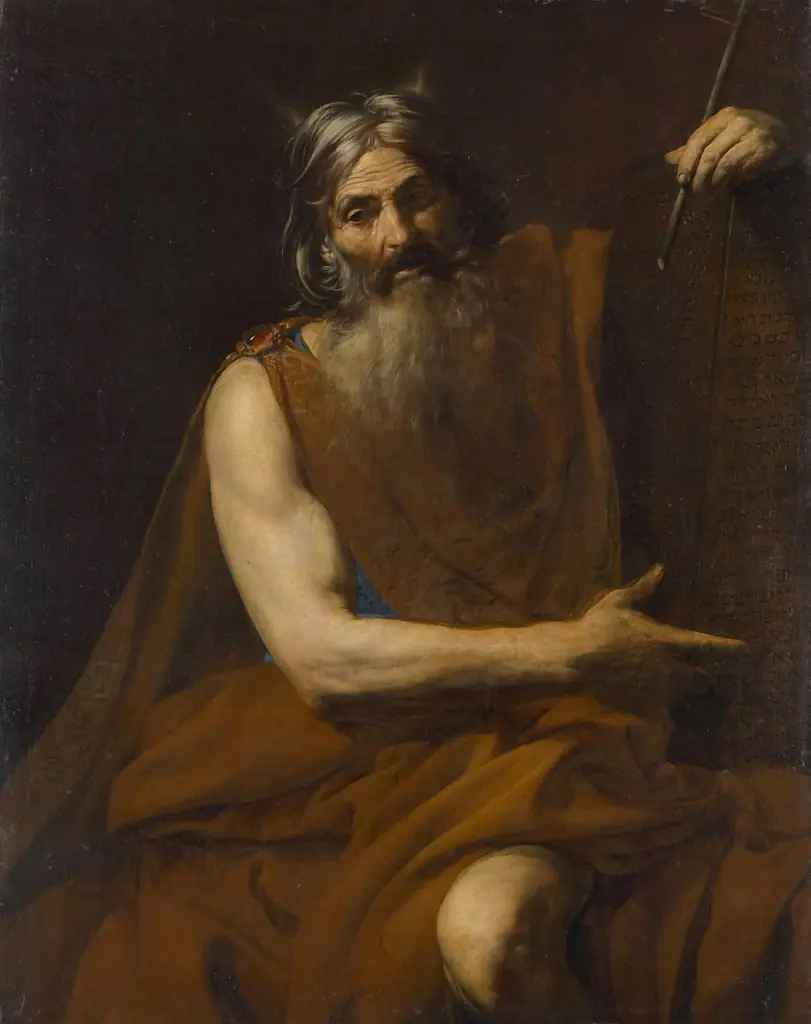
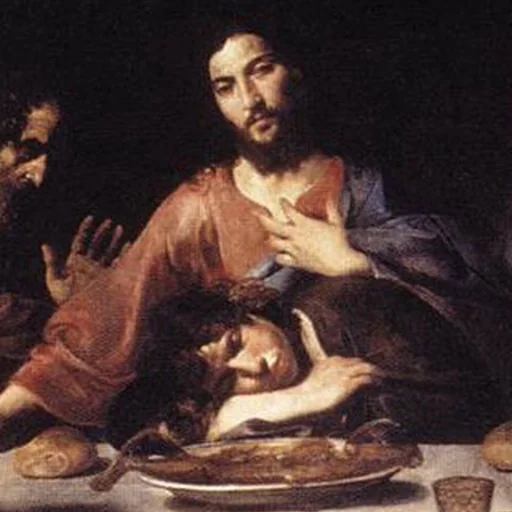
Valentin de Boulogne (before 3 January 1591 – 19 August 1632), sometimes referred to as Le Valentin, was a French painter in the tenebrist style.