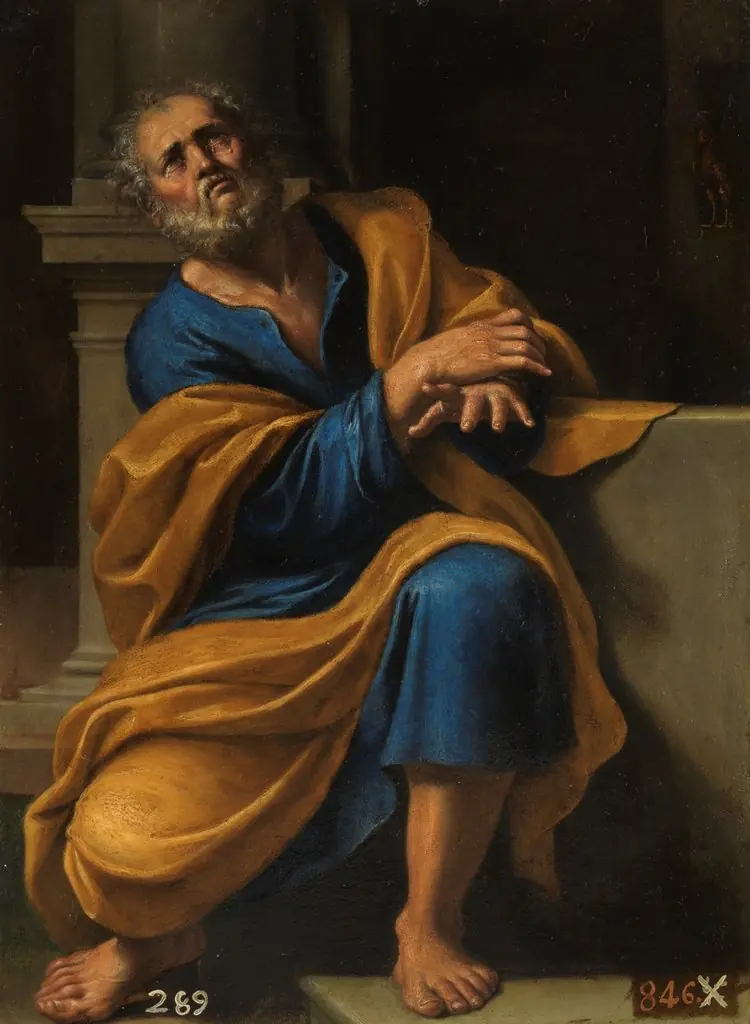
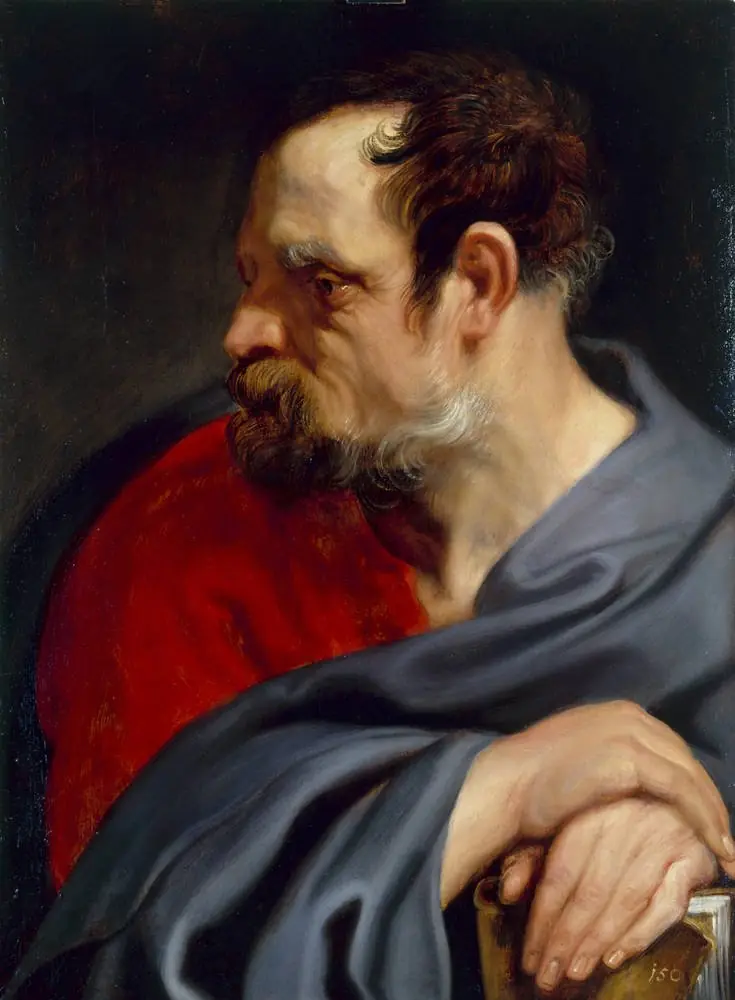
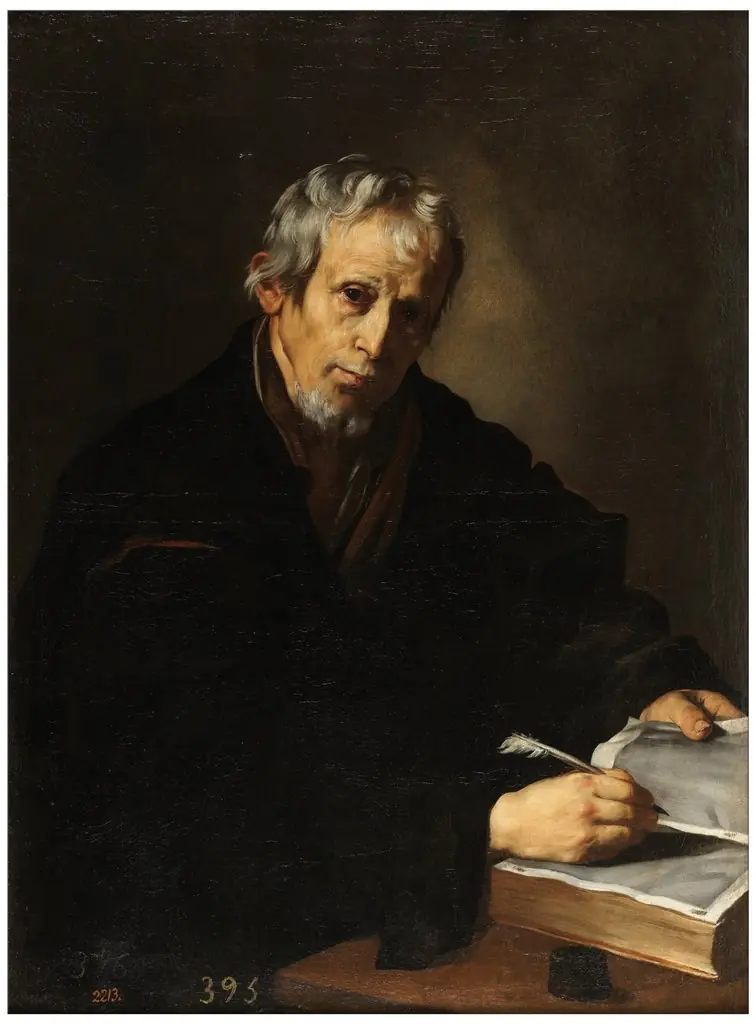
Artwork
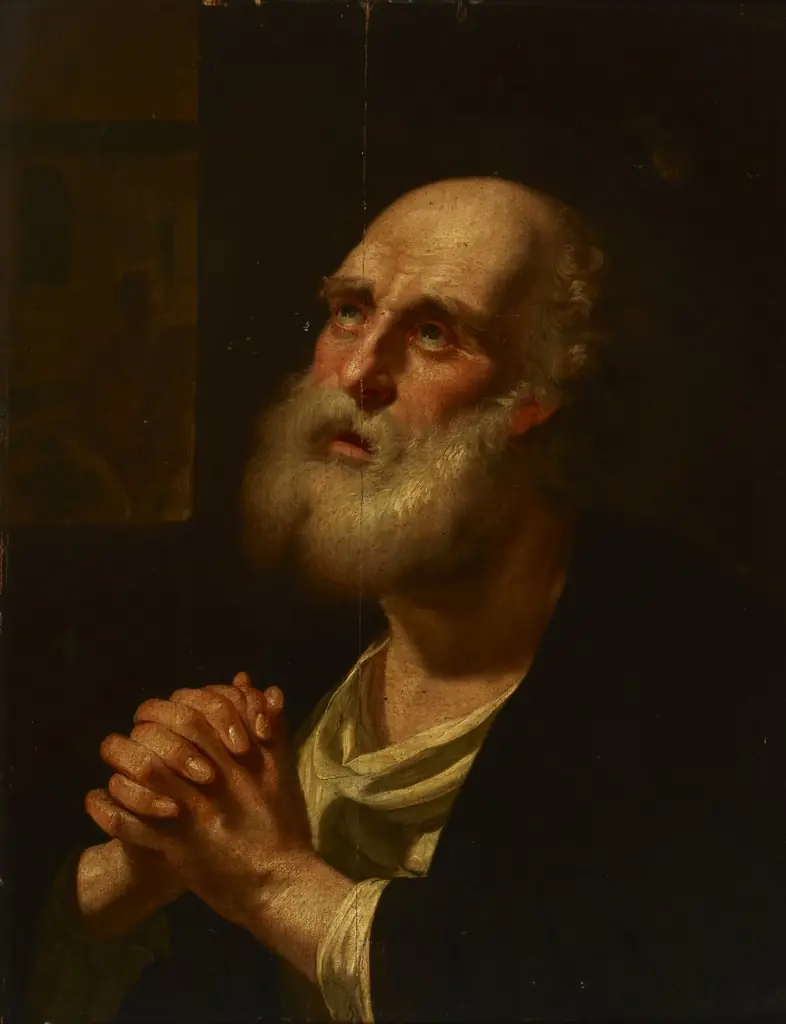
Peter repentant
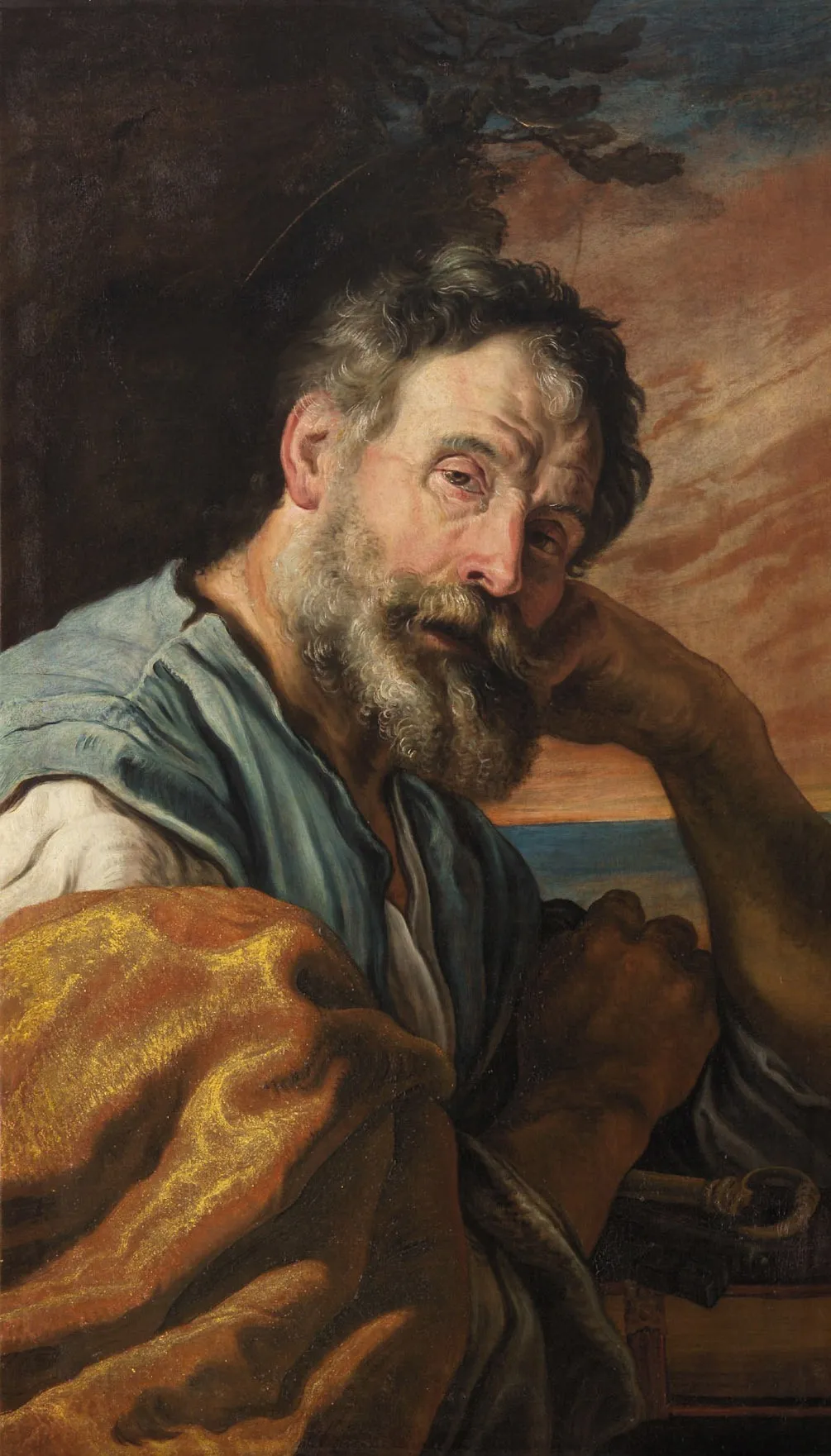
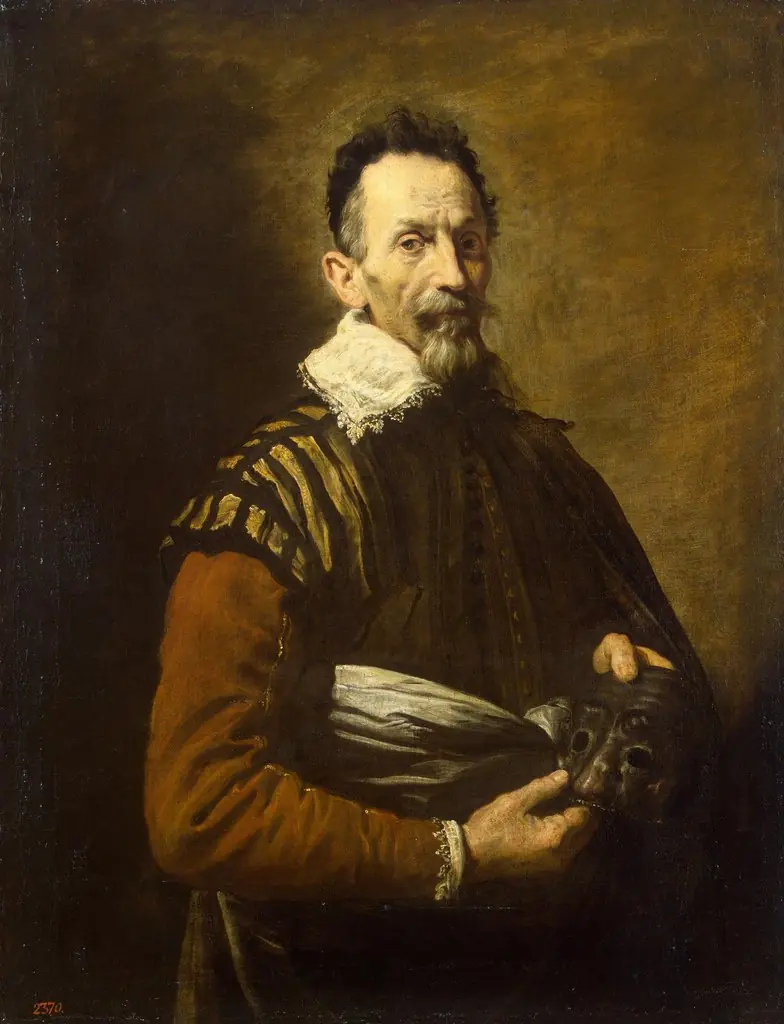
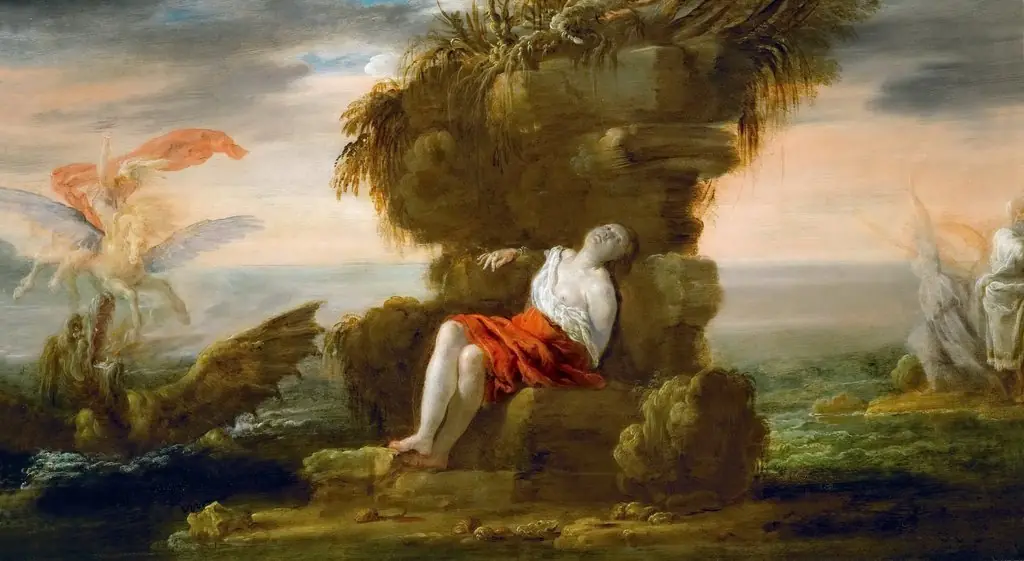
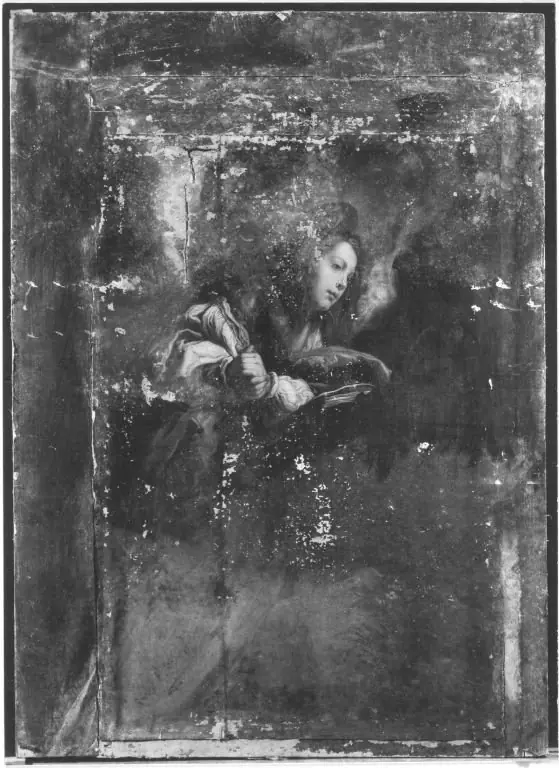
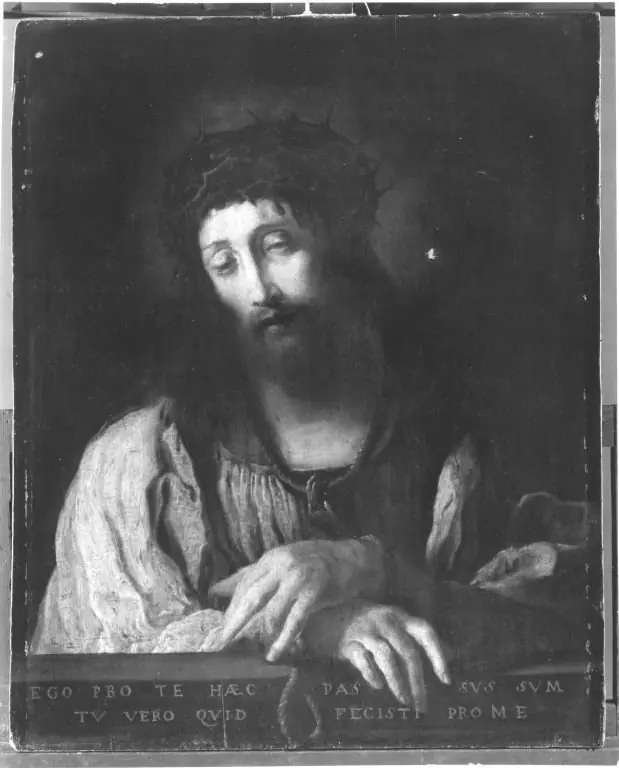
Peter repentant is an oil painting by the Early Baroque Italian artist Domenico Fetti. It dates from 1613 and is held in the collection of the Kunsthistorisches Museum.
About this work
Overview
Painted in 1613 by Domenico Fetti, this oil-on-canvas work portrays the apostle Peter in a moment of quiet remorse. Created during Fetti’s early career, the piece reflects the emotional intensity characteristic of early Baroque religious art. It is part of the permanent collection at the Kunsthistorisches Museum in Vienna, where it has remained since the 17th century.
Subject & Meaning
The painting captures Peter after his denial of Christ, a moment of profound personal failure. His bowed head, hand pressed to his face, and downcast gaze convey inner anguish. The book he holds may symbolize the Gospels or his role as a foundational figure of the Church, underscoring the tension between human weakness and spiritual responsibility.
Technique & Style
Fetti employs chiaroscuro to model Peter’s form, using soft transitions between light and shadow to emphasize his emotional state. The blue robe, rendered with subtle tonal shifts, contrasts against the muted, earthy background. Brushwork is restrained yet expressive, avoiding theatricality in favor of psychological realism, a hallmark of Fetti’s Venetian-influenced style.
History & Provenance
Commissioned during Fetti’s time in Mantua, the painting entered the Habsburg collection before 1620. It was likely acquired by Emperor Ferdinand II, who supported artists aligned with Counter-Reformation ideals. The work has remained in imperial collections since, eventually finding its place in the Kunsthistorisches Museum’s holdings without significant interruption.
Context
Created amid the Catholic Church’s efforts to renew spiritual devotion, the image of Peter’s repentance served as a model of contrition. Fetti’s approach, influenced by Caravaggio’s naturalism and Venetian colorism, offered a humanized vision of sacred figures—distinct from idealized Renaissance depictions and aligned with contemporary devotional needs.
Legacy
Though not widely reproduced, the painting exemplifies Fetti’s contribution to Baroque religious portraiture. Its quiet intensity influenced later artists seeking to convey inner turmoil without overt drama. It remains a key example of how early Baroque painters fused psychological depth with religious narrative in a restrained, intimate manner.
Artist & collection
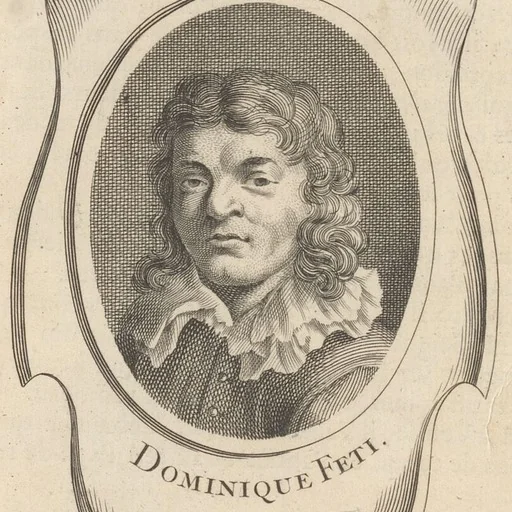
Artist
Domenico Fetti (also spelled Feti) (c. 1589 – 16 April 1623) was an Italian Baroque painter who was active mainly in Rome, Mantua and Venice.