Artwork
Portrait of Christine of Lorraine
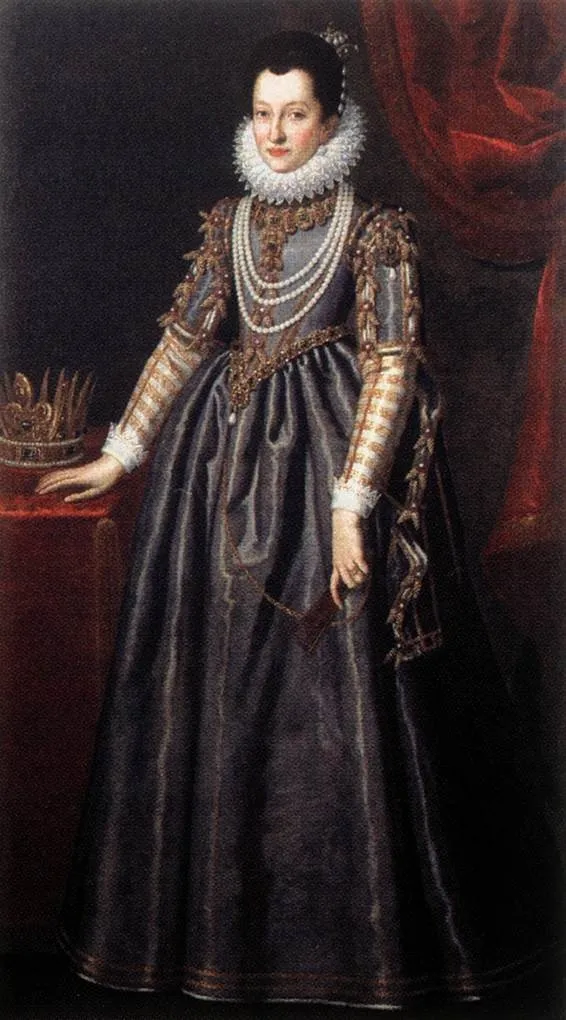
Portrait of Christine of Lorraine is an unspecified painting by the Early Baroque Italian artist Valore Casini. It dates from 1650 and is held in the collection of the Uffizi Gallery.
About this work
Overview
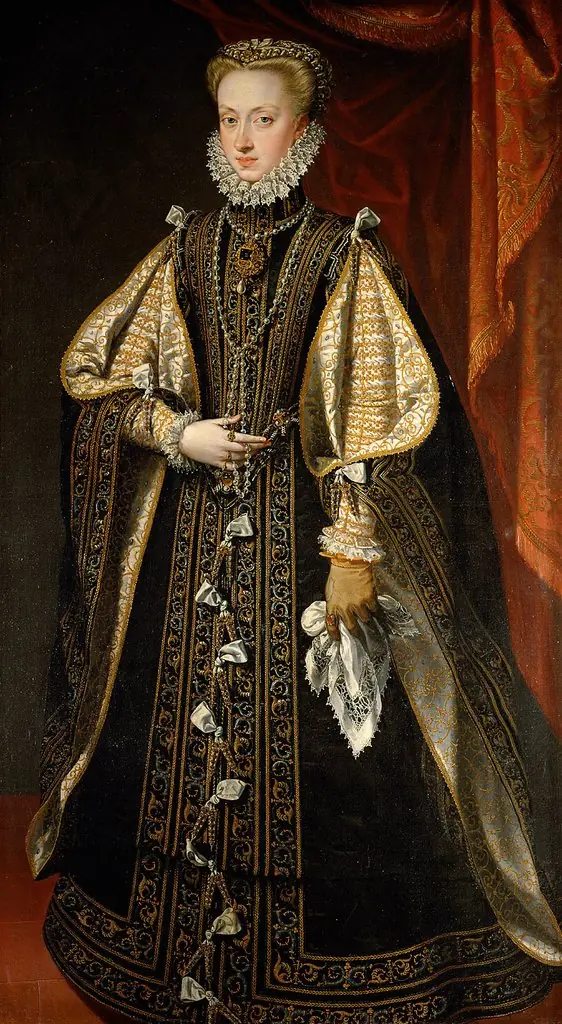
Valore Casini’s mid‑17th‑century portrait presents a seated woman, rendered with a restrained palette of deep blacks and rich reds. The composition places her against a shadowed backdrop, while a crimson curtain and a small table bearing a crown occupy the left side. The work is part of the Uffizi Gallery’s collection and exemplifies the period’s focus on individual likeness and status.
Subject & Meaning
The sitter is identified as Christine of Lorraine, a noblewoman whose attire signals considerable wealth. She wears a sumptuous dark gown embroidered with gold thread, a white ruffled collar, and multiple strands of pearls around her neck. The presence of a crown on the nearby table alludes to her aristocratic rank and possibly her role within a dynastic marriage alliance.
Technique & Style
Casini employs chiaroscuro to model the figure, using strong contrasts between illuminated flesh and the surrounding darkness.
Casini employs chiaroscuro to model the figure, using strong contrasts between illuminated flesh and the surrounding darkness. The delicate rendering of fabric folds and pearl surfaces demonstrates a meticulous handling of oil paint, while the subdued background enhances the three‑dimensional presence of the subject. The overall effect is a restrained yet dramatic portrait typical of mid‑Baroque court painting.
History & Provenance
Created around 1650, the portrait entered the Uffizi’s holdings at an early date, though the exact acquisition path remains undocumented. Its attribution to Valore Casini, a Florentine painter active in the mid‑17th century, is based on stylistic analysis and archival references linking the work to the artist’s known commissions for aristocratic patrons.
Context
During the 1650s, portraiture in Italy often served to affirm political alliances and familial prestige. Christine of Lorraine, as a member of a prominent European house, would have been commemorated in this manner to reinforce her status within the court. The painting’s formal pose, luxurious dress, and symbolic crown reflect contemporary conventions for representing noble identity.
Artist & collection

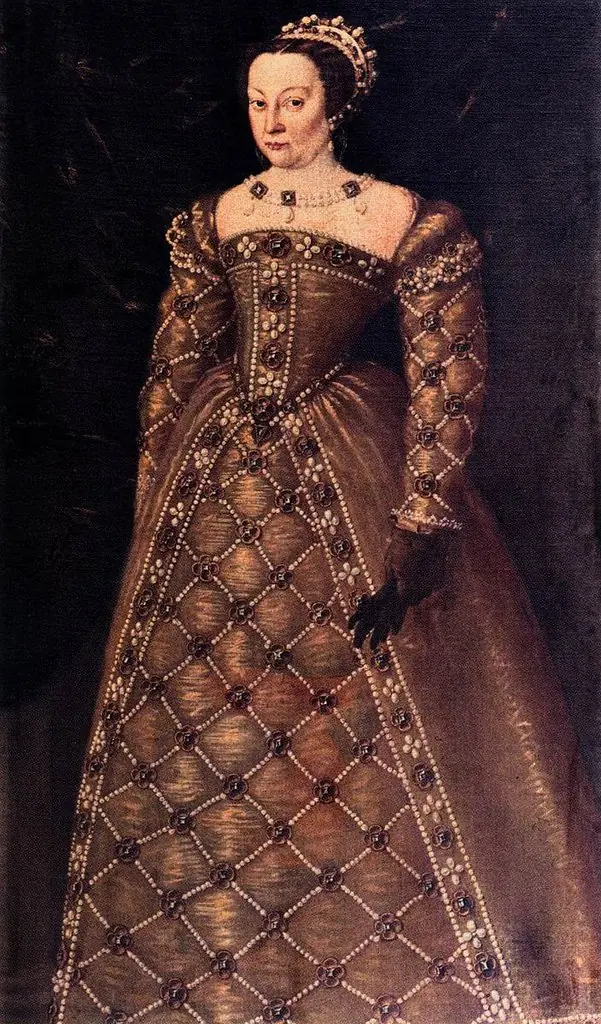 Portrait of Catherine de’ Medici
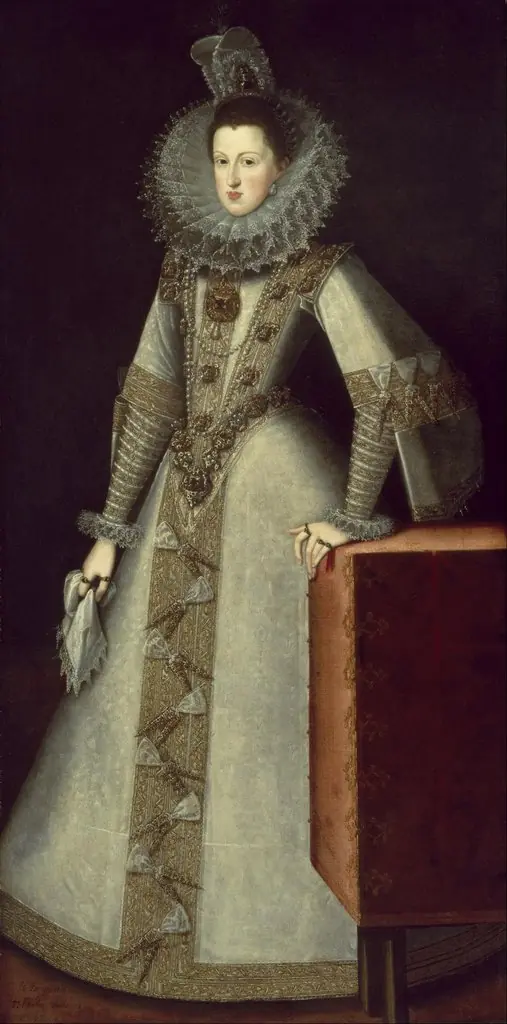 Margaret of Austria, Queen of Spain
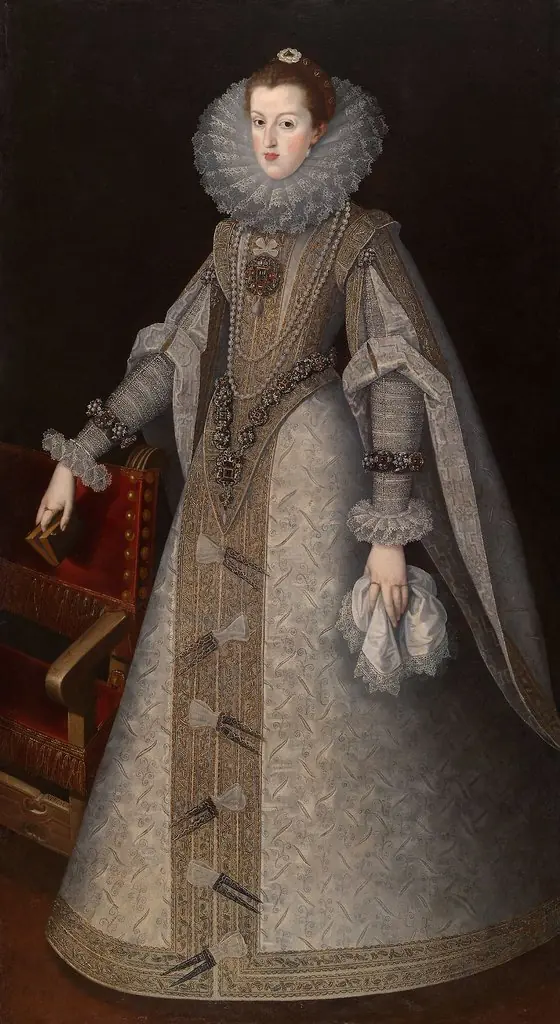 Queen Margaret of Spain
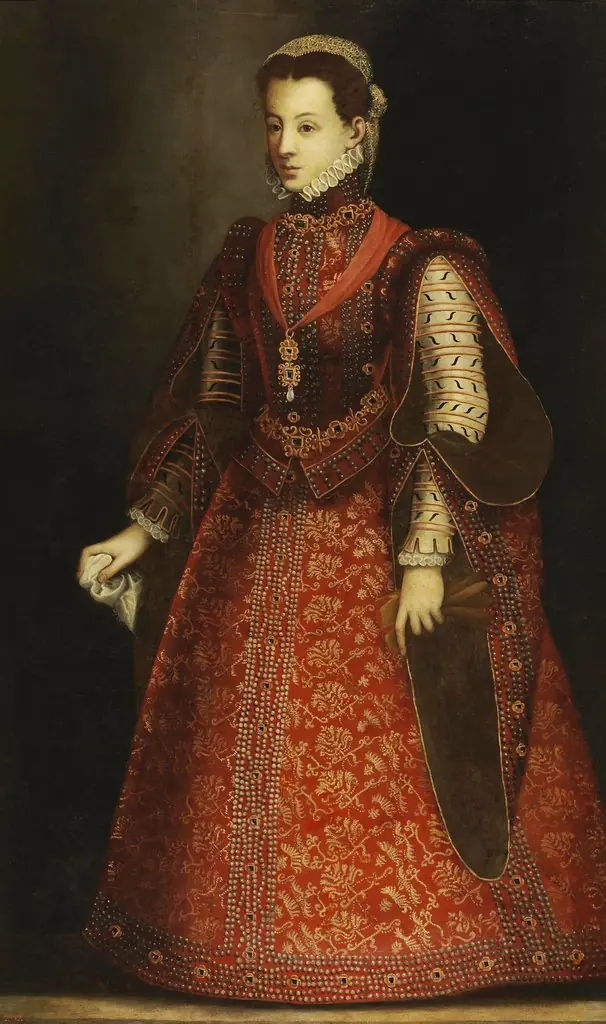 La emperatriz Isabel de Portugal mujer de Carlos V
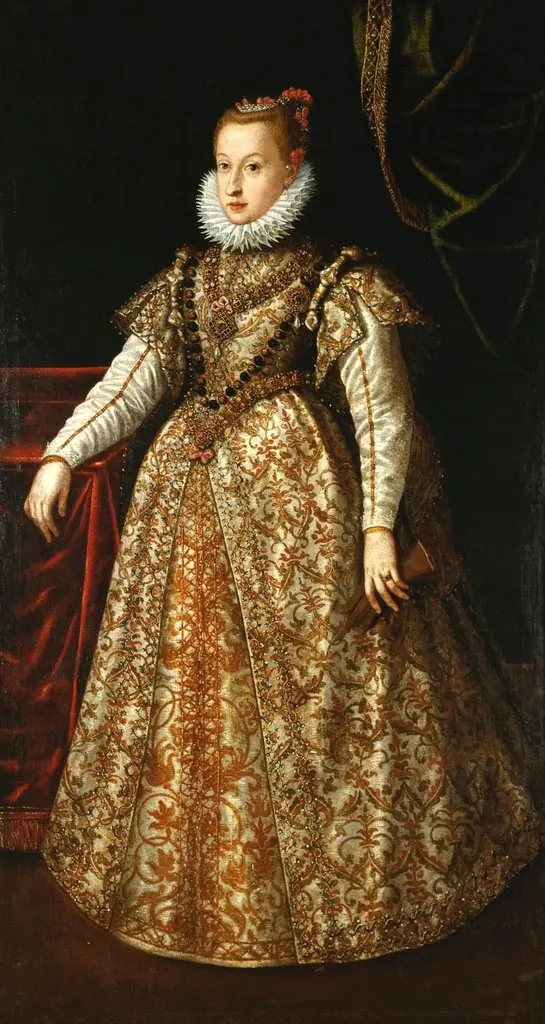 Portrait of Anna Caterina Gonzaga
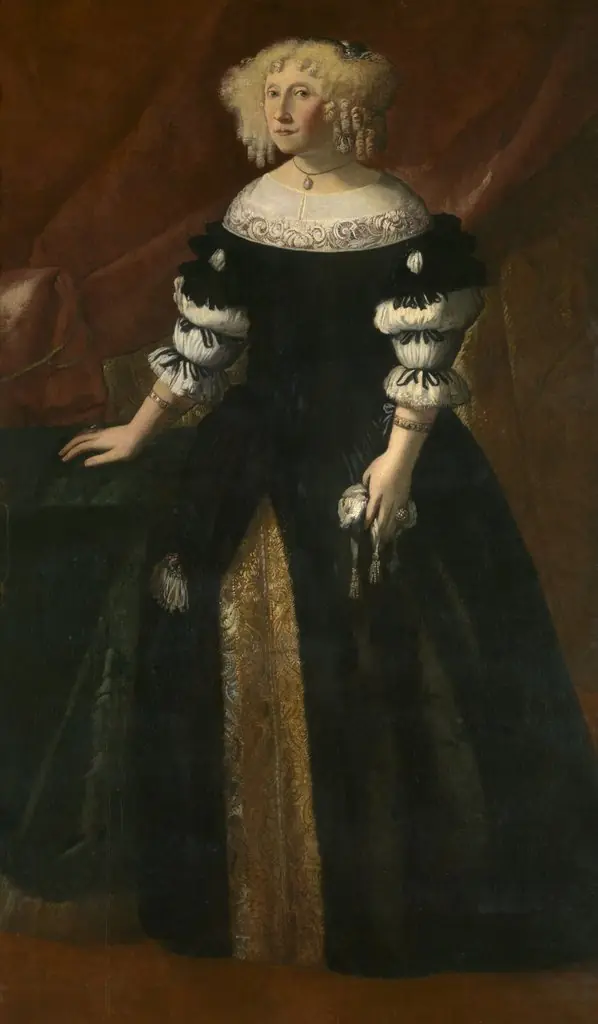 Portrait of a Woman
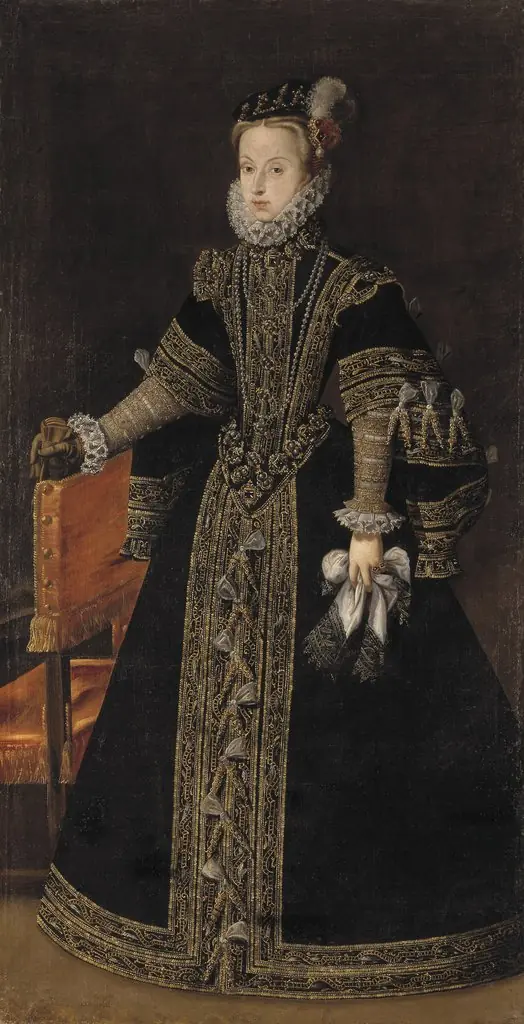 Anna Maria, 1549-1580, ärkehertiginna
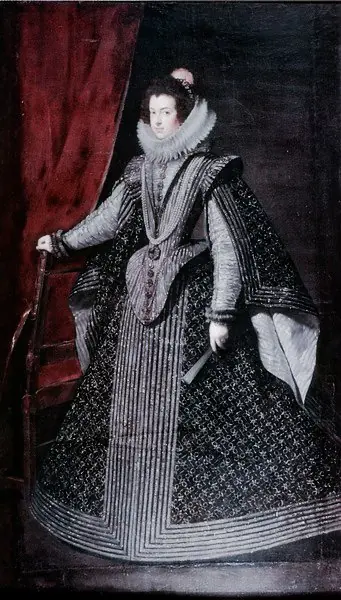 Isabella of Bourbon. First Queen of King Philip IV
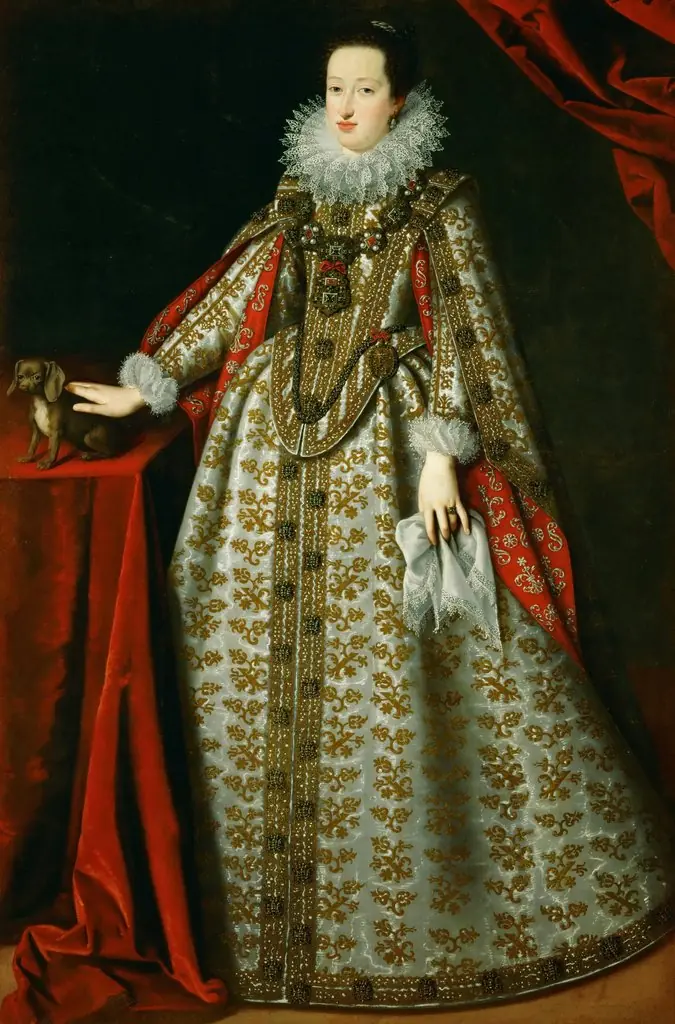 Portrait of Eleonore von Gonzaga (1598-1655), wife of Ferdinand II
 Anna of Austria, Queen of Spain (1549-1580)