Artwork
Pyramids at Giza
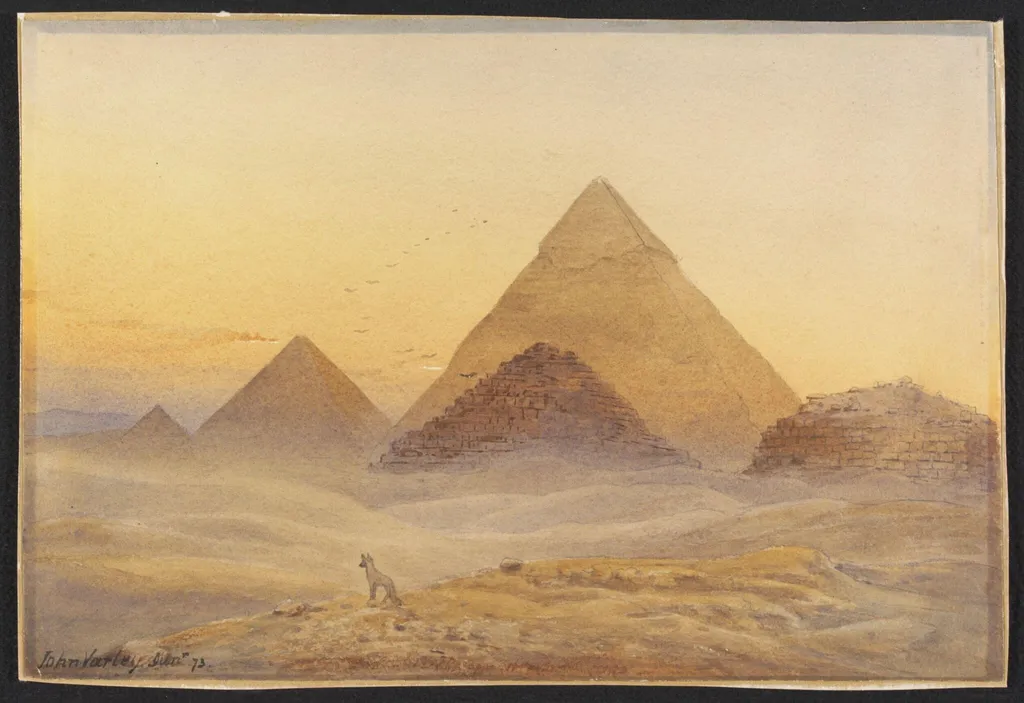
Pyramids at Giza is a watercolor work on paper by the Impressionist artist John Varley. It is held in the collection of the Victoria and Albert Museum.
About this work
Overview
Pyramids at Giza is a watercolour painting created by John Varley in 1873, depicting the iconic Egyptian monuments within a desert landscape.
Subject & Meaning
The painting portrays three pyramids set against a hazy yellow sky, with a small animal in the foreground, conveying the vastness and ancient grandeur of the Giza site.
Technique & Style
Executed in watercolour, the work features soft brushstrokes and a muted colour palette, capturing the subtleties of the desert environment.
History & Provenance
Originally created in 1873, the piece was acquired by Rodney Searight from Holder in April 1979 for £9 and is now part of the Victoria and Albert Museum's collection.
Context
While the Victoria and Albert Museum is noted for its Impressionist and Realist holdings, this piece's style aligns more closely with traditional 19th-century landscape watercolour practices.
Legacy
As a specific work by John Varley, its legacy is more about documenting the artist's engagement with ancient wonders than contributing to a broader art movement like Impressionism.
Own this work as a print
Artist & collection
Artist
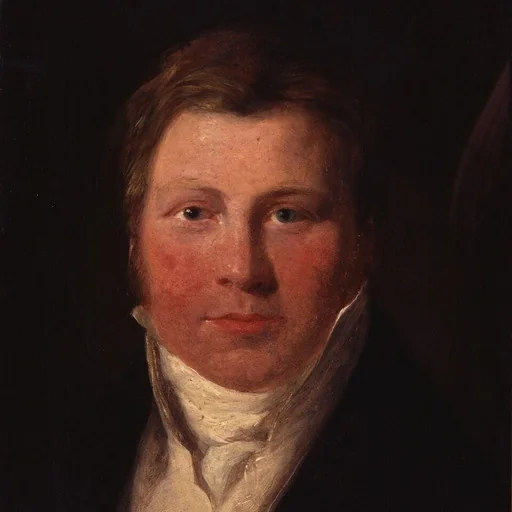
John Varley (17 August 1778 – 17 November 1842) was an English watercolour painter and astrologer, and a close friend of William Blake.

![Study of a Head in Profile [verso], by John Varley](https://artifactworldgallery.com/img/john-varley--study-of-a-head-in-profile-verso--3e16e84b6ceccae1-w320.webp)
![Two Studies of a Figure Holding a Basket [verso], by John Varley](https://artifactworldgallery.com/img/john-varley--two-studies-of-a-figure-holding-a-basket-verso--7e8aaeb3f643e9b3-w320.webp)
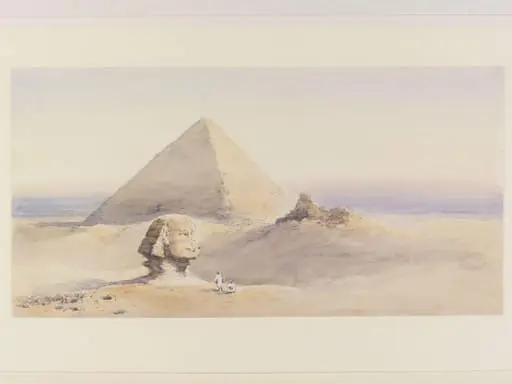 Sphinx & Great Pyramid
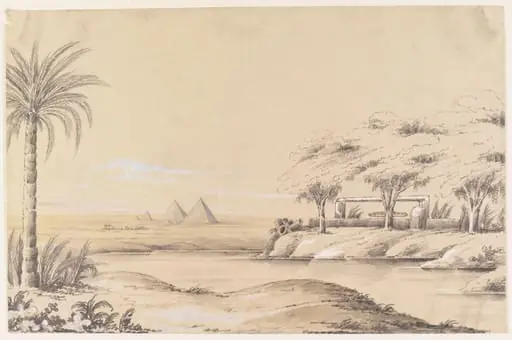 Pyramids of Geezeh. Egypt
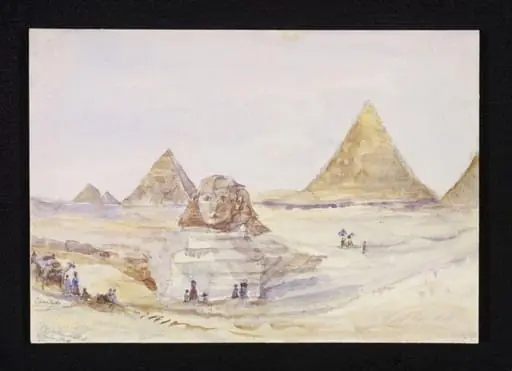 Pyramids and Sphinx
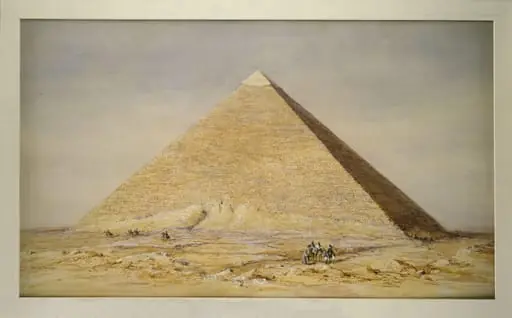 The Second Pyramid, Gizeh
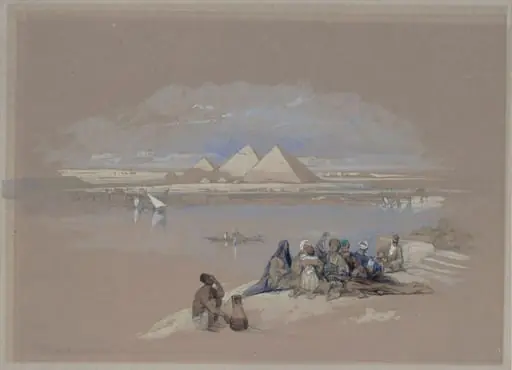 Pyramids of Gizeh from Old Cairo
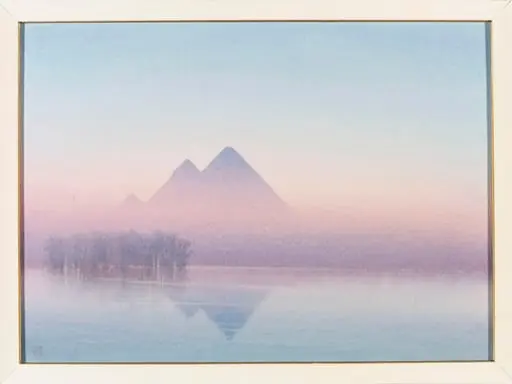 Pyramids At Sunset
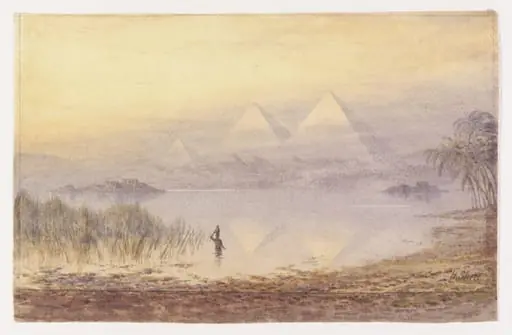 The Pyramids during the Nile Flood
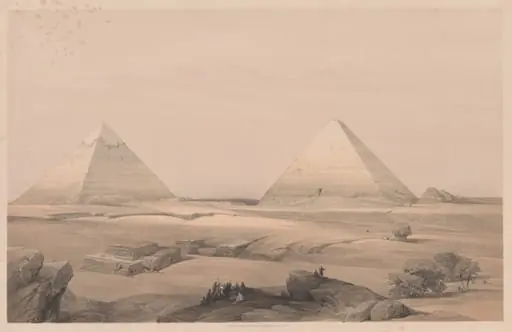 Egypt and Nubia: Volume I - No. 3, Pyramids of Gizeh
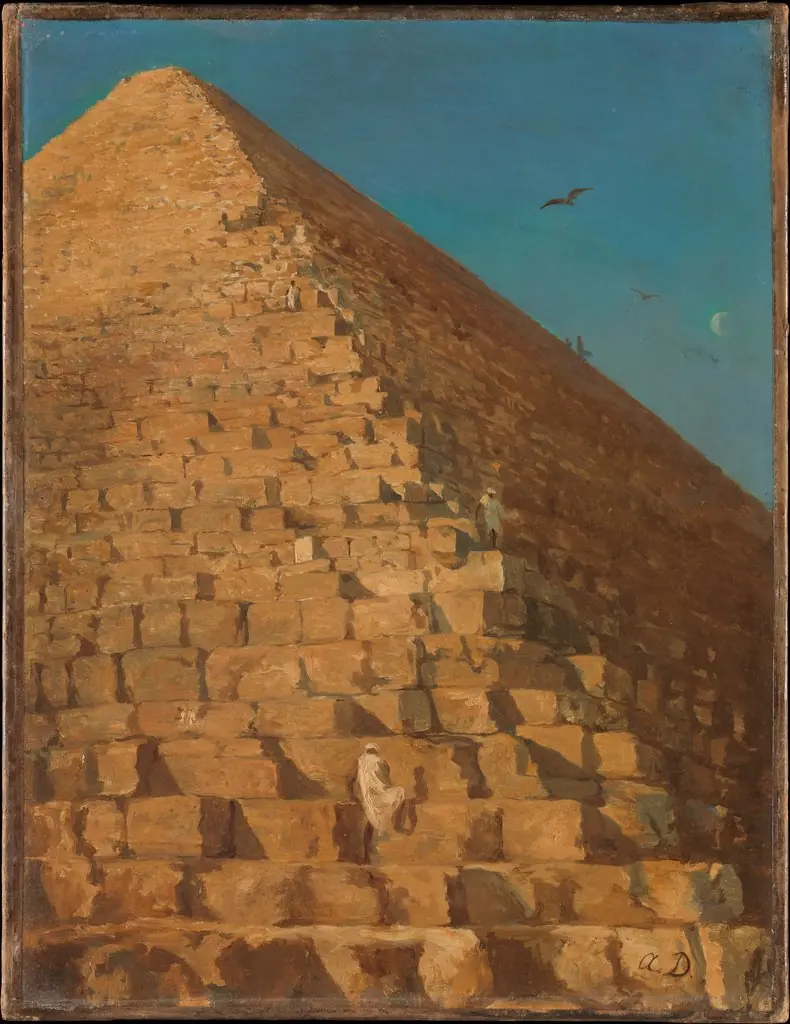 The Great Pyramid, Giza
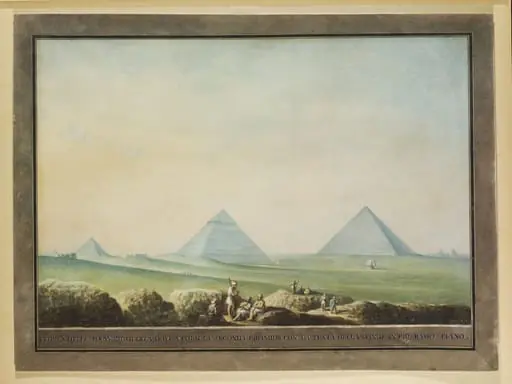 The Pyramids of Giza
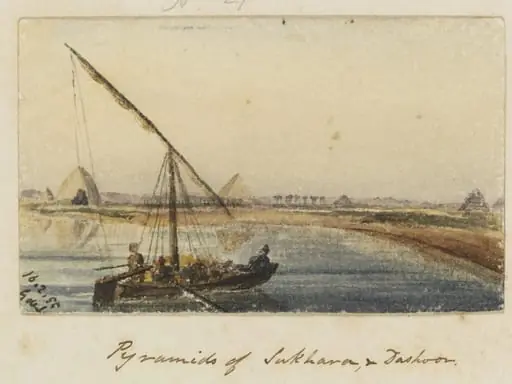 `Pyramids of Sakhara, & Dashoor. Upper Egypt'
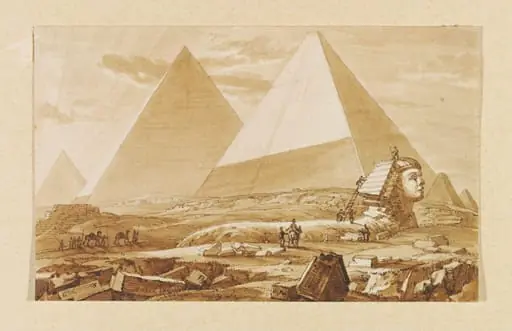 Pyramids and Sphinx - Sun setting