Artwork
Untitled
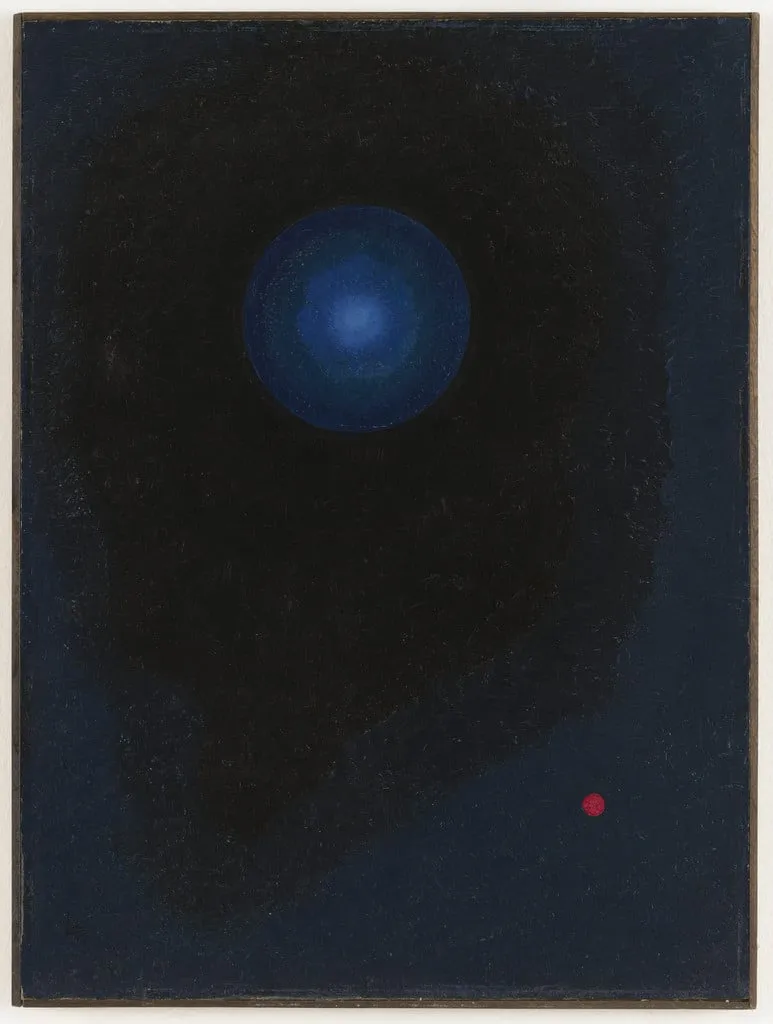
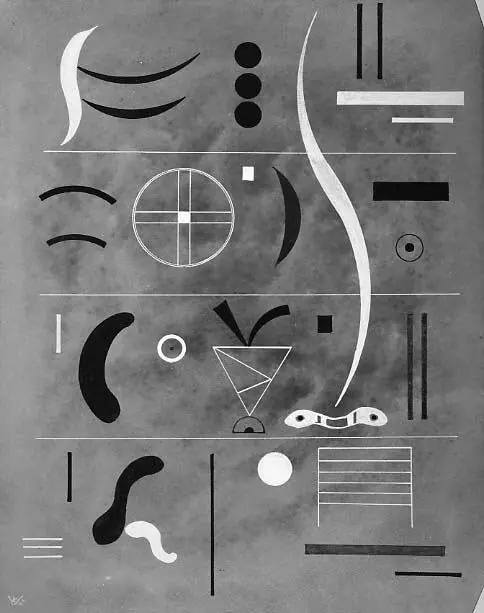
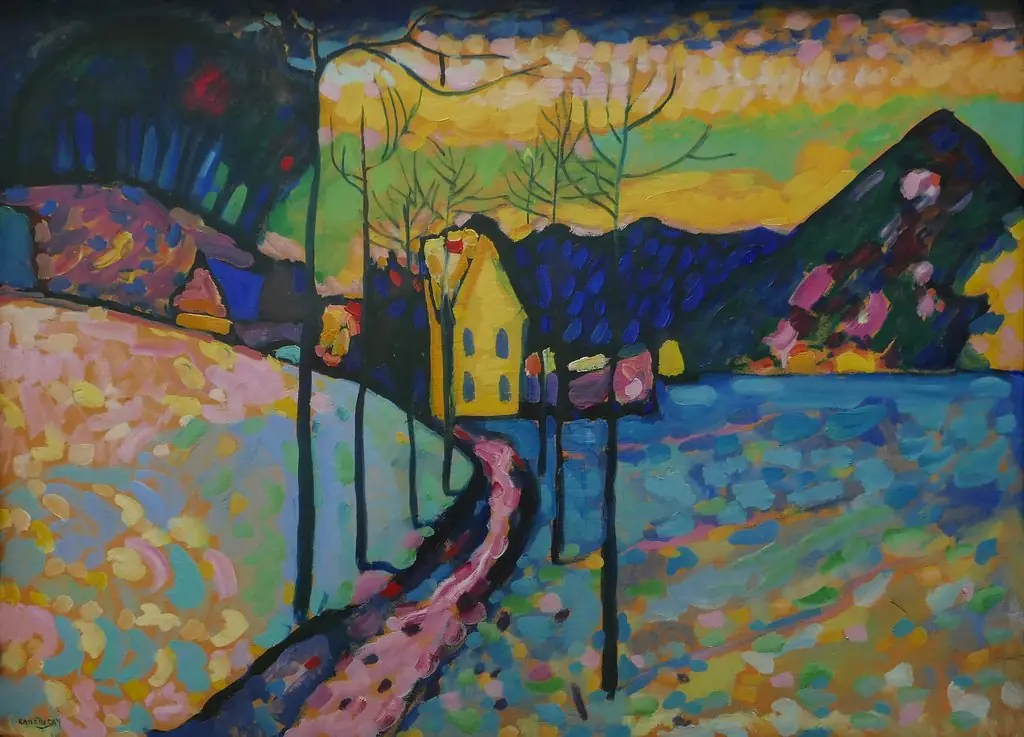
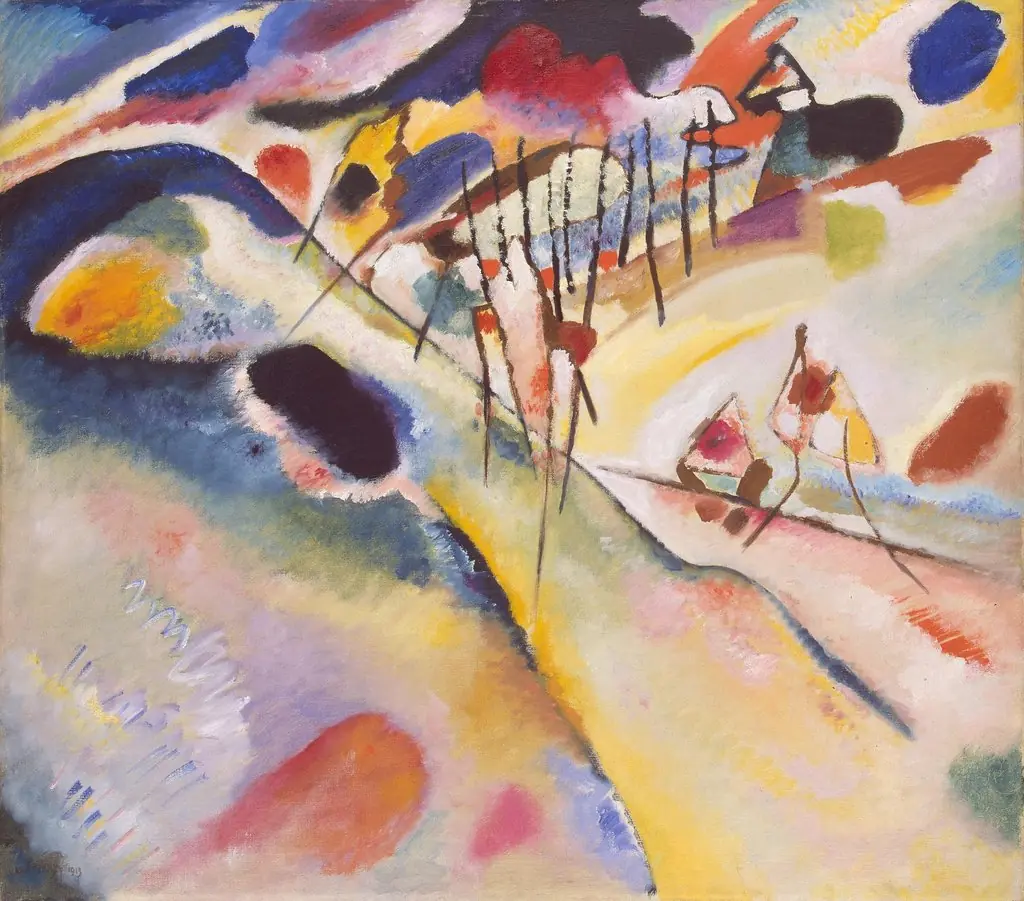
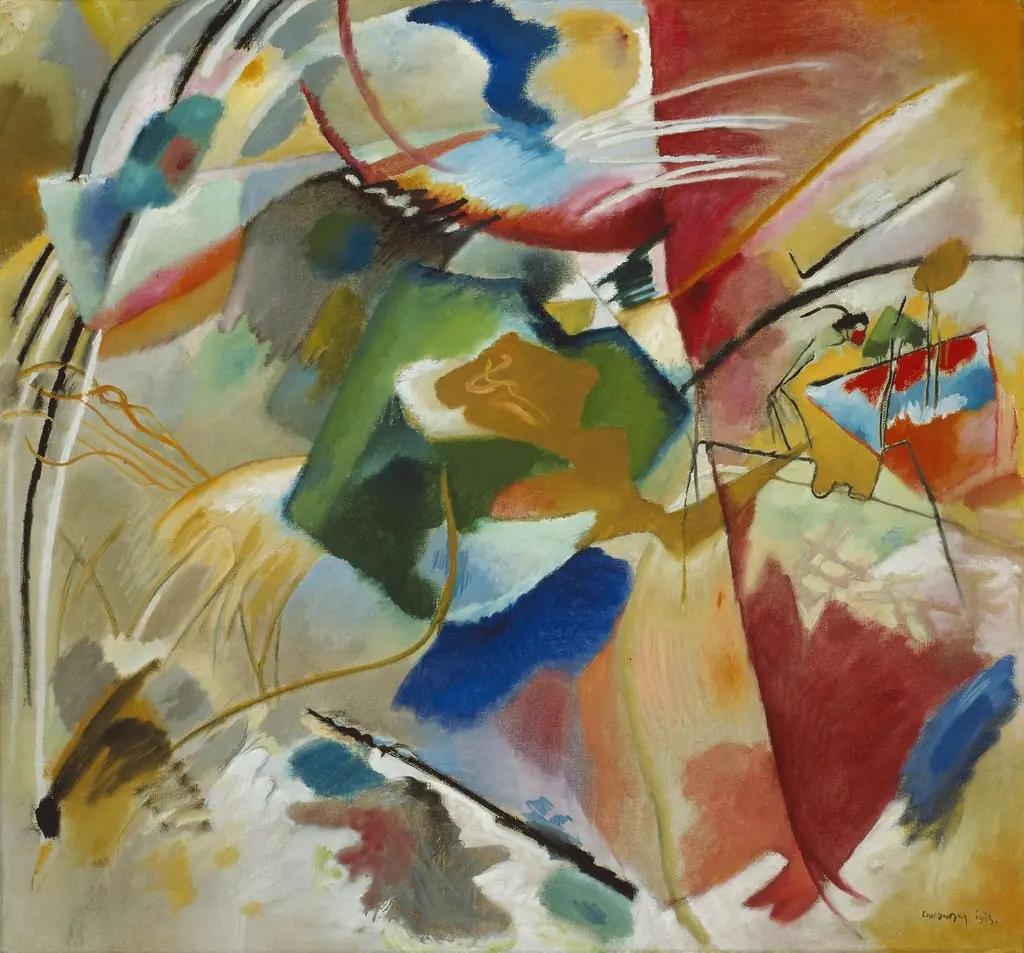
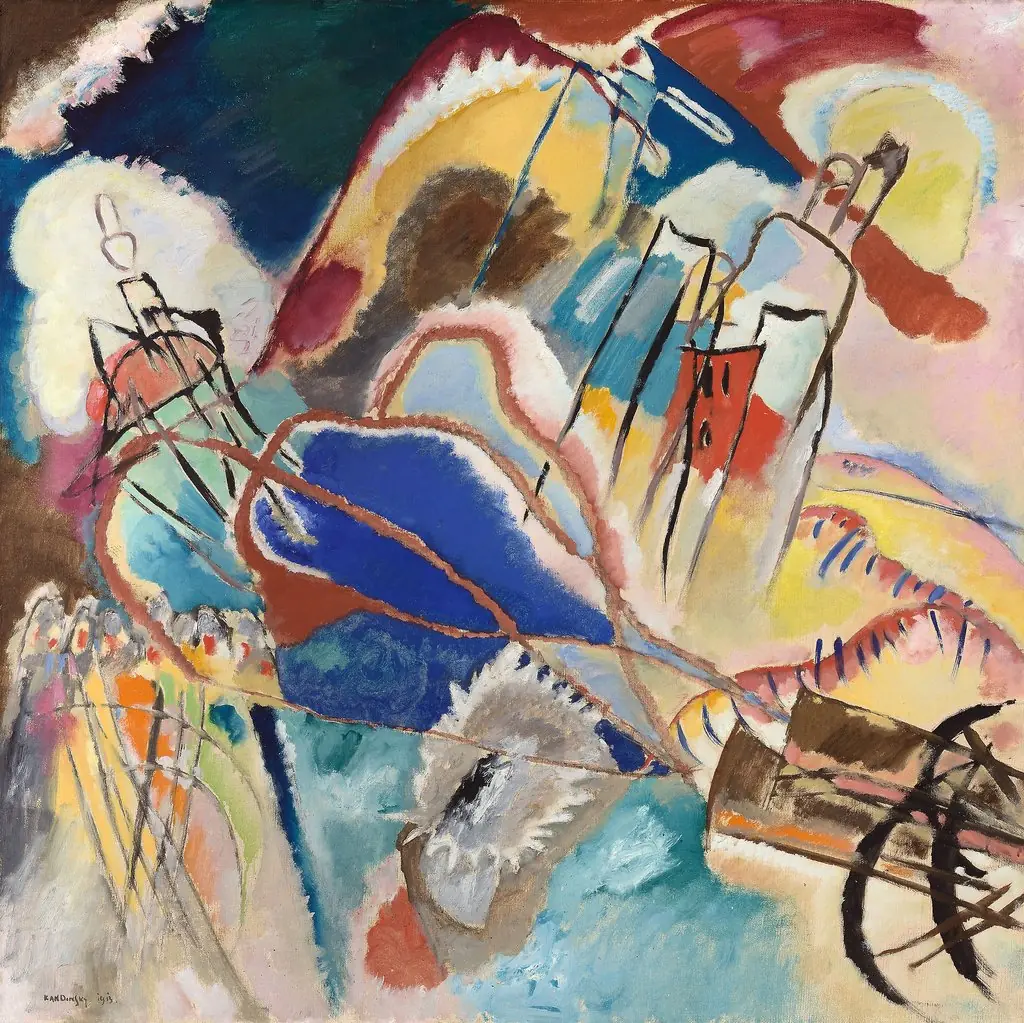
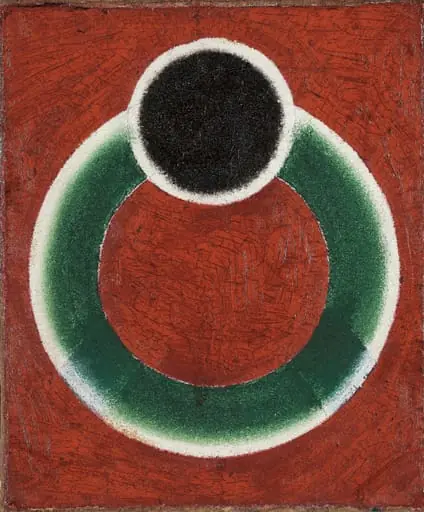
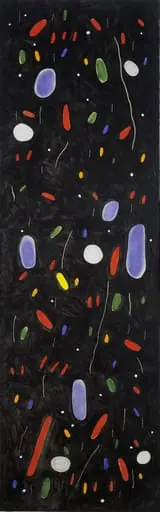
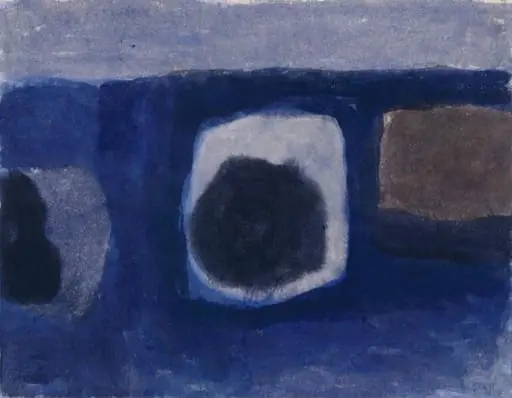
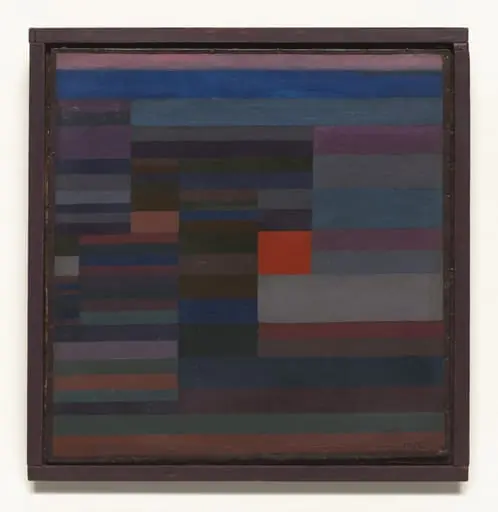
Untitled is an oil drawing by Wassily Kandinsky. It dates from 1927 and is held in the collection of the Museum of Modern Art. Created in 1927, this oil on board work by Vasily Kandinsky is a nonobjective composition featuring abstract geometric forms.
About this work
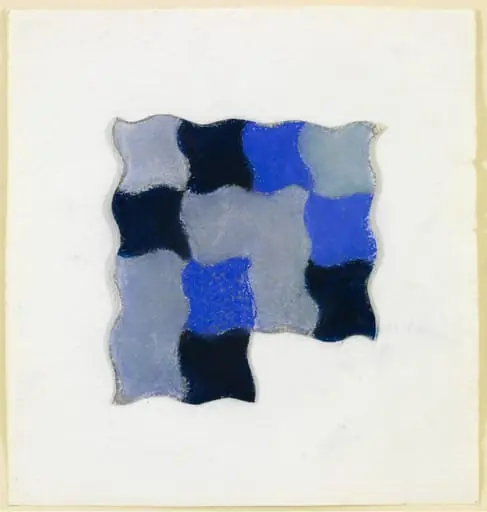
You see a small board covered in bright, floating shapes—circles, triangles, and wavy lines in red, blue, yellow, and black.
You see a small board covered in bright, floating shapes—circles, triangles, and wavy lines in red, blue, yellow, and black. Nothing looks like a real object.
Kandinsky painted this in 1927, when he taught at the Bauhaus, a school that mixed art and design. He believed colors and shapes could express feelings without showing anything real. The thin, careful lines feel like a quiet conversation between geometry and emotion.
If you like this, look up *impasto*—a technique where paint is laid on thickly, giving texture to abstract works.
Overview
Created in 1927, this oil on board work by Vasily Kandinsky is a nonobjective composition featuring abstract geometric forms. It belongs to the collection of The Museum of Modern Art and reflects the artist’s mature phase during his tenure at the Bauhaus. The piece avoids representational imagery, instead exploring visual relationships through color and shape.
Subject & Meaning
The painting presents no recognizable subjects, aligning with Kandinsky’s belief that pure form and color could evoke emotional and spiritual responses. Circles, triangles, and fluid lines interact without narrative or symbolic reference to the physical world. Each element functions as a visual note in a silent, chromatic harmony intended to resonate internally with the viewer.
Technique & Style
Kandinsky applied oil paint with precision, using thin, controlled brushwork to define sharp-edged shapes and delicate contours. The palette—dominated by red, blue, yellow, and black—relies on contrast and balance rather than texture or impasto. The composition’s clarity and restraint reflect the Bauhaus emphasis on structure and functional aesthetics.
History & Provenance
Painted during Kandinsky’s years teaching at the Bauhaus, this work emerged from a period of intense theoretical development in abstract art. It entered The Museum of Modern Art’s collection as part of a broader effort to document early 20th-century avant-garde movements. Its origin is documented within the artist’s oeuvre from his German period.
Context
In 1927, Kandinsky was immersed in the Bauhaus curriculum, which fused artistic experimentation with industrial design principles. His work during this time responded to the school’s ethos of rationality and clarity. Abstract forms were not merely aesthetic choices but tools for communicating universal visual languages beyond cultural or linguistic barriers.
Legacy
This piece exemplifies Kandinsky’s enduring influence on nonobjective art, demonstrating how geometry and color could function independently of representation. It contributed to the legitimization of abstraction in modern art institutions and informed later generations of artists exploring the emotional potential of form.
Artist & collection
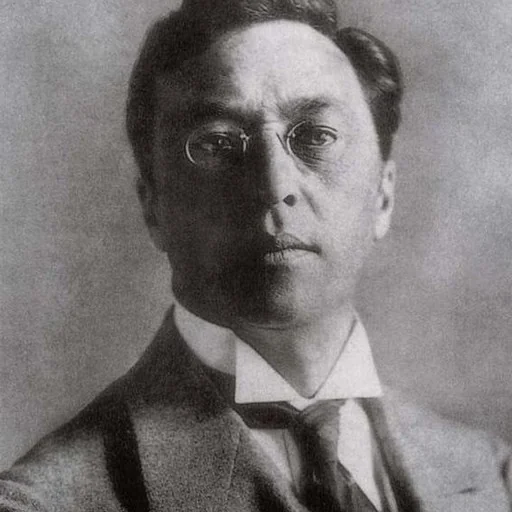
Artist
Wassily Wassilyevich Kandinsky (16 December 1866 – 13 December 1944) was a Russian painter and art theorist active in Germany during the late Belle Époque and Interwar eras.