Artwork
Untitled
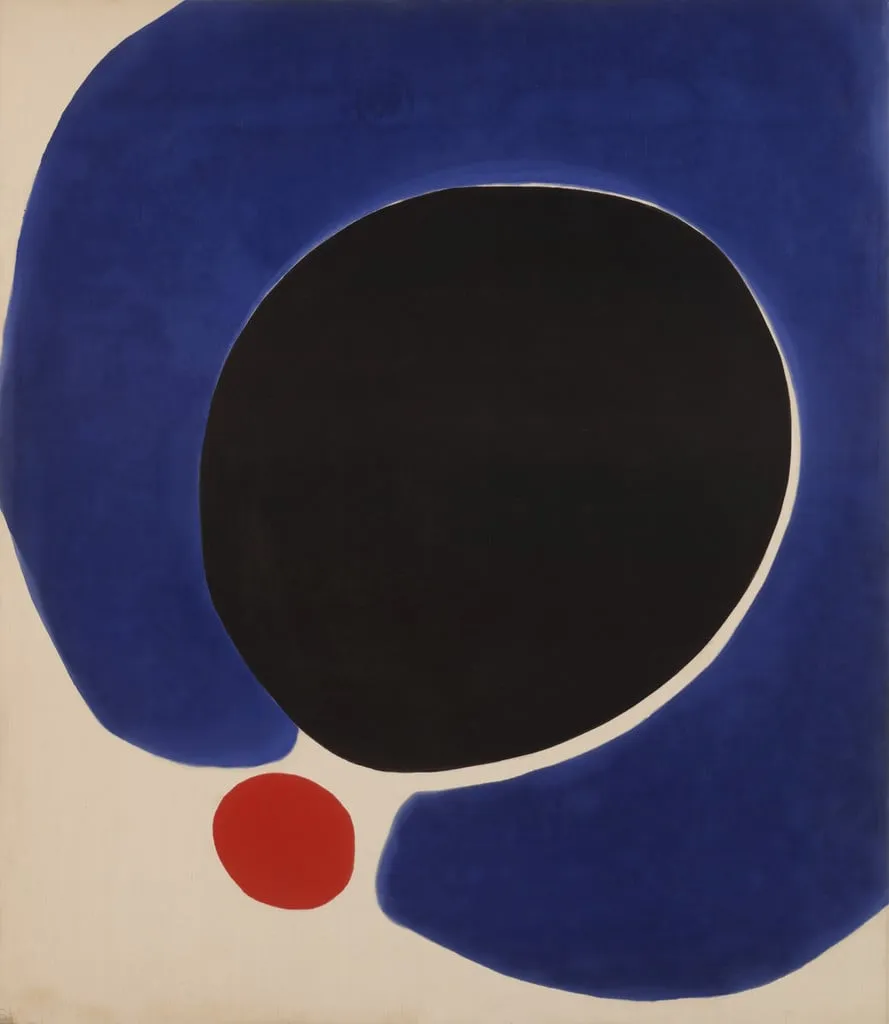
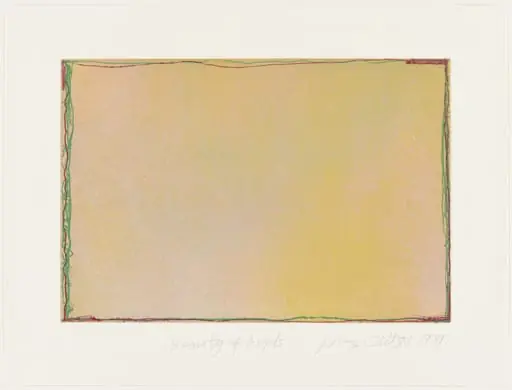
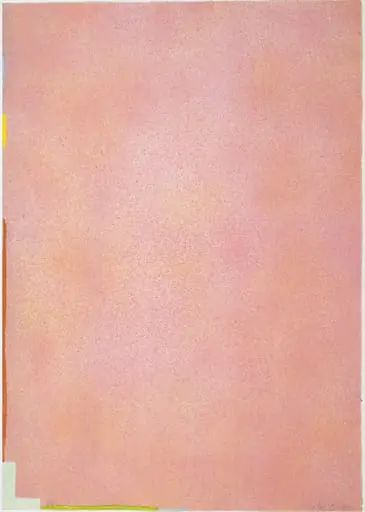
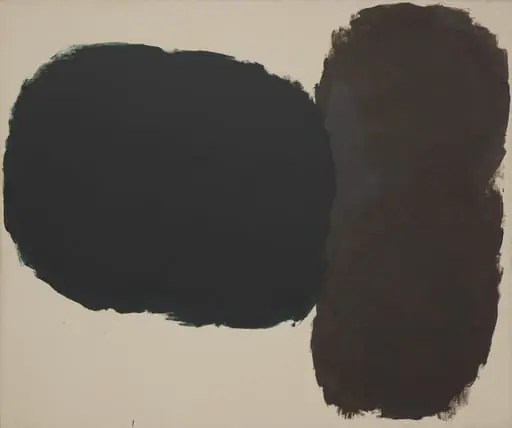
Untitled is a paint painting by the Abstract Expressionist artist Jules Olitski. It dates from 1962 and is held in the collection of the Museum of Modern Art.
About this work
Overview
The paint is applied thickly, producing a smooth, luminous surface that enhances the vibrancy of the hues.
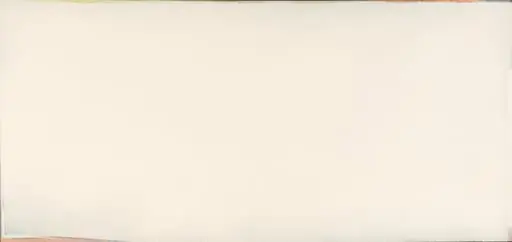
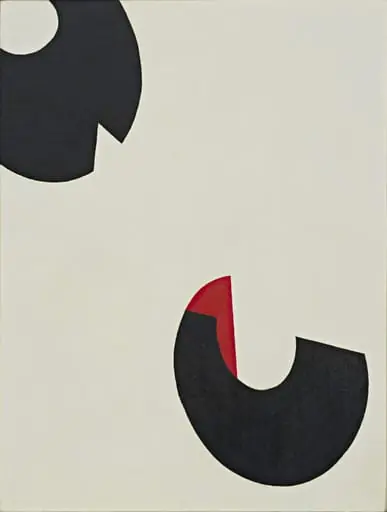
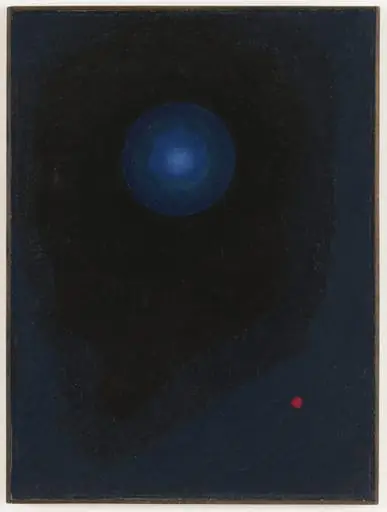
Created in 1962, this abstract work by Jules Olitski is executed in synthetic polymer paint on canvas. It resides in the collection of The Museum of Modern Art. The composition features three distinct, non-representational forms arranged loosely across the surface, emphasizing color and spatial relationships over narrative or structure. The paint is applied thickly, producing a smooth, luminous surface that enhances the vibrancy of the hues.
Subject & Meaning
The painting avoids figurative reference, instead focusing on the interaction of color and form. A central deep blue circle contains a smaller black oval, while a vivid red dot and a muted blue shape float below. These elements suggest gravitational balance and visual weight without implying objects or symbols. The work invites contemplation of perception, not representation, aligning with the concerns of Color Field painting.
Technique & Style
Olitski employed thick, layered applications of synthetic polymer paint, creating a glossy, almost enamel-like finish. The edges of the shapes are sharply defined, with no blending or brushstroke texture visible. This controlled application contrasts with the expressive potential of the medium, emphasizing precision and optical clarity. The technique prioritizes color’s physical presence over gestural expression.
History & Provenance
Painted in 1962, the work entered The Museum of Modern Art’s collection shortly after its creation. It reflects Olitski’s transition from gestural abstraction toward a more reductive, color-centered approach. The piece was made during a period when artists were redefining painting through flatness, scale, and materiality, positioning it within a key moment in postwar American art.
Context
Emerging alongside Color Field painters like Morris Louis and Kenneth Noland, Olitski’s work responded to the desire to eliminate gesture and narrative. The use of unmodulated color and simplified forms aligned with broader shifts in 1960s art toward minimalism and perceptual experience. This painting reflects a move away from the emotional intensity of Abstract Expressionism toward a cooler, more contemplative aesthetic.
Legacy
The work exemplifies Olitski’s contribution to redefining painting through color and surface. Its emphasis on optical effects and material presence influenced later generations interested in the physicality of paint and the viewer’s perceptual engagement. Though not widely exhibited, it remains a significant example of early 1960s abstraction that bridged Color Field and Minimalist concerns.
Artist & collection
Artist
Jevel Demikovski, known professionally as Jules Olitski, was an American painter, printmaker, and sculptor.