Artwork
Untitled
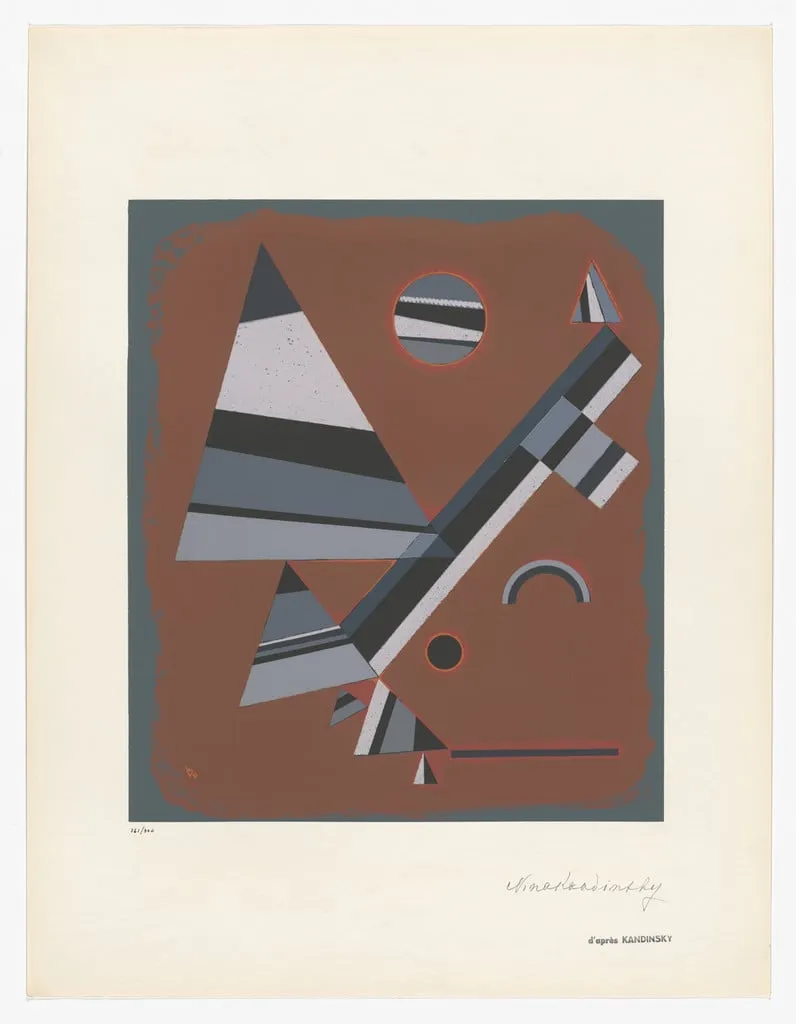
Untitled is an ink print by Wassily Kandinsky. It is held in the collection of the Museum of Modern Art. This screenprint is one of sixteen reproductions from a 1953 portfolio, derived from Vasily Kandinsky’s earlier abstract compositions.
About this work
Overview
This screenprint is one of sixteen reproductions from a 1953 portfolio, derived from Vasily Kandinsky’s earlier abstract compositions.
This screenprint is one of sixteen reproductions from a 1953 portfolio, derived from Vasily Kandinsky’s earlier abstract compositions. Though produced late in his career, it reflects his decades-long commitment to non-representational form. The work was not painted by hand but printed using a stencil-based technique, allowing multiple impressions from a single design. Kandinsky’s signature appears in the corner, affirming authorship despite the mechanical reproduction process.
Subject & Meaning
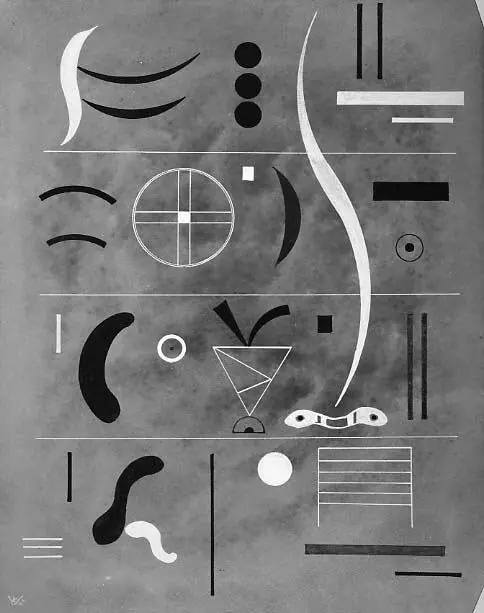
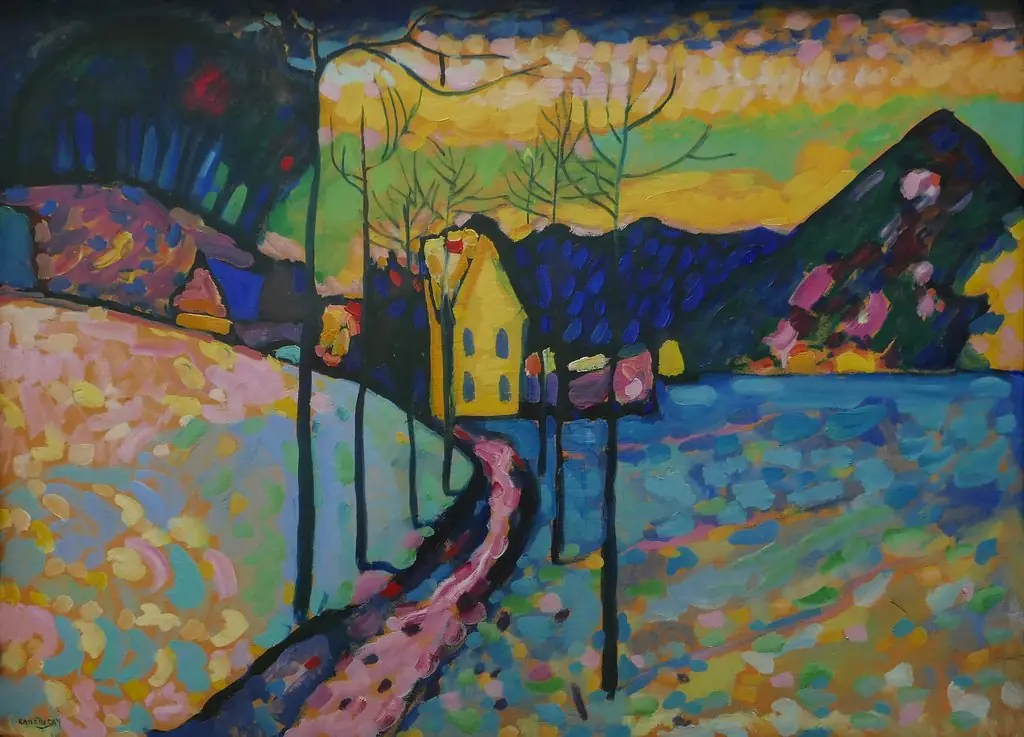
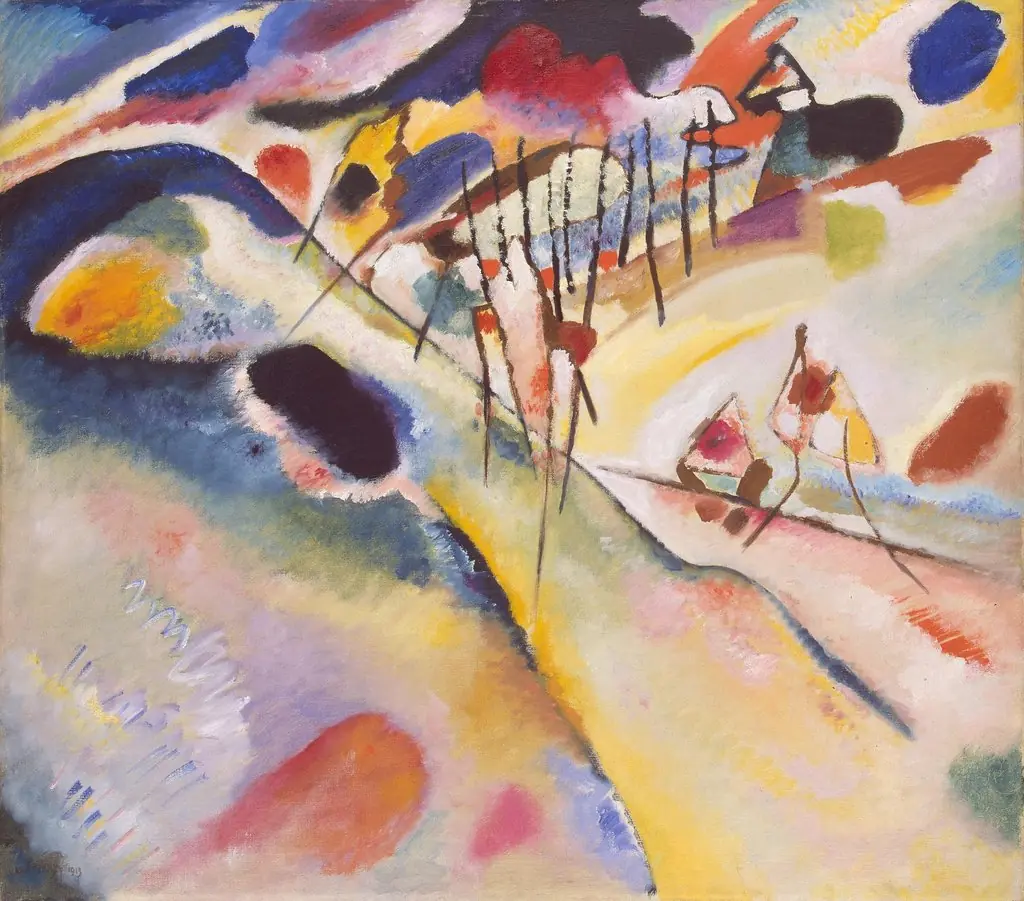
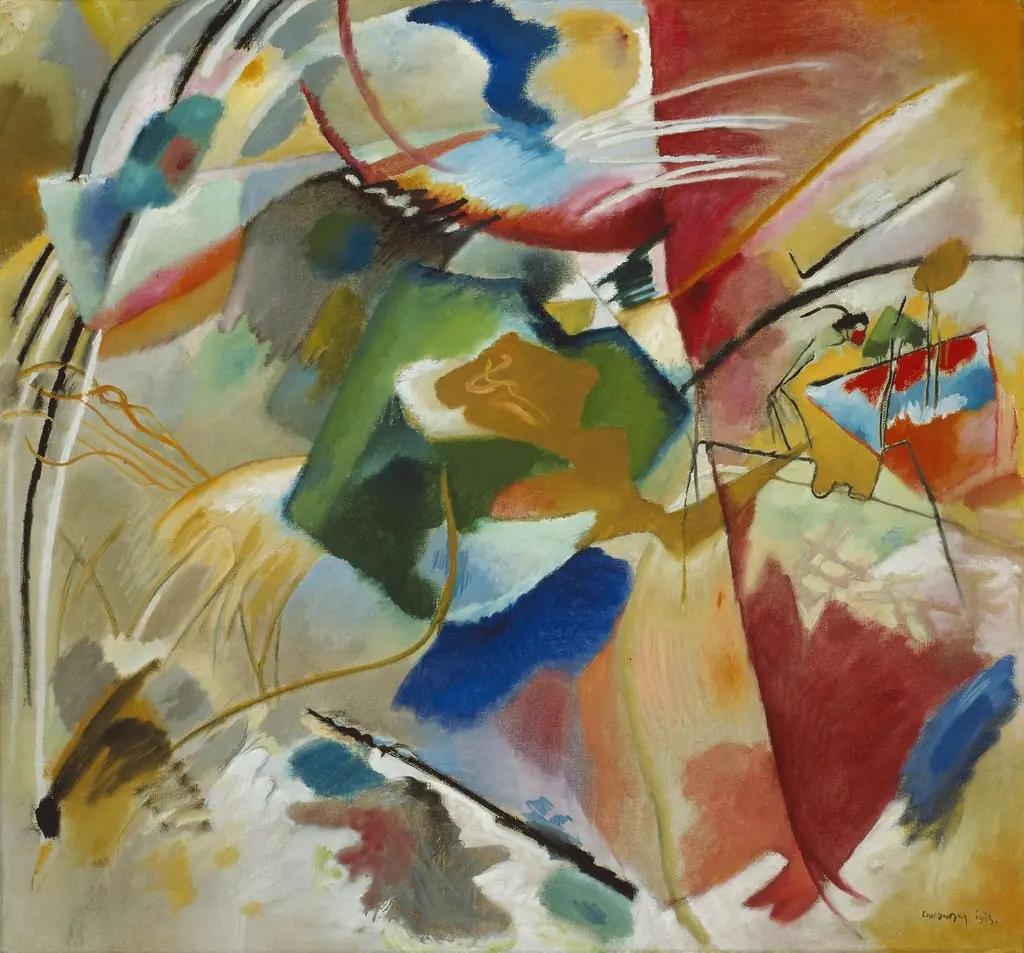
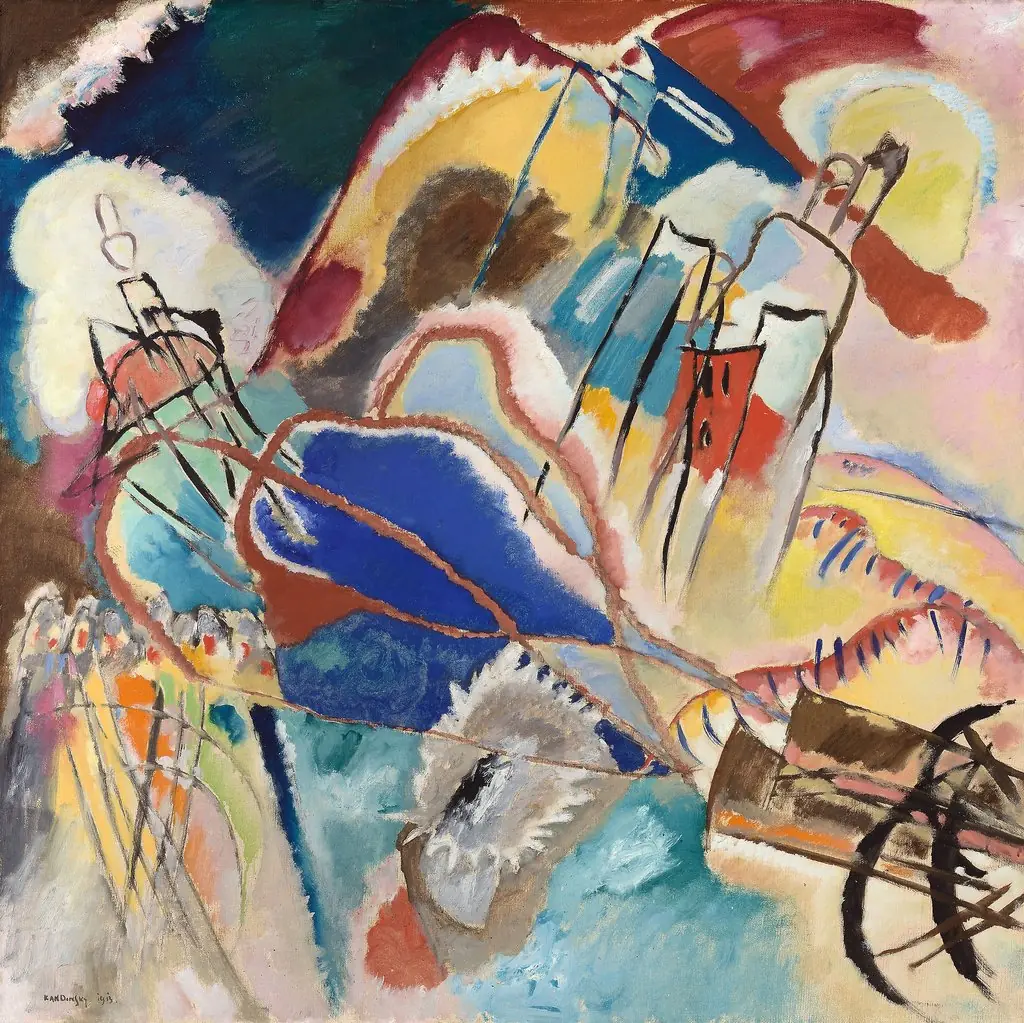
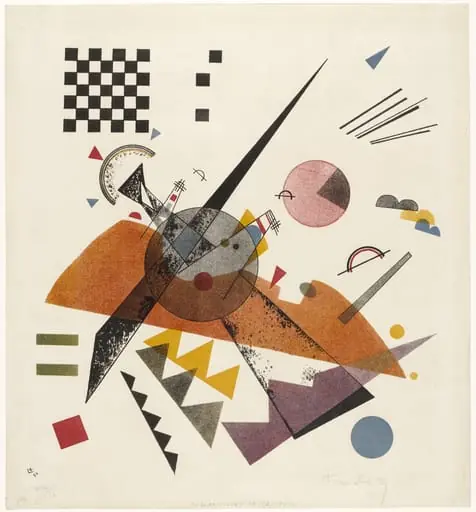
No literal subject is present; the composition consists of geometric elements—triangles, rectangles, circles—arranged without narrative intent. These forms function as visual rhythms rather than symbols. The arrangement suggests equilibrium through asymmetry, with contrasting shapes and lines creating dynamic tension. Kandinsky viewed abstraction as a spiritual language, and this piece continues his exploration of form as emotional expression.
Technique & Style
Executed as a screenprint, the image was transferred through a stenciled mesh onto paper using ink. The rough, textured edges indicate deliberate surface variation, possibly from uneven ink application or scraping. The palette is restrained—warm brown, black, and white—emphasizing contrast over color. The shapes are simplified yet carefully balanced, reflecting Kandinsky’s belief in the psychological resonance of geometric purity.
History & Provenance
Created in 1953, shortly before Kandinsky’s death, this portfolio was produced during his final years in France. It repurposed earlier compositions into printed form, making his abstract language more accessible. The prints were likely issued by a publisher or gallery to extend the reach of his work beyond original paintings. No specific ownership history is documented, but such portfolios were often distributed to collectors and institutions.
Context
Kandinsky had spent decades advancing abstract art since his early 20th-century breakthroughs in Germany and Russia. By the 1950s, abstraction was gaining institutional recognition, though still contested. This portfolio emerged amid postwar European cultural reconstruction, offering a quiet continuation of his theories on form and color. Unlike the emerging Abstract Expressionists, Kandinsky retained a structured, almost musical approach to composition.
Legacy
The portfolio represents Kandinsky’s enduring influence on modern printmaking and abstract design. By translating his paintings into screenprints, he helped democratize access to his visual language. Though not his most celebrated works, these prints preserve his formal rigor and continue to inform artists interested in the intersection of geometry, rhythm, and non-representational expression.
Artist & collection
Artist
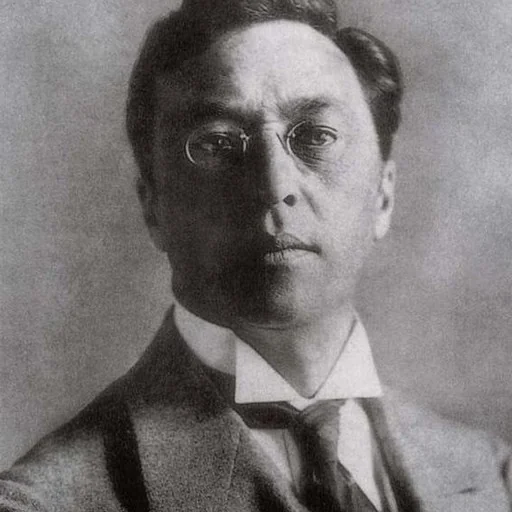
Wassily Wassilyevich Kandinsky (16 December 1866 – 13 December 1944) was a Russian painter and art theorist active in Germany during the late Belle Époque and Interwar eras.