Artwork
Caesar's joy
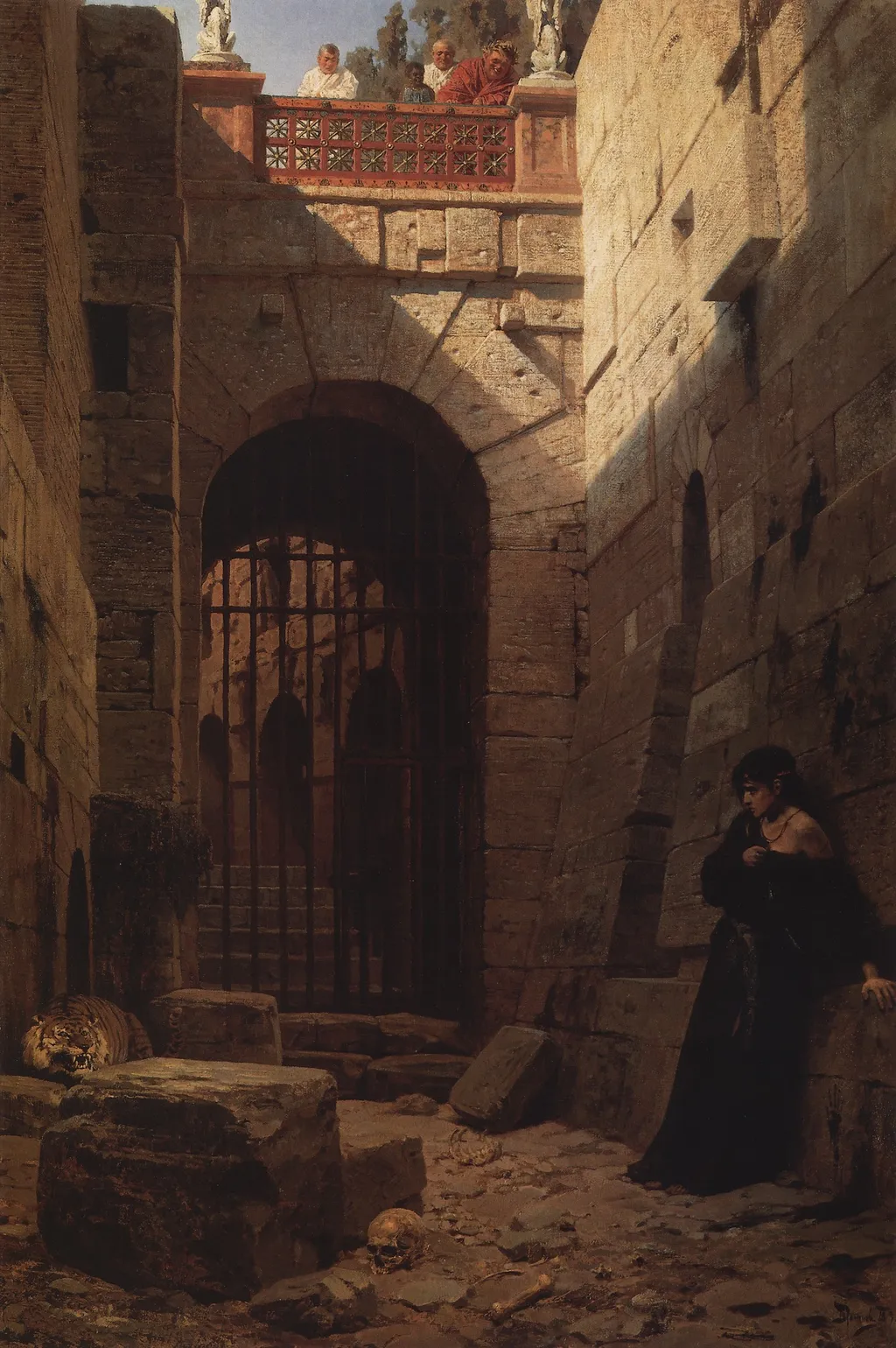
Caesar's joy is an oil painting by the Impressionist artist Vasily Polenov. It dates from 1890 and is held in the collection of the Tretyakov Gallery.
About this work
Overview
Though associated with the Peredvizhniki group, his approach here leans toward atmospheric realism with impressionist light effects.
Vasily Polenov painted *Caesar's Joy* in 1890 using oil on canvas. Though associated with the Peredvizhniki group, his approach here leans toward atmospheric realism with impressionist light effects. The work is part of the Tretyakov Gallery’s permanent collection, reflecting Polenov’s interest in quiet, emotionally resonant scenes rather than grand historical narratives. His reputation as a painter of serene, contemplative moments informs the tone of this piece.
Subject & Meaning
The painting shows a woman in dark clothing standing before a weathered stone wall, with a reclining tiger at her side. The setting—a shadowed courtyard with a distant metal gate—suggests a forgotten or abandoned space. Her downward gaze and still posture convey introspection, while the presence of the tiger introduces an element of wildness held in check. The title, ironic or metaphorical, contrasts the animal’s power with the woman’s quiet sorrow, hinting at hidden tensions beneath calm surfaces.
Technique & Style
Polenov employs chiaroscuro to define form and mood, directing light toward the woman and tiger while leaving the background in deep shadow. Brushwork is subtle, blending tones to suggest texture in stone and fabric without overt detail. The palette is muted—earths, grays, and dark greens—enhancing the somber atmosphere. Though not fully impressionist, the painting uses light to evoke emotion rather than document reality, aligning with a poetic realism common in late 19th-century Russian art.
History & Provenance
Completed in 1890, *Caesar's Joy* entered the Tretyakov Gallery’s collection shortly after its creation, likely through Pavel Tretyakov’s patronage of Russian artists. Polenov, a respected figure in Moscow’s art circles, was known for his careful selection of subjects that balanced narrative ambiguity with emotional depth. The painting’s early acquisition by the gallery underscores its recognition among contemporaries as a significant, if unconventional, work within his oeuvre.
Context
In the 1890s, Russian art was shifting from overt social commentary toward more personal, symbolic themes. Polenov, though linked to the realist Peredvizhniki, increasingly explored psychological nuance and atmospheric mood. *Caesar's Joy* reflects this transition—its enigmatic scene avoids moralizing, instead inviting quiet reflection. The tiger, an unusual motif in Russian painting, may allude to exoticism or inner turmoil, resonating with broader fin-de-siècle interests in the subconscious.
Legacy
Though not among Polenov’s most widely exhibited works, *Caesar's Joy* remains a compelling example of his mature style—where emotion is conveyed through restraint, light, and symbolic juxtaposition. It continues to be studied for its subtle narrative ambiguity and technical restraint. The painting contributes to understanding how Russian artists of the period moved beyond realism toward introspective, mood-driven compositions that anticipated modernist tendencies.
Own this work as a print
Artist & collection
Artist
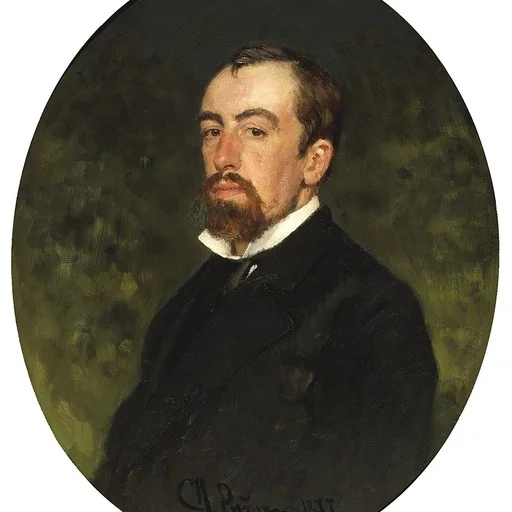
Vasily Dmitrievich Polenov (Russian: Василий Дмитриевич Поленов; 1 June 1844 – 18 July 1927) was a Russian landscape painter associated with the Peredvizhniki movement of realist artists.

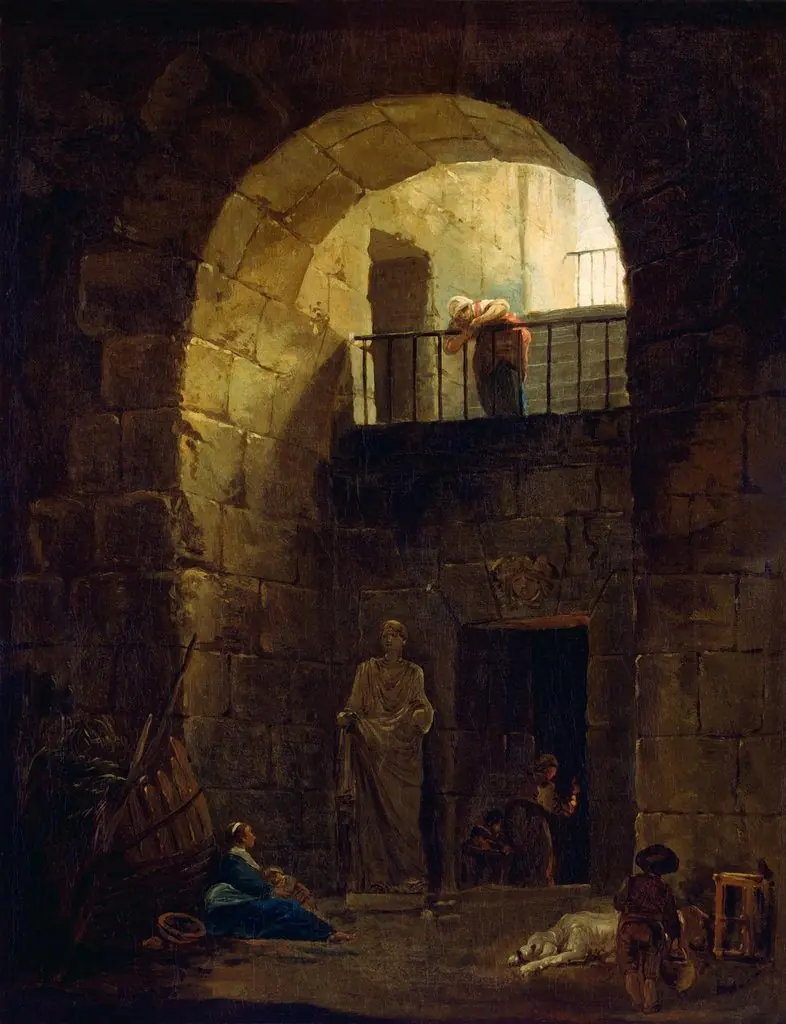 Neglected Statue
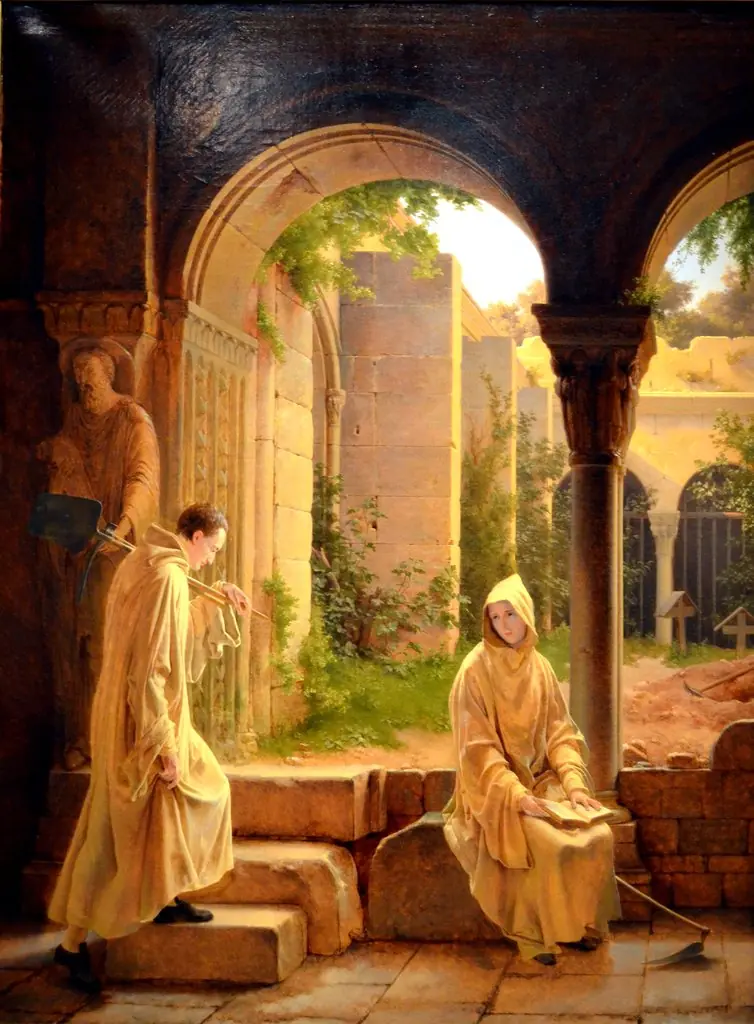 Comminges and Adelaide in the Trappist Monastery
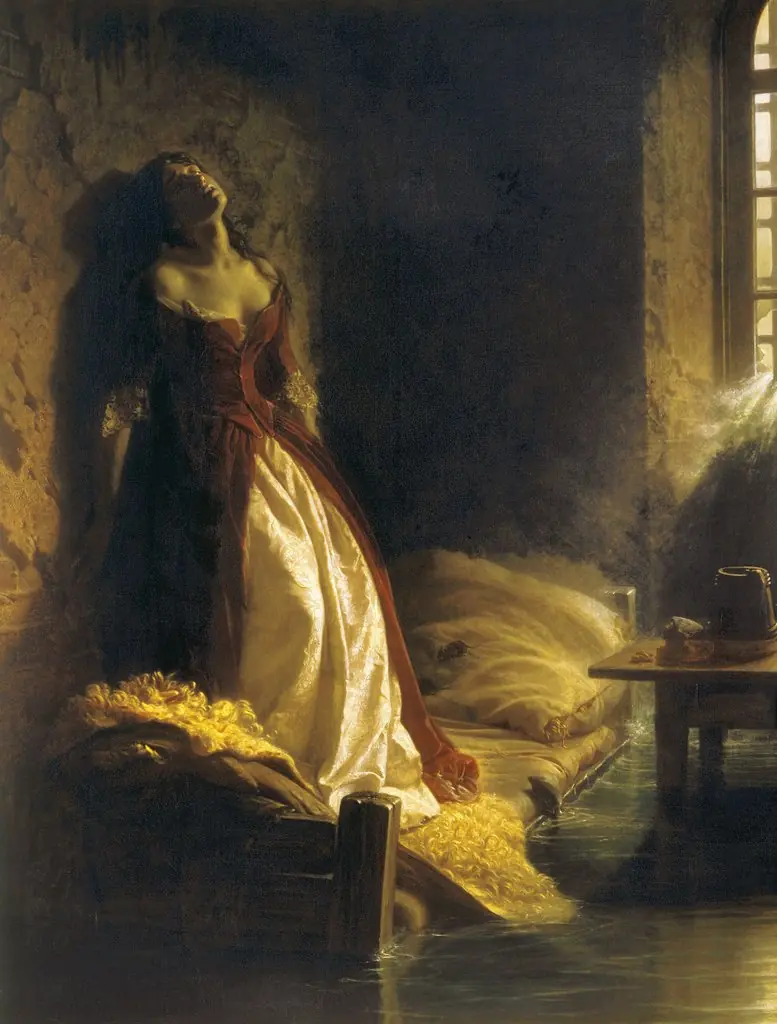 Princess Tarakanova
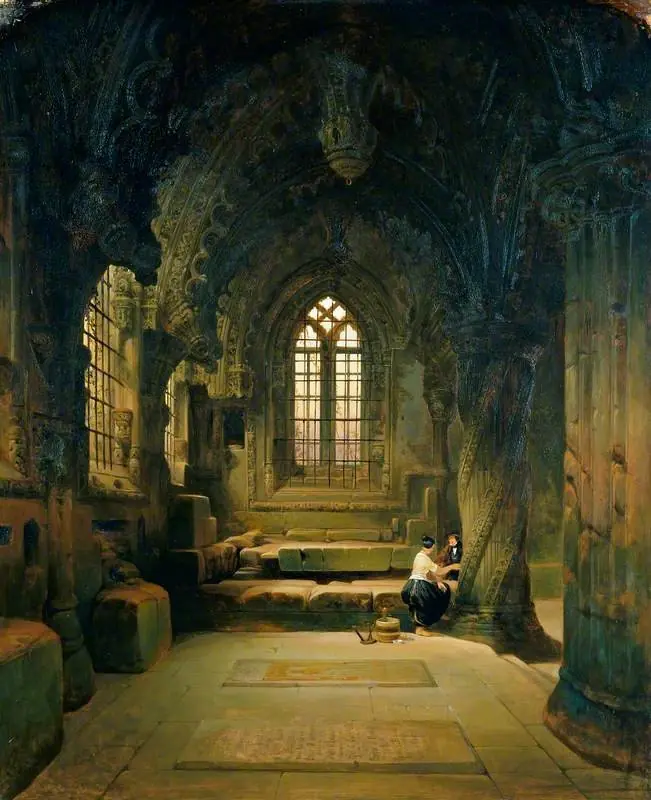 Entrance to the Crypt, Roslin Chapel
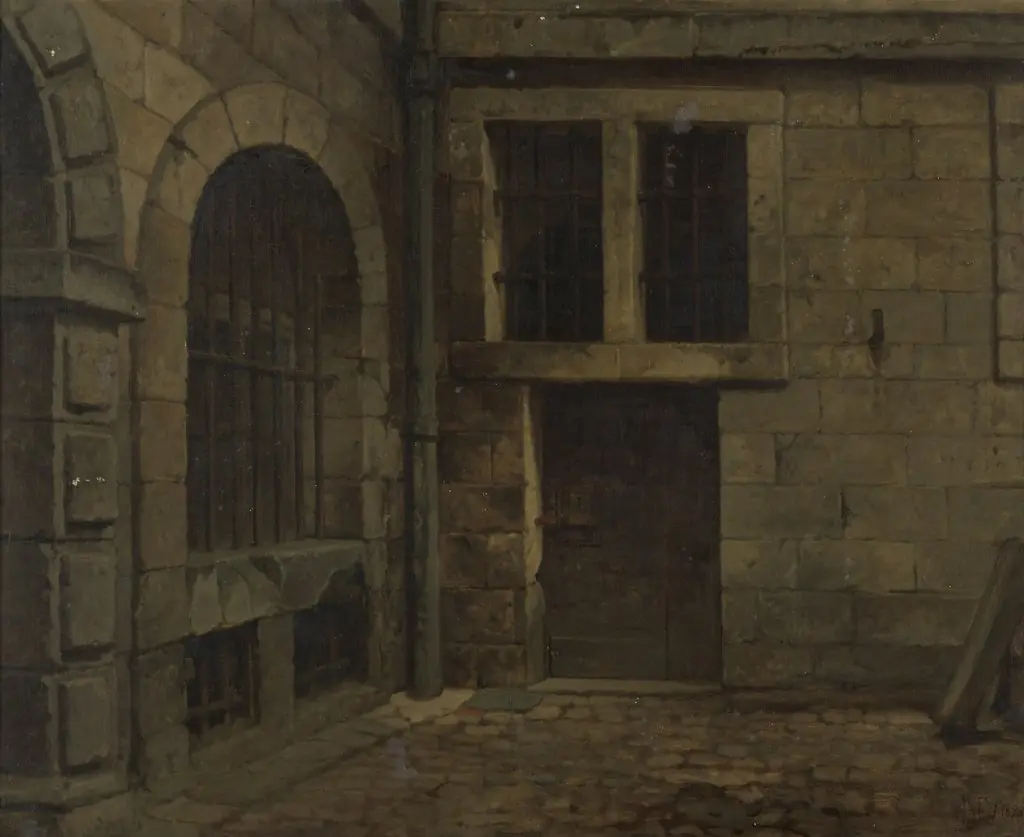 Old Courtyrad of Antwerp Town Hall
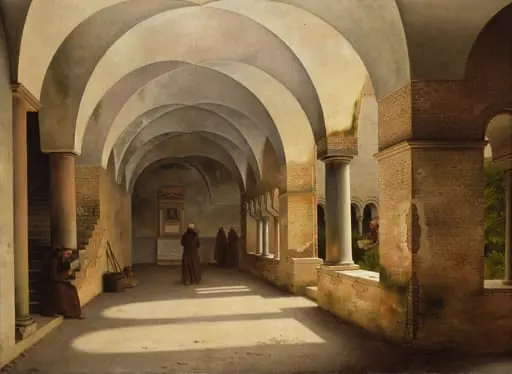 The Cloisters, San Lorenzo fuori le mura
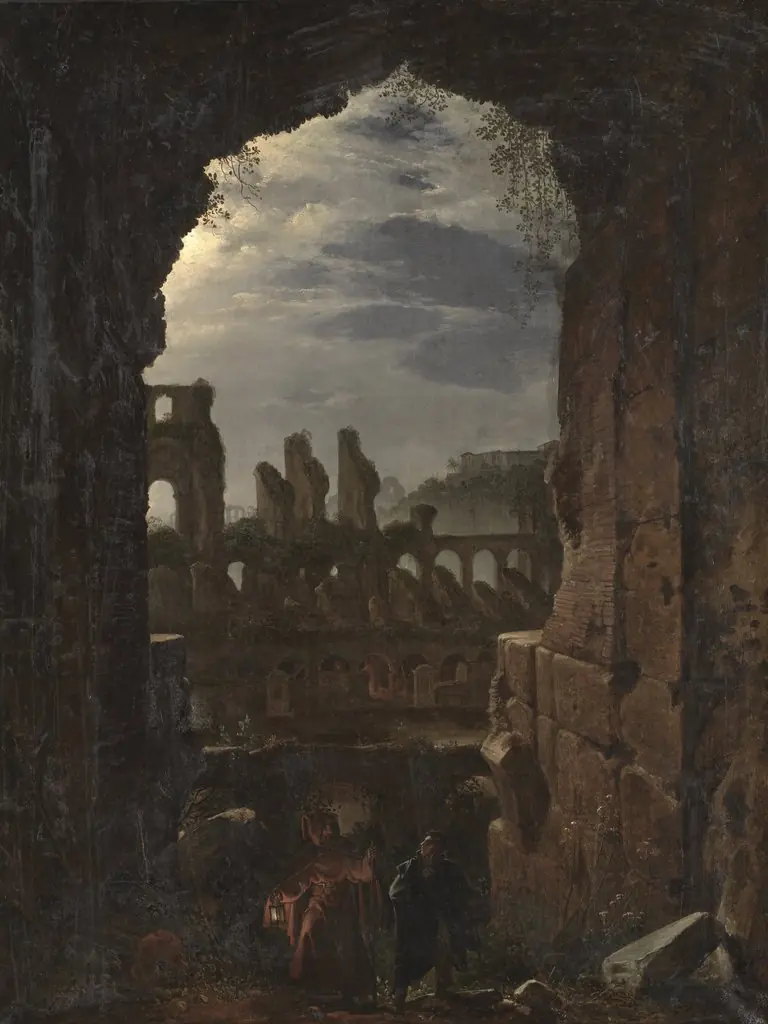 View of the Colosseum in Moonlight
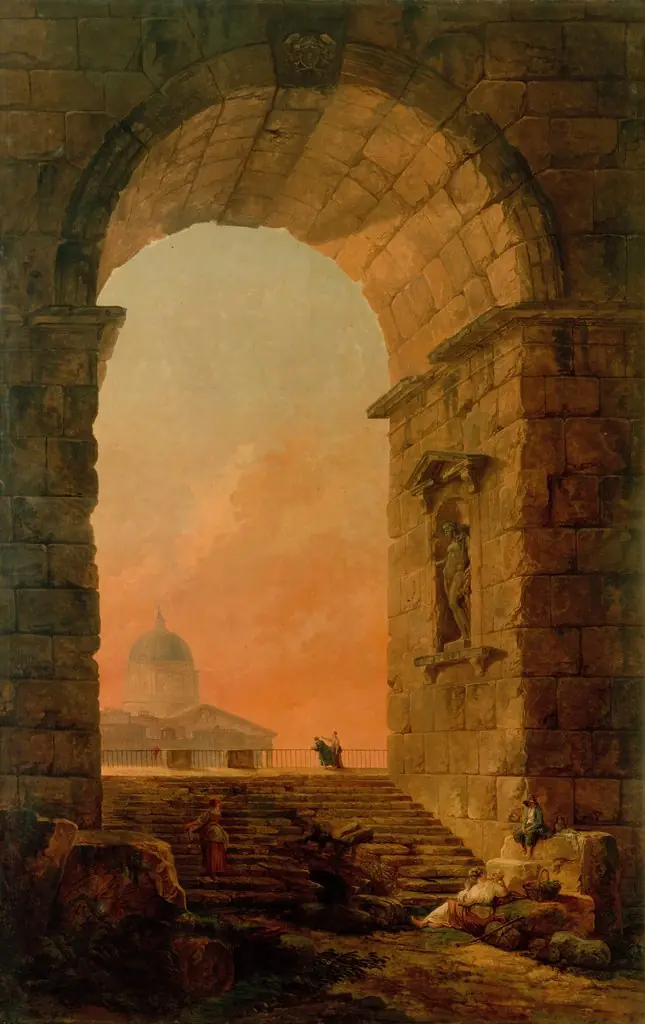 Landscape with an Arch and the Dome of Saint Peter's in Rome
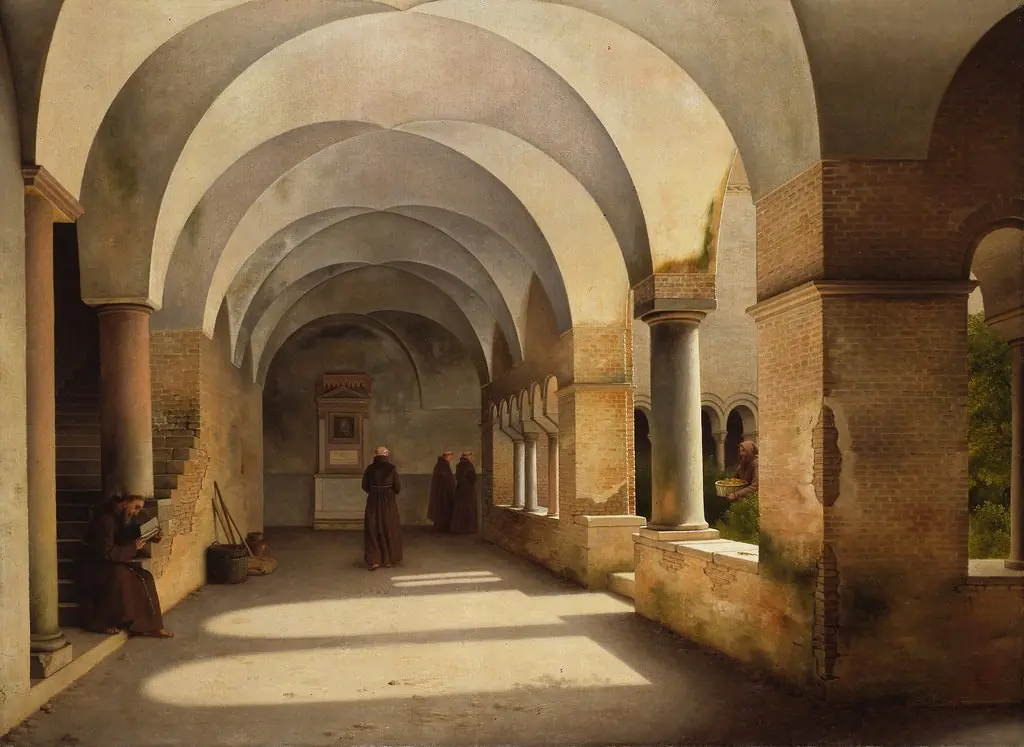 The Cloisters, San Lorenzo fuori le mura
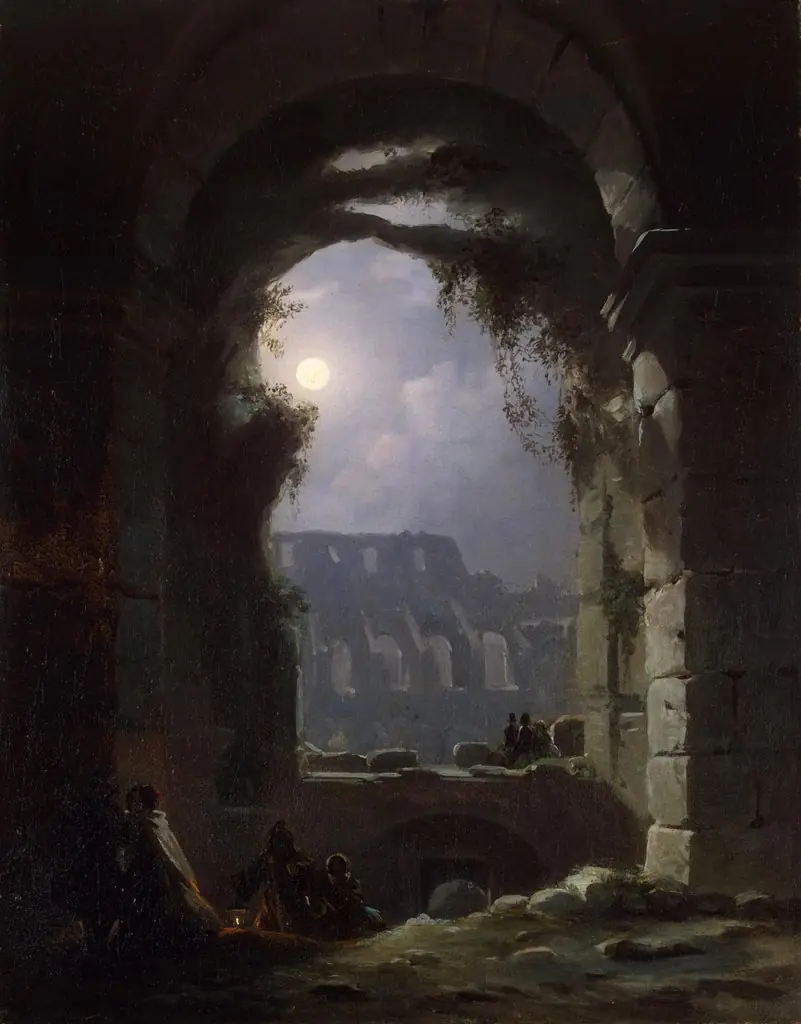 View of the Colosseum by Night
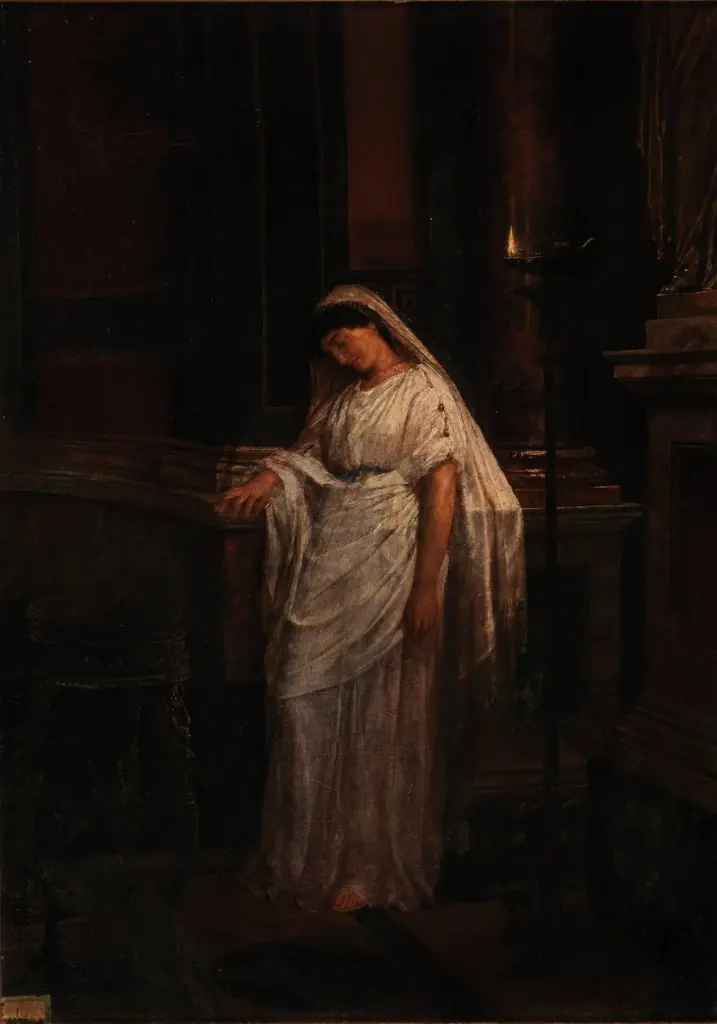 Una vestal
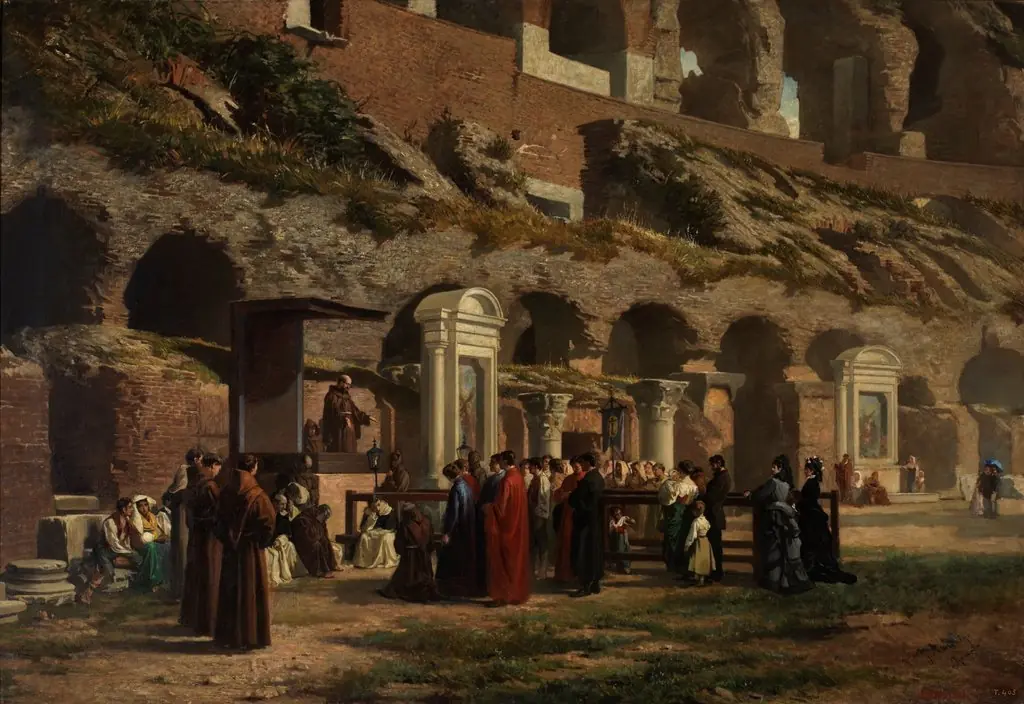 Un viernes en el Coliseo de Roma