Artwork
Parthenon
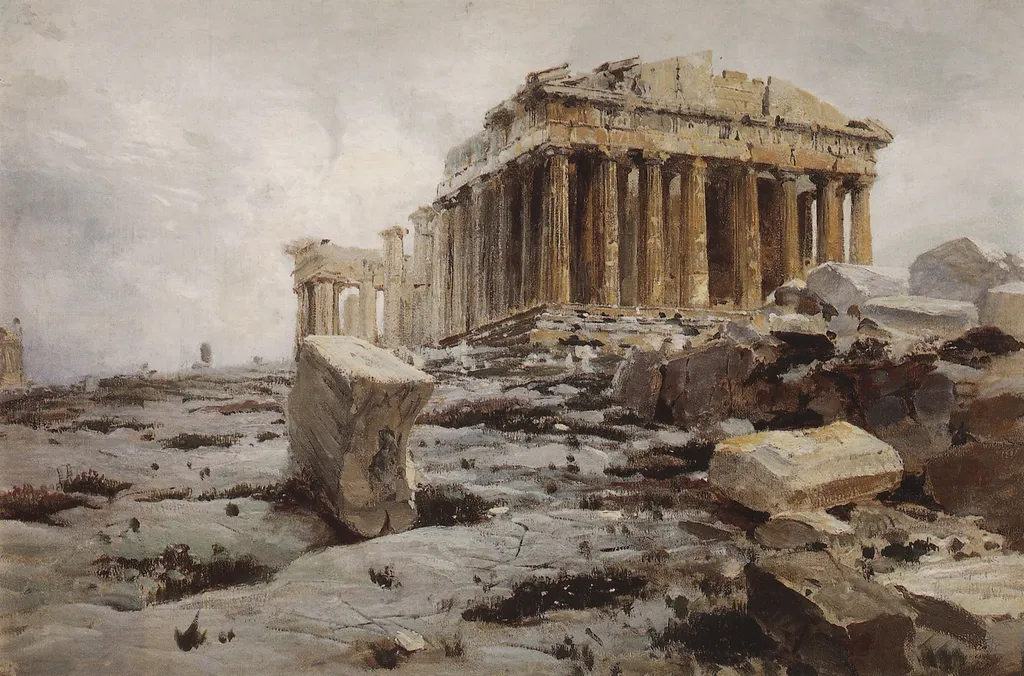
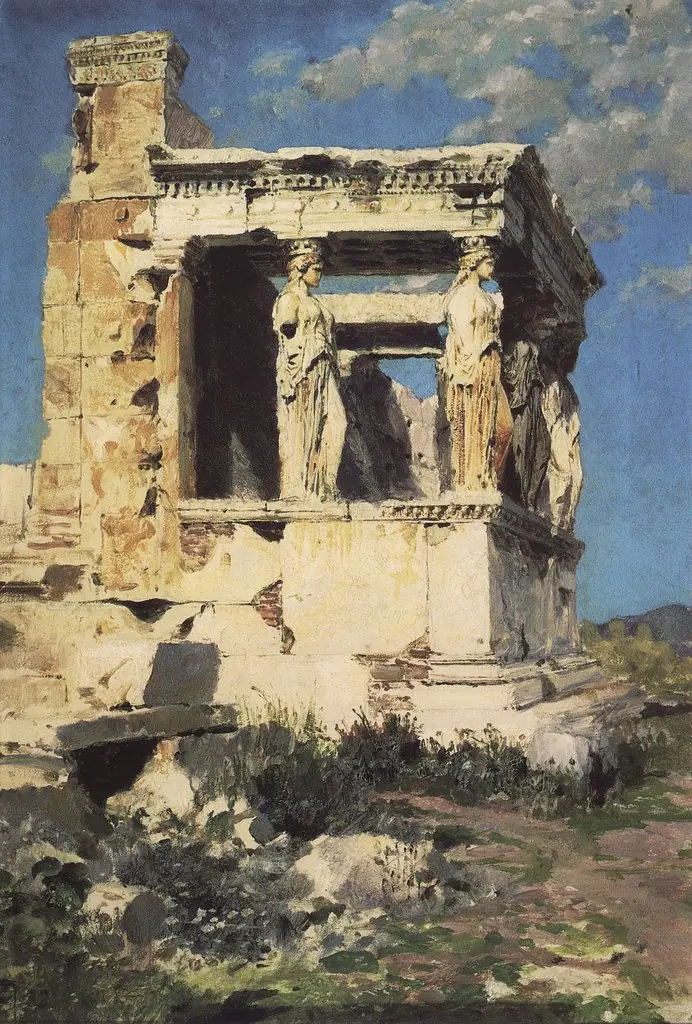
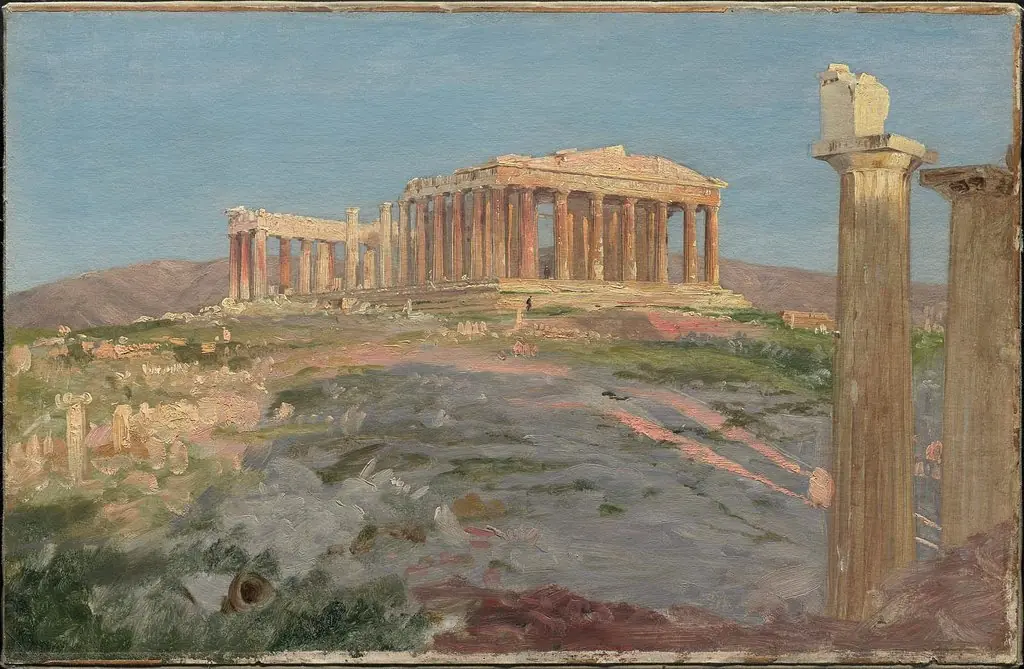
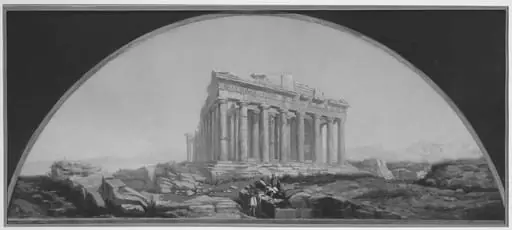
Parthenon is an oil painting by the Impressionist artist Vasily Polenov. It dates from 1891 and is held in the collection of the Tretyakov Gallery.
About this work
Overview
Created in 1891 by Russian landscape painter Vasily Dmitrievich Polenov, *Parthenon* is an oil on canvas that portrays the ancient Acropolis of Athens. The work belongs to the late‑19th‑century Peredvizhniki circle, a group known for realist tendencies, yet the painting adopts an impressionistic handling of light and atmosphere.
Subject & Meaning
The composition centers on the weathered Parthenon, its marble columns rising from a rugged outcrop under a muted sky. By emphasizing the building’s age and the soft, diffused light, Polenov suggests the passage of time and the enduring presence of cultural heritage, inviting contemplation of history’s quiet continuity.
Technique & Style
Polenov employs delicate, loosely applied brushstrokes that render the stone’s texture without precise detailing, creating a sense of tactile realism. The palette is restrained, with pale blues and earth tones that merge the sky and architecture, while subtle impasto in the foreground adds a faint three‑dimensional quality to the crumbling masonry.
History & Provenance
Since its completion, the painting has been part of the Tretyakov Gallery’s collection in Moscow, where it remains on display. Polenov, often dubbed the “Knight of Beauty” for blending European impressionist influences with Russian artistic ideals, viewed his work as a vehicle for fostering pleasure and optimism in viewers.
Own this work as a print
Artist & collection
Artist
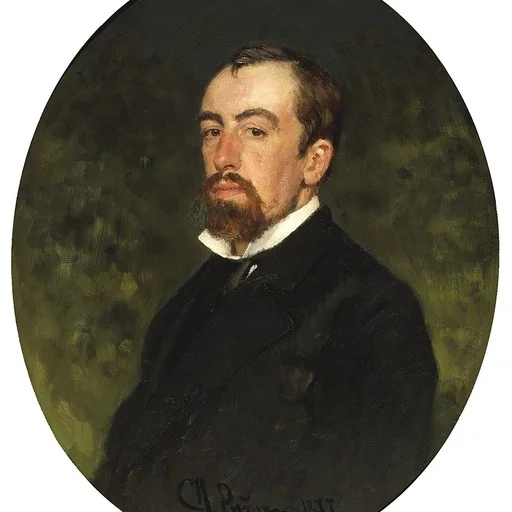
Vasily Dmitrievich Polenov (Russian: Василий Дмитриевич Поленов; 1 June 1844 – 18 July 1927) was a Russian landscape painter associated with the Peredvizhniki movement of realist artists.