Artwork
Una vestal
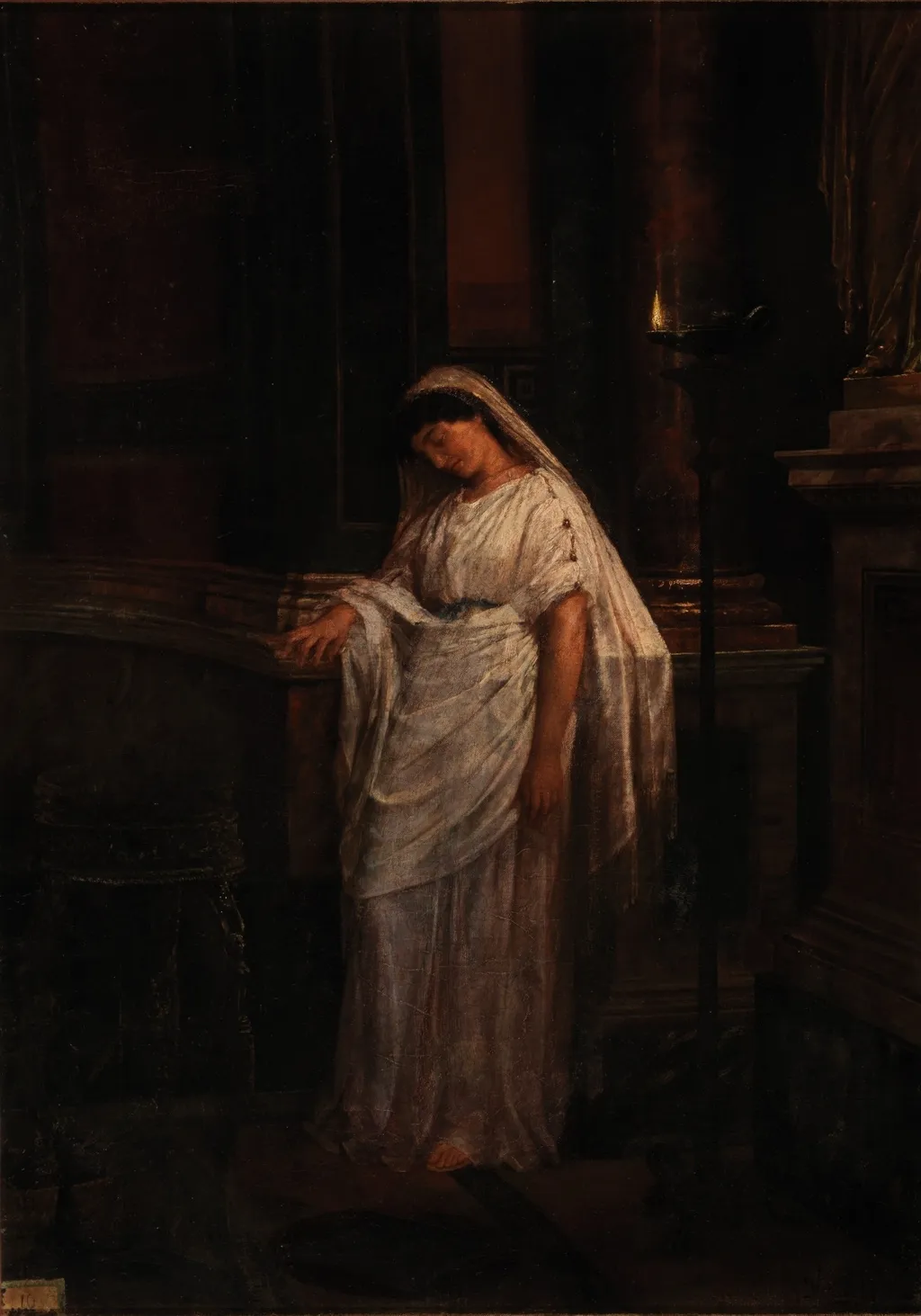
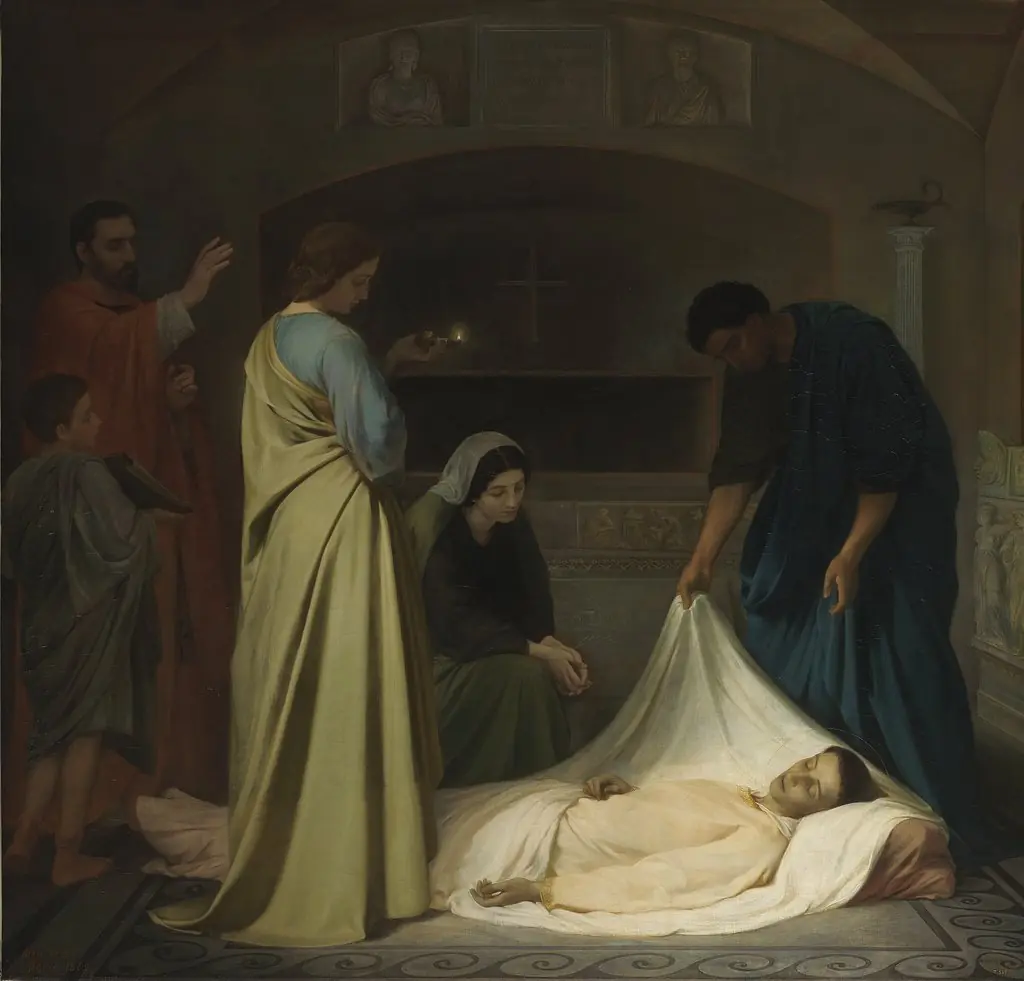
Una vestal is an oil painting by the Impressionist artist Alejo Vera. It dates from 1875 and is held in the collection of the Museo del Prado.
About this work
Overview
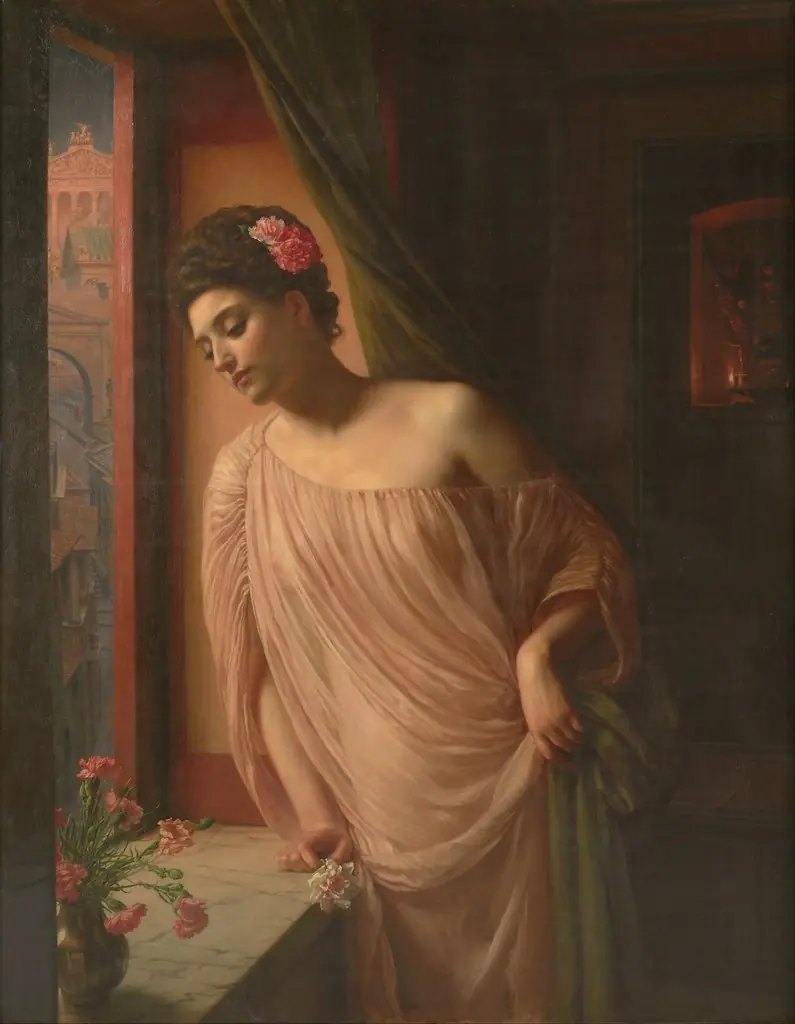
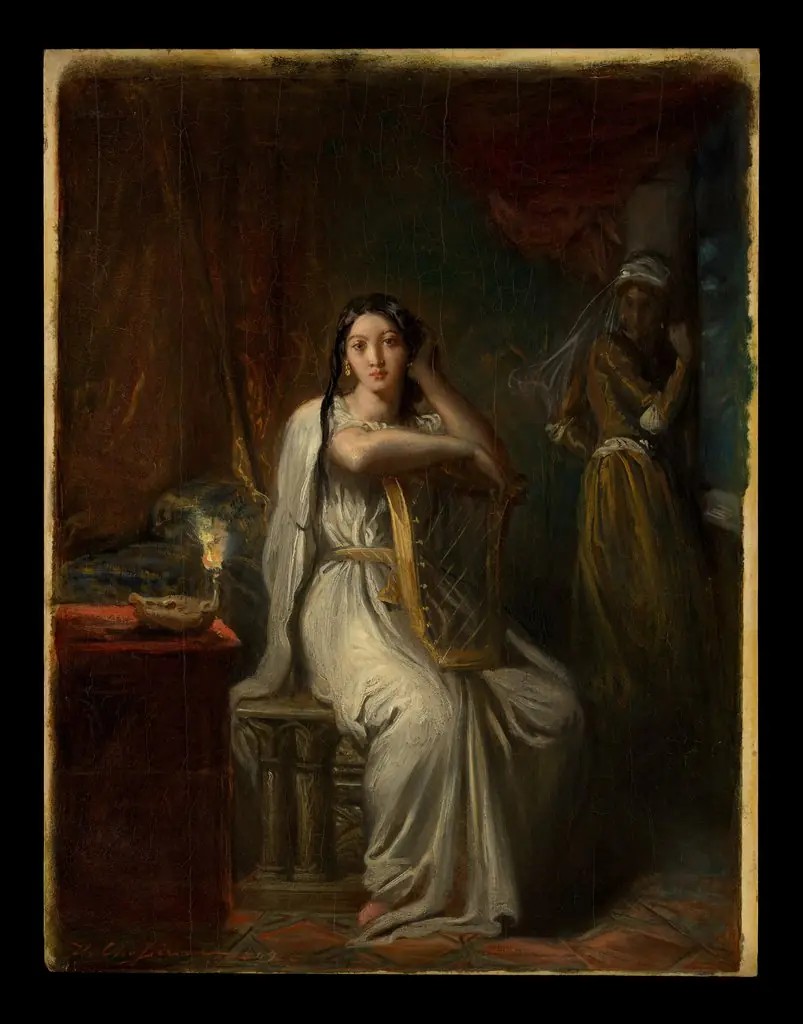
Painted in 1875 by Spanish artist Alejo Vera y Estaca, *Una vestal* is an oil on canvas work that portrays a Vestal Virgin in a quiet, dimly lit interior.
Painted in 1875 by Spanish artist Alejo Vera y Estaca, *Una vestal* is an oil on canvas work that portrays a Vestal Virgin in a quiet, dimly lit interior. Though Vera y Estaca is known for Romantic historical subjects, this piece diverges in its intimate focus and subdued lighting, suggesting an affinity with emerging naturalist and Impressionist sensibilities of the late 19th century. It resides in the Museo del Prado’s collection.
Subject & Meaning
The figure represents a Vestal Virgin, a priestess from ancient Rome entrusted with tending the eternal flame of Vesta, goddess of the hearth. Her bare feet, veiled head, and white robe signify ritual purity and devotion. The solitary setting and stillness imply a moment of private contemplation, emphasizing the weight of her sacred duty rather than public ceremony. The lone candle flame underscores the fragility and centrality of her role.
Technique & Style
Vera y Estaca employs chiaroscuro to model the figure with subtle gradations of light and shadow, drawing focus to the Vestal’s form against a near-black background. The brushwork is restrained, avoiding overt detail in favor of atmospheric effect. The dim illumination, concentrated on the face and hands, creates a sense of quiet introspection. This approach aligns more with tonal realism than the dramatic contrasts typical of High Romanticism.
History & Provenance
Completed in 1875, the painting entered the Museo del Prado’s collection shortly after its creation. It was likely acquired during a period when the museum expanded its holdings of 19th-century Spanish art. Unlike Vera y Estaca’s larger historical compositions, this intimate work was not widely exhibited in its time, contributing to its relative obscurity despite its technical refinement.
Context
In the late 19th century, Spanish artists increasingly turned from grand historical narratives toward quieter, psychologically resonant scenes. *Una vestal* reflects this shift, blending classical subject matter with contemporary attention to light and mood. While rooted in antiquity, its emotional tone and lighting resonate with the naturalism gaining ground in European painting, particularly in France and Spain.
Legacy
Though not widely reproduced or studied, *Una vestal* remains a notable example of how Spanish Romantic painters engaged with emerging visual languages. Its restrained composition and emphasis on atmosphere anticipate later trends in Spanish realism. The painting endures as a quiet meditation on devotion, preserved in one of Europe’s most significant public collections.
Own this work as a print
Artist & collection
Artist
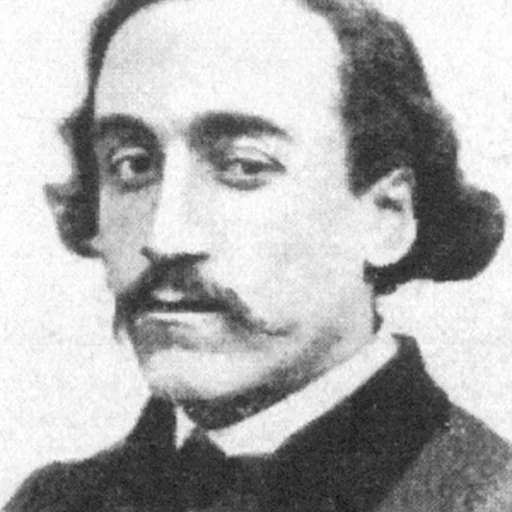
Alejo Vera y Estaca (14 July 1834, Viñuelas – 4 February 1923, Madrid) was a Spanish painter in the Romantic style who specialized in history painting.