Artwork
Ivan Zarevitsh
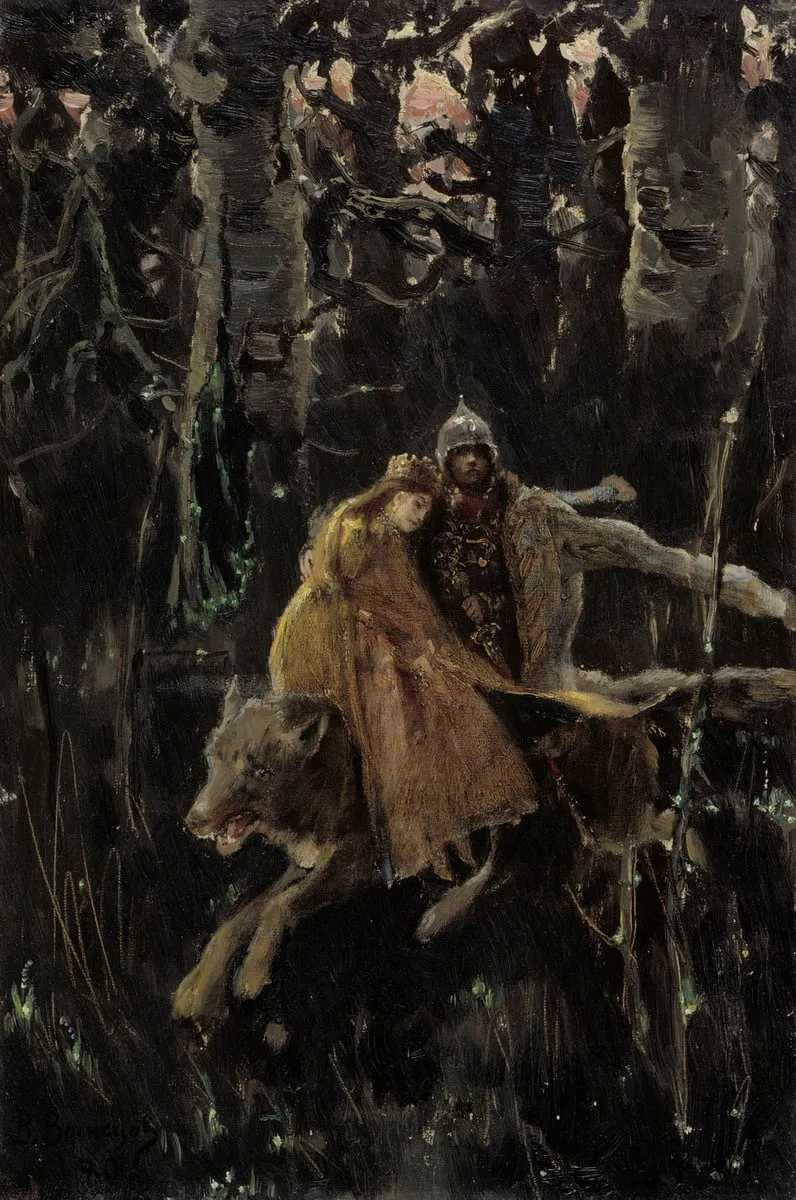
Ivan Zarevitsh is an unspecified painting by Viktor Mihailovitš Vasnetsov. It is held in the collection of the Finnish National Gallery. The painting depicts a mythic journey through a dense, shadowed forest, featuring two figures mounted on a massive wolf.
About this work
Overview
The painting depicts a mythic journey through a dense, shadowed forest, featuring two figures mounted on a massive wolf.
The painting depicts a mythic journey through a dense, shadowed forest, featuring two figures mounted on a massive wolf. The composition is dominated by dark tones and heavy brushwork, creating an atmosphere of mystery and movement. The figures, one crowned and cloaked in fur, the other armored, suggest royal or legendary status. The wolf’s imposing form and the tangled trees reinforce a sense of primal, otherworldly travel.
Subject & Meaning
The figures likely represent Ivan Zarevitsh, a character from Russian folklore, and a companion, embarking on a supernatural quest. The wolf, a symbol often tied to transformation and the spirit world in Slavic tales, carries them through an enchanted landscape. The scene evokes a moment between the human and the magical, where authority and endurance are tested in a realm beyond ordinary reality.
Technique & Style
The artist employs impasto to build texture across the canvas, applying paint thickly to emphasize the wolf’s shaggy fur, the rough bark of trees, and the weight of the riders’ garments. This tactile approach enhances the scene’s raw, untamed quality. The visible brushstrokes do not aim for polish but instead convey energy and immediacy, aligning with a romanticized, emotionally charged aesthetic.
History & Provenance
The work is attributed to a 19th-century Russian painter influenced by national folklore and the Romantic movement. It was likely created during a period of renewed interest in Slavic myths and peasant traditions. While its early ownership is undocumented, it entered institutional collections in the early 20th century, where it was preserved as an example of narrative painting rooted in cultural heritage.
Context
Created amid a broader cultural revival of Russian folk narratives, the painting reflects 19th-century efforts to define a distinct national artistic identity. Artists turned to legends and rural imagery to contrast with Western European traditions. This work aligns with contemporaneous illustrations of fairy tales and epic poetry, serving as a visual counterpart to literary rediscoveries of the time.
Legacy
The painting remains a reference point in studies of Russian Romanticism and the use of myth in visual art. Its textured surface and dramatic subject matter influenced later illustrators of folk tales, particularly those seeking to evoke emotional depth through materiality rather than realism. It continues to be studied for its synthesis of narrative, technique, and cultural symbolism.
Artist & collection
Artist
Viktor Vasnetsov painted scenes straight from Russian folklore, giving folk tales a painterly life.

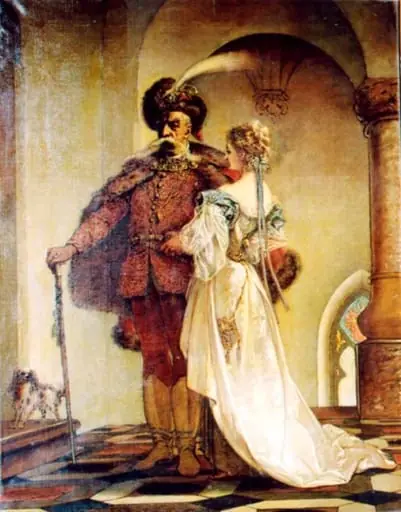 Bottyan cel orb cu fiica sa
 Grev Otto af Oldenborg og det oldenborgske horn
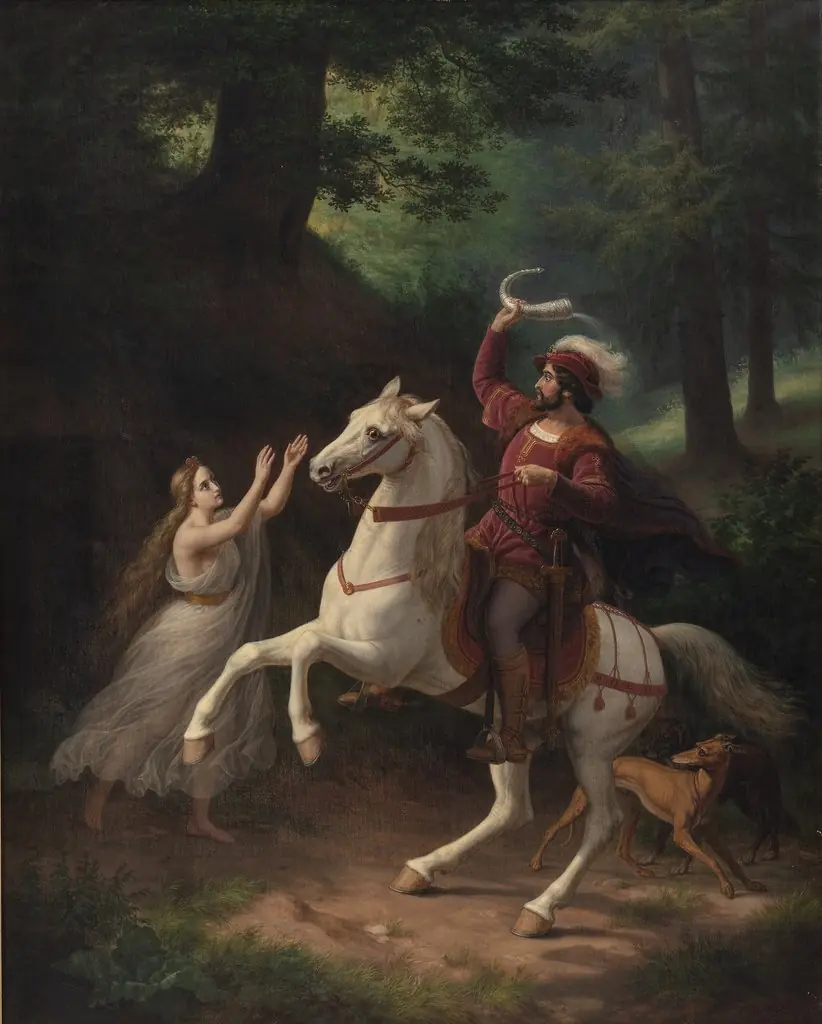 Grev Otto af Oldenborg og det oldenborgske horn
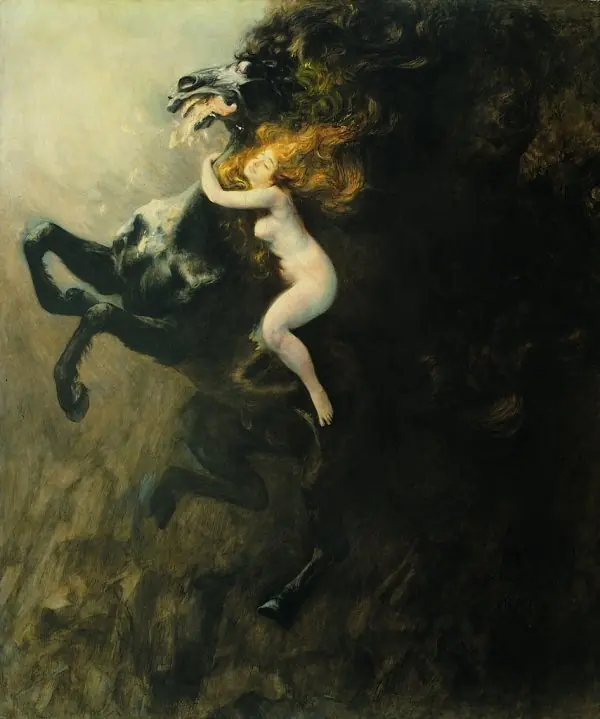 Frenzy of Exultations
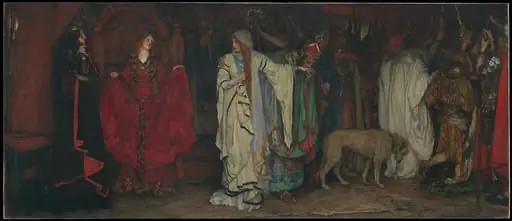 "King Lear," Act I, Scene I
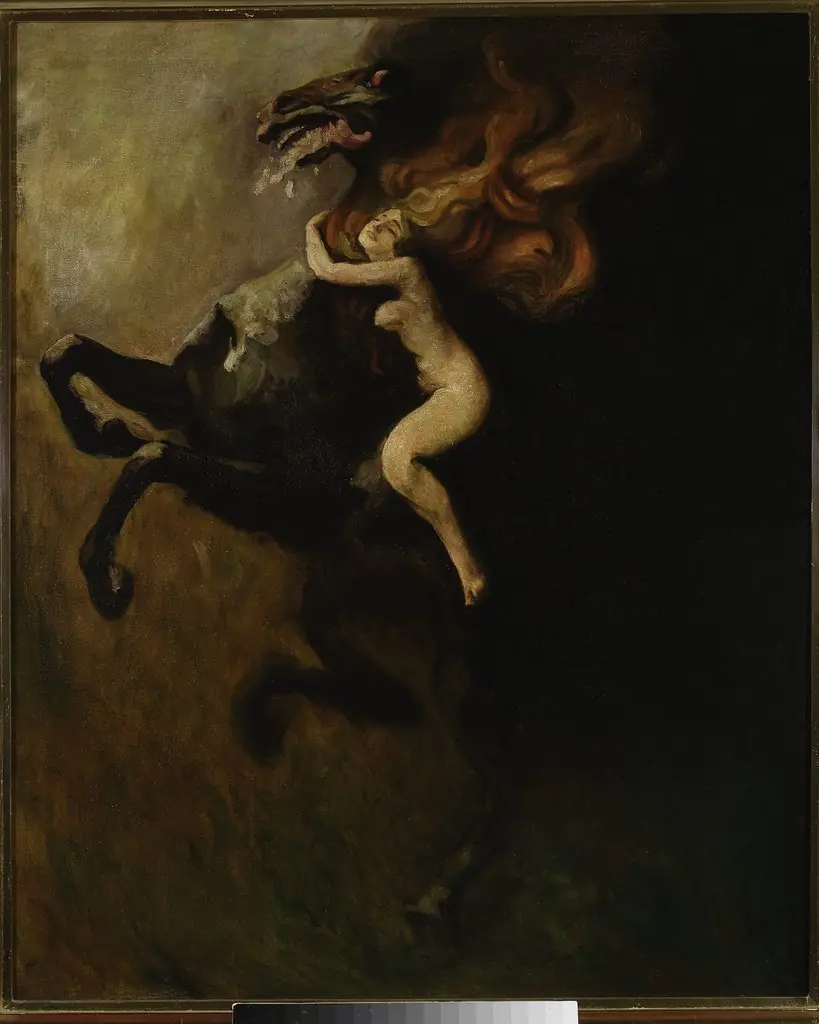 Frenzy, sketch
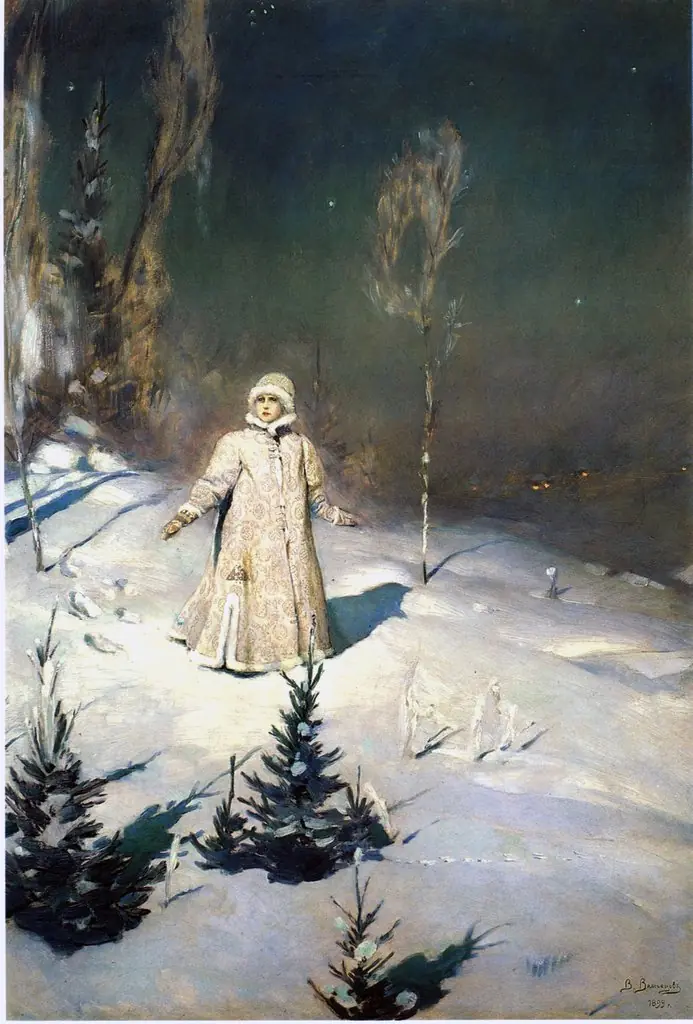 Snow Maiden
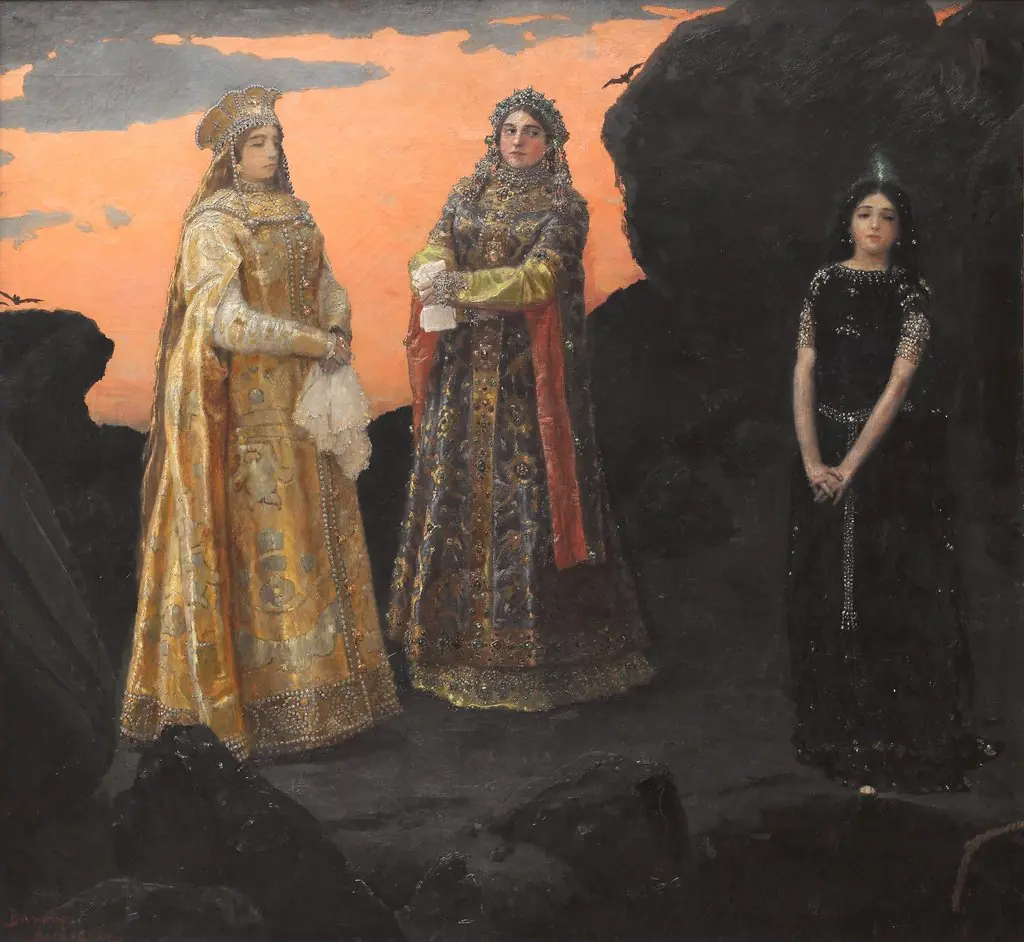 Three Princesses of the Underground Kingdom
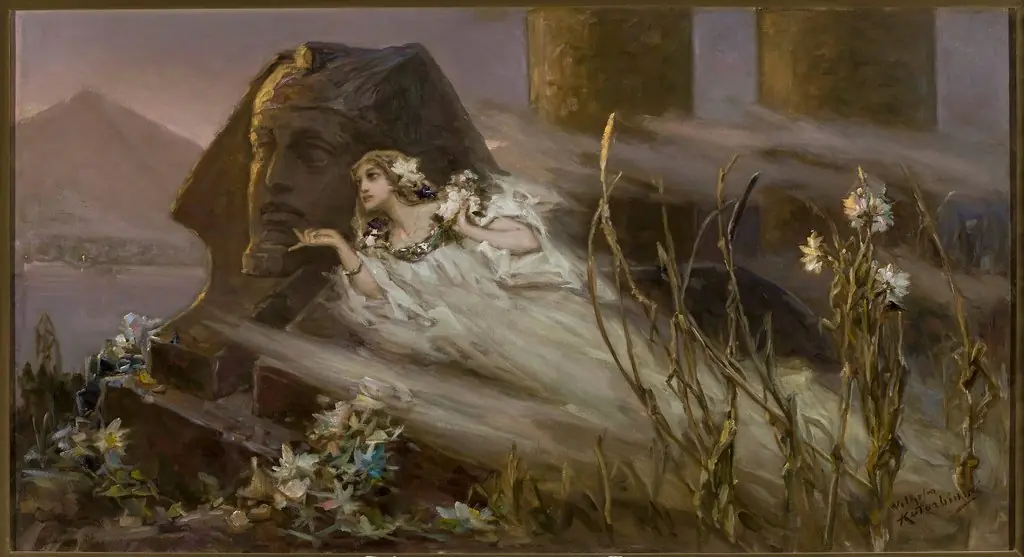 Sphinx and a woman phantom
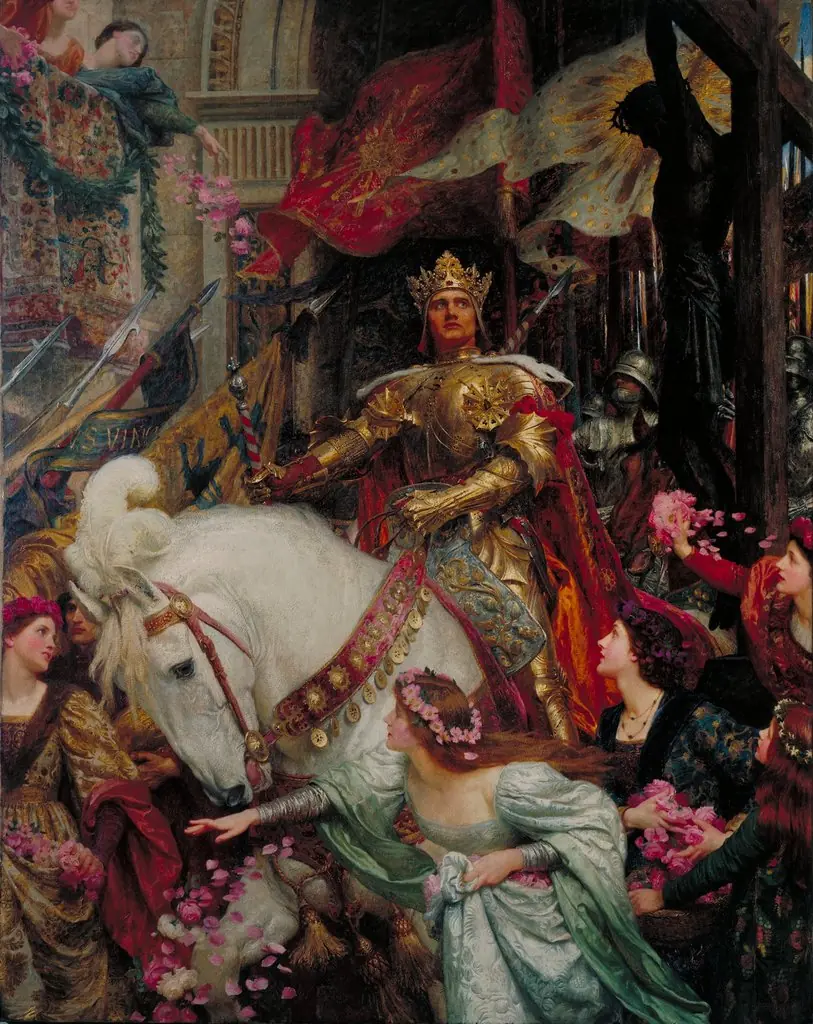 The Two Crowns
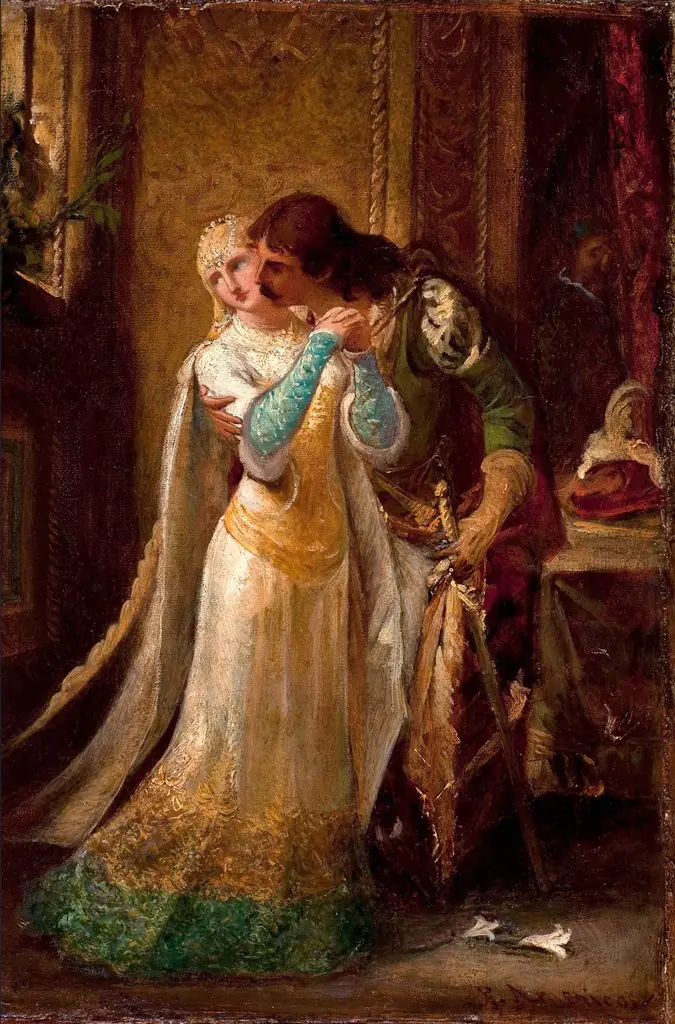 Faust and Gretchen
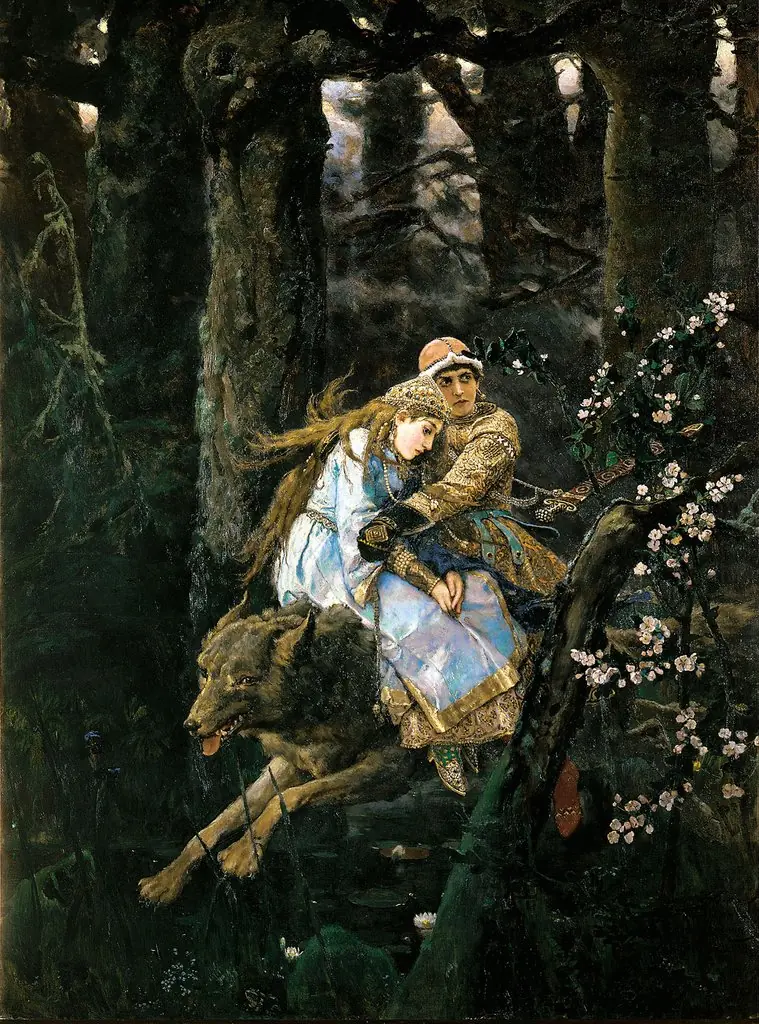 Ivan Tsarevich on the Grey Wolf