Artwork
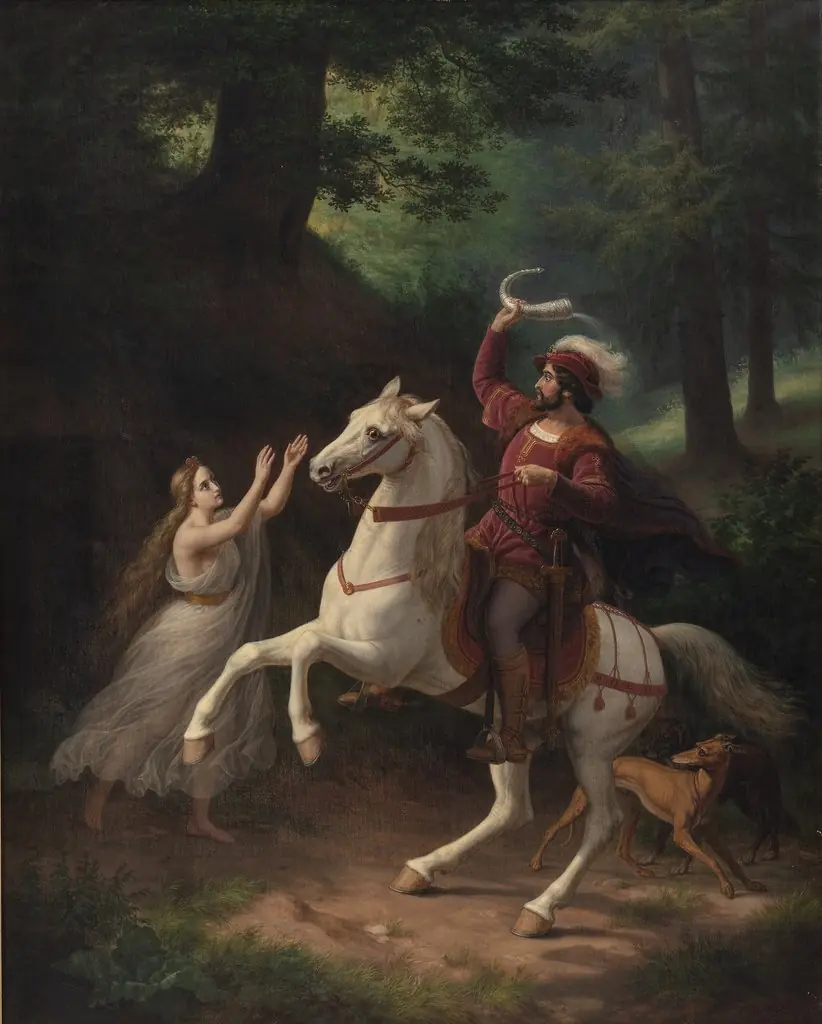
Grev Otto af Oldenborg og det oldenborgske horn
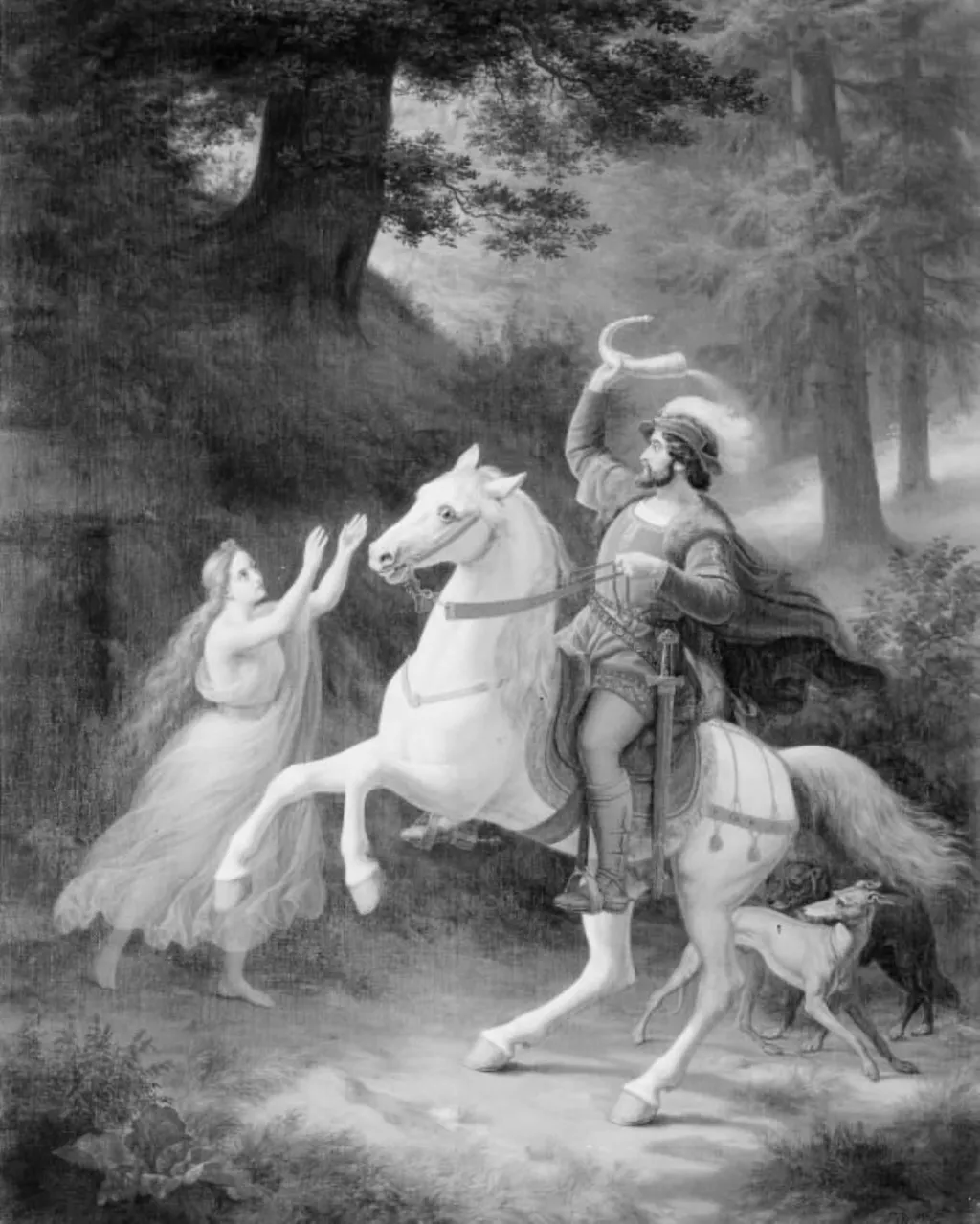
Grev Otto af Oldenborg og det oldenborgske horn is a photography by the Impressionist artist Unknown. It dates from 1862 and is held in the collection of the Statens Museum for Kunst.
About this work
Overview
Painted in 1862, this work depicts Grev Otto af Oldenborg on horseback, accompanied by a dog and a woman in white, set within a hazy woodland.
Painted in 1862, this work depicts Grev Otto af Oldenborg on horseback, accompanied by a dog and a woman in white, set within a hazy woodland. The artist employed a soft, atmospheric technique to evoke a sense of quiet reverie. Though titled with a historical figure, the scene leans toward poetic suggestion rather than documentary precision. It resides in the collection of the Museum of Ethnography, where its symbolic tone contrasts with the institution’s usual ethnographic focus.
Subject & Meaning
The figure of Grev Otto, clad in knightly attire, holds a curved horn—likely a family emblem—while a woman in white reaches for his horse’s bridle. The dog, a symbol of loyalty, moves beside them. The mist-laden forest and the woman’s gesture suggest a moment suspended between memory and myth. The scene does not illustrate a known historical event but evokes themes of lineage, duty, and the elusive nature of noble heritage.
Technique & Style
The artist used loose brushwork and muted tones to dissolve edges, creating a dreamlike haze. Light filters diffusely through the trees, blurring the boundaries between figures and environment. This approach prioritizes mood over clarity, aligning with emerging Romantic tendencies in Scandinavian art. The lack of sharp detail invites contemplation rather than narrative certainty, emphasizing emotional resonance over realism.
History & Provenance
Created in 1862, the painting entered the Museum of Ethnography’s collection shortly after its completion. Its presence there, among cultural artifacts rather than fine art, suggests early interest in its symbolic representation of Nordic identity. While the artist’s full name is not widely documented, the work’s preservation reflects a 19th-century effort to visually anchor regional legends within institutional memory.
Context
In mid-19th-century Denmark, there was a surge of interest in medieval folklore and noble lineages as part of national identity formation. This painting emerged alongside literary and artistic efforts to revive romanticized visions of the past. Though not a historical portrait, it participates in a broader cultural movement that sought to connect contemporary identity with imagined ancestral worlds through visual symbolism.
Legacy
The painting’s atmospheric style influenced later Scandinavian artists exploring memory and myth in landscape. Its placement in an ethnographic museum, rather than a fine arts institution, underscores its role as a cultural artifact—more emblem than artwork. It remains a quiet example of how Romantic sensibilities were adapted to express national heritage without overt political messaging.
Artist & collection

 Domestic Scene
 Giacomo and Cardinal Marco, investing Andrea, Abbot of San Zeno, with his Benefice
 The Nymph of Fontainebleau
 Portrait of a Woman
 Madonna and Child with Saints in the Enclosed Garden
 Venus and Minerva
 Family Group of Four on Sofa
 Wall painting from Room H of the Villa of P. Fannius Synistor at Boscoreale
 Captives
 Wacław's farewell to Maria
 Beheading of a Martyr
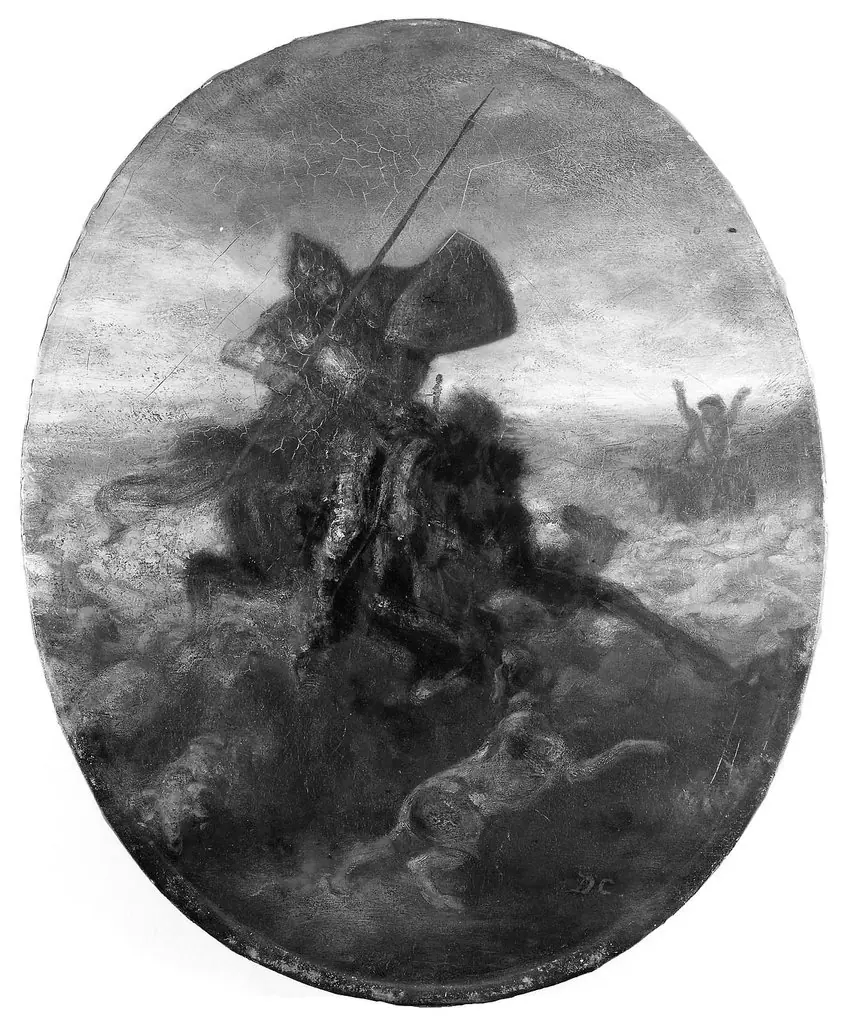 Don Quixote Charging the Sheep
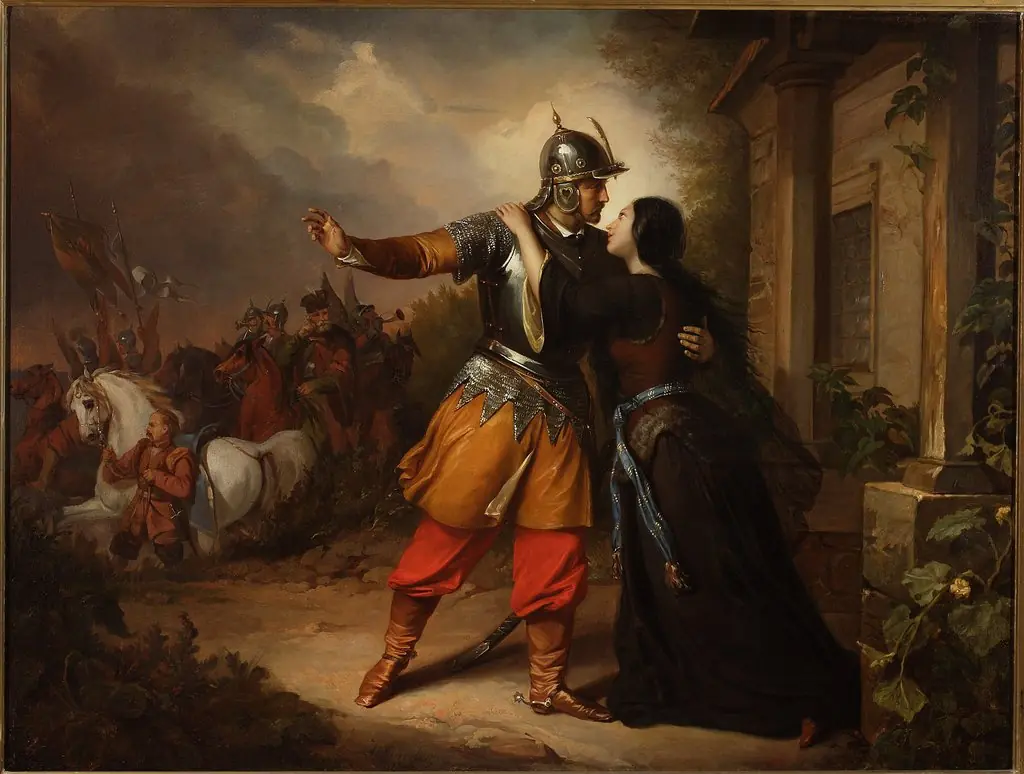 Wacław's farewell to Maria
 Rytterfægtning
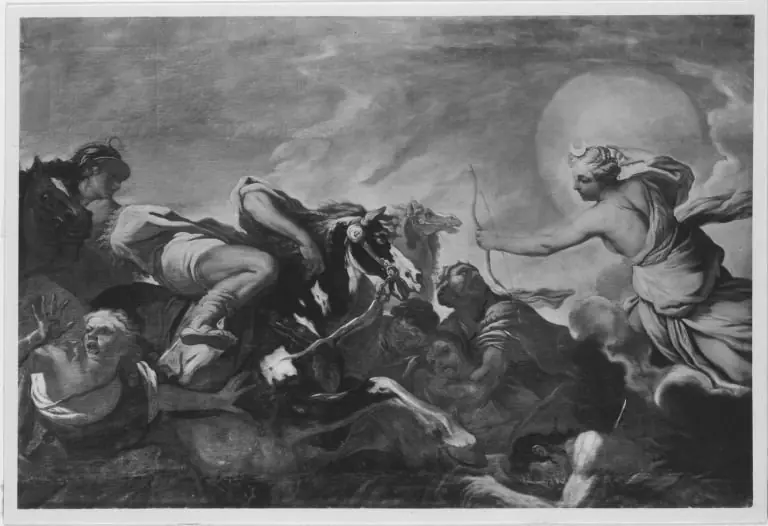 Diana tötet die Kinder der Niobe
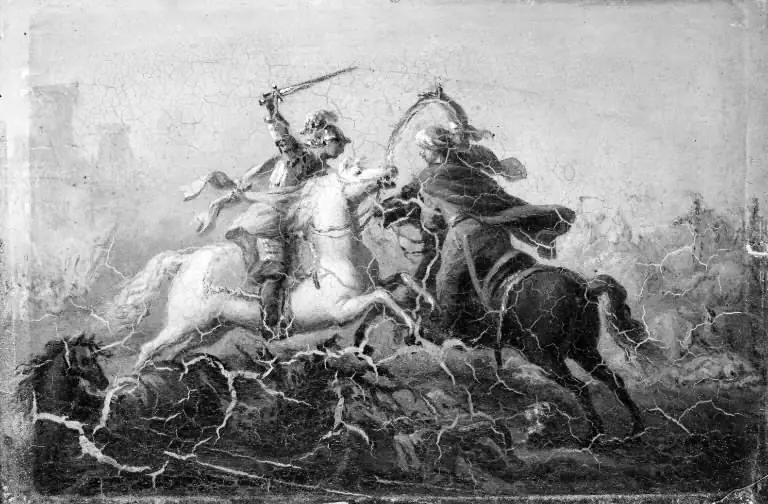 En kristen og en tyrkisk ridder kæmper til hest
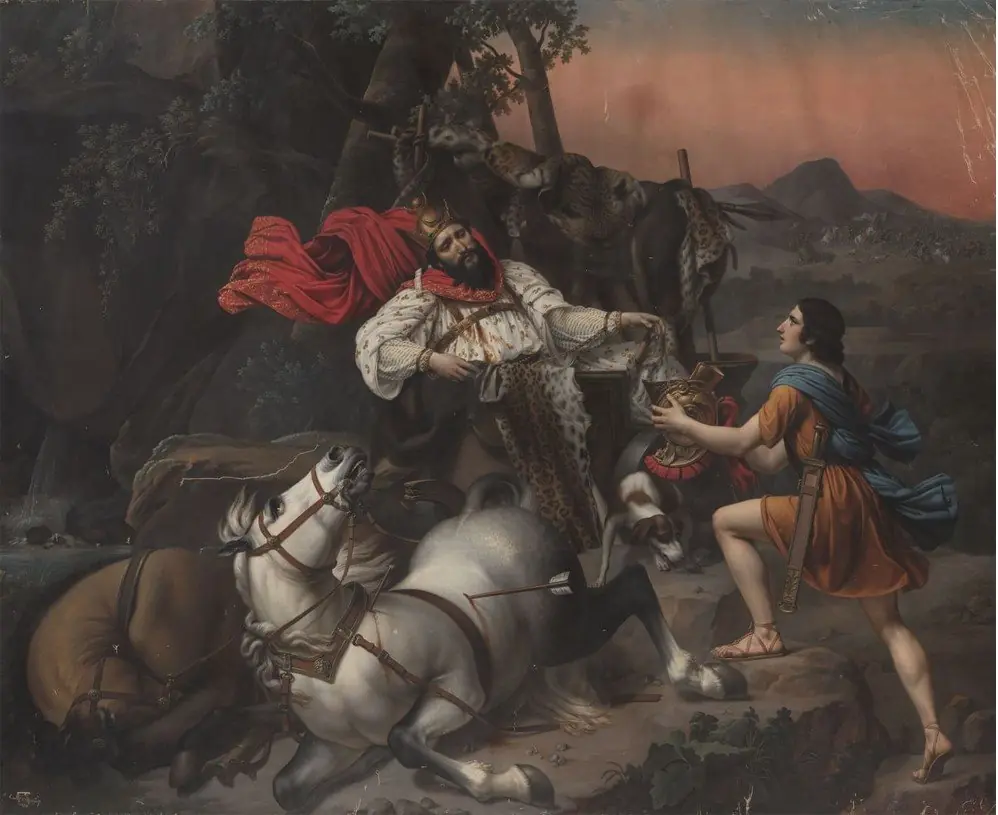 The Death of Darius
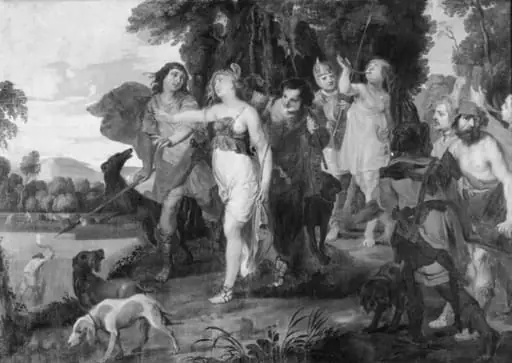 Hunting Party with Diana
 Grev Otto af Oldenborg og det oldenborgske horn
 Medos og Angelica