Artwork
Capri
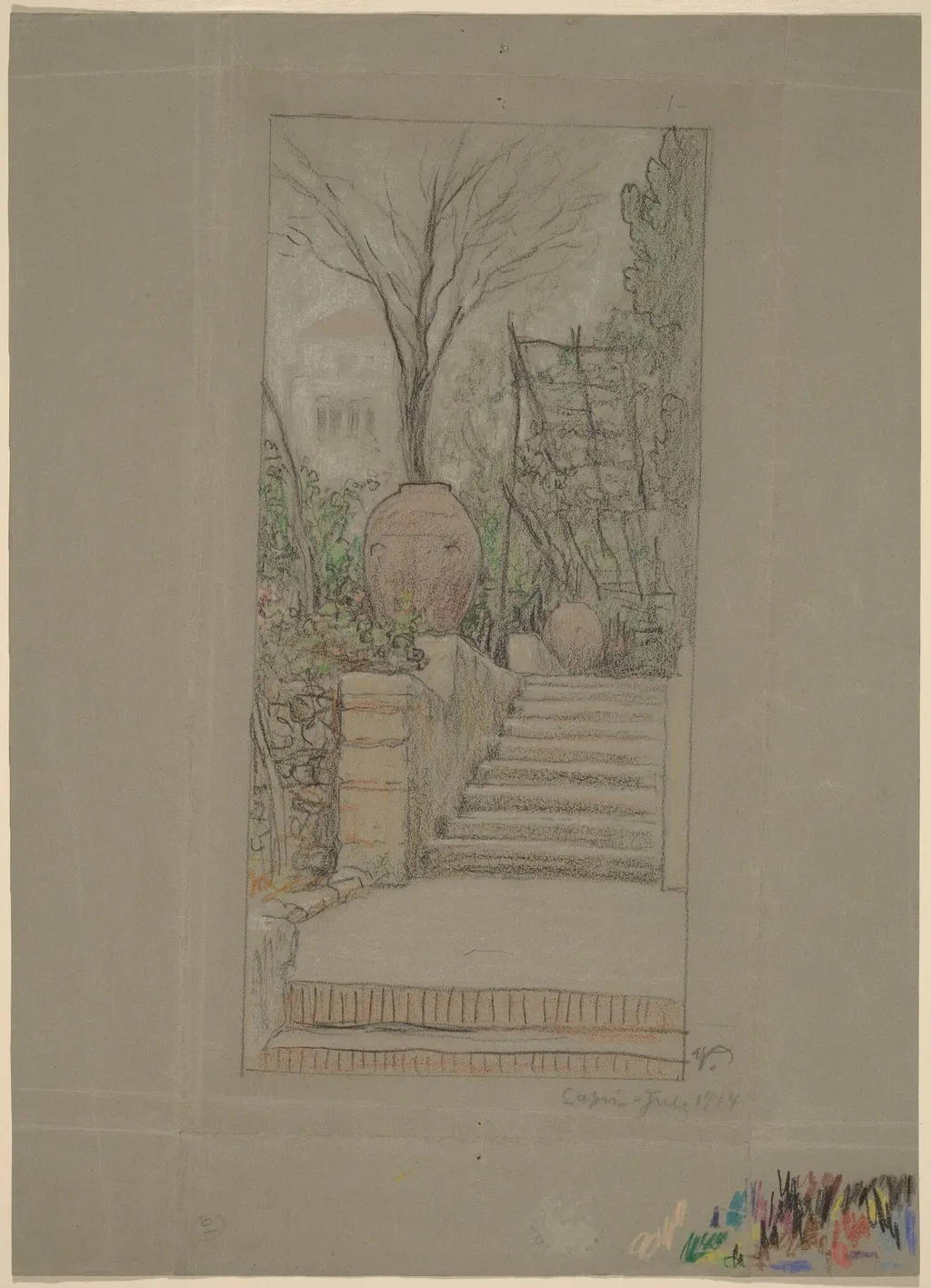
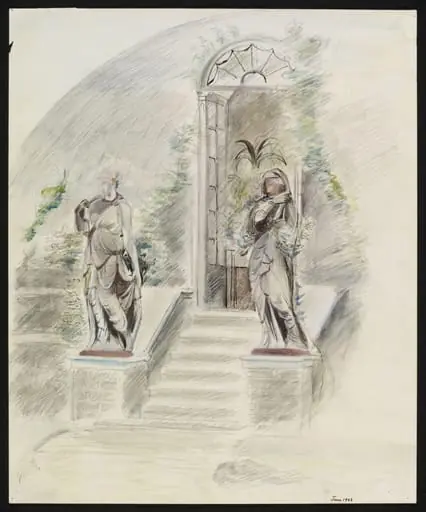
Capri is a pastel drawing by Elihu Vedder. It dates from 1914 and is held in the collection of the National Gallery of Art.
About this work
Overview
Capri is a 1914 drawing by Elihu Vedder, created using pastel and charcoal on wove paper. The work embodies Vedder's affinity for symbolic themes, characteristic of his broader oeuvre as an American symbolist artist.
Subject & Meaning
The piece depicts a serene garden scene with architectural elements, conveying a sense of tranquility. The composition, featuring sparse vegetation and monumental pots, suggests an emphasis on contemplative atmosphere over detailed representation.
Technique & Style
Vedder employed quick, sketchy lines and soft pastel colors, predominantly grays, greens, and a hint of orange, to achieve a smudged, impressionistic effect. The medium's inherent blurriness complements the artwork's dreamy, symbolic quality.
History & Provenance
Created in 1914, Capri reflects Vedder's ongoing exploration of symbolism, a movement prioritizing emotional and conceptual depth. His experience illustrating literary works, notably The Rubaiyat of Omar Khayyam, likely influenced this approach.
Context
Capri sits within the early 20th-century symbolist movement, which valued subjective experience and often drew inspiration from literature and nature. Vedder's American background and European influences may have further nuanced his interpretation of this aesthetic.
Legacy
While specific legacy details of Capri are not highlighted, it contributes to Vedder's broader legacy as a symbolist artist, illustrating the enduring appeal of his thematic and technical explorations in early 20th-century art.
Artist & collection

Artist
Elihu Vedder (26 February 1836 – 29 January 1923) was an American symbolist painter, book illustrator and poet from New York City.

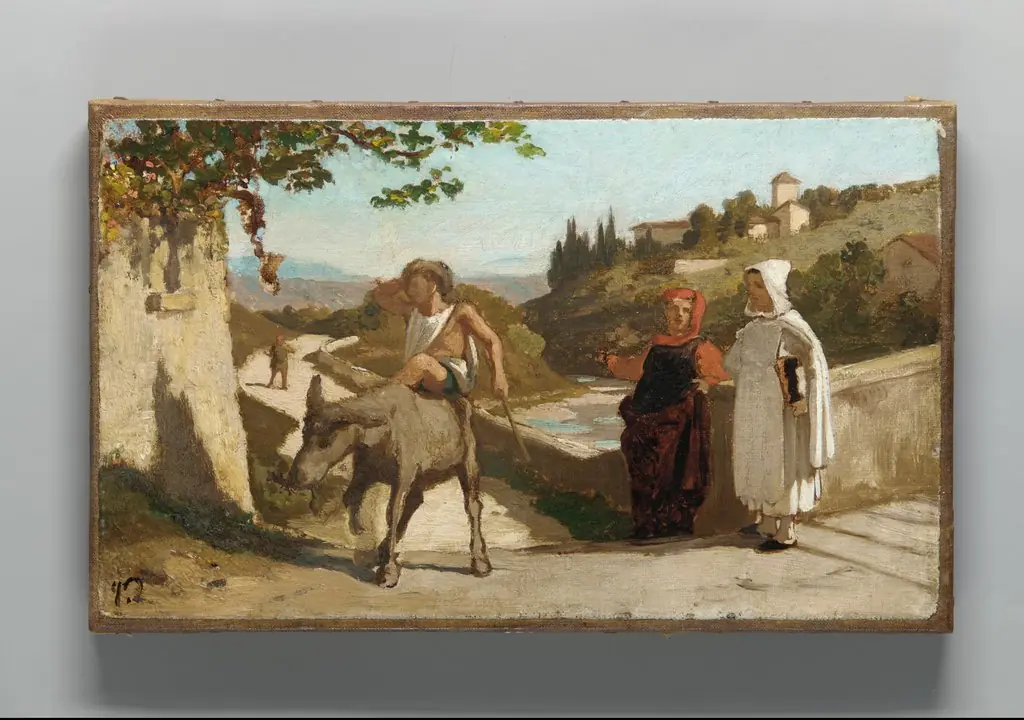 The Fable of the Miller, His Son, and the Donkey
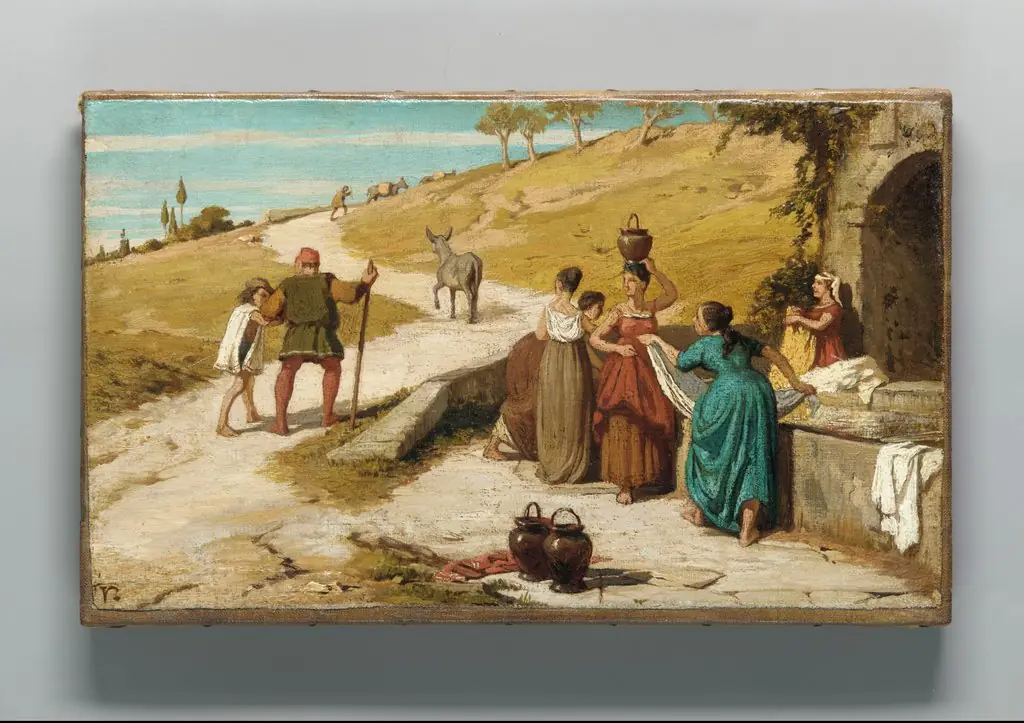 The Fable of the Miller, His Son, and the Donkey
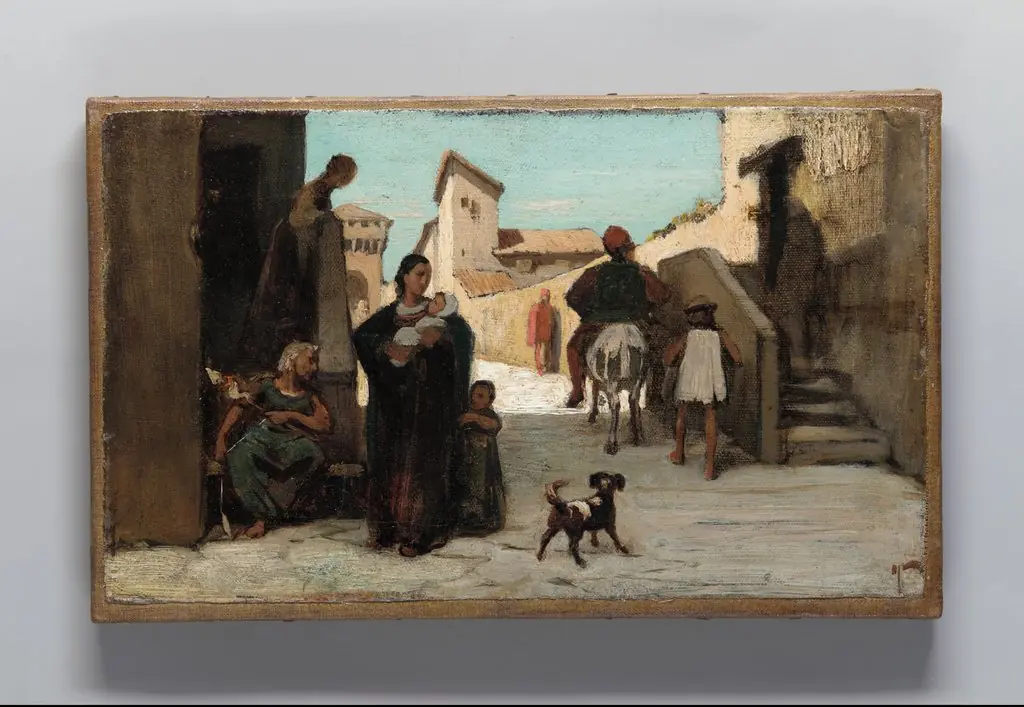 The Fable of the Miller, His Son, and the Donkey
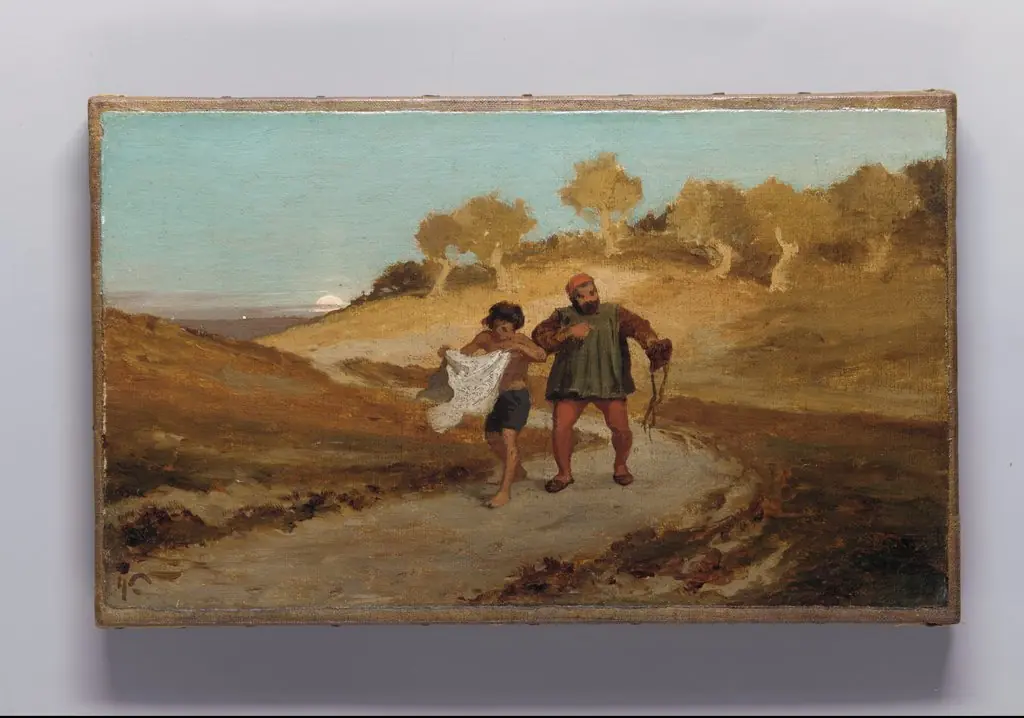 The Fable of the Miller, His Son, and the Donkey
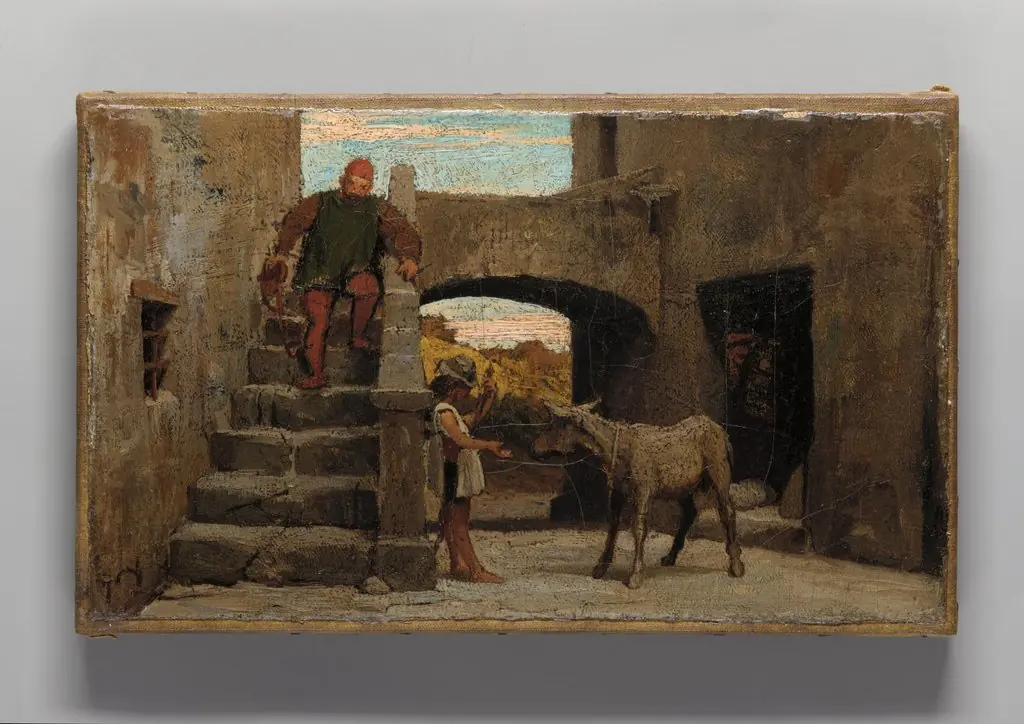 The Fable of the Miller, His Son, and the Donkey
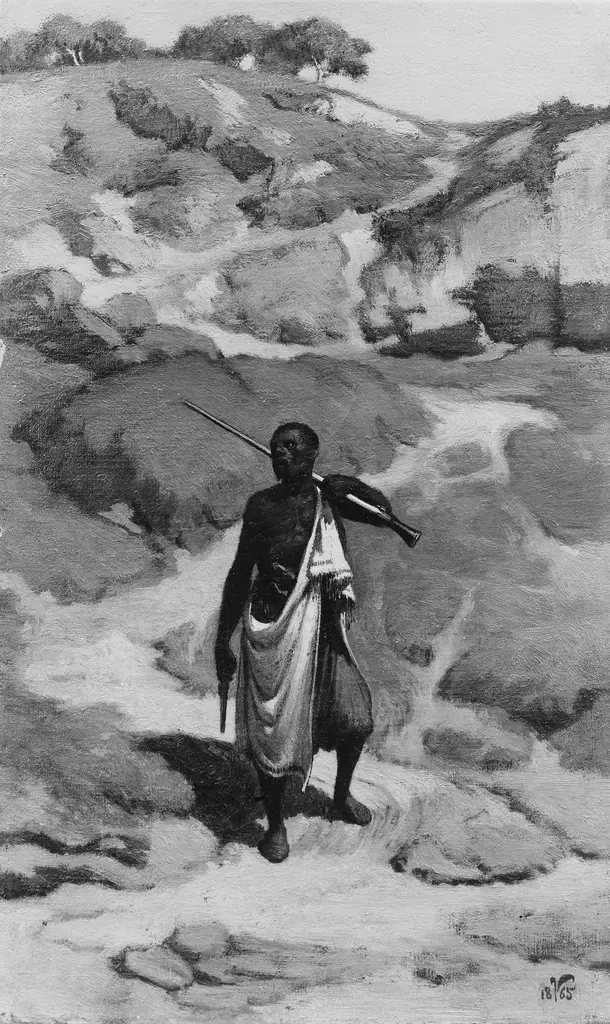 The African Sentinel
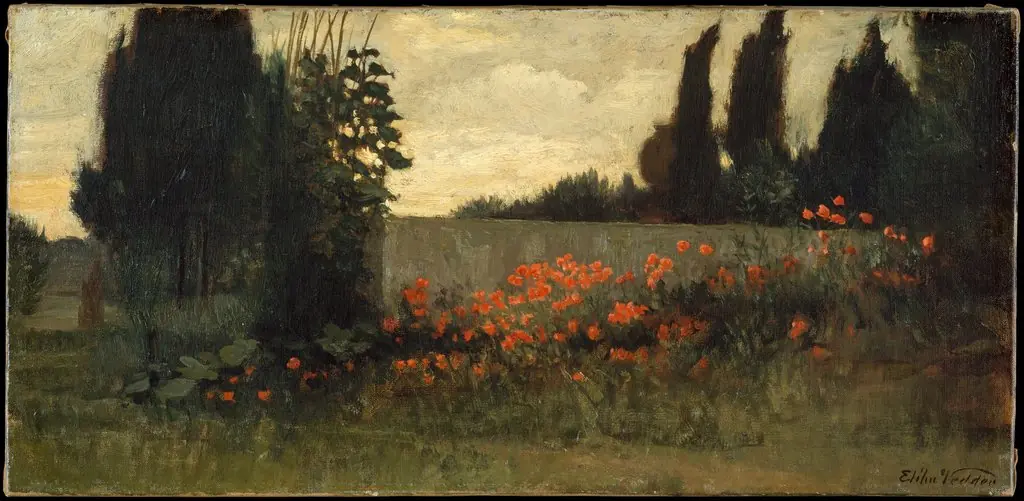 Cypress and Poppies
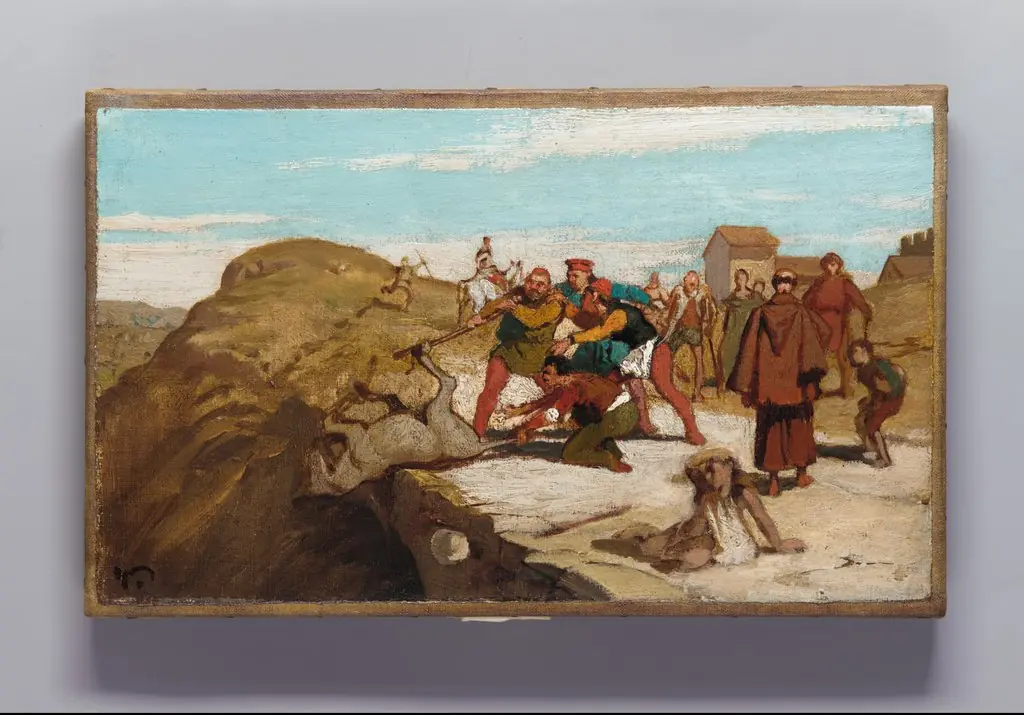 The Fable of the Miller, His Son, and the Donkey
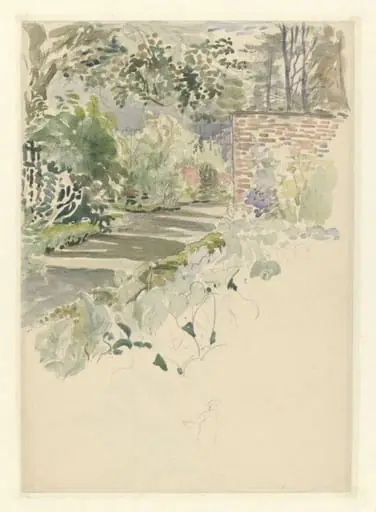 Sketch of the garden at Gwaynynog for the frontispiece of <i>The Tale of the Flopsy Bunnies</i>
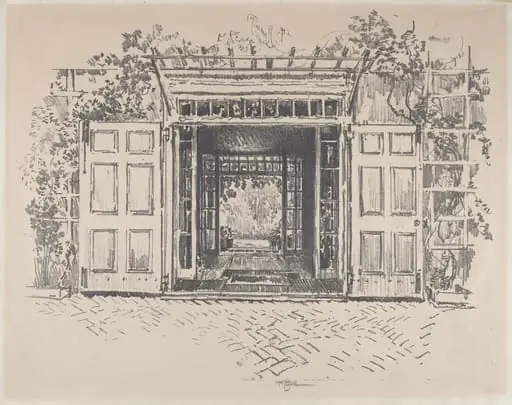 Doorway, Wyck
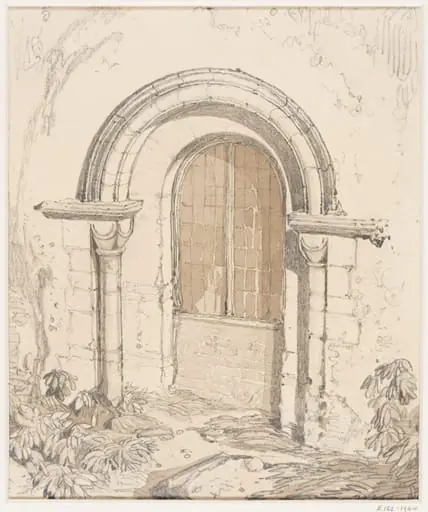 Norman doorway of St. Mary's Church, Thetford, Suffolk
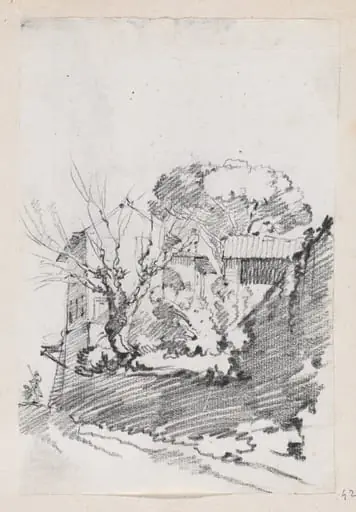 Houses beside a Road in Italy
 Grove House, Regent's Park
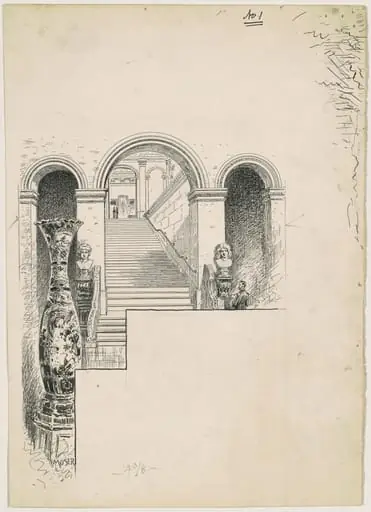 Paintings
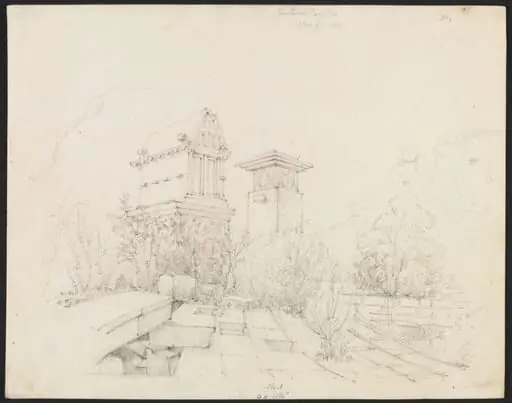 Theatre at Xanthus
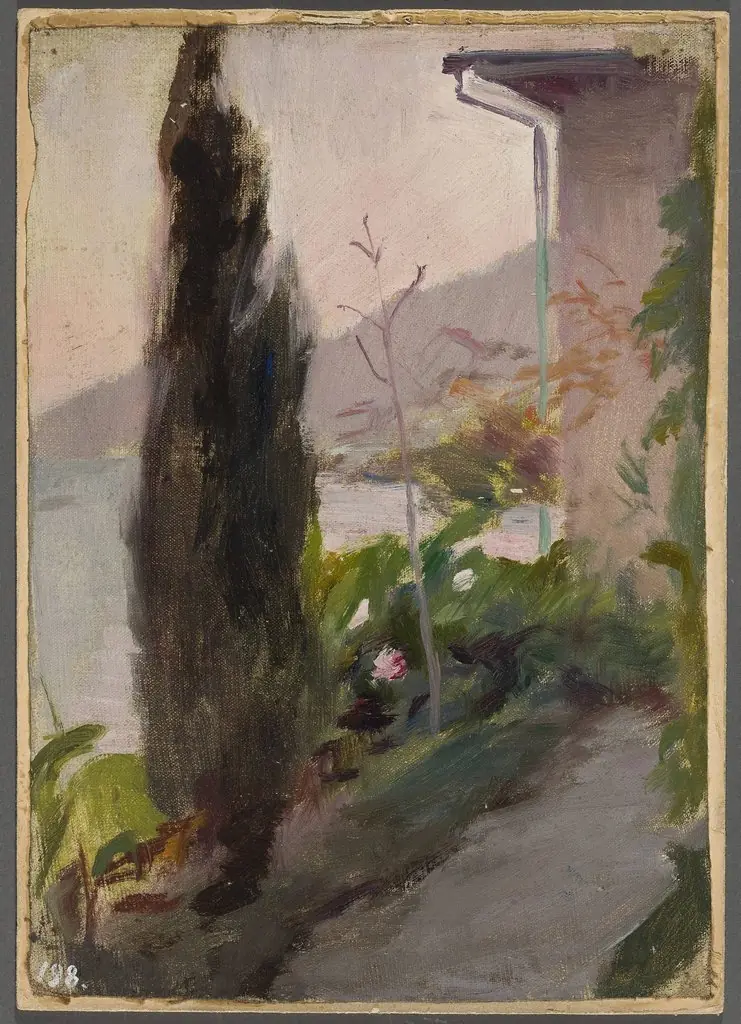 Garden of the Bakhchi-Dere villa in Yalta. From the journey to Crimea
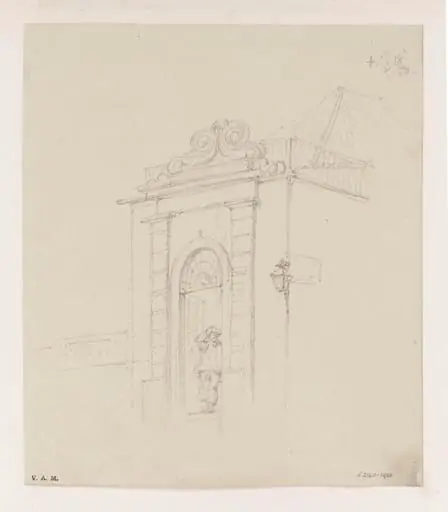 A figure in a doorway, Macau