Artwork
Houses beside a Road in Italy
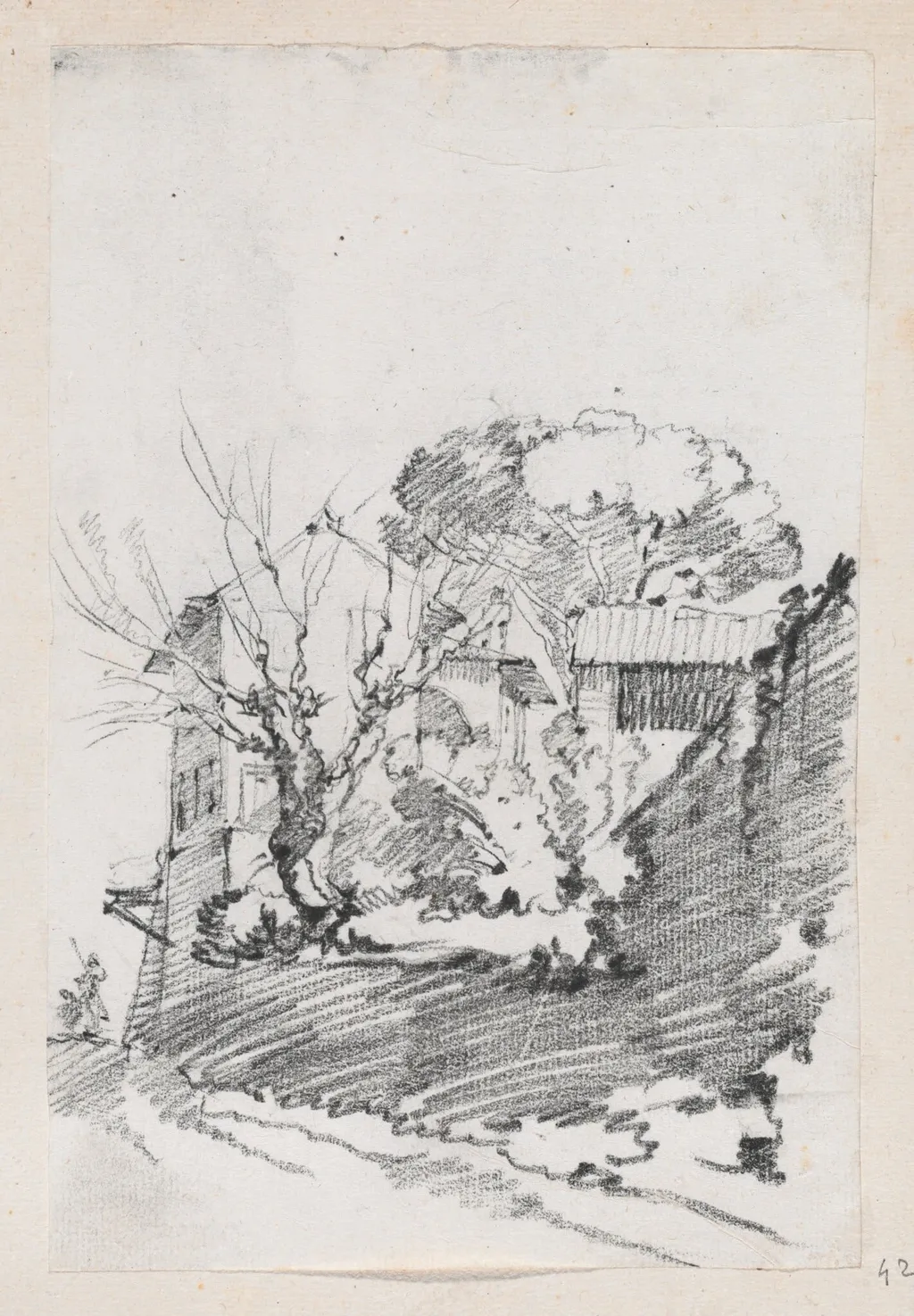
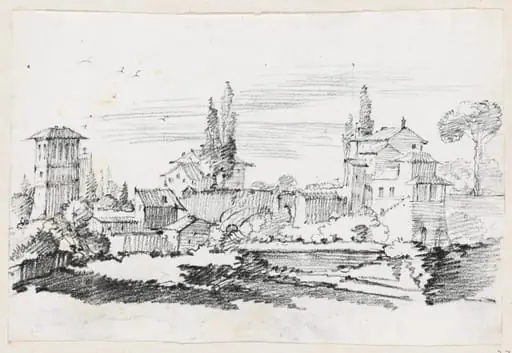
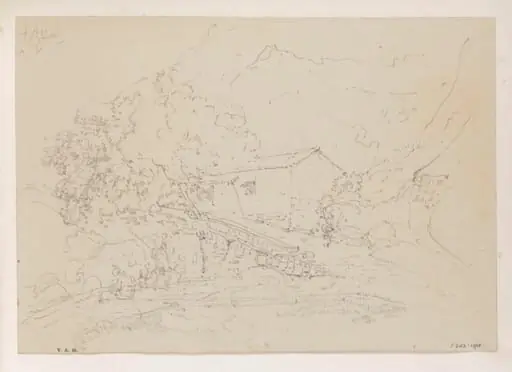
Houses beside a Road in Italy is a graphite drawing by the Baroque artist Joseph-Marie Vien. It dates from 1747 and is held in the collection of the National Gallery of Art.
About this work
Overview
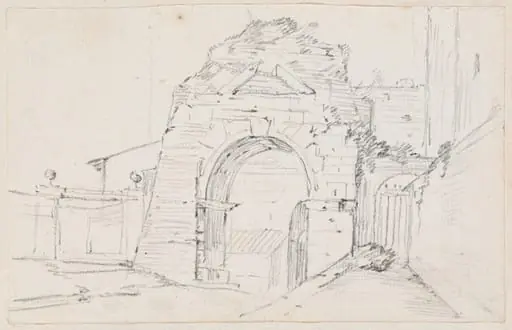
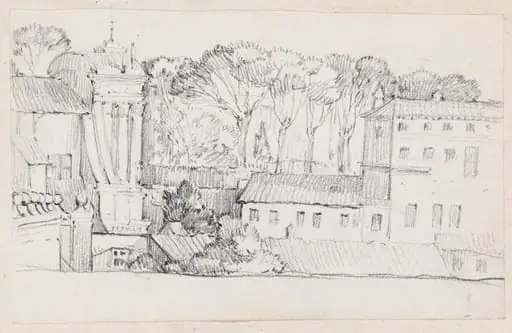
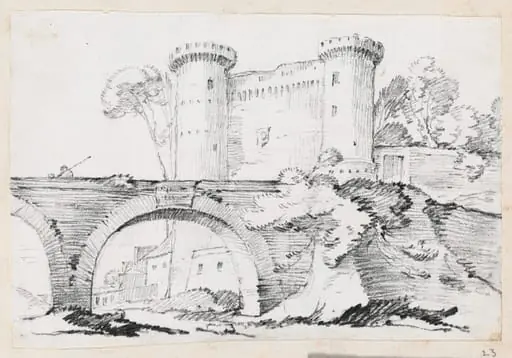
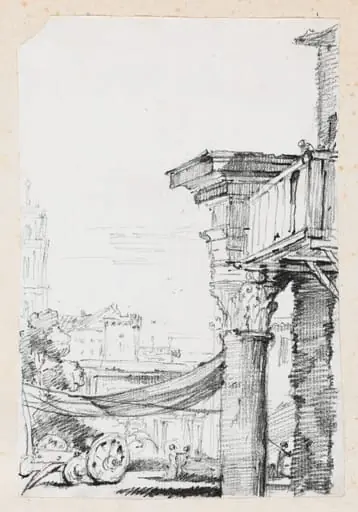
Created in 1747, this graphite drawing by Joseph-Marie Vien captures a modest Italian roadside scene. Executed on laid paper, it reflects an early stage in the artist’s career, before his later appointment as Premier peintre du Roi. The work is not a polished composition but a spontaneous observation, suggesting Vien’s engagement with direct study from nature during his time in Italy.
Subject & Meaning
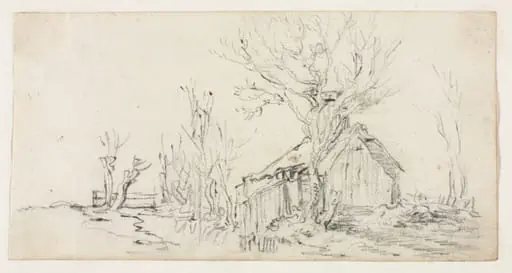
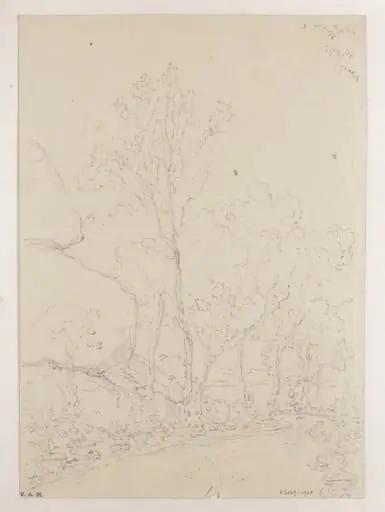
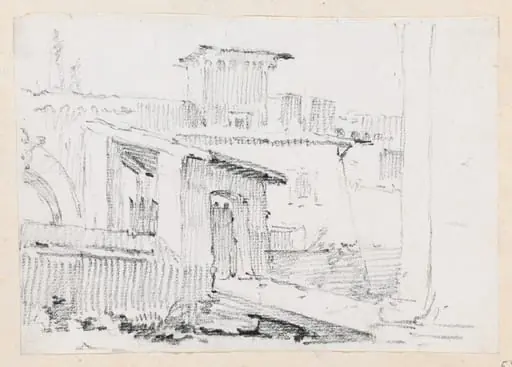
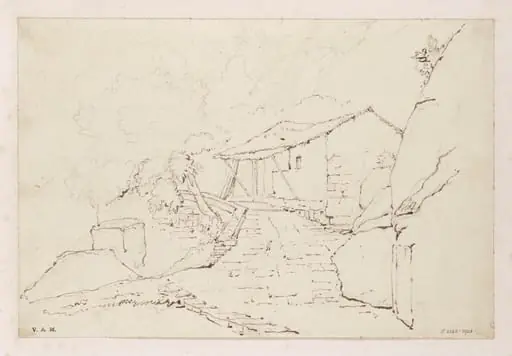
The drawing portrays two unadorned dwellings flanking a dirt path, partially obscured by the expansive canopy of a large tree. The architecture is unremarkable, emphasizing everyday rural life rather than grandeur. The composition conveys quietude and transience, offering a glimpse into the ordinary landscapes Vien encountered during his travels, free from idealization or narrative.
Technique & Style
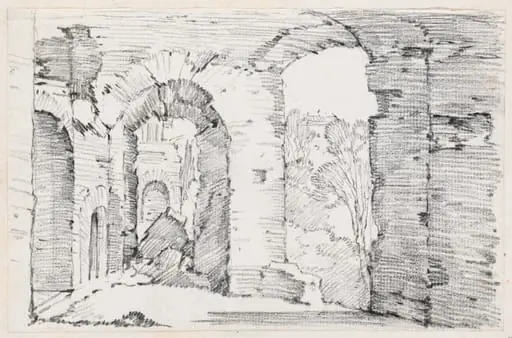
Vien employed loose, rapid graphite strokes to suggest form and atmosphere. Shadows are indicated with hatched lines, while the rough ground is rendered with energetic, abbreviated marks. The tree’s branches are sketched with fluid, sweeping gestures, creating a sense of movement and natural growth. The overall approach is observational and economical, prioritizing immediacy over finish.
History & Provenance
The drawing dates from Vien’s formative years, likely made during his time in Italy as part of the broader French artistic engagement with classical and vernacular landscapes. It remained in private hands until entering a public collection, where it now serves as evidence of his early practice before his official royal patronage began in the late 1780s.
Context
This work emerged during a period when French artists increasingly traveled to Italy to study antiquity and landscape. Unlike the theatricality of Baroque art, Vien’s sketch reflects a growing preference for direct observation and restrained composition. It aligns with emerging Neoclassical tendencies that valued simplicity and truth to nature over dramatic embellishment.
Legacy
Though modest in scale, the drawing exemplifies Vien’s role in shifting French drawing practices toward empirical study. Its unembellished realism influenced later artists who sought to ground their work in observed reality. As a precursor to his academic career, it reveals the quiet foundation upon which his later official commissions were built.
Artist & collection
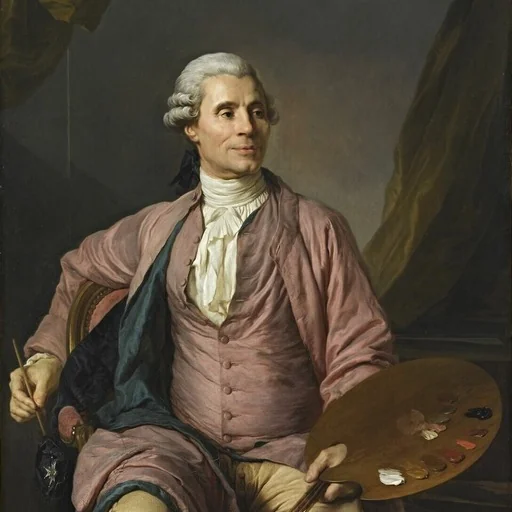
Artist
Joseph-Marie Vien (18 June 1716 – 27 March 1809) was a French painter. He was the last holder of the post of Premier peintre du Roi, serving from 1789 to 1791, before it was abolished during the French Revolution.