Artwork
Theatre at Xanthus
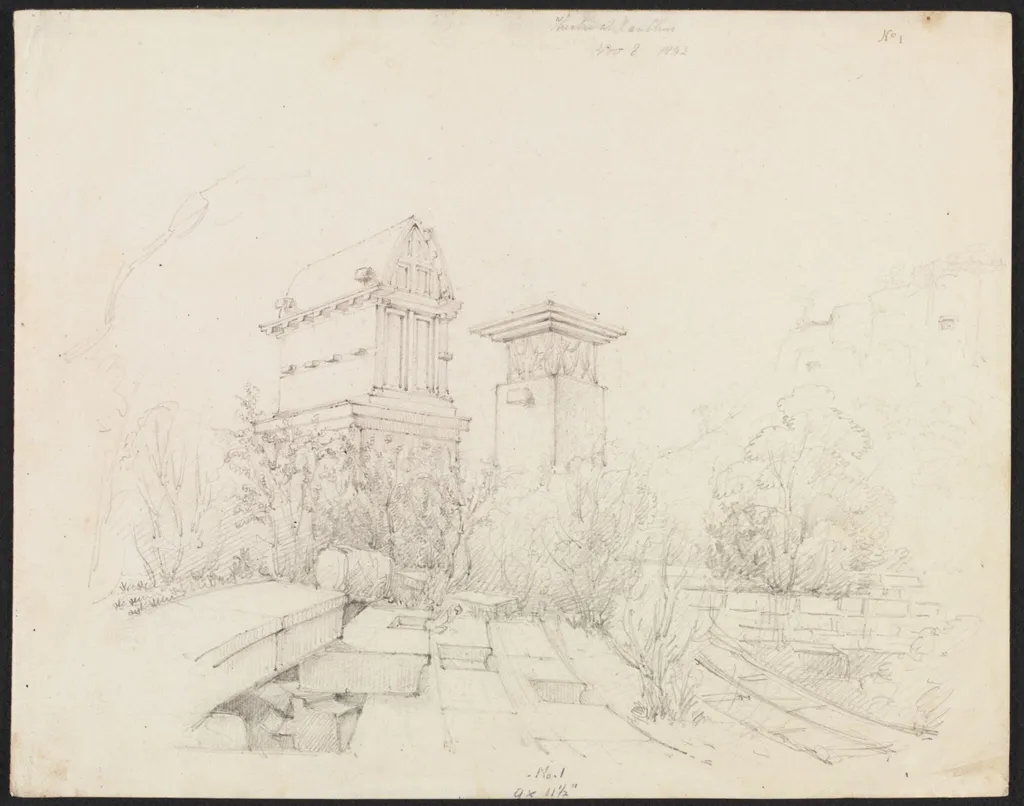
Theatre at Xanthus is a drawing by the Romanticist artist George Scharf. It dates from 1843 and is held in the collection of the Victoria and Albert Museum.
About this work
Overview
Likely part of a travel sketchbook, it reflects his practice of recording architectural remains with minimal detail and rapid execution.
George Scharf created this pencil and ink drawing in 1843 during a journey through Lycia, capturing the ancient theatre at Xanthus. Likely part of a travel sketchbook, it reflects his practice of recording architectural remains with minimal detail and rapid execution. The work is one of multiple studies from the same trip, some of which later informed exhibited pieces at the Royal Academy in 1846.
Subject & Meaning
The drawing portrays two surviving stone structures near the theatre: a small temple-like building with a pointed roof and a solitary pillar topped with a flat capstone. Surrounding vegetation and a low stone barrier suggest the site’s abandonment and reclamation by nature. Scharf’s focus on these fragments emphasizes the passage of time and the quiet endurance of ruins rather than their former grandeur.
Technique & Style
Scharf employed light, loose pencil lines with occasional cross-hatching to suggest shadow and volume, avoiding polished finish. The sketch’s immediacy is evident in its uneven contours and sparse detail, indicating on-site execution. White heightening may have been added later to enhance contrast, but the overall approach remains spontaneous, prioritizing observation over refinement.
History & Provenance
The drawing is part of a series produced during Scharf’s 1843 travels in Asia Minor. Related sketches from the same period are held in the National Portrait Gallery’s archive. While the exact provenance of this specific sheet is unrecorded, its style and date align with works later associated with his Royal Academy submissions and his broader documentation of classical sites.
Context
In the early 1840s, British artists and antiquarians increasingly traveled to the eastern Mediterranean to record ancient ruins. Scharf’s work contributed to this scholarly effort, documenting sites like Xanthus before extensive excavation or restoration. His sketches served both as personal records and as references for broader archaeological and artistic projects of the era.
Legacy
Scharf’s Xanthus drawings remain valuable as primary visual records of the site’s condition in the mid-19th century. Their unembellished quality offers insight into how antiquities appeared before modern conservation. These works are now studied alongside other travel sketches in institutions like the Victoria and Albert Museum, where they inform understanding of Victorian approaches to classical heritage.
Artist & collection


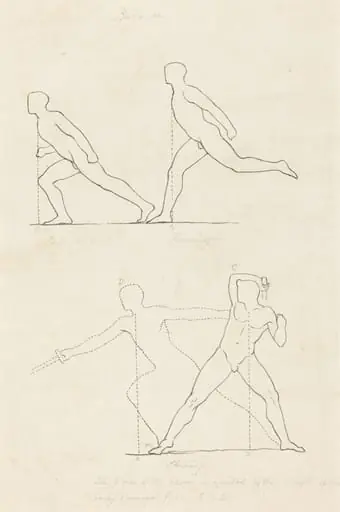 Preparing to Run; Running; Striking
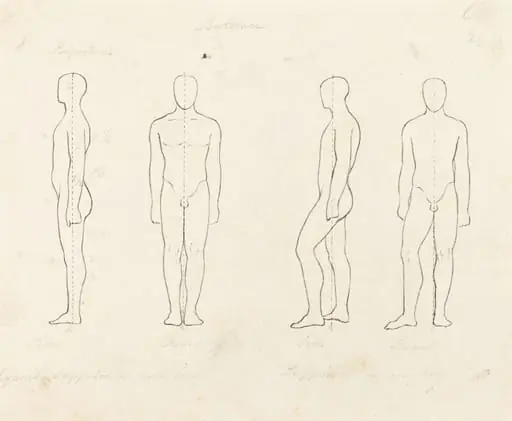 Extent of Motion, Front and Side View Equipoised, Supported on One Leg
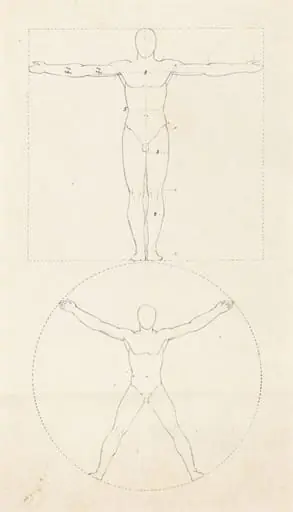 Circle and Square of the Human Figure
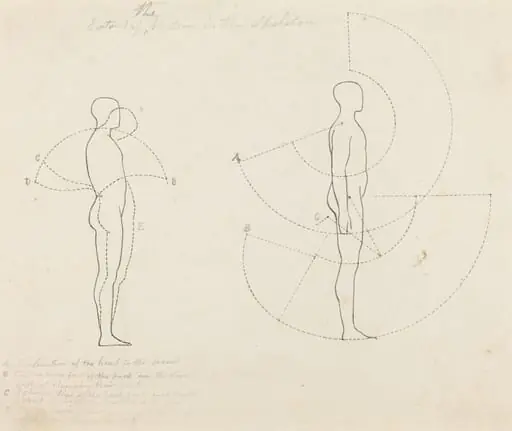 Extent of Motion Shown in Two Figures
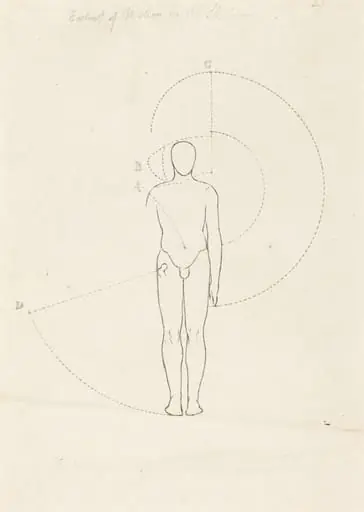 Extent of Motion, One Figure
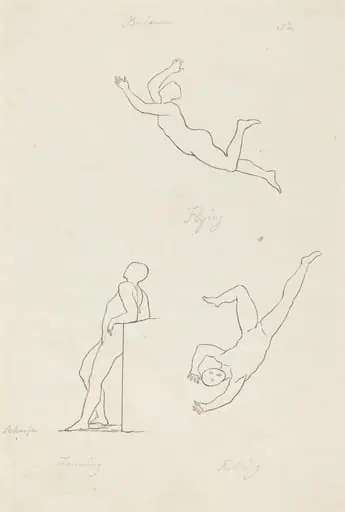 Leaning, Flying and Falling
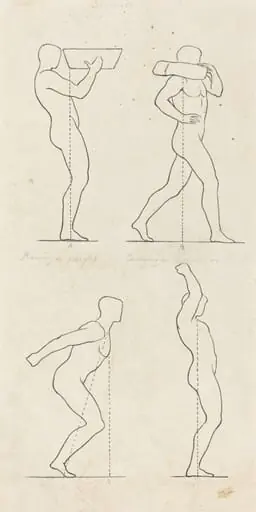 Bearing a Weight; Preparing to Jump, and Alighting
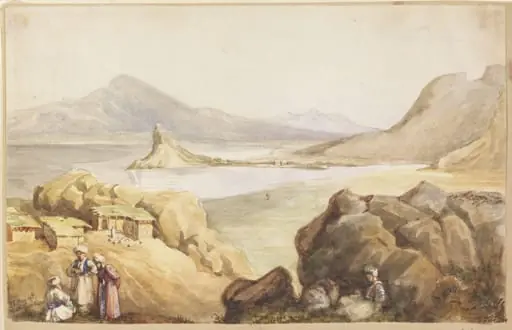 Gule-Hissa Ovassy in the Northern part of Lycia
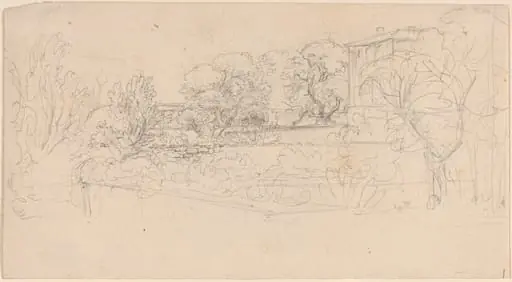 A Terraced Garden by a Villa
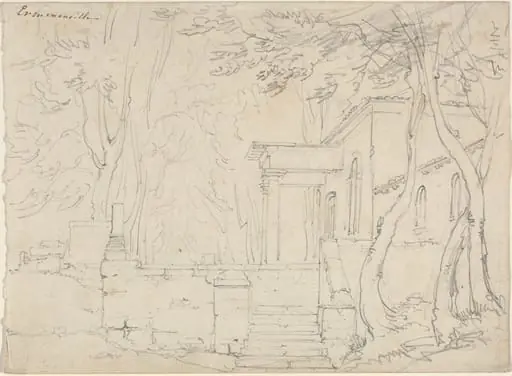 House with a Portico at Ermenonville
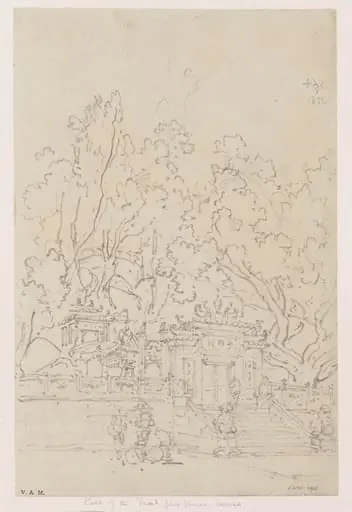 Part of the A-Ma Temple, Macau
 The church of S. Francisco and the adjacent fort, Macau
 Corner of a Garden Court
 The Court of the Lions, Alhambra
 Chungqua's premises seen from the portico of the East India Company's 'factory' at Guangzhou (Canton)
 A domed tomb in India, with steps leading down to water
![A Terrace and Garden on Capri [recto], by François-Édouard Bertin](https://artifactworldgallery.com/img/francois-edouard-bertin--a-terrace-and-garden-on-capri-recto--8bd3839591b56d81-w320.webp) A Terrace and Garden on Capri [recto]
A Terrace and Garden on Capri [recto] Kailasanatha Temple, Ellora