Artwork
Study after Domenichino
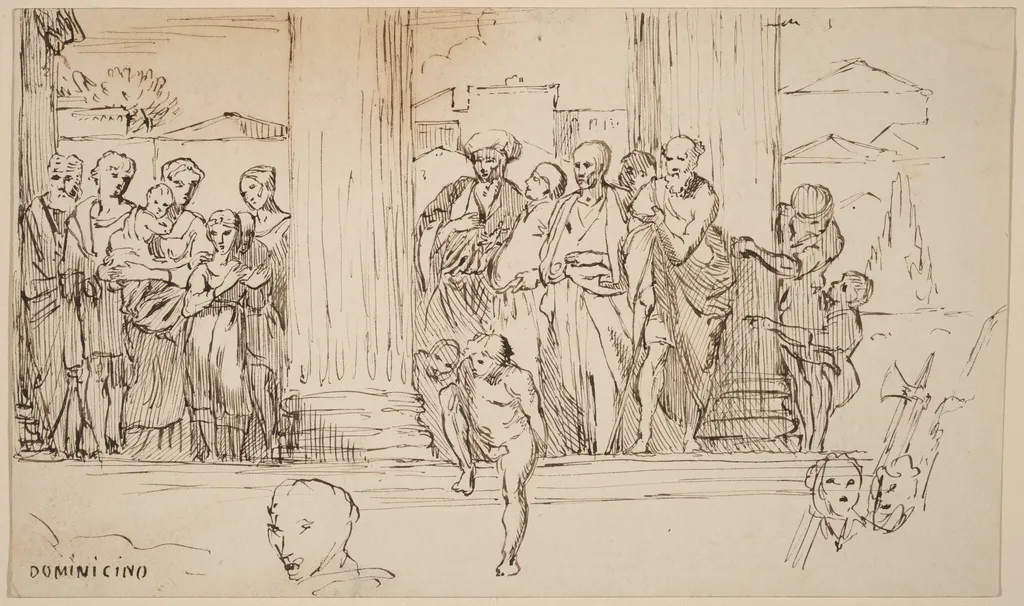
Study after Domenichino is an ink drawing by the Impressionist artist Elihu Vedder. It dates from 1858 and is held in the collection of the National Gallery of Art.
About this work
Overview
Elihu Vedder, an American artist active in the mid‑nineteenth century, produced the drawing *Study after Domenichino* circa 1858. Executed with pen and brown ink on wove paper, the work functions as a preparatory study, copying a composition by the Italian Baroque painter Domenichino. It exemplifies Vedder’s early engagement with classical models before his later fame as a symbolist illustrator.
Subject & Meaning
The drawing reproduces a figure or scene originally rendered by Domenichino, allowing Vedder to explore the compositional balance and narrative clarity characteristic of the Baroque master. By copying this source, Vedder examined the ways classical gestures and spatial arrangements could inform his own developing visual language, a practice common among artists seeking to internalise historic artistic principles.
Technique & Style
Vedder employed fine pen work and a brown ink wash on a smooth wove support, emphasizing line quality and tonal modulation.
Vedder employed fine pen work and a brown ink wash on a smooth wove support, emphasizing line quality and tonal modulation. The monochrome palette mirrors the study’s instructional purpose, focusing attention on form rather than colour. The handling of ink demonstrates a careful observation of Domenichino’s chiaroscuro, while retaining a restrained, draft‑like quality typical of academic copying exercises.
History & Provenance
Created around 1858, the study belongs to Vedder’s early period, predating his celebrated illustrations for Edward FitzGerald’s translation of *The Rubaiyat of Omar Khayyam*. The drawing has remained in private collections before entering a museum holding that documents Vedder’s formative years. Its provenance traces a straightforward line from the artist’s studio to later institutional acquisition.
Context
In the 1850s, American artists often traveled to Europe or studied European prints to acquire a solid grounding in academic traditions. Vedder’s choice to copy a work by Domenichino reflects this transatlantic exchange, positioning him within a broader movement of American painters who looked to Italian Baroque masters for compositional models while developing a distinct, later symbolist aesthetic.
Artist & collection

Artist
Elihu Vedder (26 February 1836 – 29 January 1923) was an American symbolist painter, book illustrator and poet from New York City.

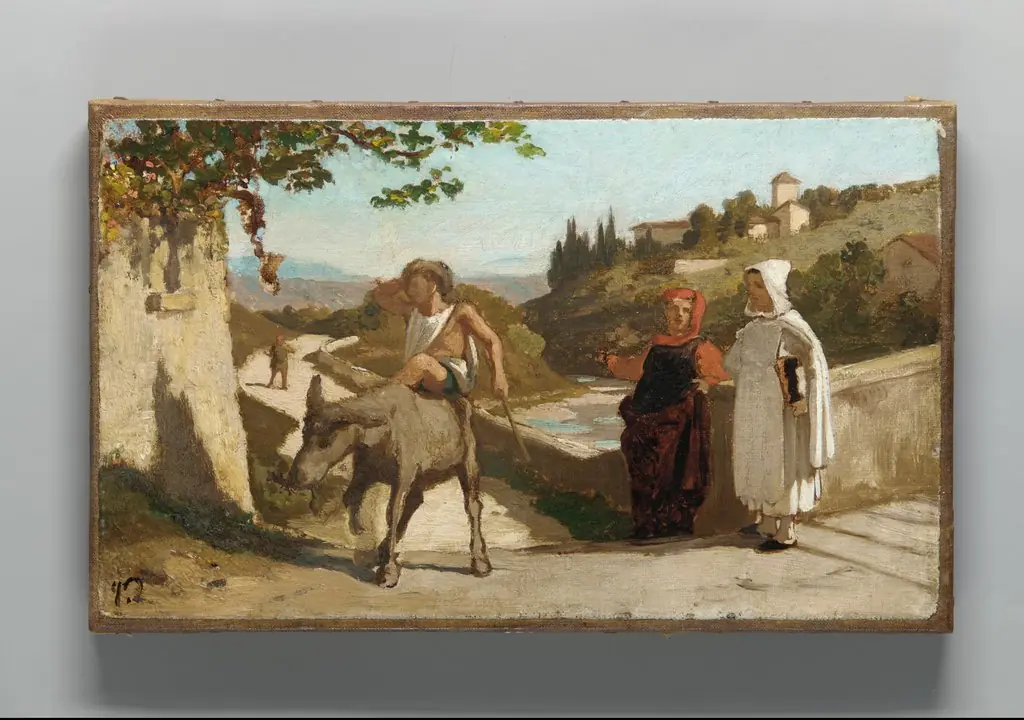 The Fable of the Miller, His Son, and the Donkey
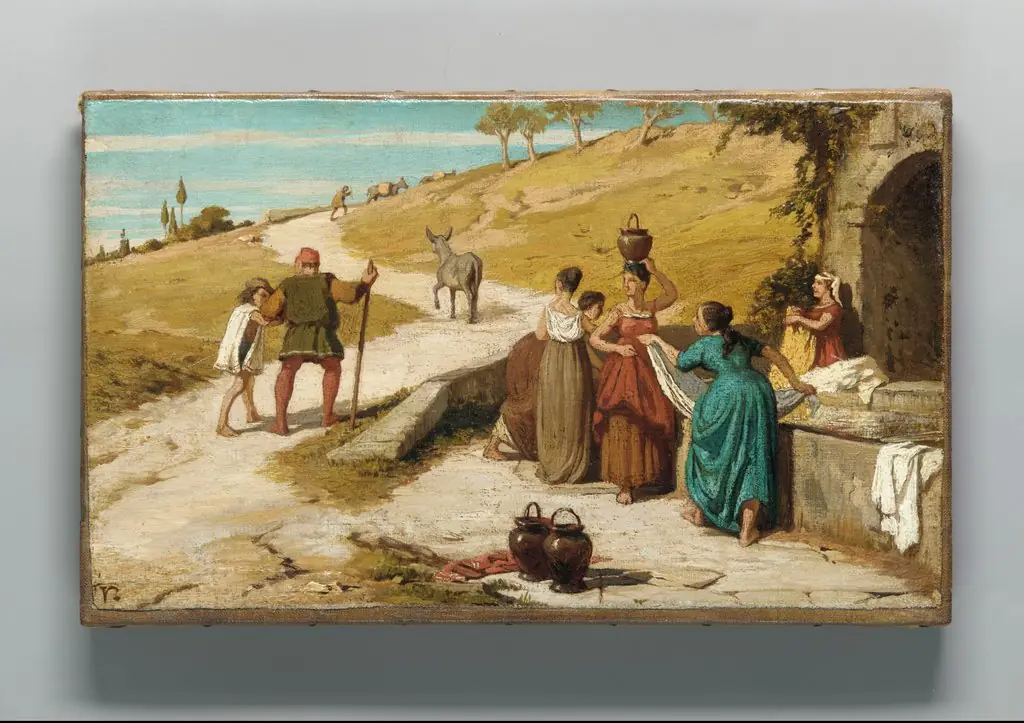 The Fable of the Miller, His Son, and the Donkey
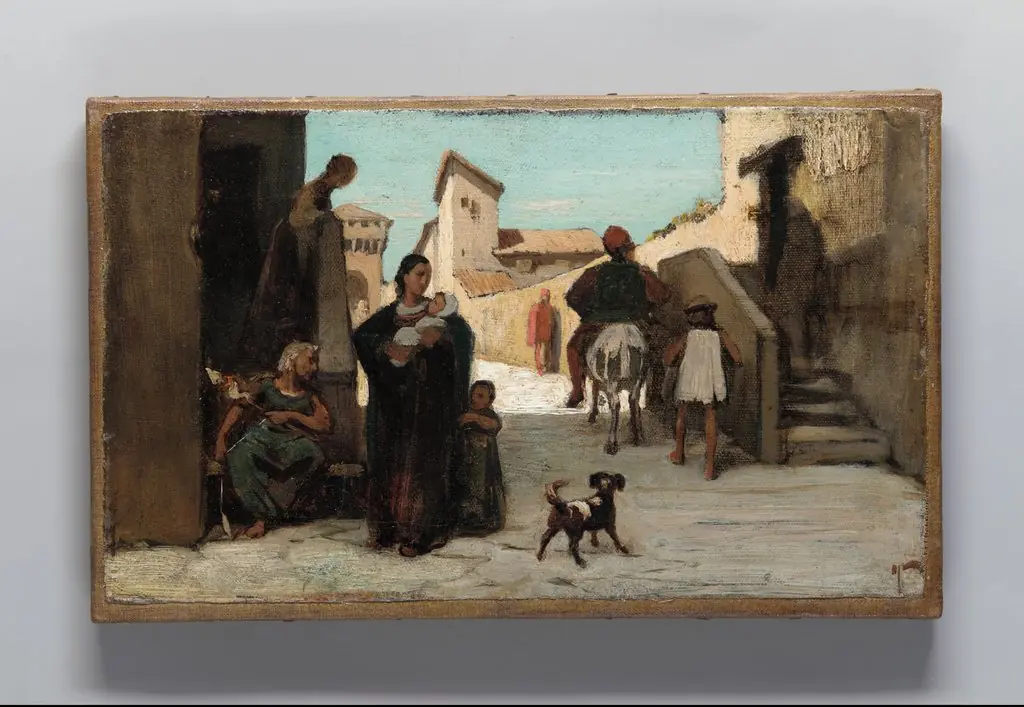 The Fable of the Miller, His Son, and the Donkey
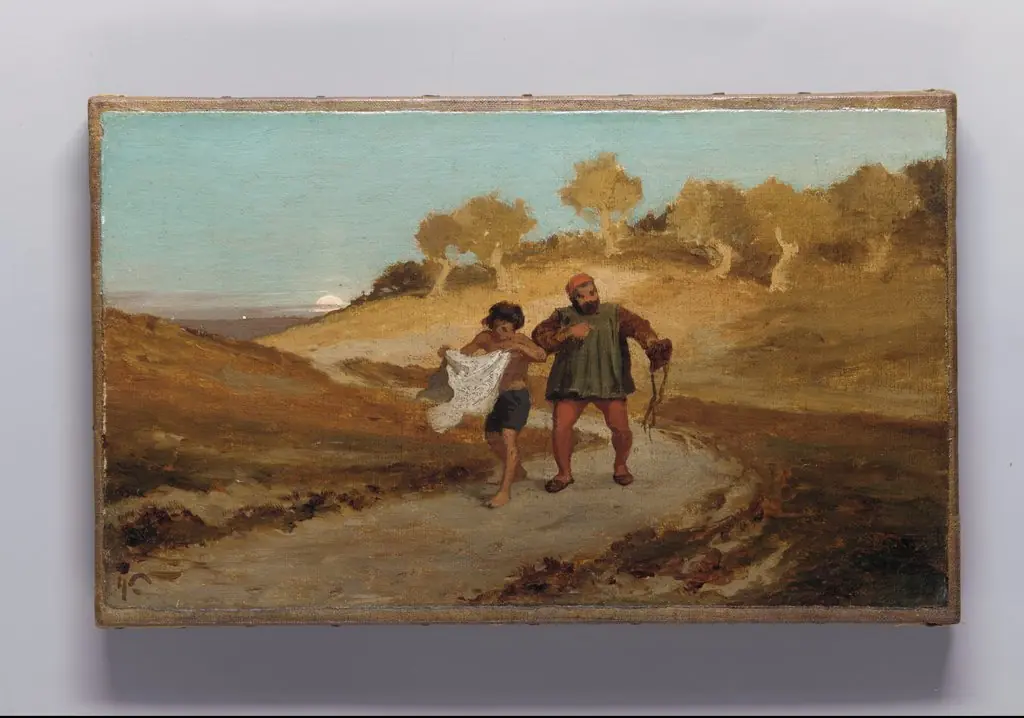 The Fable of the Miller, His Son, and the Donkey
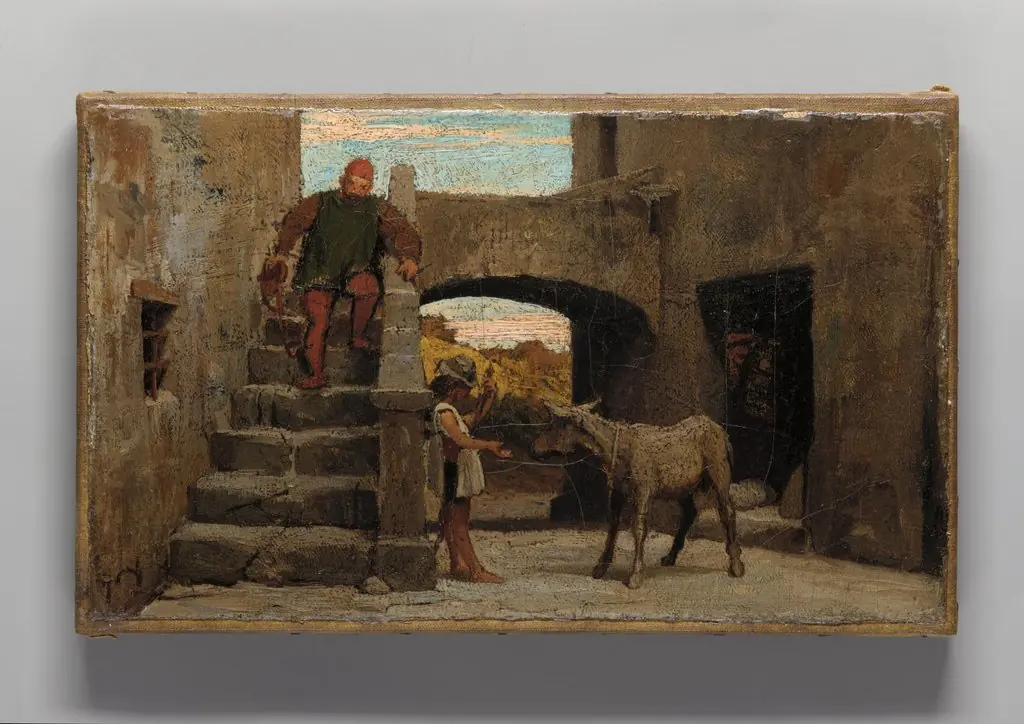 The Fable of the Miller, His Son, and the Donkey
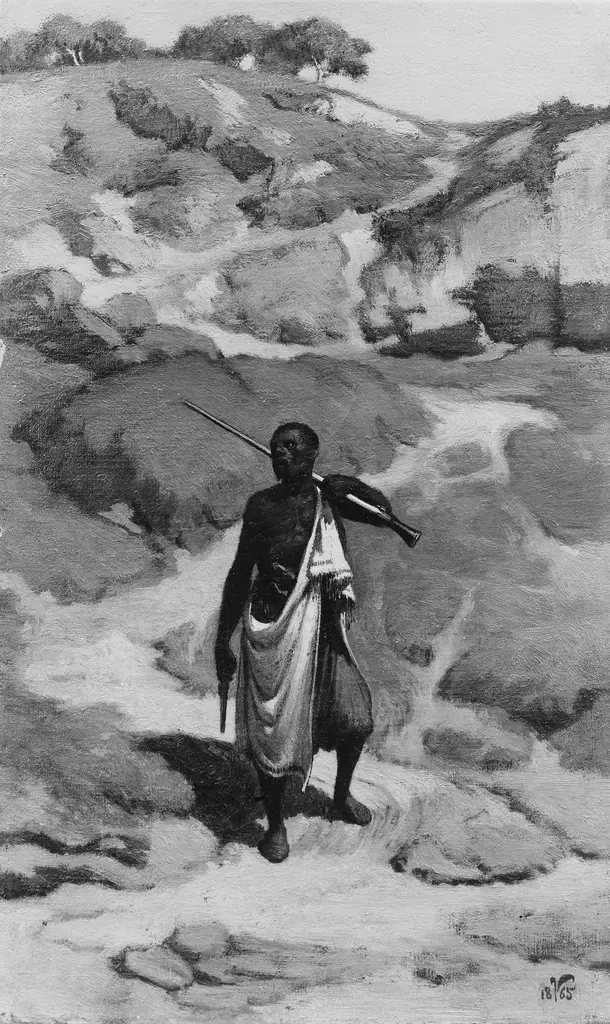 The African Sentinel
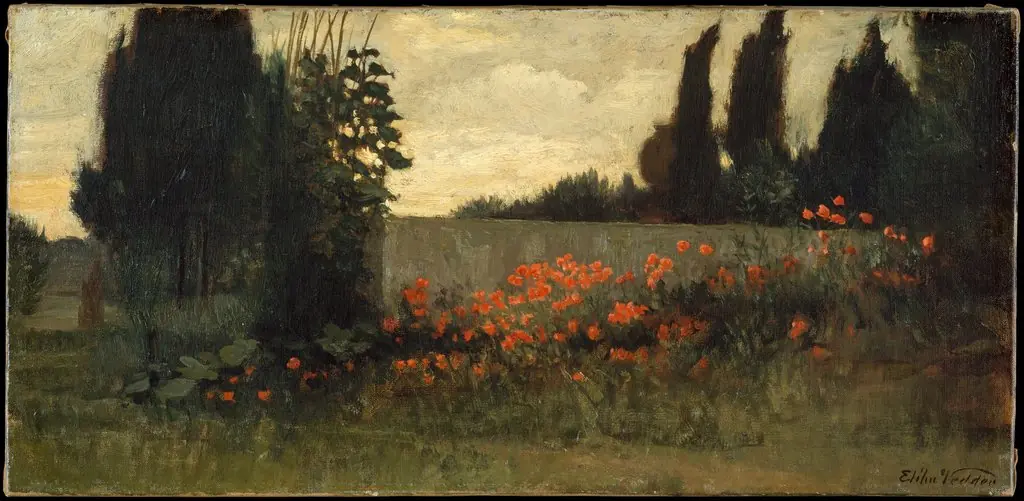 Cypress and Poppies
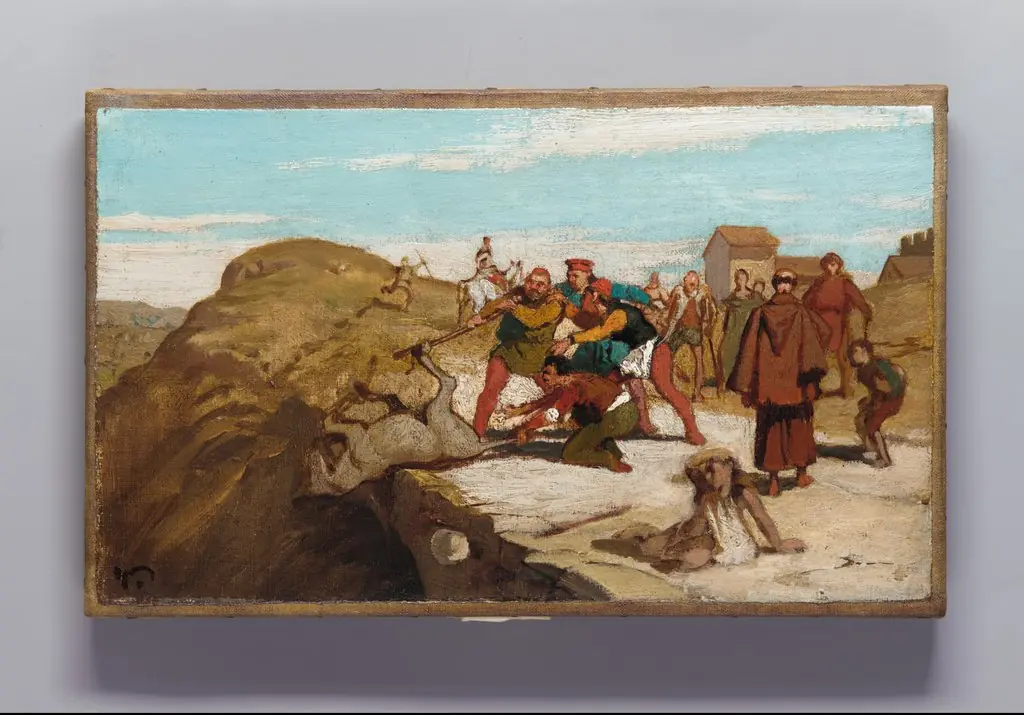 The Fable of the Miller, His Son, and the Donkey
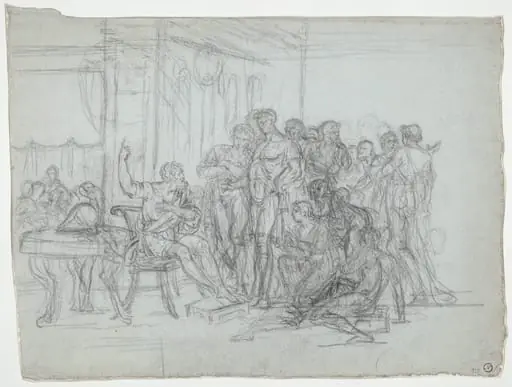 Timoleon Thanked by the Citizens of Syracuse
![Mucius Scaevola [recto], by John Hamilton Mortimer](https://artifactworldgallery.com/img/john-hamilton-mortimer--mucius-scaevola-recto--0de678fa443f7962-w320.webp) Mucius Scaevola [recto]
Mucius Scaevola [recto]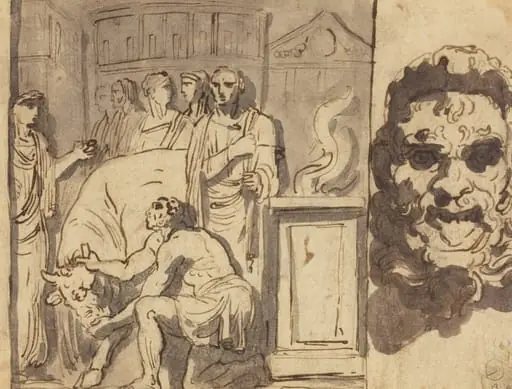 Ancient Sacrifice and Head of a Satyr
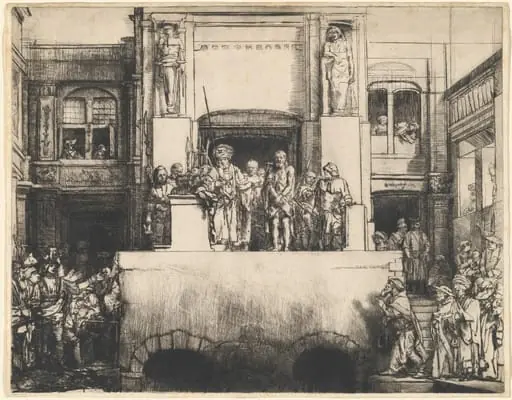 Christ Presented to the People: Oblong Plate
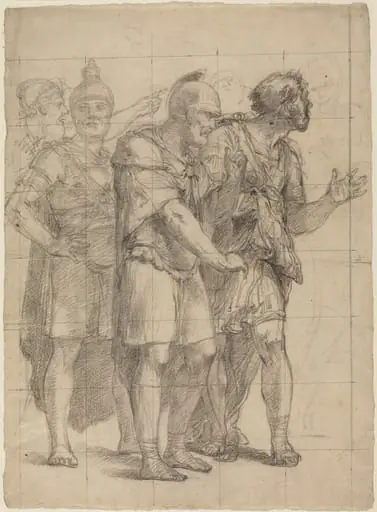 Four Standing Warriors
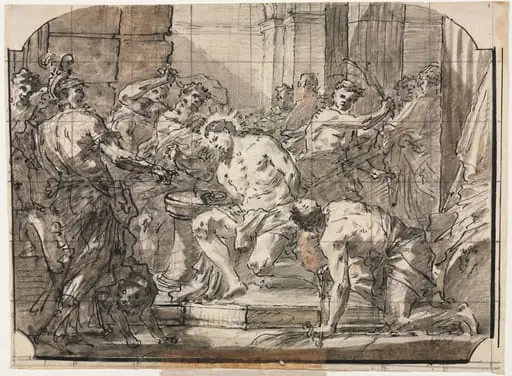 Flagellation of Christ
![Three Figures [verso], by Mather Brown](https://artifactworldgallery.com/img/mather-brown--three-figures-verso--d67cc3e7c0d36b3b-w320.webp) Three Figures [verso]
Three Figures [verso]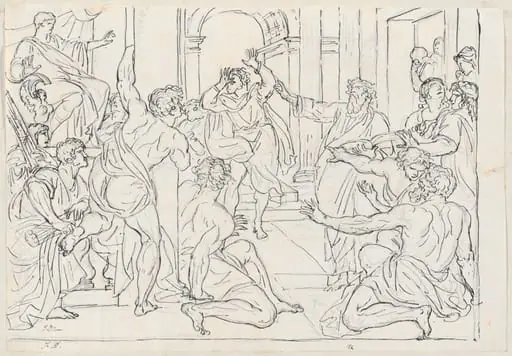 The Blinding of Elymas
![The Adoration of the Magi [recto], by Donato Creti](https://artifactworldgallery.com/img/donato-creti--the-adoration-of-the-magi-recto--2cfd5d76b55e821e-w320.webp) The Adoration of the Magi [recto]
The Adoration of the Magi [recto]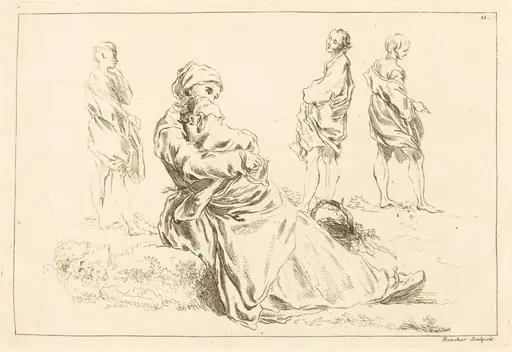 Figure Studies including Seated Mother and Child
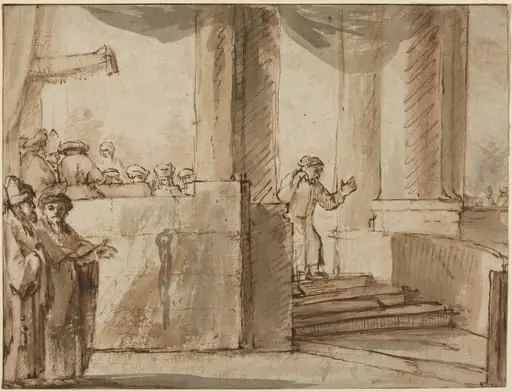 Judas Leaving the High Priest
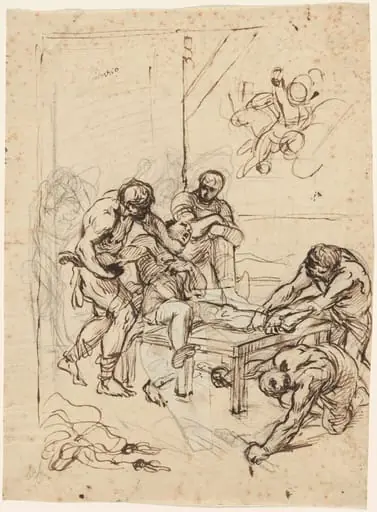 The Martyrdom of Saint Lawrence