Artwork
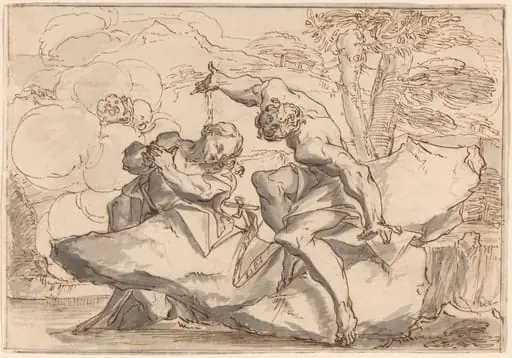
The Blinding of Elymas
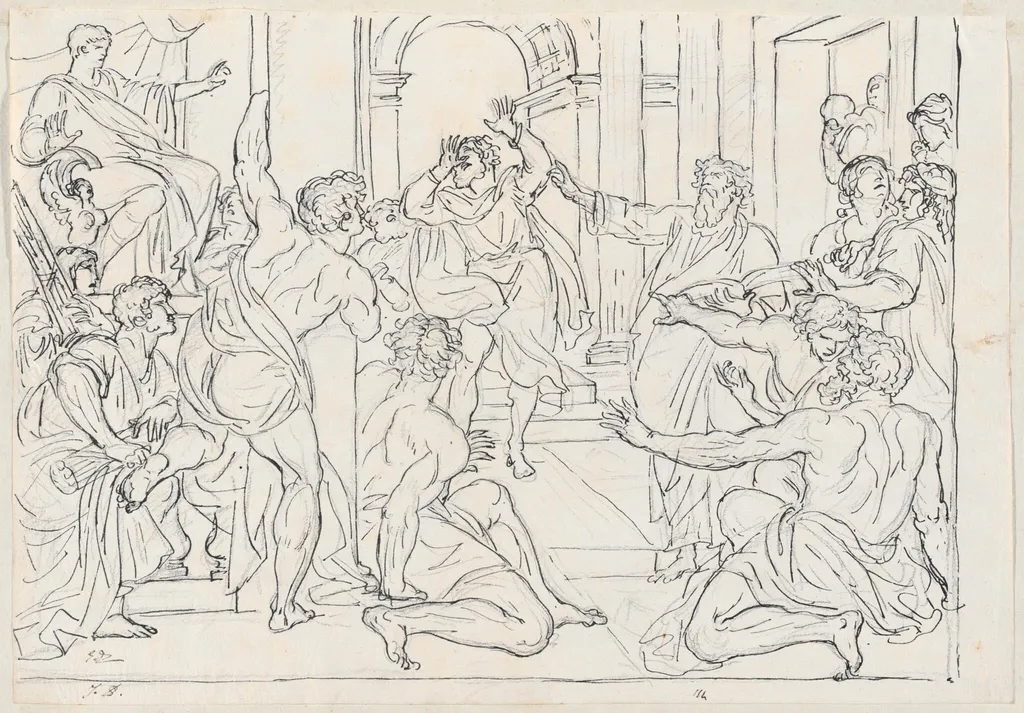
The Blinding of Elymas is an ink drawing by the Neoclassicist artist Jacques-Louis David. It dates from 1778 and is held in the collection of the National Gallery of Art.
About this work
Overview
Created in 1778, The Blinding of Elymas is a preparatory drawing by Jacques-Louis David executed in black ink over black chalk on laid paper.
Created in 1778, The Blinding of Elymas is a preparatory drawing by Jacques-Louis David executed in black ink over black chalk on laid paper. The work depicts the biblical narrative from the Acts of the Apostles, where the sorcerer Elymas is struck blind by the Apostle Paul. David organizes the composition around a dynamic, chaotic crowd, utilizing loose and energetic strokes to convey the urgency of the moment. Central figures are captured in dramatic poses, with some standing, others kneeling or reaching out, while a primary figure in the center appears to be falling or struggling against the sudden affliction. Heavy shading defines the forms and creates a stark contrast that emphasizes the theatricality of the scene. Executed during David's formative years in Rome, this sketch demonstrates his early engagement with Neoclassical principles, focusing on historical narrative and expressive movement. The drawing serves as a study for the artist's developing approach to complex group compositions, foreshadowing the rigorous structure and emotional intensity that would characterize his later major history paintings.
Subject & Meaning
The image captures the biblical episode in which the sorcerer Elymas is struck blind, a moment of divine retribution. Figures surrounding the central figure appear caught in the shock of the event, their expressions ranging from awe to terror. The chaotic arrangement underscores the sudden, violent interruption of ordinary life by a supernatural act.
Technique & Style
David employs rapid, energetic strokes of ink and chalk, allowing lines to remain loose while still defining form. Heavy shading through cross‑hatching builds volume and conveys motion, with some faces rendered in blurred suggestion and others in crisp detail. Faint architectural elements—columns and arches—are suggested with minimal line, keeping the focus on the tangled bodies.
History & Provenance
Created in the late 1770s, the drawing belongs to David’s early period, preceding his rise as a leading neoclassical painter. It remains a study rather than a finished painting, illustrating his preparatory process for larger compositions. The work is held in a public collection, though its exact acquisition history is not extensively documented.
Artist & collection

Artist
Jacques-Louis David was born in Paris on 30 August 1748 into a bourgeois family; his father died in a duel when the boy was nine, and a maternal uncle guided his education.

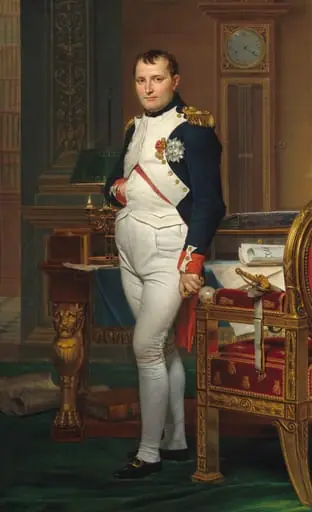 The Emperor Napoleon in His Study at the Tuileries
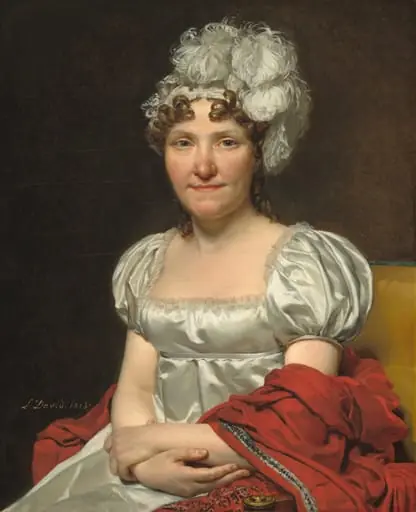 Madame David
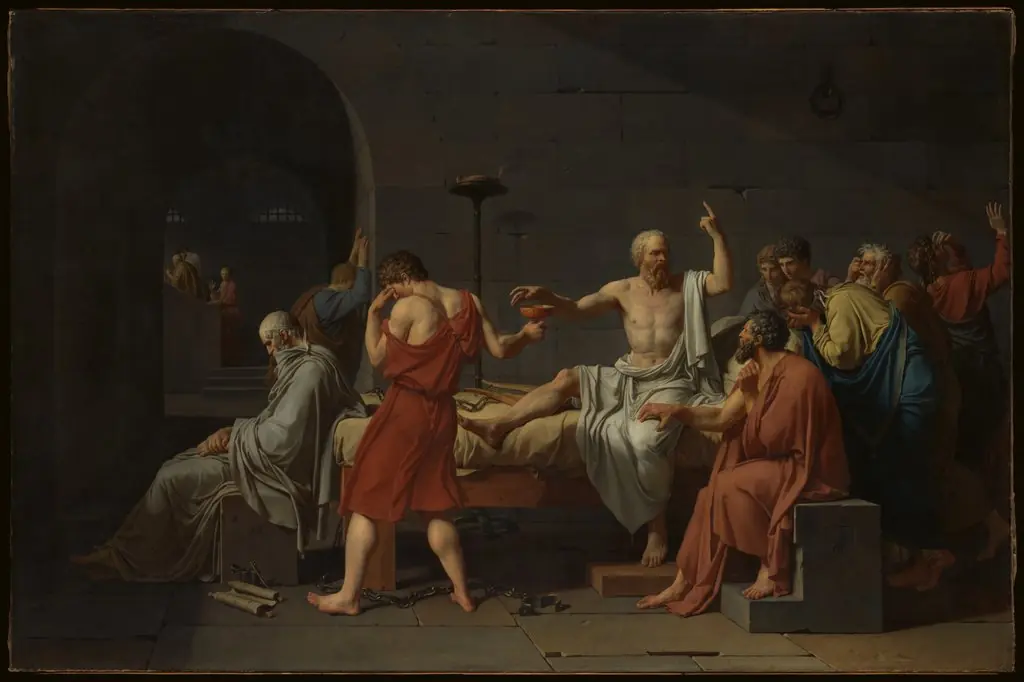 The Death of Socrates
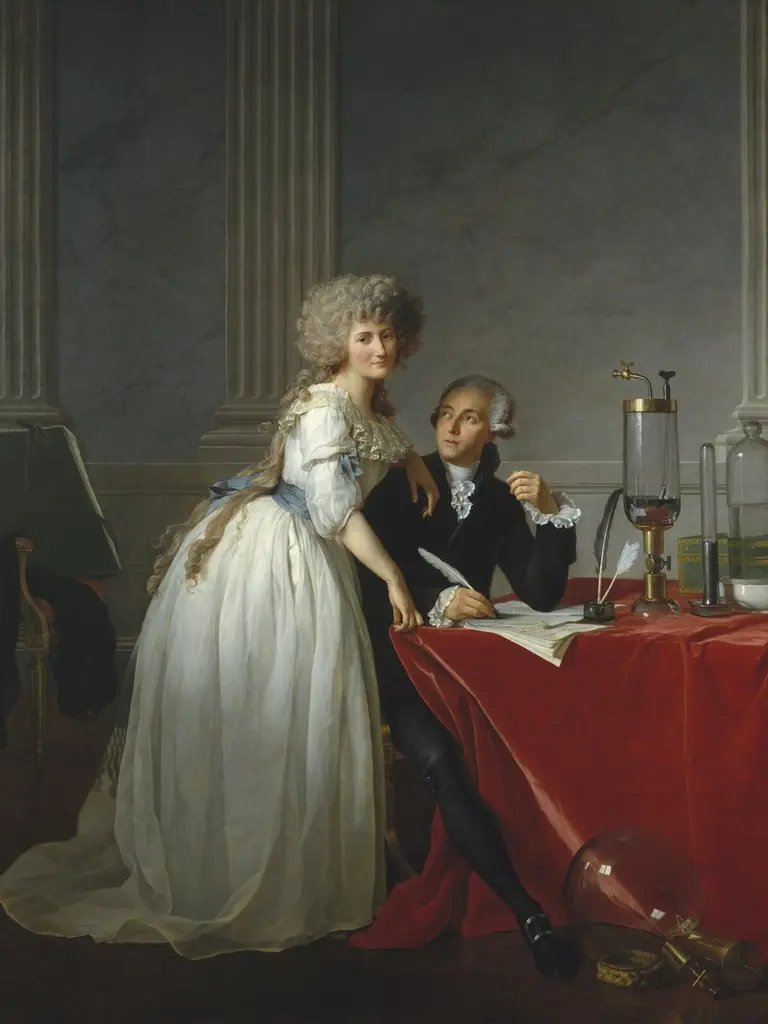 Portrait of Antoine-Laurent Lavoisier and his wife
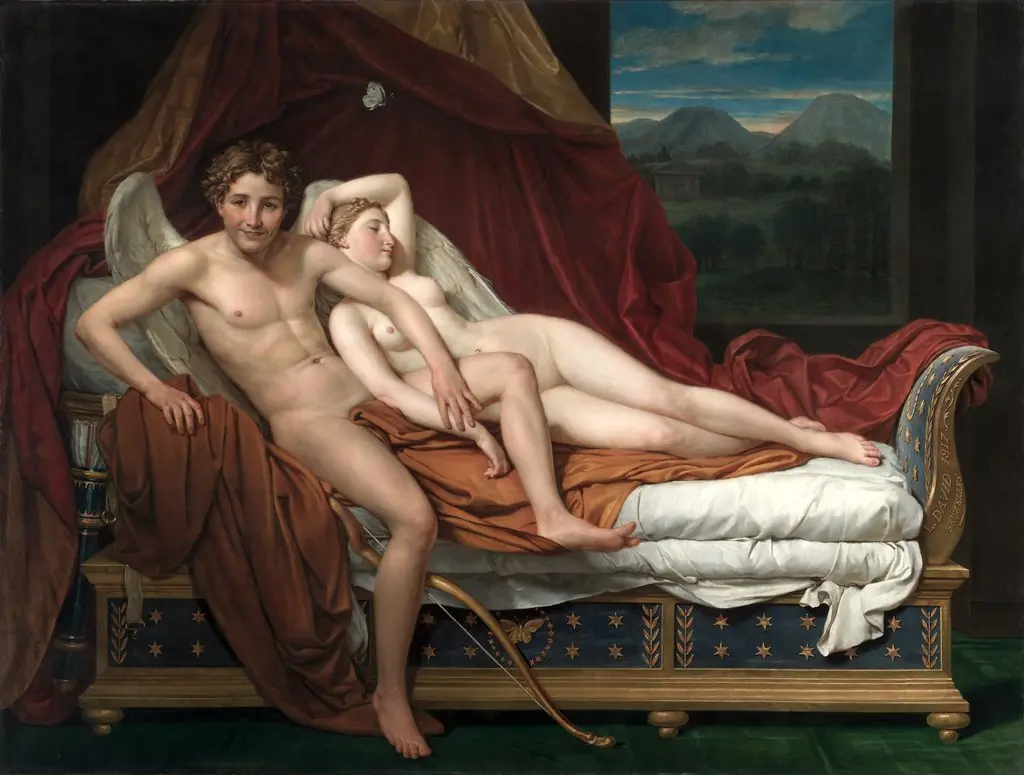 Cupid and Psyche
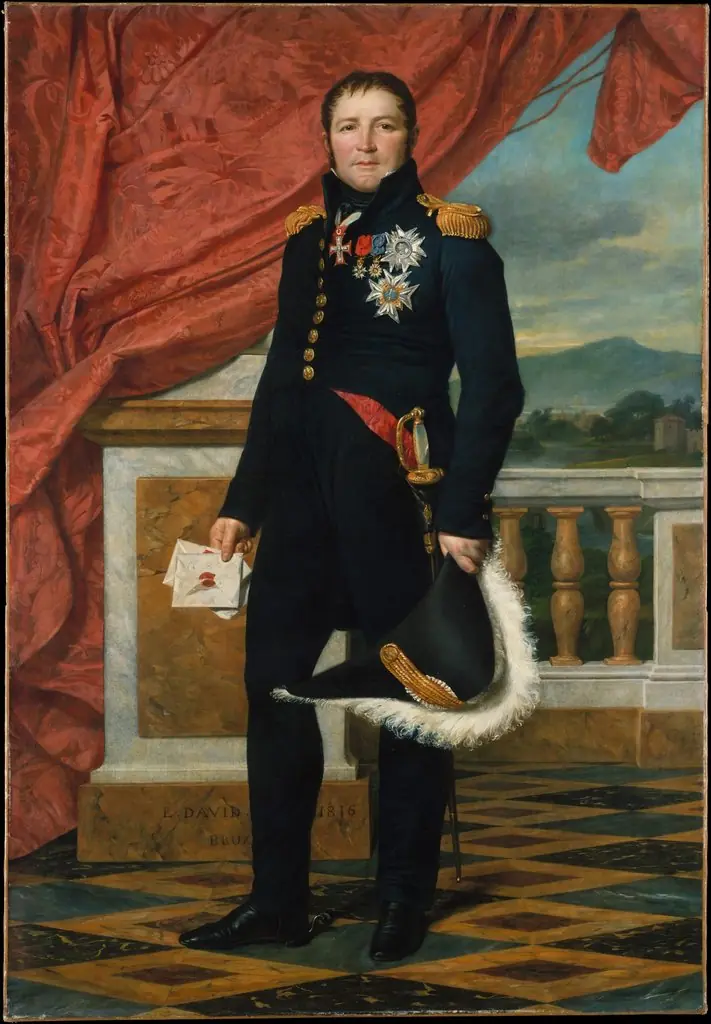 General Étienne-Maurice Gérard (1773–1852), Marshal of France
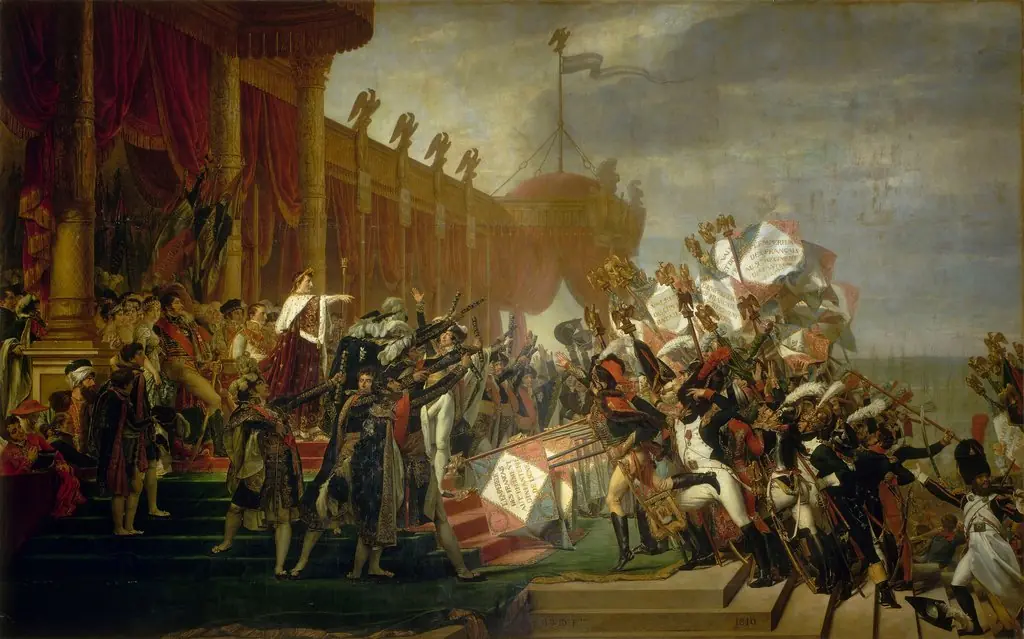 The Distribution of the Eagle Standards
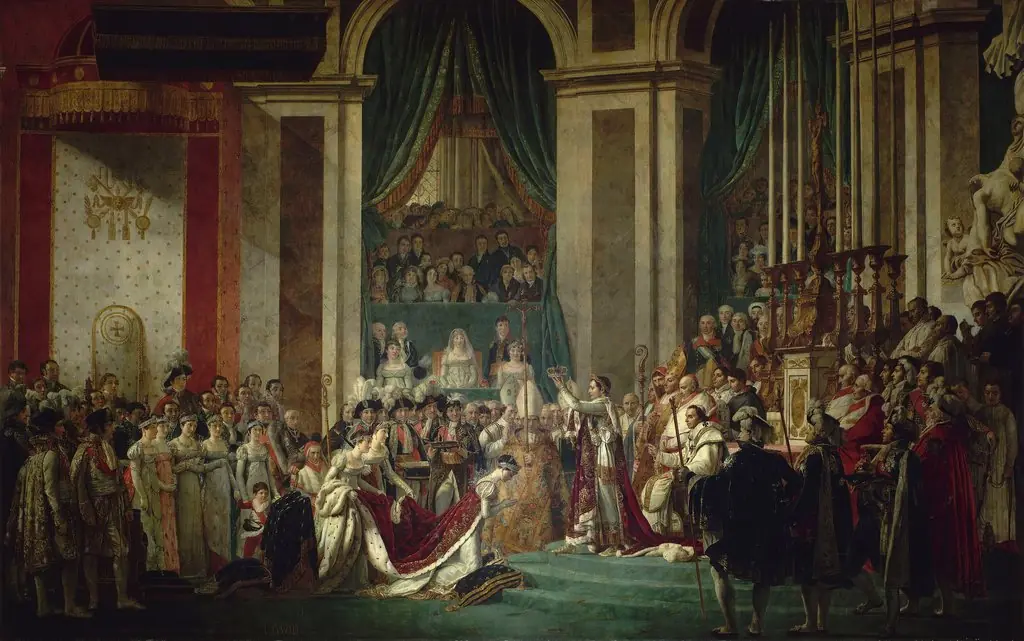 Coronation of Emperor Napoleon I and Coronation of the Empress Josephine
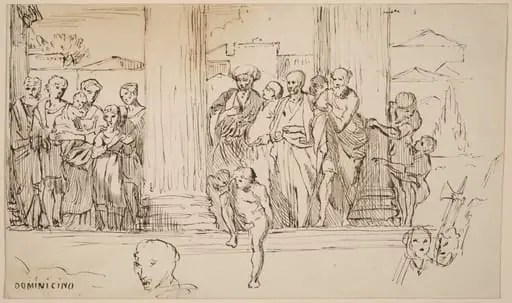 Study after Domenichino
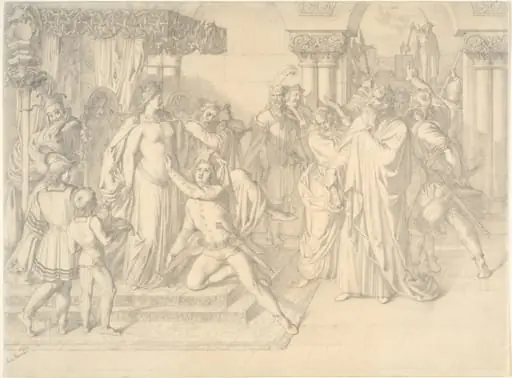 Singers' Contest on the Wartburg
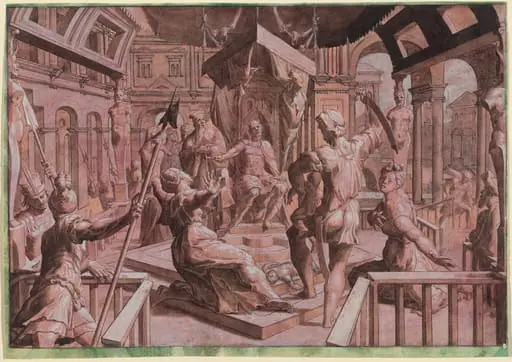 The Judgment of Solomon
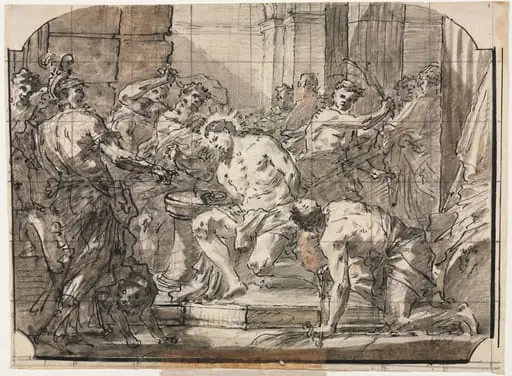 Flagellation of Christ
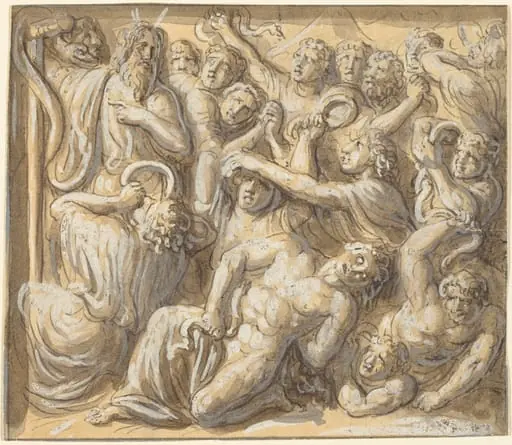 Moses and the Brazen Serpent
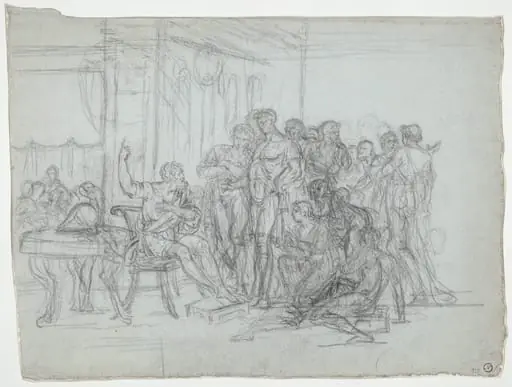 Timoleon Thanked by the Citizens of Syracuse
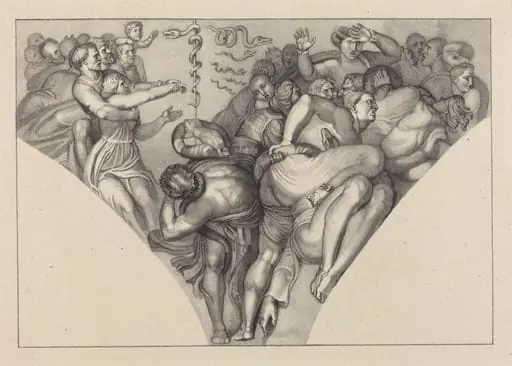 Brazen Serpent, from Michael Angelo
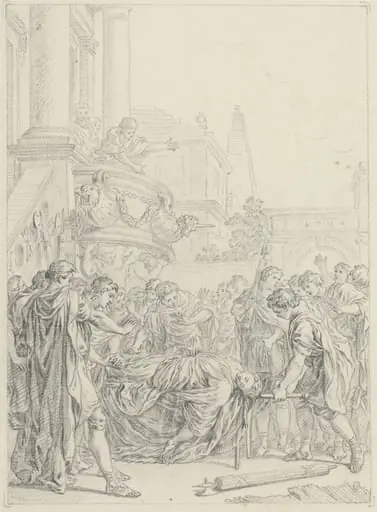 Du plus grand des Romains voilà ce qui vous reste
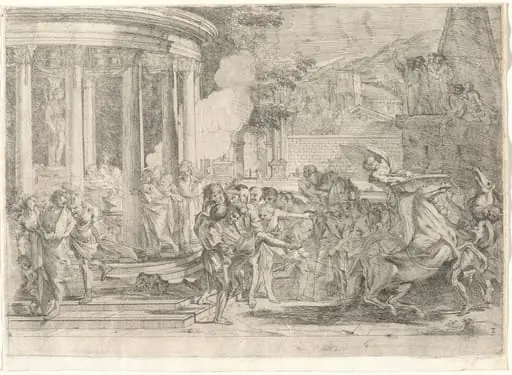 Camma and Sinorix
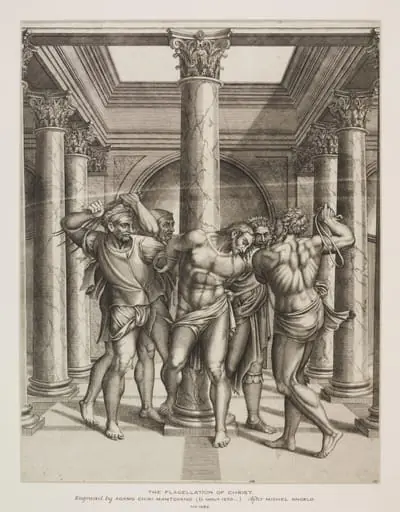 The Flagellation
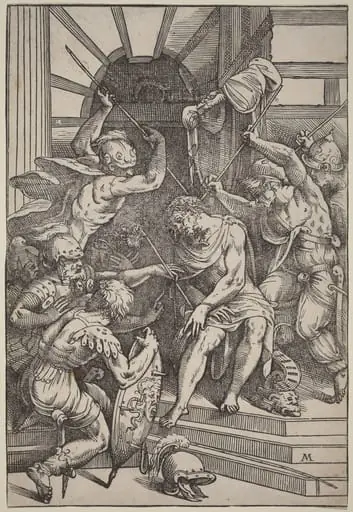 Christ Crowned with Thorns
 The Baptism of Christ