Artwork
Lady with a Rose
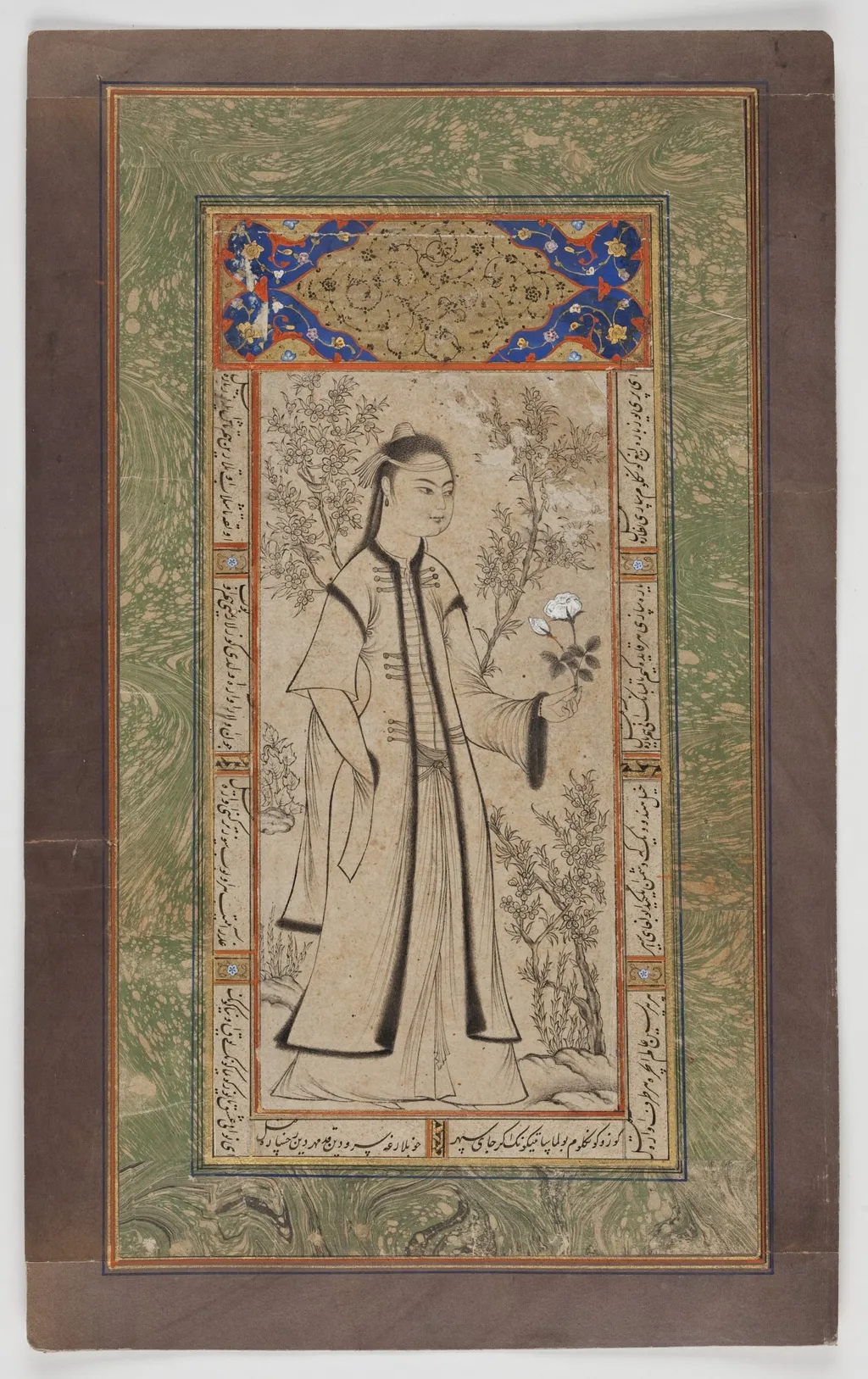
Lady with a Rose is an unspecified painting by the Mannerist artist Veli Can. It dates from 1575 and is held in the collection of the Detroit Institute of Arts.
About this work
Overview
Created around 1575 by the Ottoman artist Veli Can, *Lady with a Rose* is a miniature painting from the reign of Sultan Murad III.
Created around 1575 by the Ottoman artist Veli Can, *Lady with a Rose* is a miniature painting from the reign of Sultan Murad III. Executed in the saz style, it belongs to a royal album of works commissioned for the imperial court. The piece reflects the fusion of Persian and Ottoman artistic traditions, emphasizing delicate detail and lyrical composition. It is now preserved in the Detroit Institute of Arts.
Subject & Meaning
The painting portrays a woman standing alone in a garden, holding a rose with a quiet, introspective gaze. Her traditional attire and lowered eyes suggest contemplation rather than performance. The slightly wilted rose may imply transience, a subtle reference to the fleeting nature of beauty or life. The solitary figure, framed by ornate flora, evokes a private moment within a highly structured courtly world.
Technique & Style
Veli Can employed fine brushwork and layered pigments to render intricate floral patterns and textile textures. The composition follows the saz style, with elongated, sinuous forms and rhythmic foliage that frame the figure without overwhelming her. Colors are muted yet precise, with soft gradations enhancing the sense of stillness. The background’s dense botanical motifs create depth while maintaining a flattened, decorative plane typical of courtly miniatures.
History & Provenance
The painting was produced during a period when Ottoman sultans commissioned illustrated albums to showcase artistic excellence. Veli Can, originally from Tabriz, worked in Istanbul under Murad III, contributing to a flourishing court atelier. Such albums were curated as symbols of imperial taste and cultural refinement. The work remained within royal collections before entering the Detroit Institute of Arts through later acquisitions.
Context
In late 16th-century Istanbul, miniature painting served both aesthetic and political functions, reinforcing the sultan’s patronage of refined culture. Artists like Veli Can blended Persian influences with local sensibilities, creating works that appealed to elite audiences. The emphasis on solitary, contemplative figures in gardens reflected broader literary and spiritual ideals of the time, aligning visual art with poetic themes of solitude and nature.
Legacy
Though Veli Can’s name is less known than some contemporaries, *Lady with a Rose* exemplifies the sophistication of Ottoman court miniatures. The painting’s quiet intensity and technical precision continue to inform scholarly understanding of saz-style aesthetics. Its preservation in a major Western museum underscores its significance as a cross-cultural artifact, bridging Islamic artistic traditions and global collections.
Artist & collection
Artist
Veli Can (Persian form: Vali Jan) (fl. c. 1580 to c. 1600) was an Ottoman painter known for his works in saz style. Born in Tabriz, according to Mustafa Ali he was a student of Siyavush and came to Istanbul (c. 1580).…

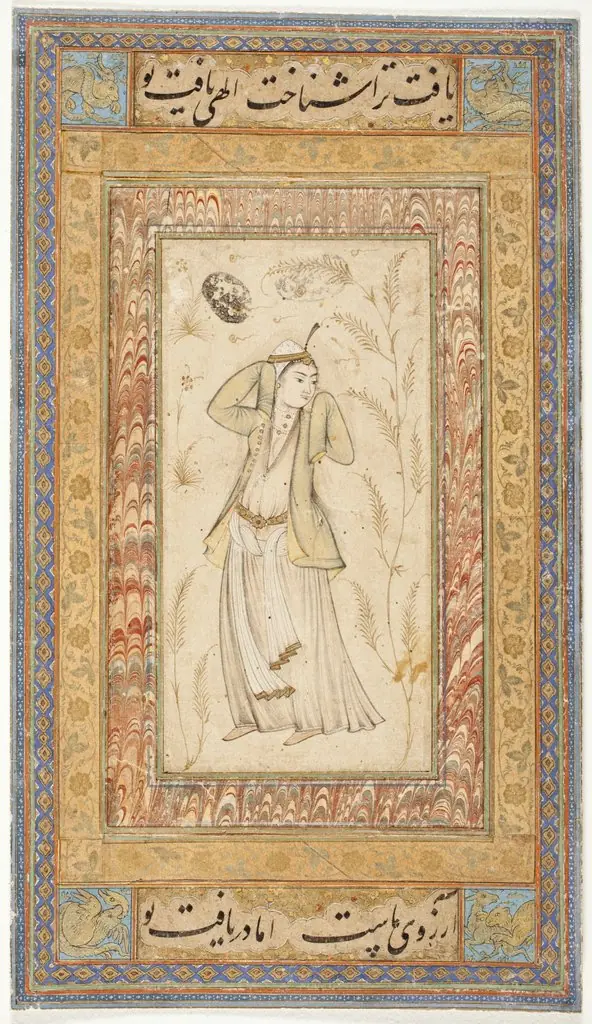 Female Dancer
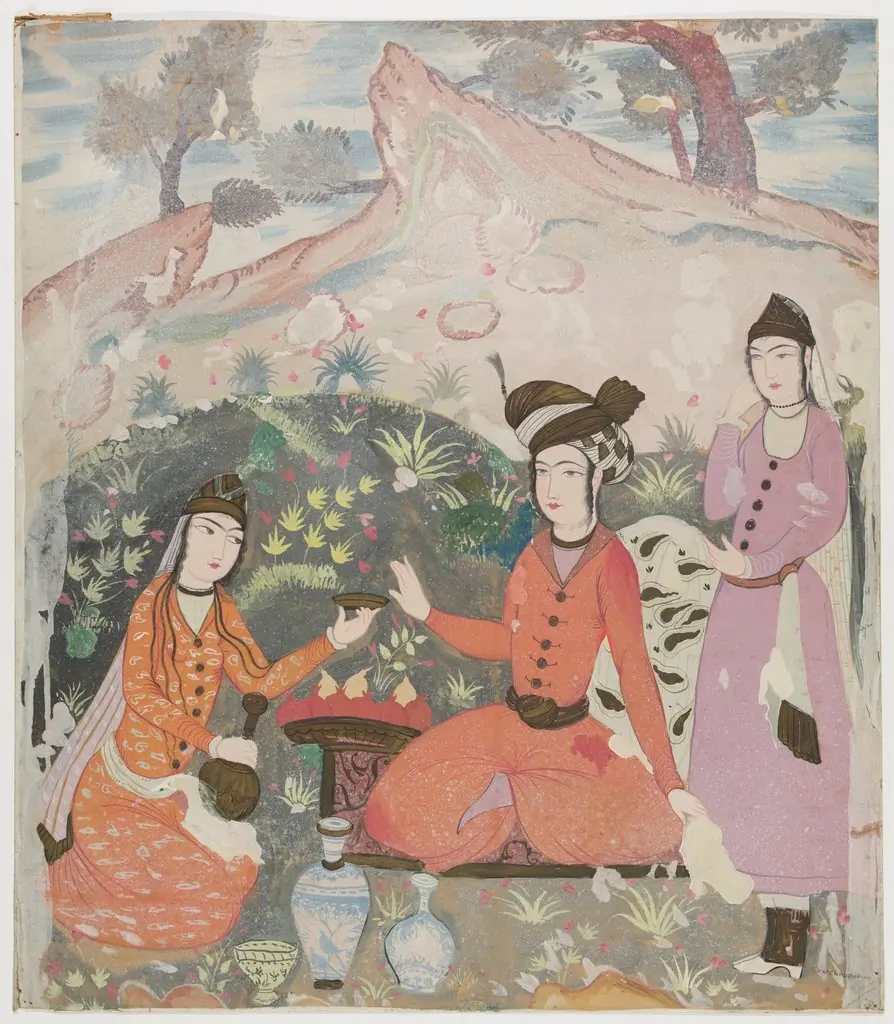 Amidst Flowers
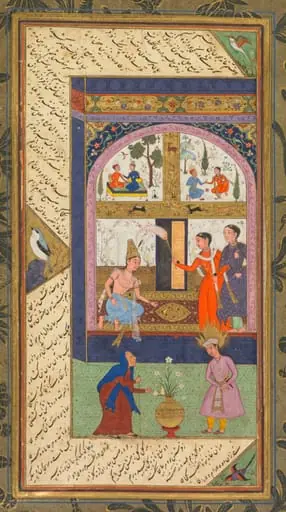 Folios A and B from the "Five Treasures" (Panj Ganj) of Jami
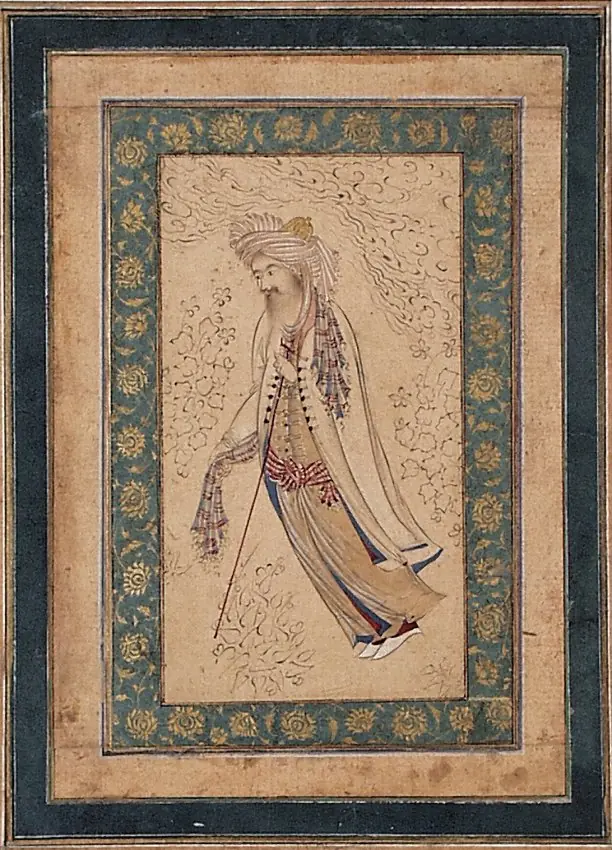 A Bearded Man Leaning on a Staff
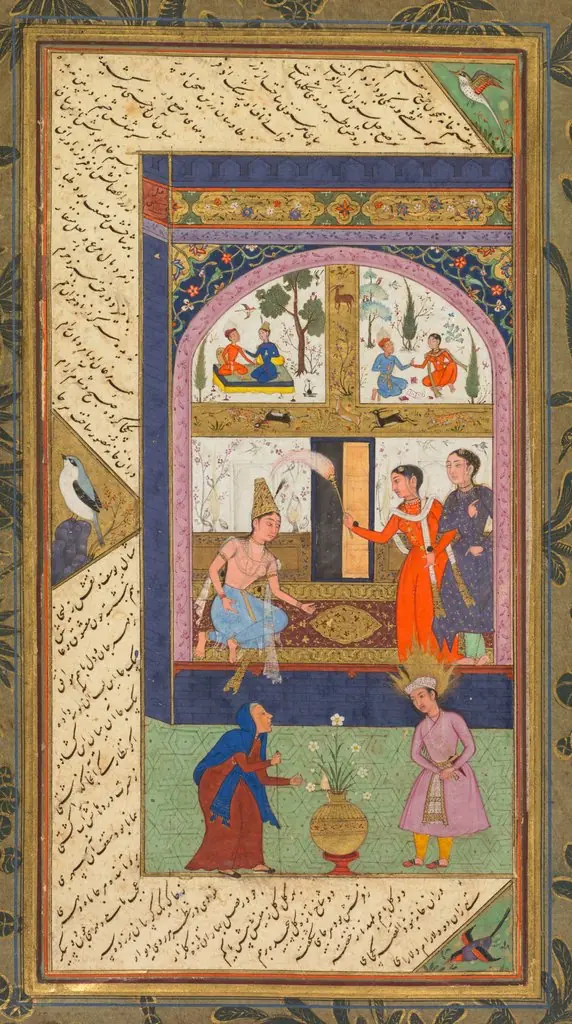 Folios A and B from the "Five Treasures" (Panj Ganj) of Jami
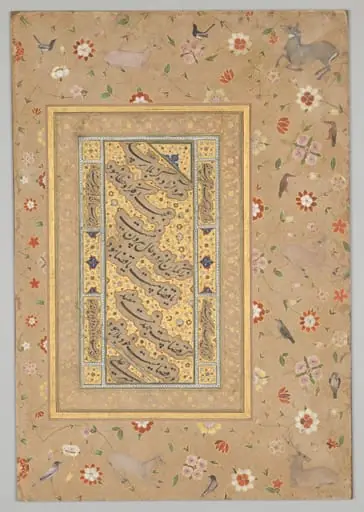 Persian calligraphy framed by an ornamental border of flowers, birds, and deer, from the Late Shah Jahan Album
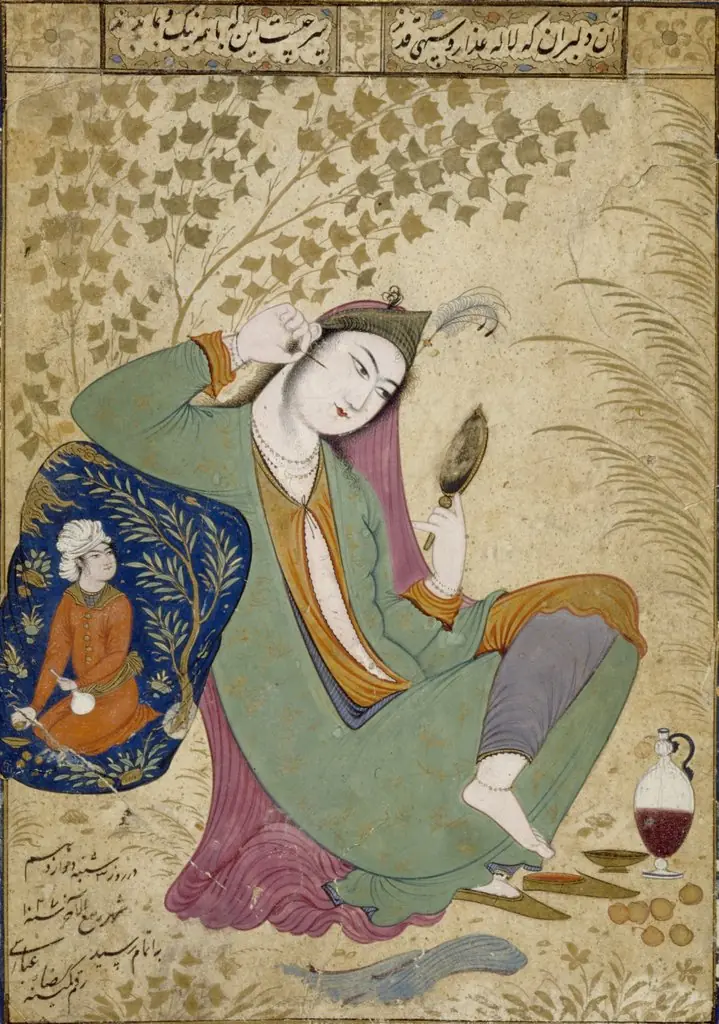 Lady with a Mirror
 Young Man with a Flower
 Untitled
 Untitled
 Officer of the Guards
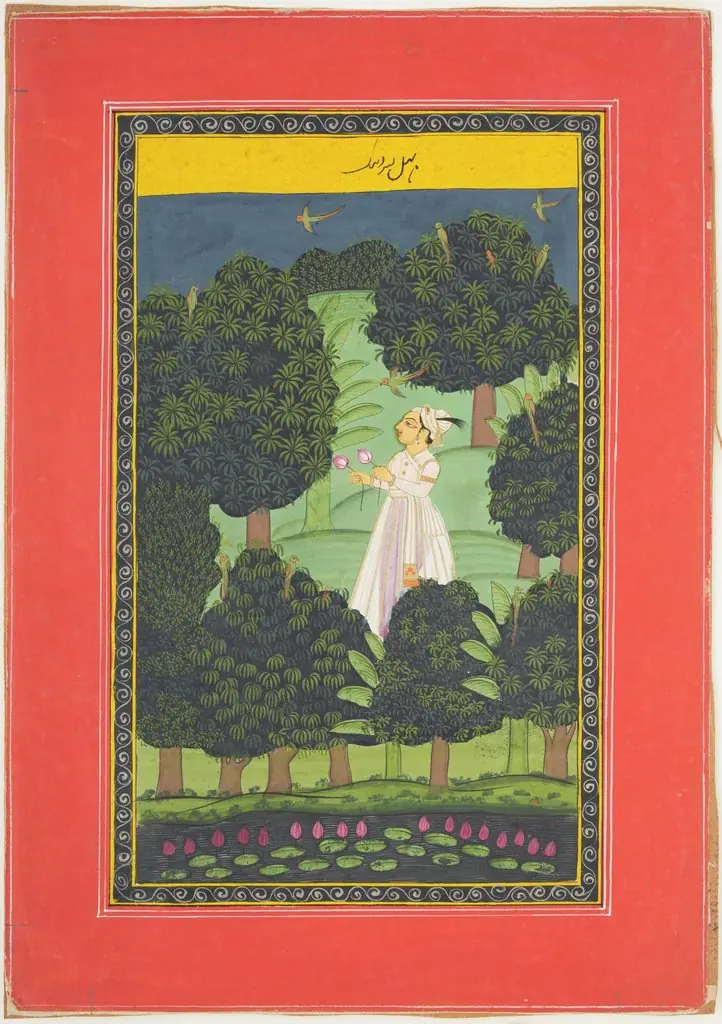 Prince with Two Lotus Blooms in Forest