Artwork
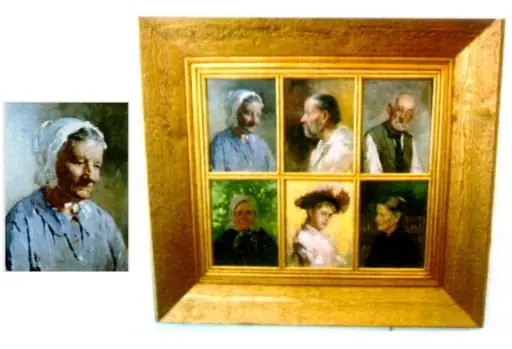
Țărancă
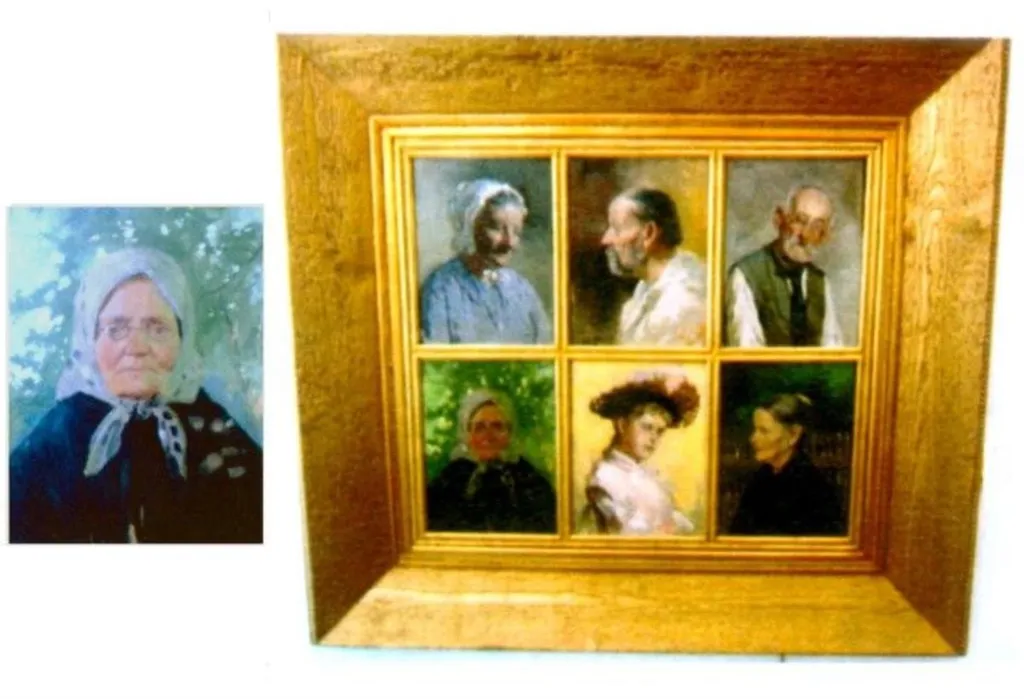
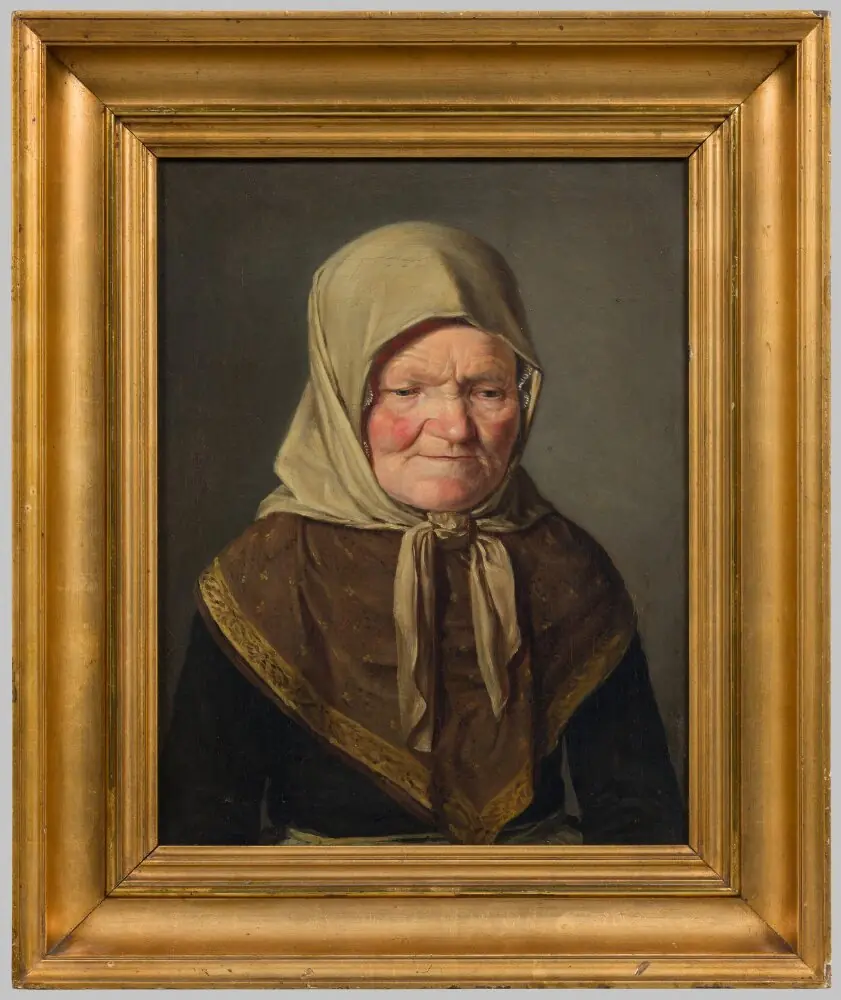
Țărancă is an unspecified painting by the Biedermeier artist Zoltán Veress. It dates from 1892 and is held in the collection of the Mureș County Museum - Art Museum.
About this work
Overview
Țărancă is a small oil painting from 1892 by Hungarian artist Zoltán Veress. It depicts a rural woman in quiet contemplation, rendered with restrained tones and subtle detail. The work is part of the collection at the Museum of Ethnography in Budapest, where it is preserved as an example of late 19th-century Hungarian genre painting focused on peasant life.
Subject & Meaning
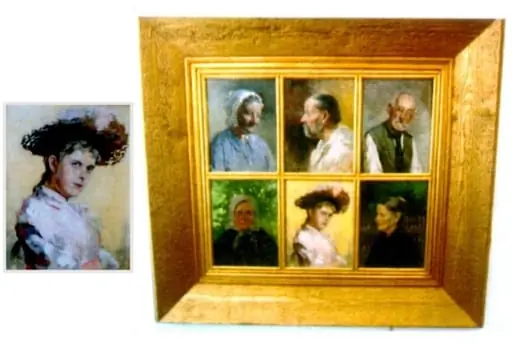
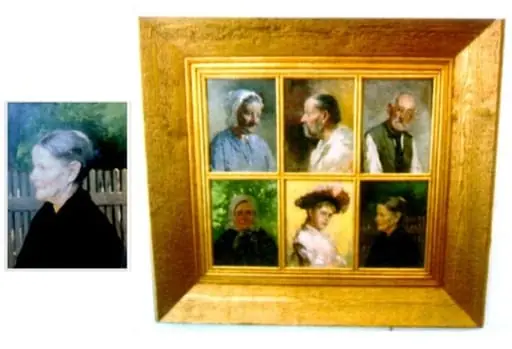
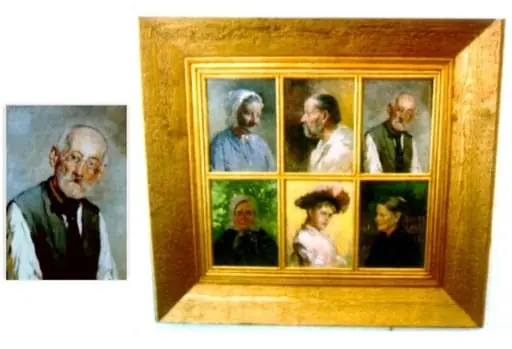
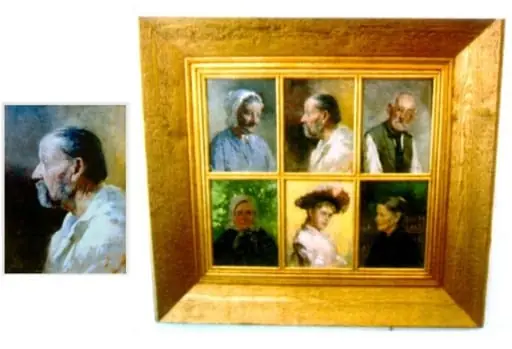
The central figure is a woman dressed in a dark gown, adorned with a white headscarf and lace collar, her expression solemn and introspective. Beside her, a wooden frame holds six small portraits: three elderly faces marked by time and labor, and three younger ones with gentler features. The composition suggests a lineage or family memory, emphasizing continuity and the weight of rural existence.
Technique & Style
The small portraits are rendered with delicate detail, contrasting the broader, looser handling of the background.
Veress employs a muted palette dominated by earth tones and soft greens, creating a quiet, atmospheric backdrop. The woman’s bright blue shawl stands out as the only vivid hue, drawing attention to her presence. The brushwork is precise yet unembellished, favoring realism over idealization. The small portraits are rendered with delicate detail, contrasting the broader, looser handling of the background.
History & Provenance
Painted in 1892, Țărancă entered the collection of the Museum of Ethnography in Budapest, where it has remained since. Veress, known for documenting rural Hungarian life, produced this work during a period of heightened interest in ethnographic representation. The painting’s preservation reflects its value as a cultural document rather than a commercial piece.
Context
In late 19th-century Hungary, artists increasingly turned to peasant subjects as national identity took shape amid political change. Veress aligned with this movement, portraying ordinary people without romanticism. Țărancă reflects broader efforts to record folk traditions and social structures, situating the individual within a larger cultural and generational framework.
Legacy
Though not widely exhibited outside Hungary, Țărancă remains a significant example of Veress’s commitment to unadorned realism. Its inclusion in the Museum of Ethnography underscores its role as a historical record. The painting continues to inform studies of rural life and visual anthropology in Central Europe, valued for its quiet dignity and observational clarity.
Artist & collection
Artist