Artwork
Bust of Carle Vernet
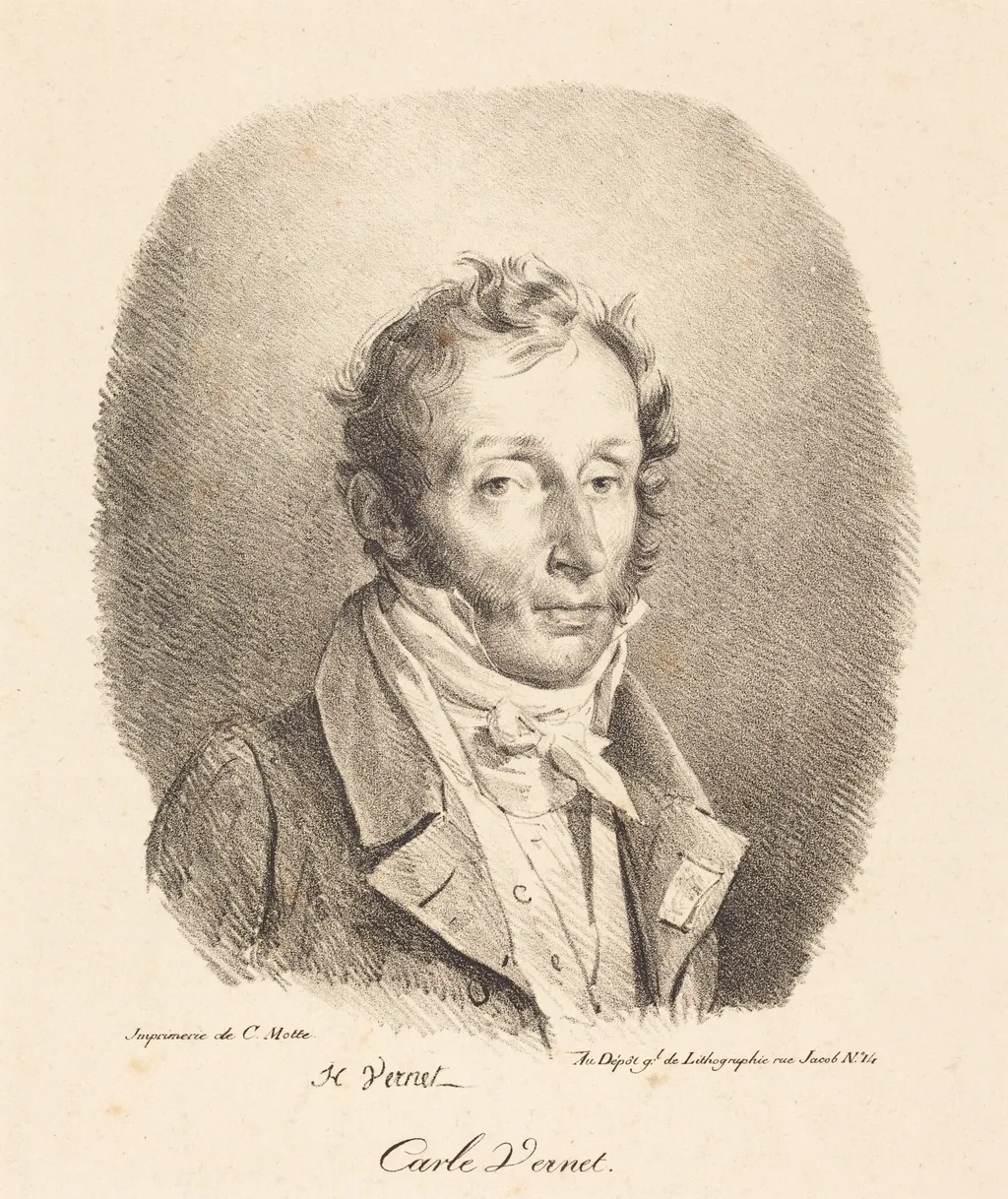
Bust of Carle Vernet is an ink print by the Romanticist artist Horace Vernet. It dates from 1817 and is held in the collection of the National Gallery of Art.
About this work
Overview
Executed in the relatively new medium of lithography, the work reflects the artist’s engagement with emerging print technologies.
Created in 1817, this lithograph by Horace Vernet is a portrait of his father, Carle Vernet. Executed in the relatively new medium of lithography, the work reflects the artist’s engagement with emerging print technologies. Unlike oil paintings, lithographs allowed for wider distribution and were valued for their tonal subtlety. The piece stands as both a personal tribute and a technical experiment in reproductive art.
Subject & Meaning
The subject is Carle Vernet, a respected French painter known for his equestrian and genre scenes. Horace Vernet depicts him in a three-quarter bust, dressed in a dark coat with a white cravat, his expression calm yet intent. The slightly averted gaze and tousled hair suggest informality, perhaps capturing a moment of quiet reflection. The inscription confirms the identity, framing the image as a familial homage rather than a formal commission.
Technique & Style
Lithography enabled Horace Vernet to achieve soft gradations of tone with a crayon-like tool on stone. The portrait’s edges are blurred, and shading is delicately applied around the face and shoulders, lending a sense of volume without harsh lines. The technique’s capacity for nuance suited the intimate character of the portrait, distinguishing it from the more rigid conventions of engraved portraiture common at the time.
History & Provenance
The print was made during Horace Vernet’s early career, shortly after he began gaining recognition for his historical and military subjects. While no detailed ownership record exists for this specific impression, lithographs of this period were often circulated among artists and patrons. Its survival suggests it was valued within artistic circles, possibly kept as a keepsake or used to promote the Vernet family’s artistic legacy.
Context
In early 19th-century France, lithography was rapidly adopted for both artistic and commercial use. Artists like Horace Vernet embraced it for its accessibility and tonal range. Portraits of family members, especially fellow artists, were common in private collections. This work fits within a broader trend of artists documenting their kin, reinforcing professional lineages in a time when artistic identity was closely tied to familial training.
Legacy
Though not widely exhibited, this lithograph remains a quiet testament to the Vernet artistic dynasty. It illustrates how printmaking served as a vehicle for personal and professional connection among artists. Horace’s choice to render his father in lithography, rather than oil, signals an awareness of the medium’s evolving role—bridging the private and public spheres of artistic life in post-revolutionary France.
Artist & collection
Artist
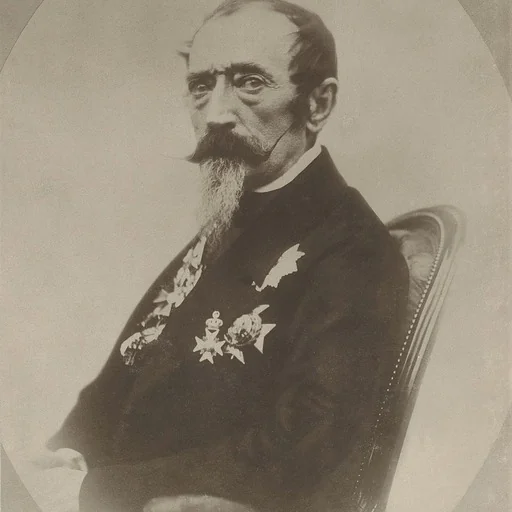
Émile Jean-Horace Vernet (French pronunciation: ; 30 June 1789 – 17 January 1863), better known as Horace Vernet, was a French painter of battles, portraits, and Orientalist subjects.

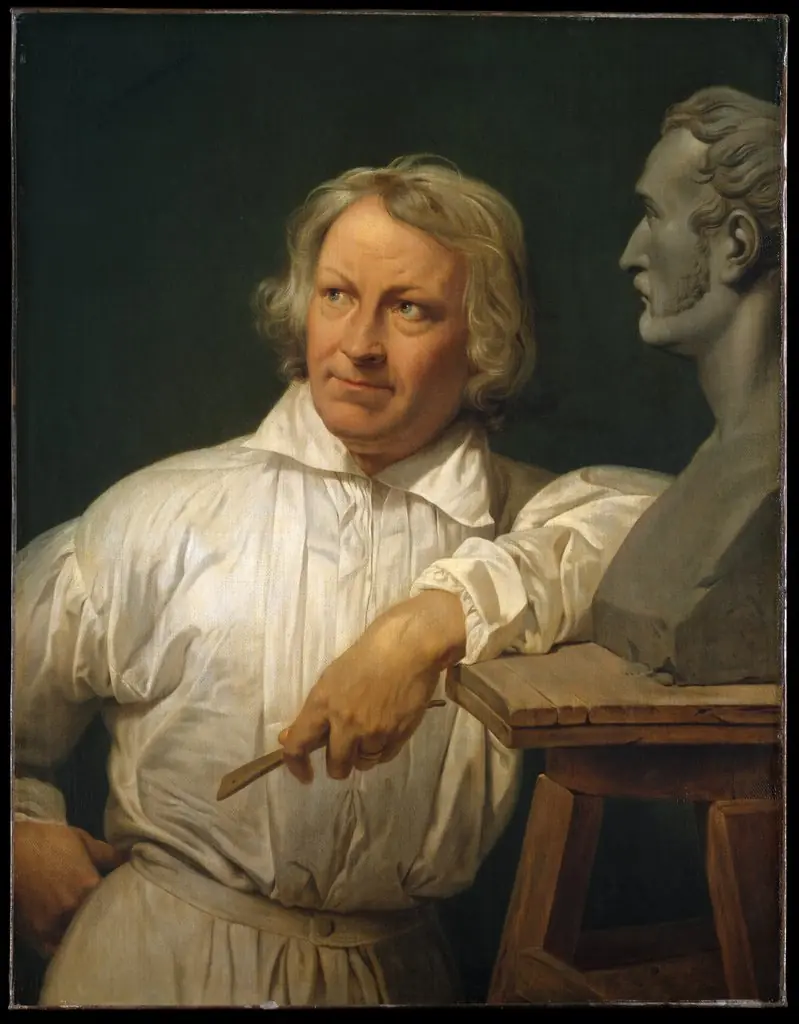 Bertel Thorvaldsen (1768–1844) with the Bust of Horace Vernet
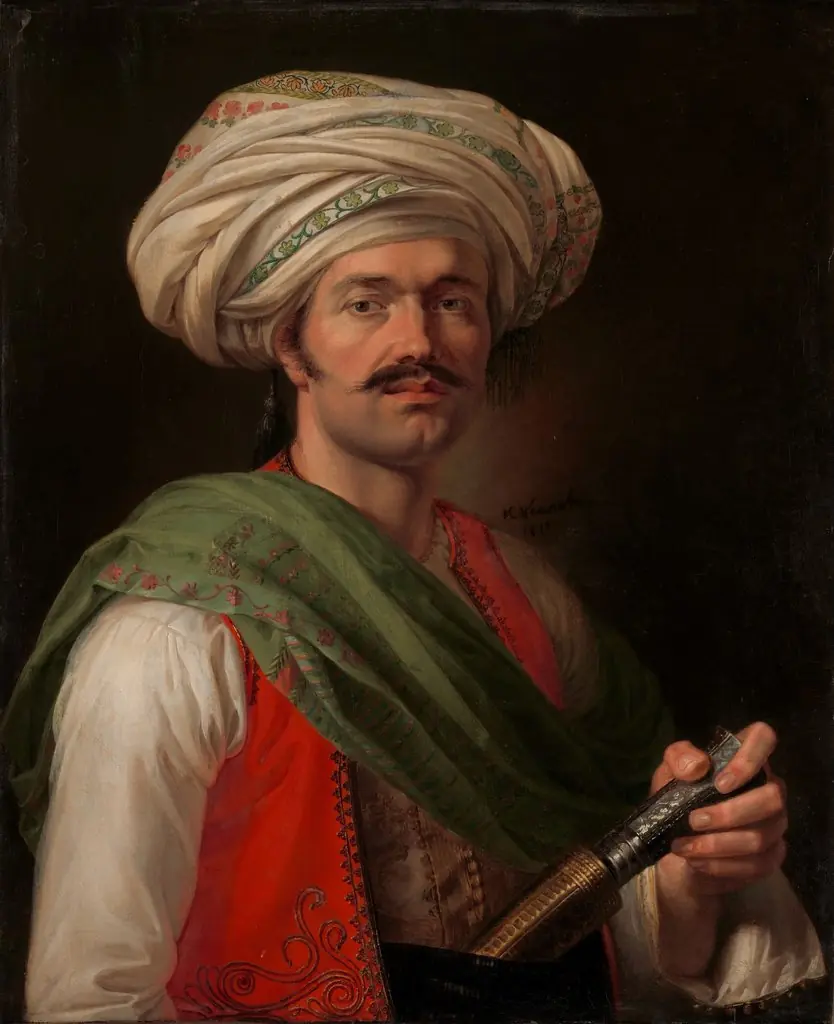 Portrait of a Mameluke, said to be Roustam Raza
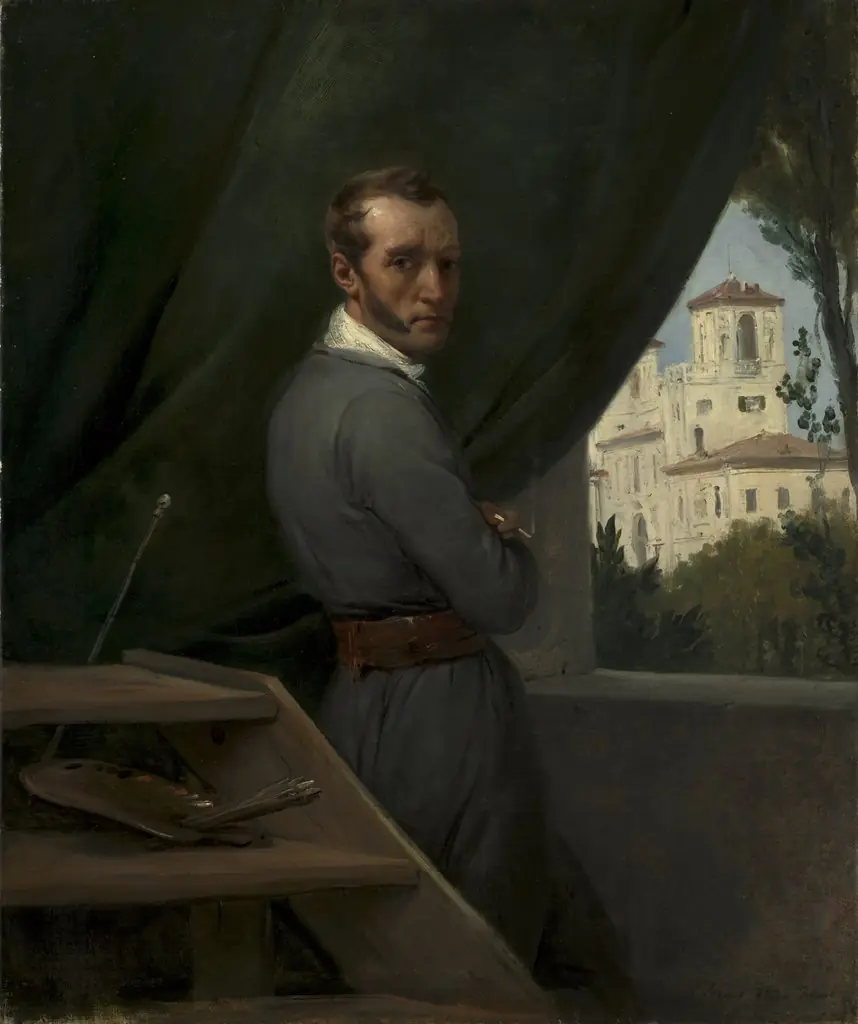 Self-Portrait in Rome
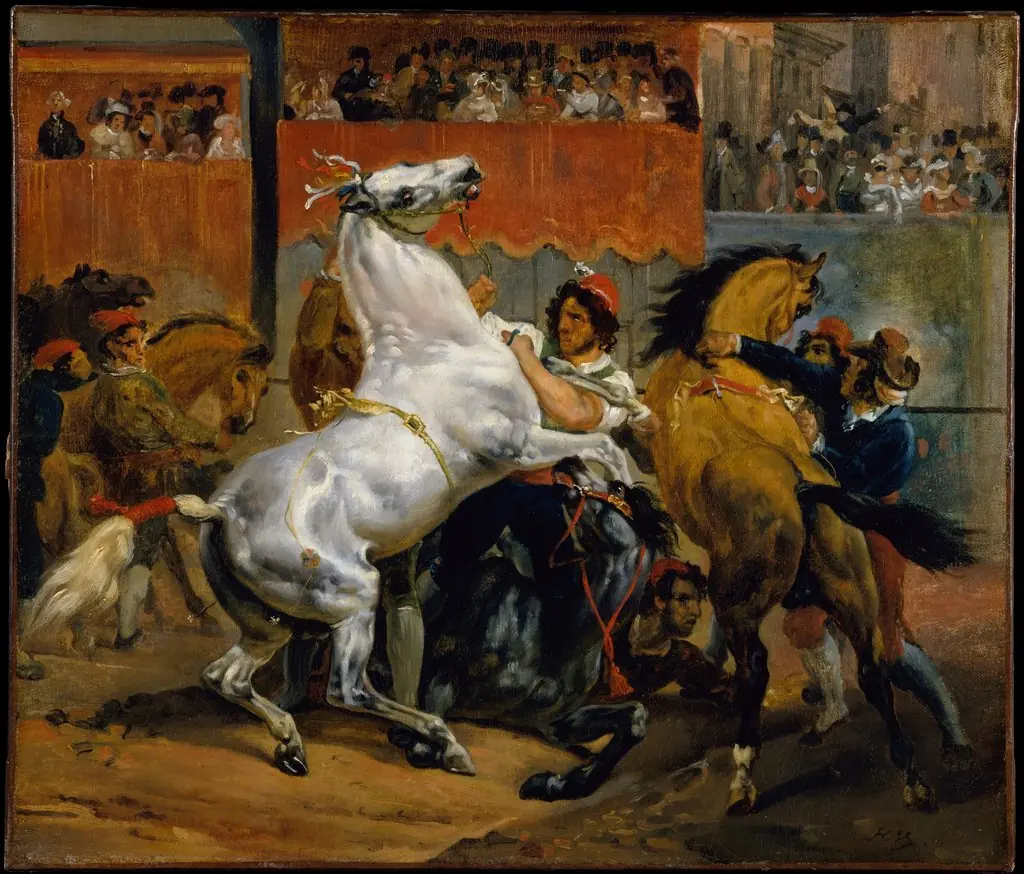 The Start of the Race of the Riderless Horses
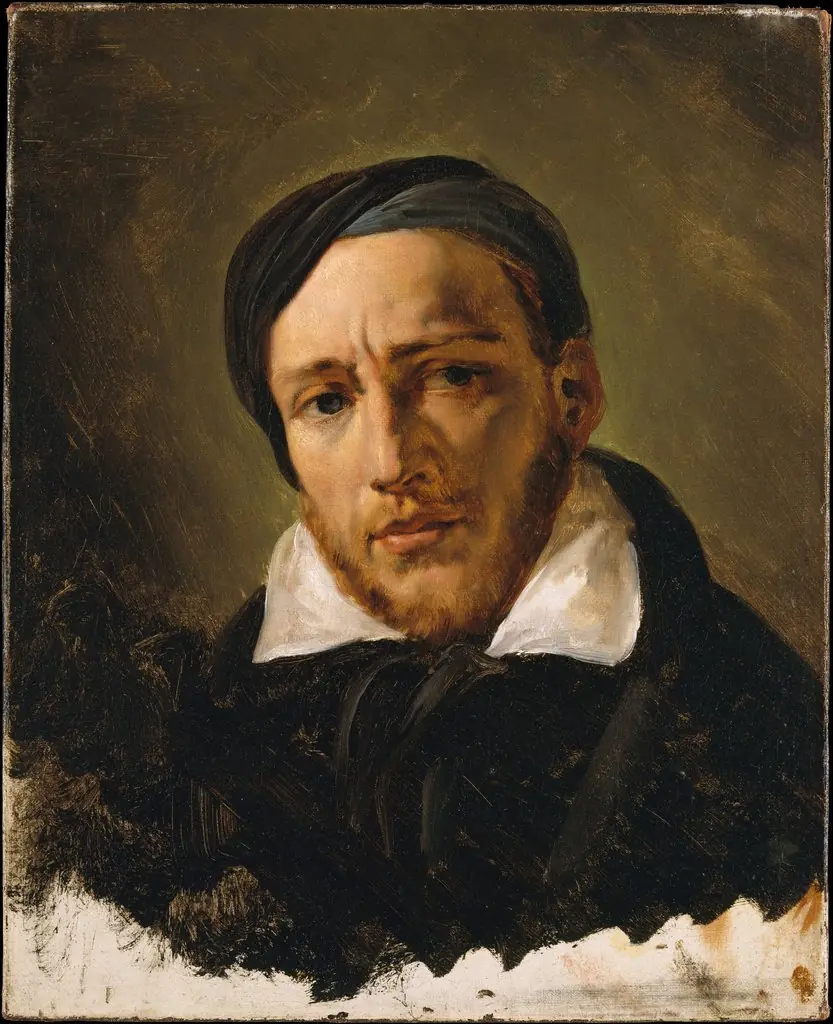 Jean-Louis-André-Théodore Gericault (1791–1824)
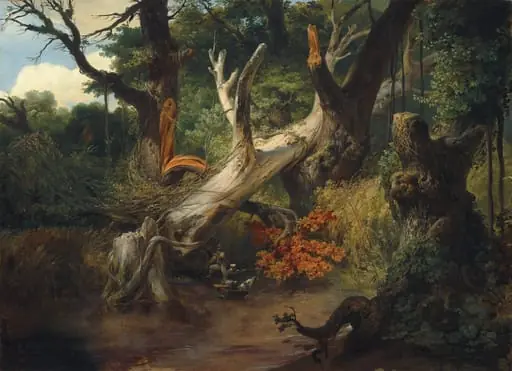 Hunting in the Pontine Marshes
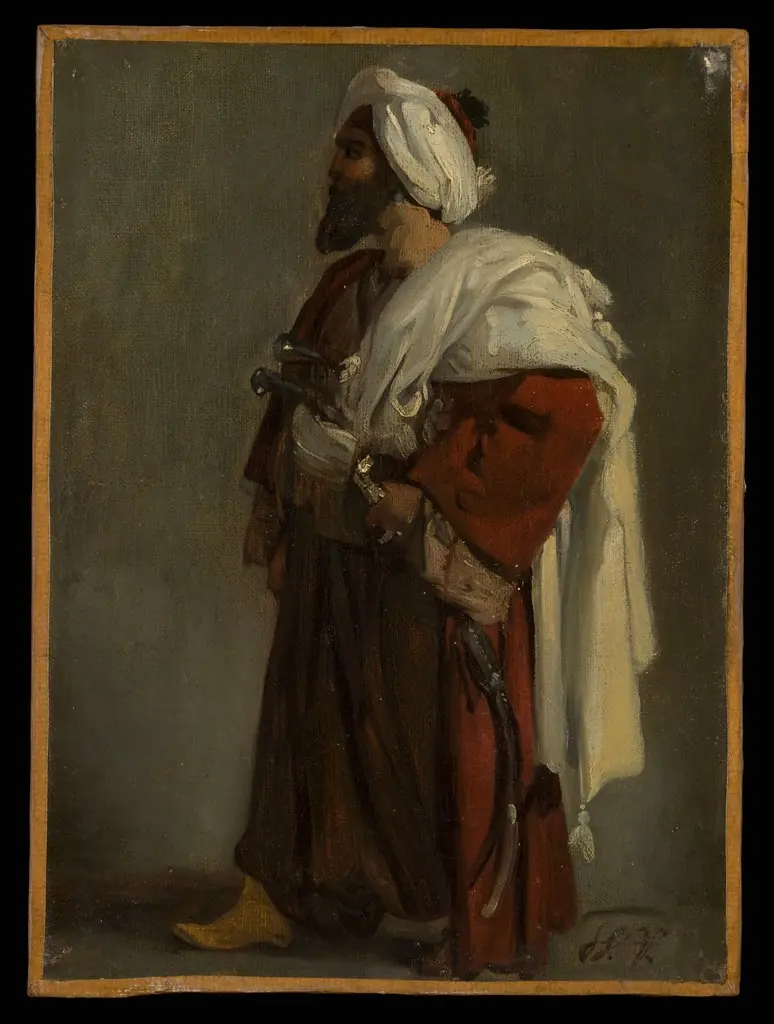 Arab Warrior
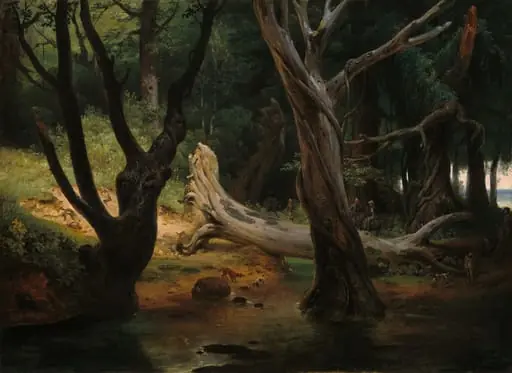 Departure for the Hunt in the Pontine Marshes
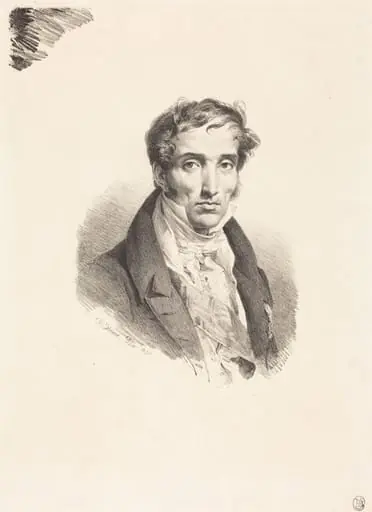 Pierre Guerin
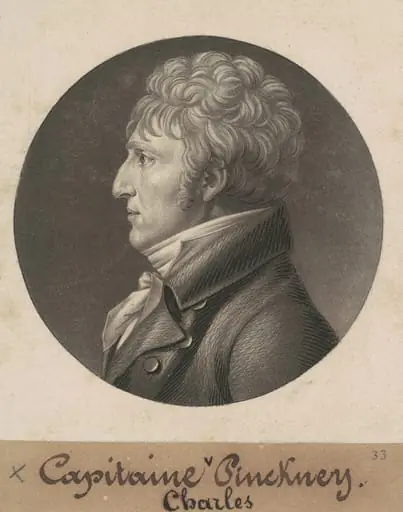 Charles Pinckney
 Portrait of a Man
 Jean-Victor Moreau
 Honorable Frederic Sylvester Douglas
 Bataille (Alex. Simon Pataille)
 Coupin de La Couperie
 Pieter de Riemer (1769-1831). Professor in de ontleed- en verloskunde, consulent chirurgijn van koning Willem I
 Frederic Sylvester Douglas
 Dominique Vivant-Denon