Artwork
Portrait of a Man
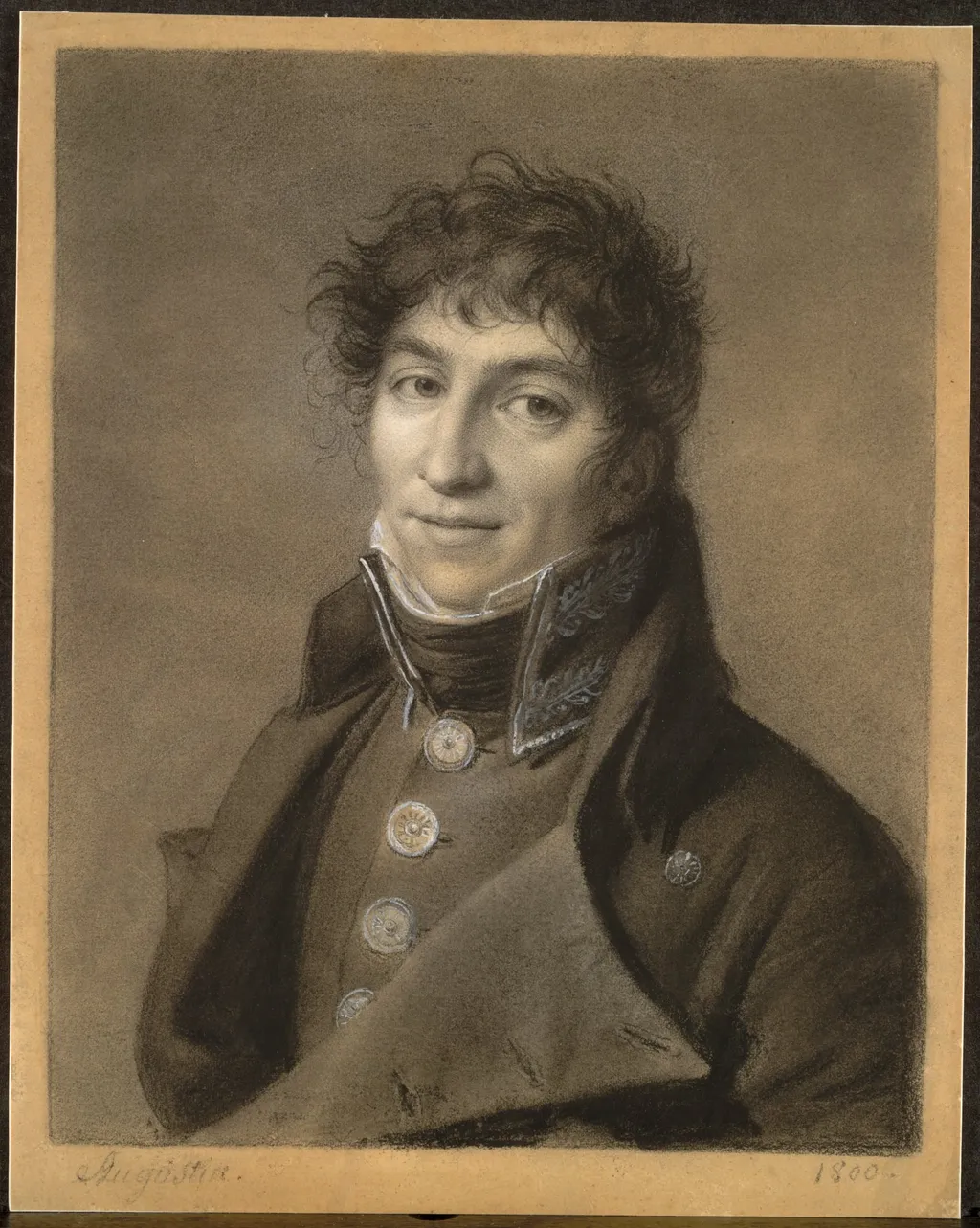
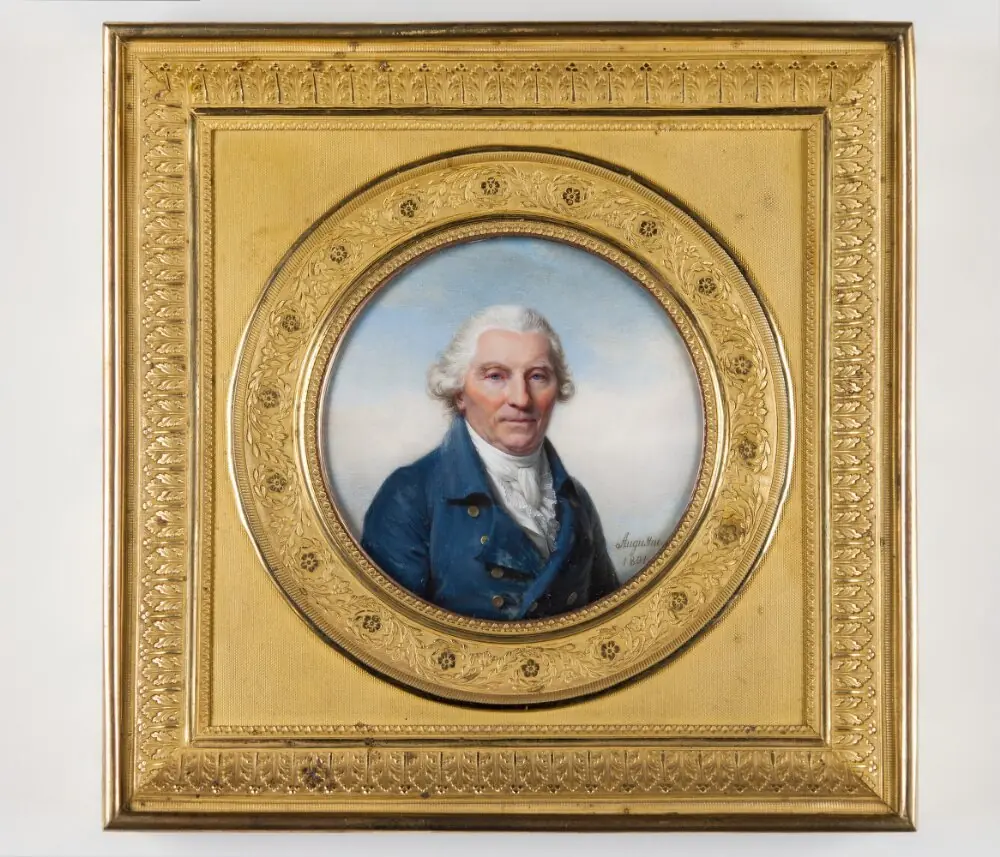
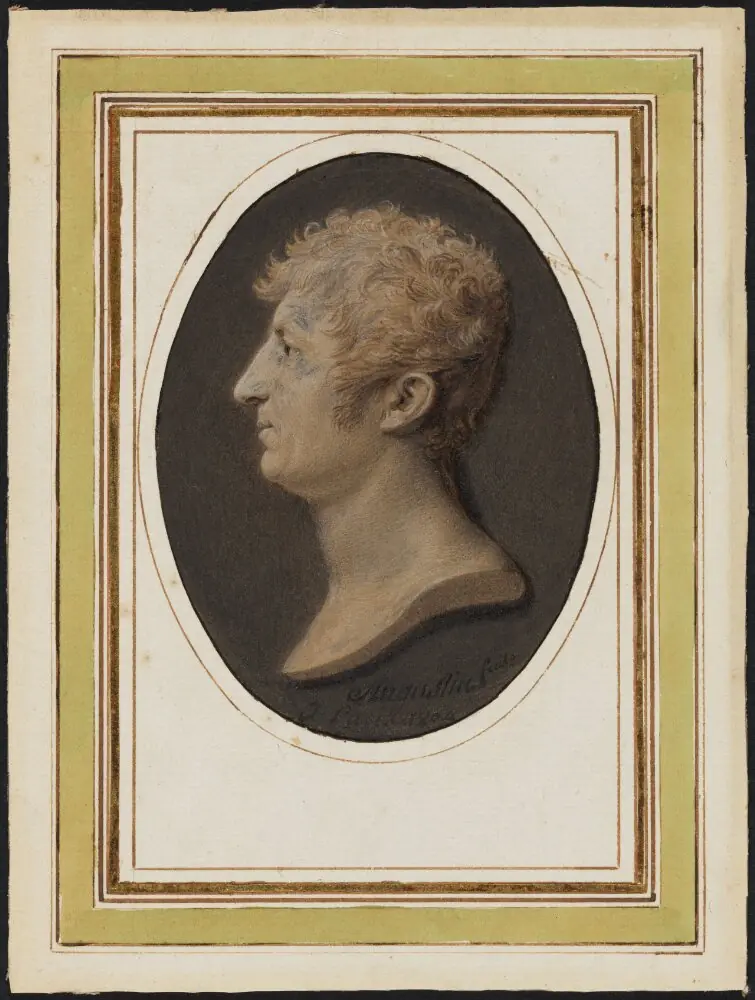
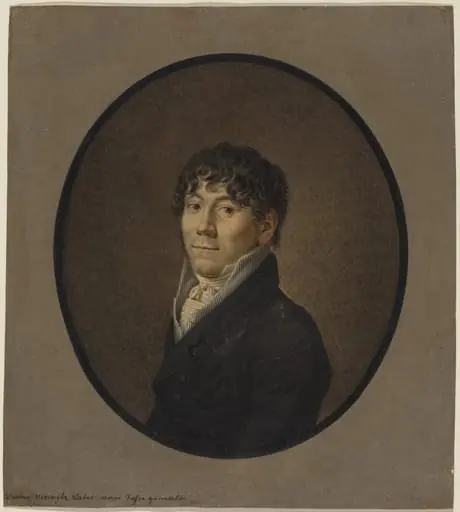
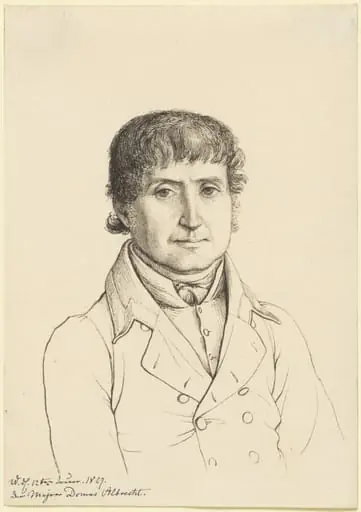
Portrait of a Man is a drawing by the Romanticist artist Jean-Baptiste Jacques Augustin. It dates from 1800 and is held in the collection of the Cleveland Museum of Art.
About this work
Overview
Its scale invites a more direct engagement, yet retains the refined subtlety characteristic of his draftsmanship.
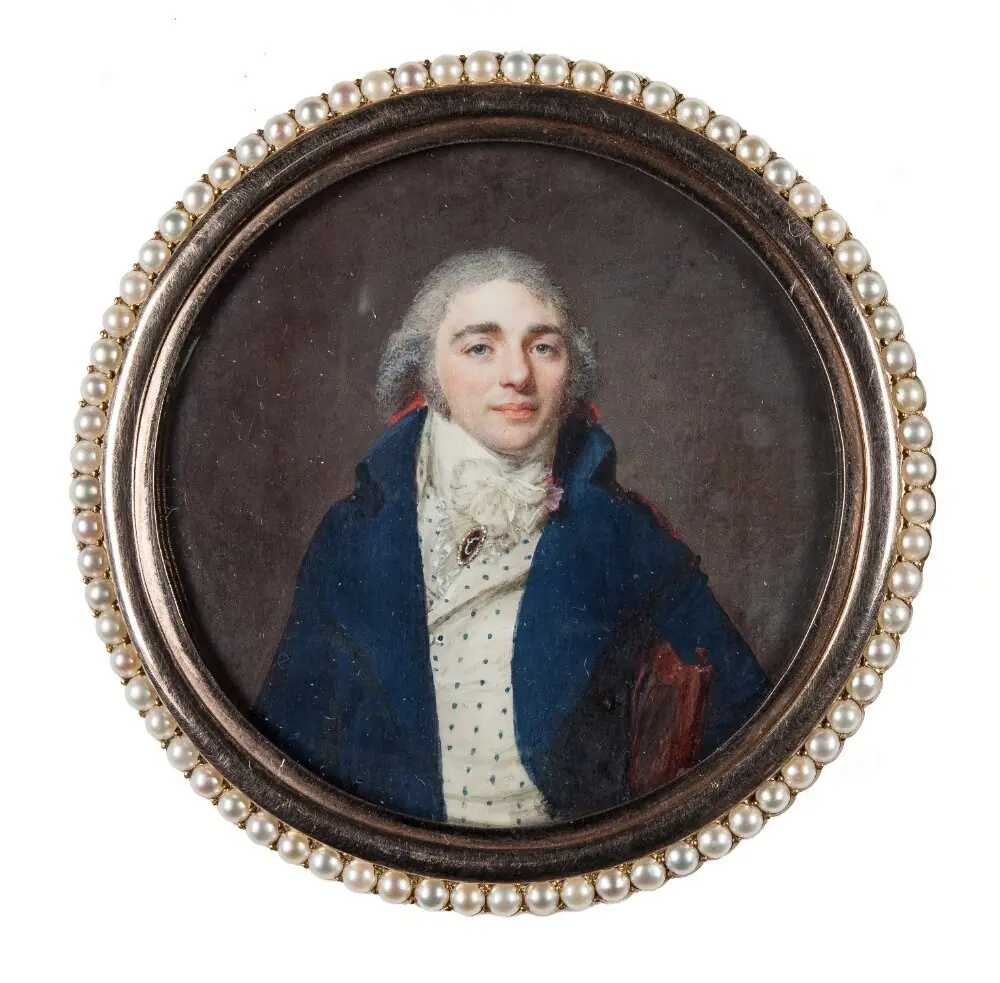
This crayon drawing by Jean-Baptiste Augustin is unusually large for his oeuvre, measuring closer to postcard size rather than the miniature scale typical of his ivory portraits. While most of his work was designed for intimate, handheld viewing, this piece expands the format without sacrificing the delicate precision that defined his approach. Its scale invites a more direct engagement, yet retains the refined subtlety characteristic of his draftsmanship.
Subject & Meaning
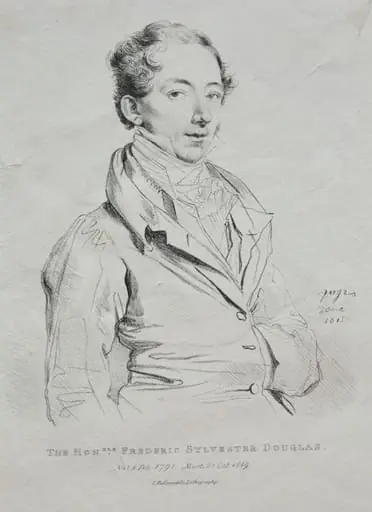
The identity of the sitter remains unknown, but his direct gaze and gentle, unforced smile create an impression of quiet intimacy. There is no indication of status or profession—only a private moment captured in soft light. Augustin avoids theatricality, instead conveying presence through restraint. The expression suggests familiarity, as if the viewer has just been greeted, enhancing the drawing’s sense of immediacy and human connection.
Technique & Style
Augustin employed fine crayon strokes to achieve a lifelike texture, blending shadows with a near-invisible gradation reminiscent of sfumato. The collar and chin shadow are rendered with sharp clarity, contrasting with the softer contours of the face. This interplay of precision and delicacy mimics the tactile quality of skin and fabric, suggesting a three-dimensional form without heavy modeling. His technique prioritizes subtle transitions over bold outlines.
History & Provenance
The drawing’s early ownership is undocumented, and it does not appear in known inventories of Augustin’s commissioned miniatures. Its larger format suggests it may have been a preparatory study, a personal experiment, or an independent work outside his commercial practice. Unlike his ivory portraits, which were often sent as gifts or tokens, this piece likely remained in his studio or private collection.
Context
In the late 18th century, portrait miniatures on ivory were prized among European elites for their portability and detail. Augustin was among the most skilled practitioners, known for naturalism over idealization. This drawing reflects a broader shift toward intimate, psychologically nuanced portraiture, aligning with emerging tastes that valued authenticity over formality, even as the miniature format remained dominant.
Legacy
Though Augustin’s ivory miniatures are better documented, this drawing reveals the adaptability of his technique beyond the constraints of his primary medium. It demonstrates how his sensitivity to light and texture translated effectively into larger-scale drawing, influencing later artists who sought realism without academic rigidity. The work stands as a quiet testament to his skill beyond the miniature tradition.
Artist & collection
Artist
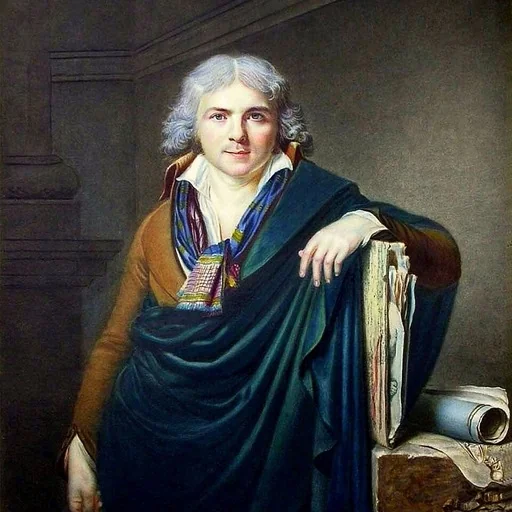
Jean-Baptiste Jacques Augustin
Jean-Baptiste Jacques Augustin (1759–1832) was a French artist, born in Saint-Dié-des-Vosges.