Artwork
Frontispiece for the portfolio "Croquis Lithographiques par H. Vernet"
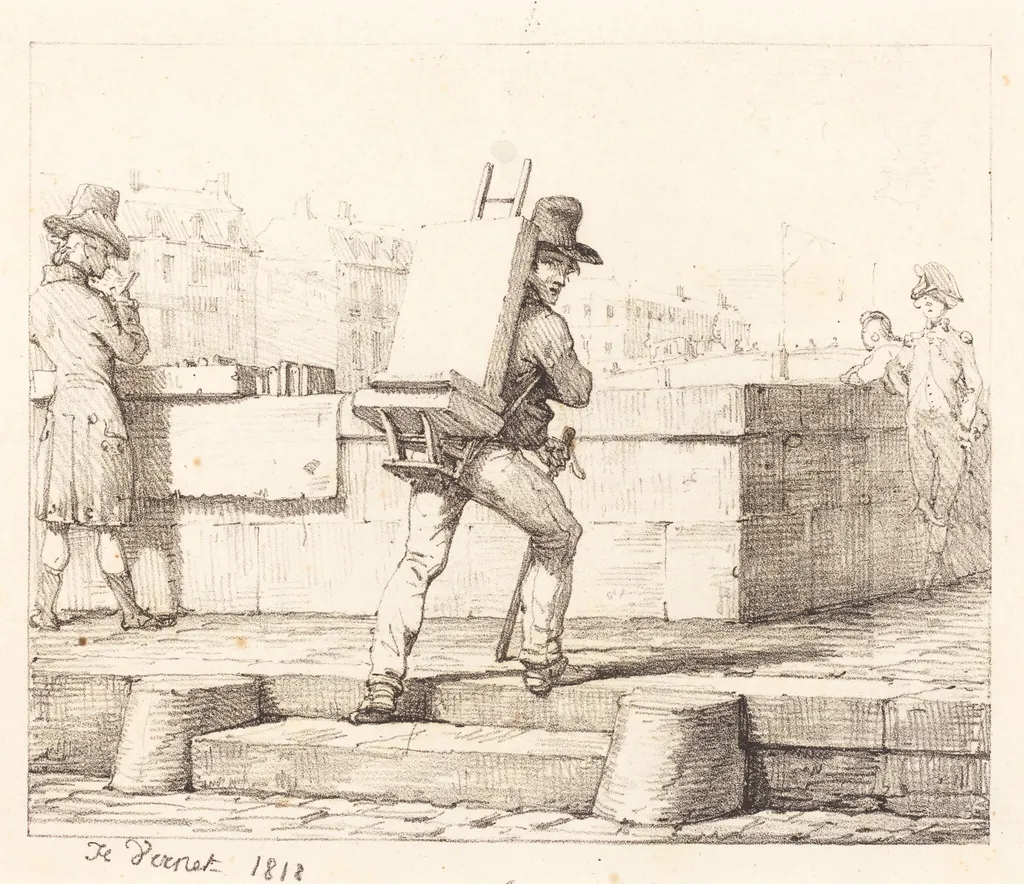
Frontispiece for the portfolio "Croquis Lithographiques par H. Vernet" is an ink print by the Romanticist artist Horace Vernet. It dates from 1818 and is held in the collection of the National Gallery of Art.
About this work
Overview
Created in 1818, this lithographic trial proof serves as the frontispiece for a portfolio of sketches by Émile Jean-Horace Vernet.
Created in 1818, this lithographic trial proof serves as the frontispiece for a portfolio of sketches by Émile Jean-Horace Vernet. Executed on wove paper, it captures a fleeting urban moment with minimal refinement. As a trial, it reveals the artist’s process before final printing, emphasizing spontaneity over polish. The work reflects Vernet’s early experimentation with lithography as a medium for translating observational sketches into print.
Subject & Meaning
The scene depicts a casual Parisian street interaction: a man strides forward, clutching a rolled document, while another leans against a wall nearby. In the background, a woman and child sit at an outdoor table beneath a building marked with an 'H.' The composition avoids narrative climax, instead presenting unremarkable daily life. This quiet realism suggests an interest in ordinary moments, not grand events, aligning with emerging trends in observational art.
Technique & Style
Vernet employed lithography to preserve the immediacy of pencil sketches, leaving visible underdrawings and ink strokes unrefined. The lines are loose, uneven, and layered—resembling a rapid doodle rather than a finished drawing. This technique prioritized gesture over precision, allowing the texture of the paper and the grain of the stone to contribute to the image’s raw quality. The result is a tactile record of the artist’s hand in motion.
History & Provenance
This trial proof predates the official release of the 'Croquis Lithographiques par H. Vernet' portfolio, likely used to test composition and ink density before editioning. As a rare early example of Vernet’s lithographic work, it offers insight into his transition from oil painting to printmaking. Its survival as a trial suggests it was retained by the artist or printer, possibly for personal or technical reference.
Context
In the 1810s, lithography was gaining traction in France as a medium for artists seeking alternatives to traditional engraving. Vernet, already known for military and Orientalist subjects, turned to the technique to document informal sketches with speed and intimacy. This piece reflects a broader cultural shift toward capturing everyday life, paralleling developments in Romanticism and early realism in French art.
Legacy
Though not widely exhibited, this trial proof exemplifies Vernet’s role in expanding lithography’s expressive potential beyond commercial reproduction. Its sketch-like quality influenced later artists who valued immediacy in printmaking. The work stands as a quiet precursor to 19th-century drawings and prints that treated the sketch not as preparatory, but as a legitimate artistic statement.
Artist & collection
Artist
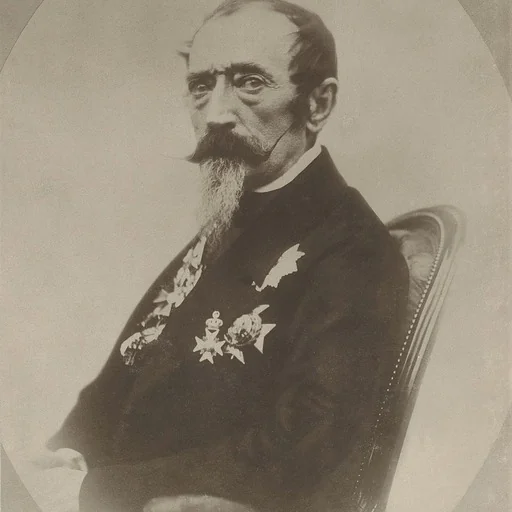
Émile Jean-Horace Vernet (French pronunciation: ; 30 June 1789 – 17 January 1863), better known as Horace Vernet, was a French painter of battles, portraits, and Orientalist subjects.

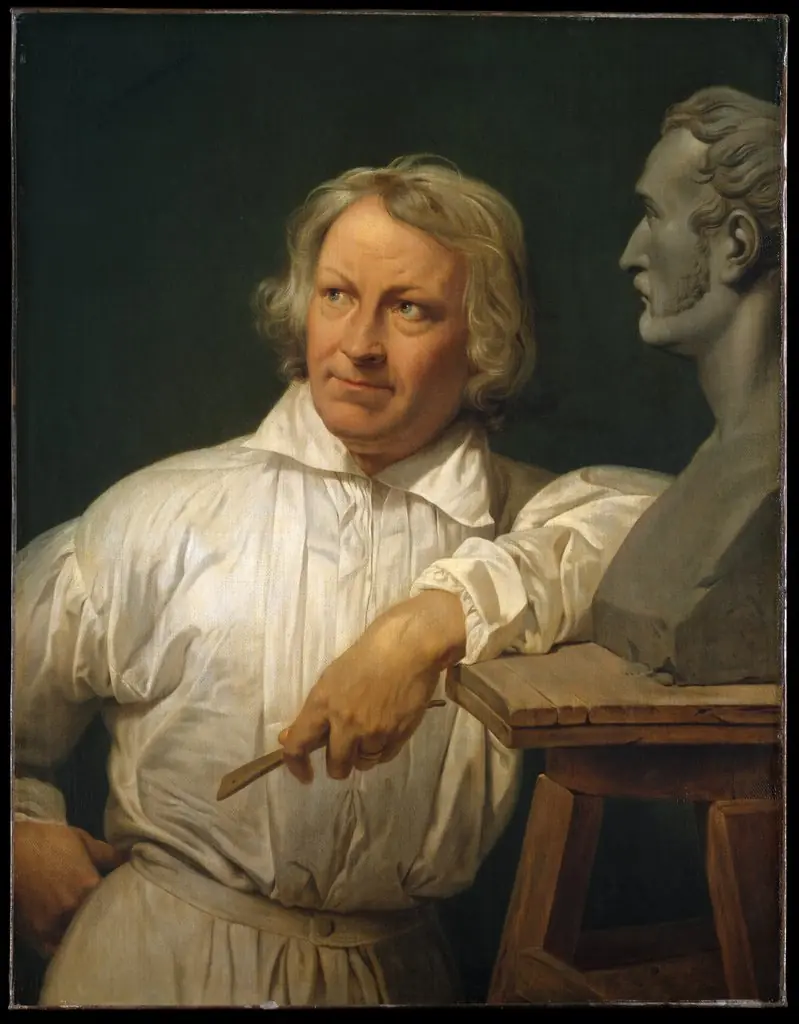 Bertel Thorvaldsen (1768–1844) with the Bust of Horace Vernet
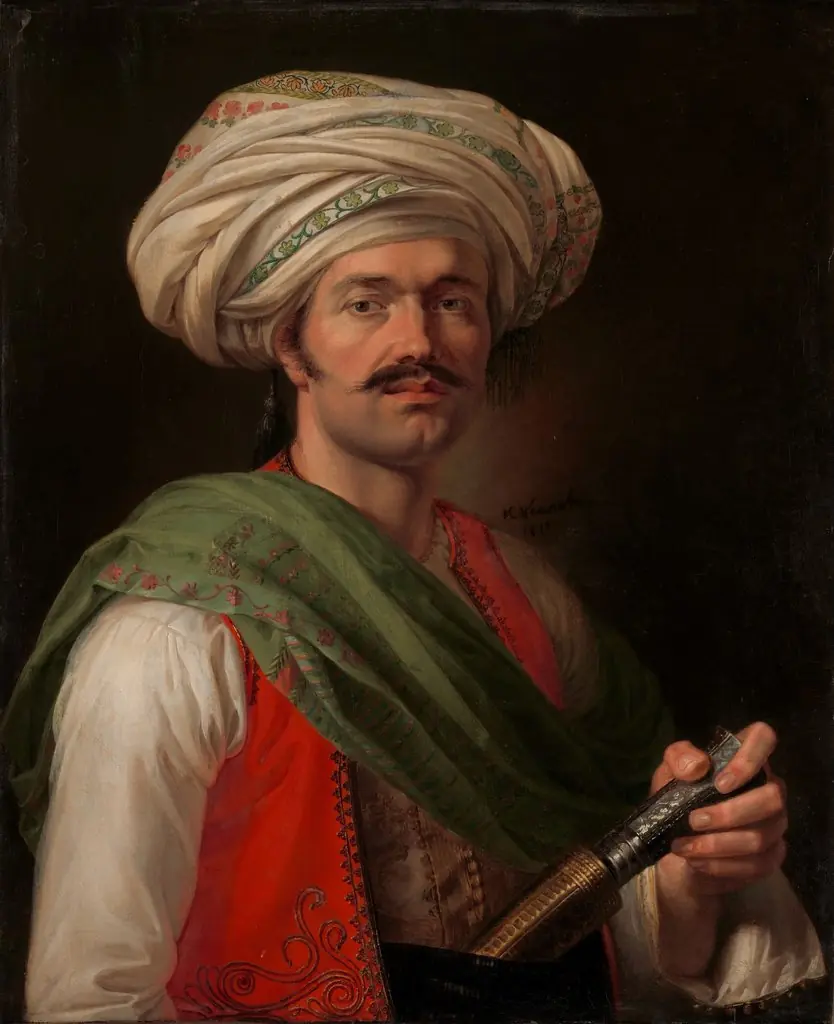 Portrait of a Mameluke, said to be Roustam Raza
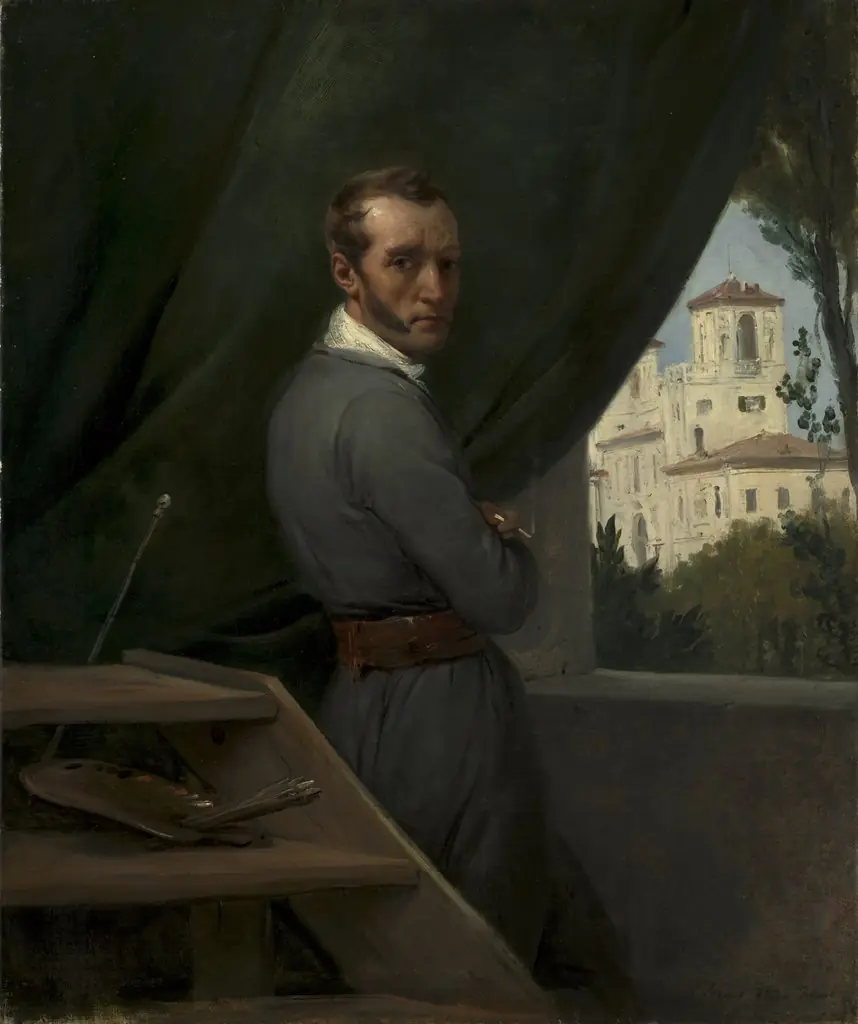 Self-Portrait in Rome
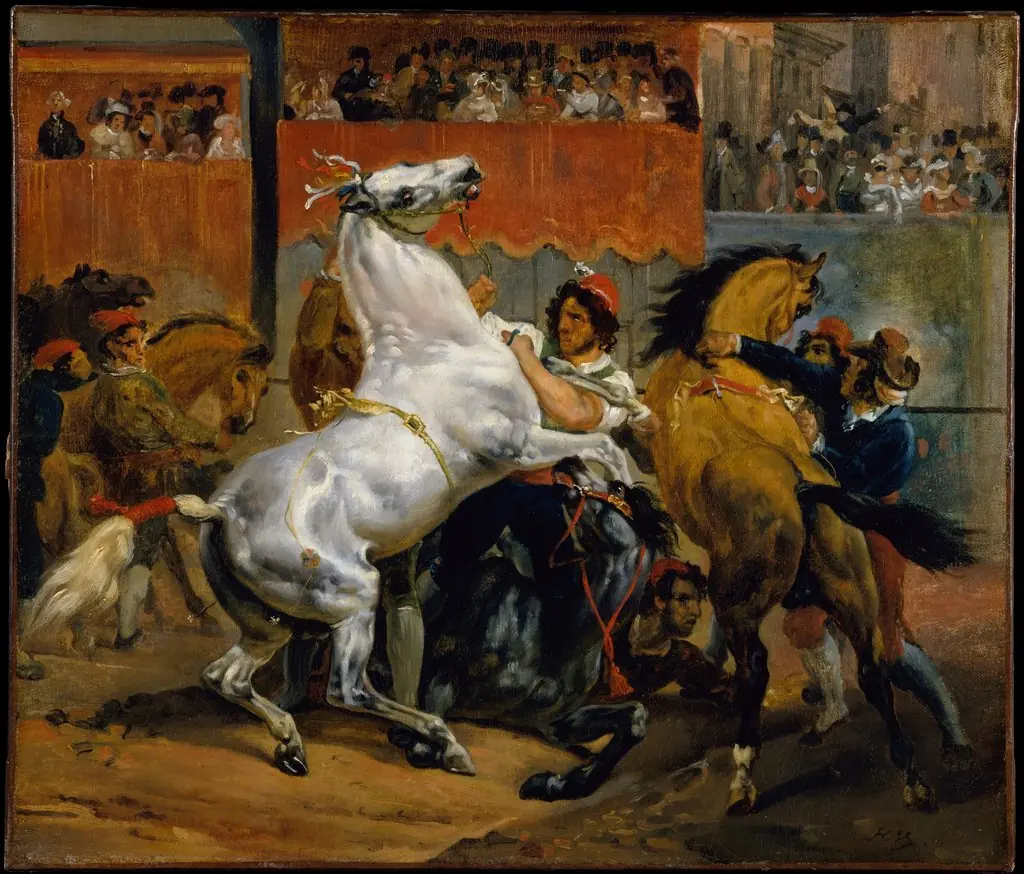 The Start of the Race of the Riderless Horses
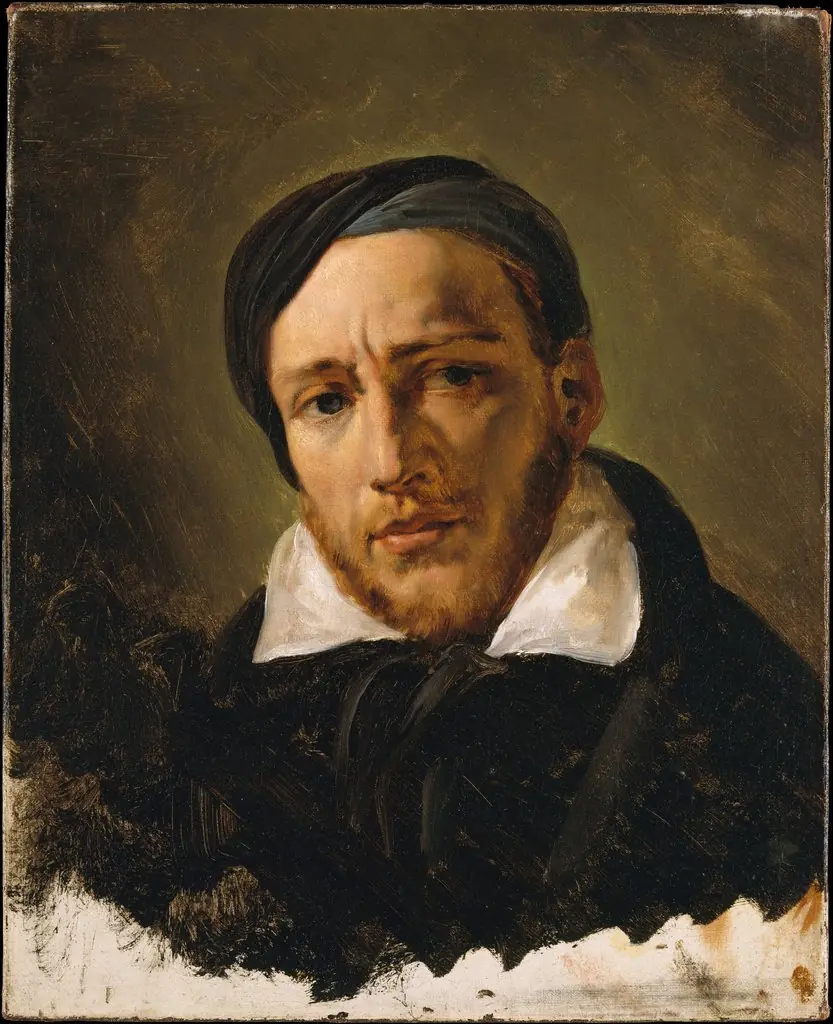 Jean-Louis-André-Théodore Gericault (1791–1824)
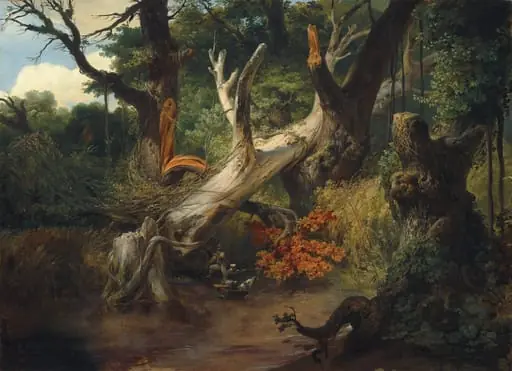 Hunting in the Pontine Marshes
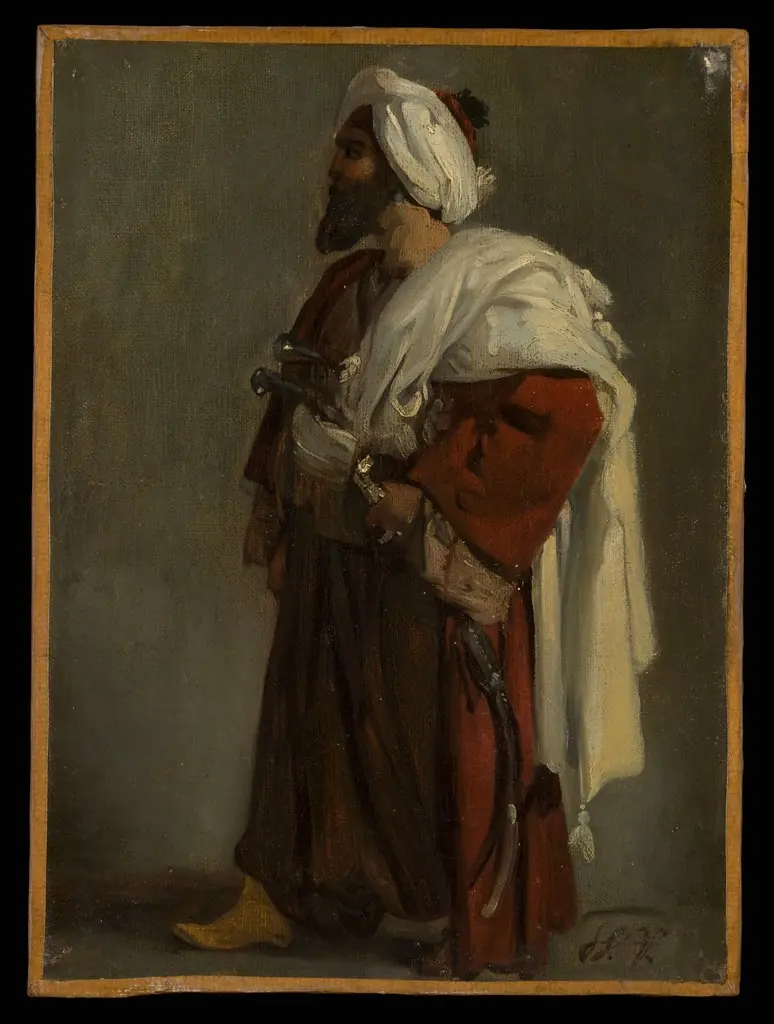 Arab Warrior
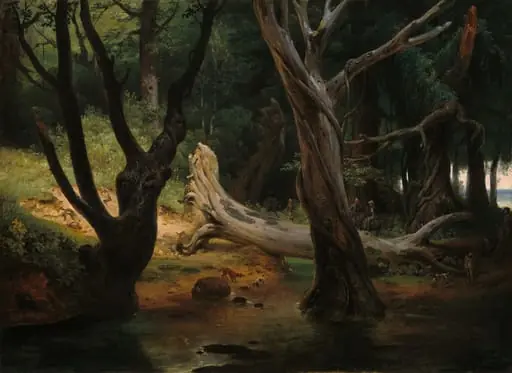 Departure for the Hunt in the Pontine Marshes
![[Merchant in his stall with children playing], by Auguste Brouet](https://artifactworldgallery.com/img/auguste-brouet--merchant-in-his-stall-with-children-playing--87482c59251c2c9c-w320.webp) [Merchant in his stall with children playing]
[Merchant in his stall with children playing]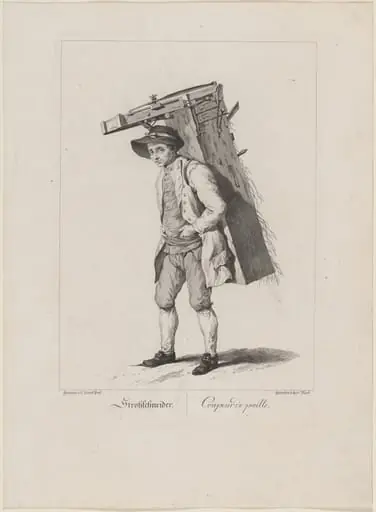 Strohschneider (Straw Cutter)
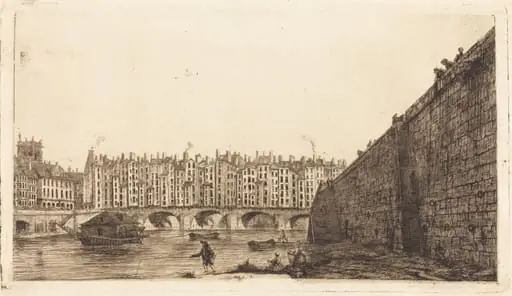 Le Pont-au-Change, Paris, vers 1784
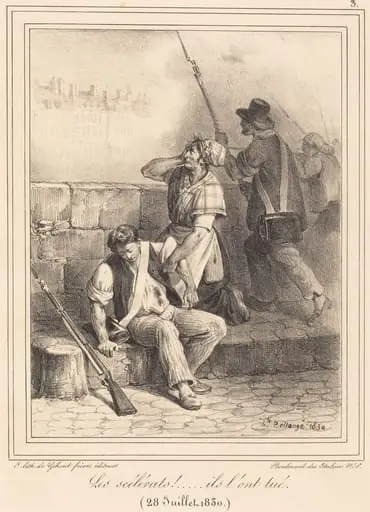 "Les Scélérats!..."
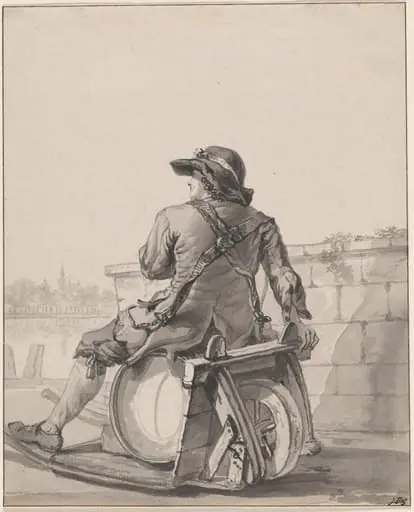 Man Sitting on a Cask on a Wheelbarrow
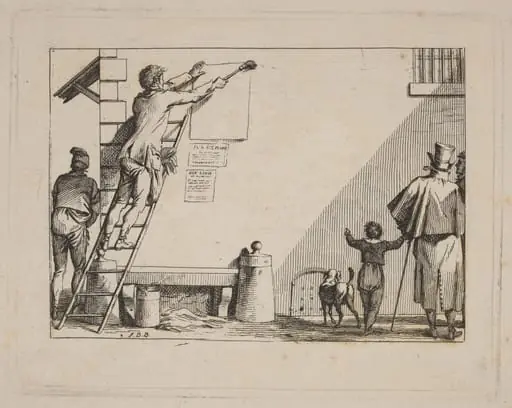 Colleur (Billposter)
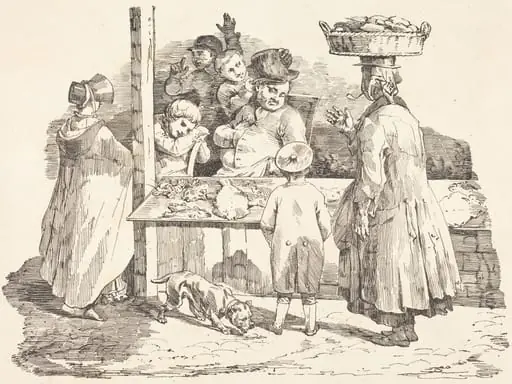 The Dozing Fishmonger (Le marchand de poissons endormie)
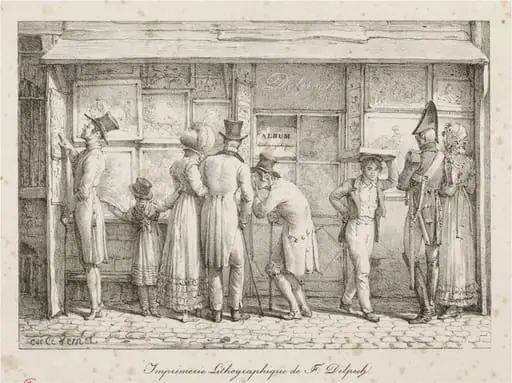 Imprimerie lithographique de F. Delpech (Lithographic Printing House of F. Delpech)
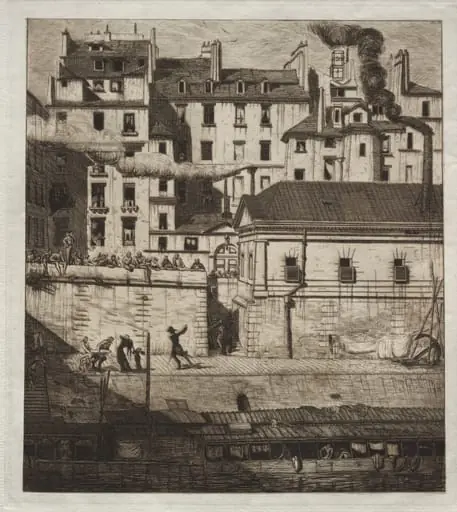 La Morgue
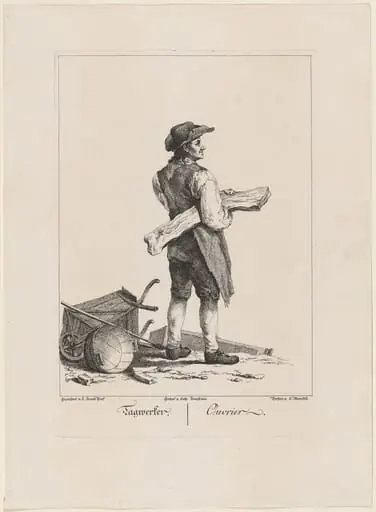 Tagwerker (Day Laborer)