Artwork
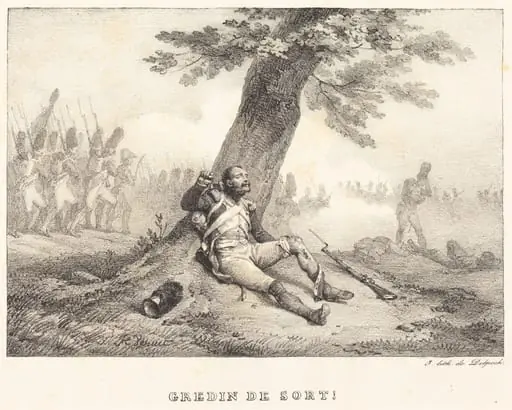
Gredin de Sort!...
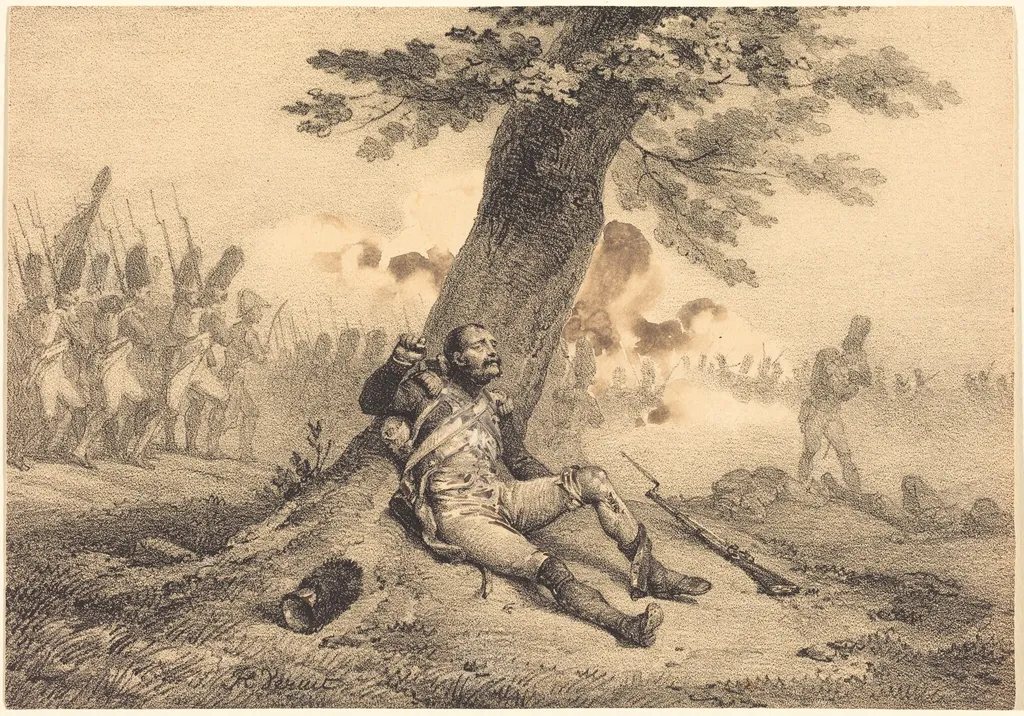
Gredin de Sort!... is an ink print by the Romanticist artist Horace Vernet. It dates from 1823 and is held in the collection of the National Gallery of Art. Created in 1823, *Gredin de Sort!
About this work
Overview
Created in 1823, *Gredin de Sort!* is a lithographic print on wove paper that incorporates hand‑applied washes. The French artist Horace Vernet, noted for his depictions of military and Orientalist subjects, produced this work early in his career. The piece is catalogued as a proof, indicating it was likely intended for further editioning or exhibition.
Subject & Meaning
The image portrays a well‑dressed, self‑satisfied figure clutching a playing card, his expression suggesting deceit. The French title translates to “Cheat at Cards!”, linking the visual narrative to themes of gambling and trickery that recur in Vernet’s genre scenes.
Technique & Style
Vernet employed the lithographic process, drawing directly on a stone with greasy crayons before transferring the image to paper. After printing, he brushed ink‑like washes across the surface, producing a contrast between crisp line work and softer tonal areas. This combination gives the composition a spontaneous, sketch‑like quality.
History & Provenance
The print is held by the National Gallery of Art in Washington, D.C., where it is listed as a proof rather than a finished edition. Its presence in a major American collection reflects the early 19th‑century interest in French lithography among European and transatlantic collectors.
Context
During the 1820s lithography emerged as a popular medium in France because it allowed artists to work directly on the matrix, bypassing the more labor‑intensive engraving process. Vernet’s use of the technique aligns with this broader shift toward quicker, more expressive printmaking methods among his contemporaries.
Artist & collection
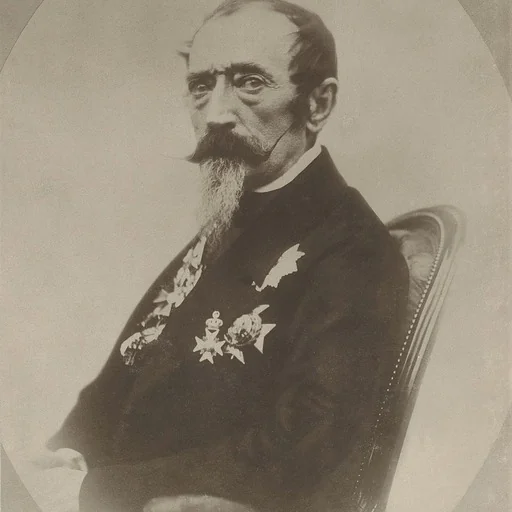
Artist
Émile Jean-Horace Vernet (French pronunciation: ; 30 June 1789 – 17 January 1863), better known as Horace Vernet, was a French painter of battles, portraits, and Orientalist subjects.

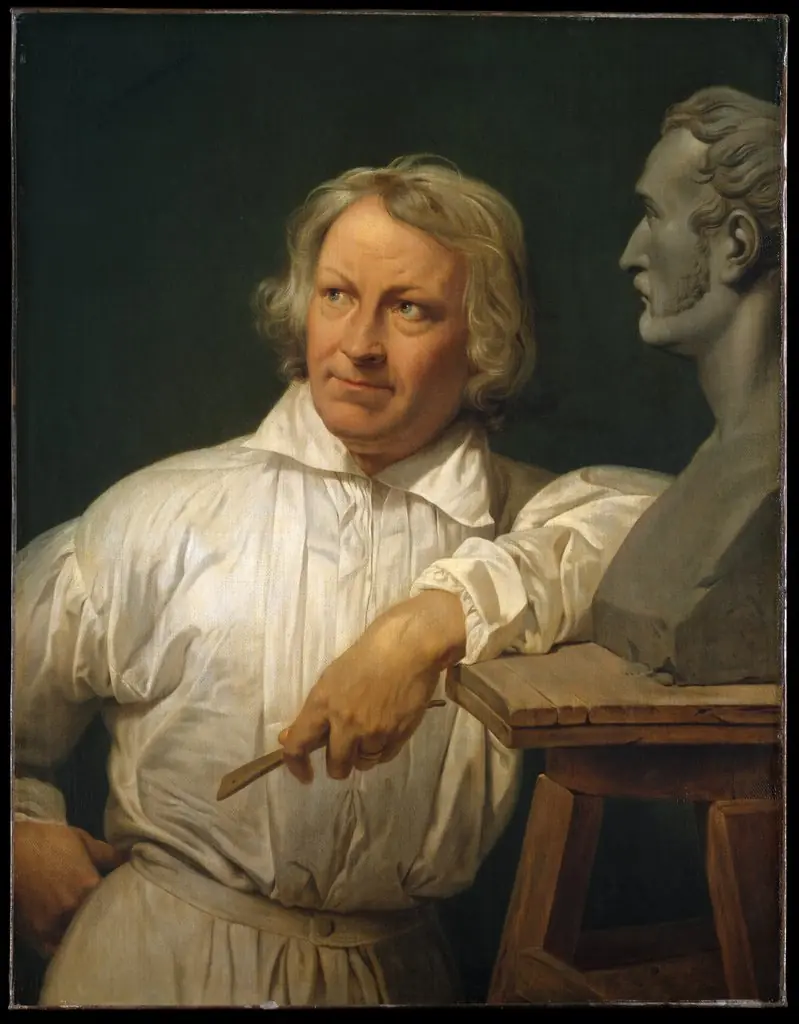 Bertel Thorvaldsen (1768–1844) with the Bust of Horace Vernet
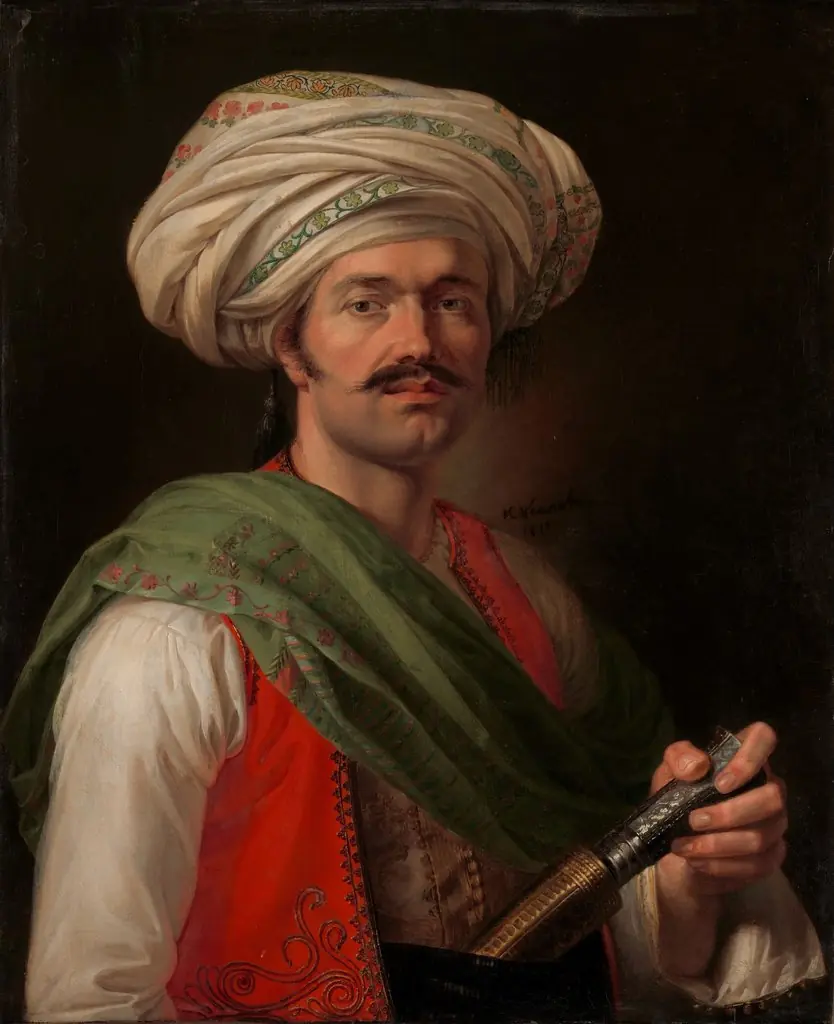 Portrait of a Mameluke, said to be Roustam Raza
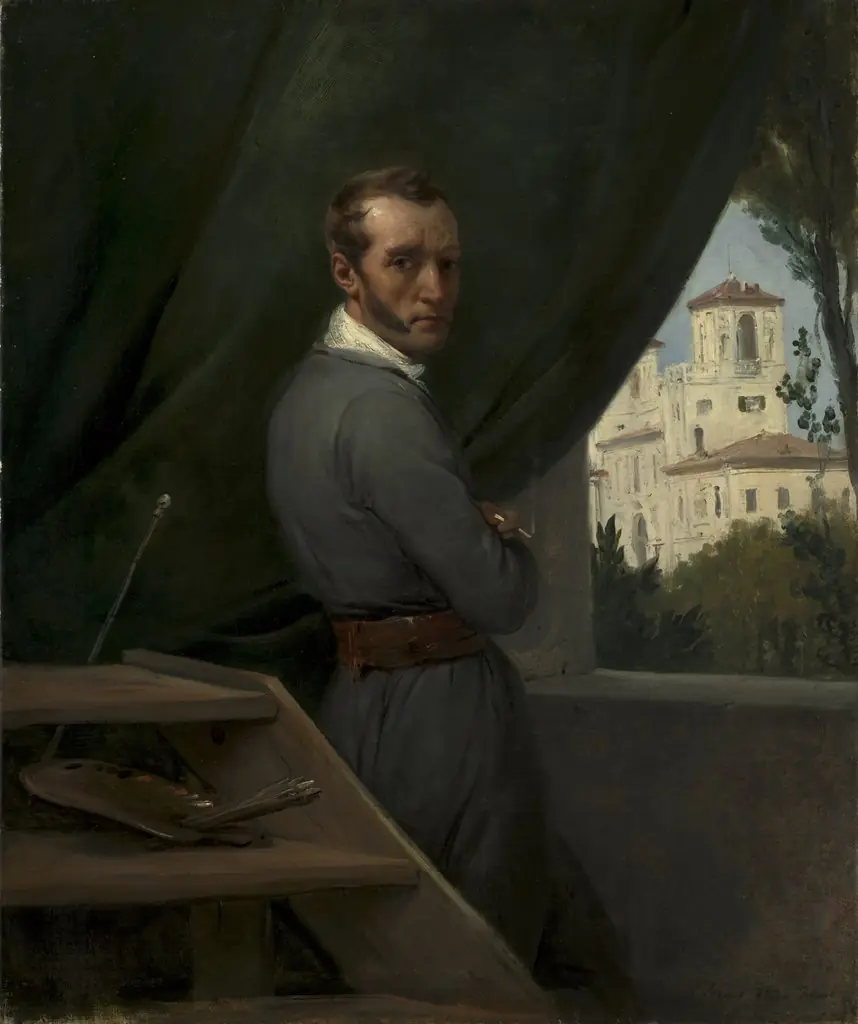 Self-Portrait in Rome
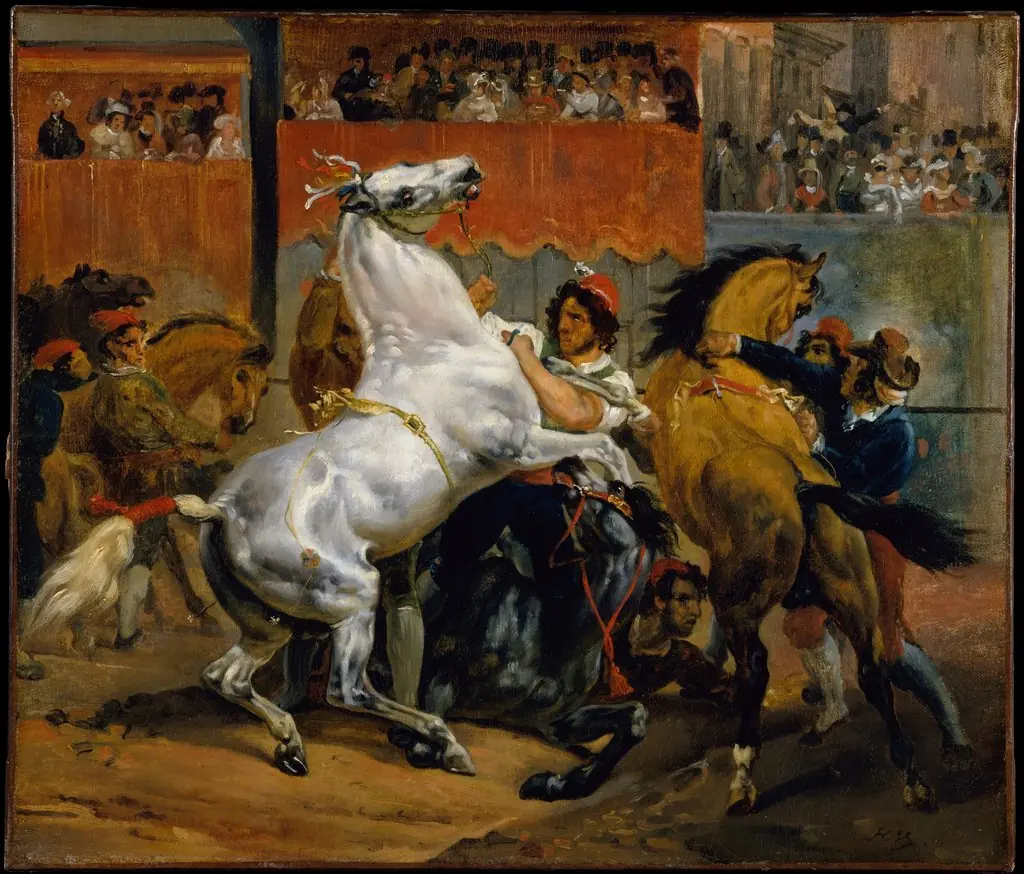 The Start of the Race of the Riderless Horses
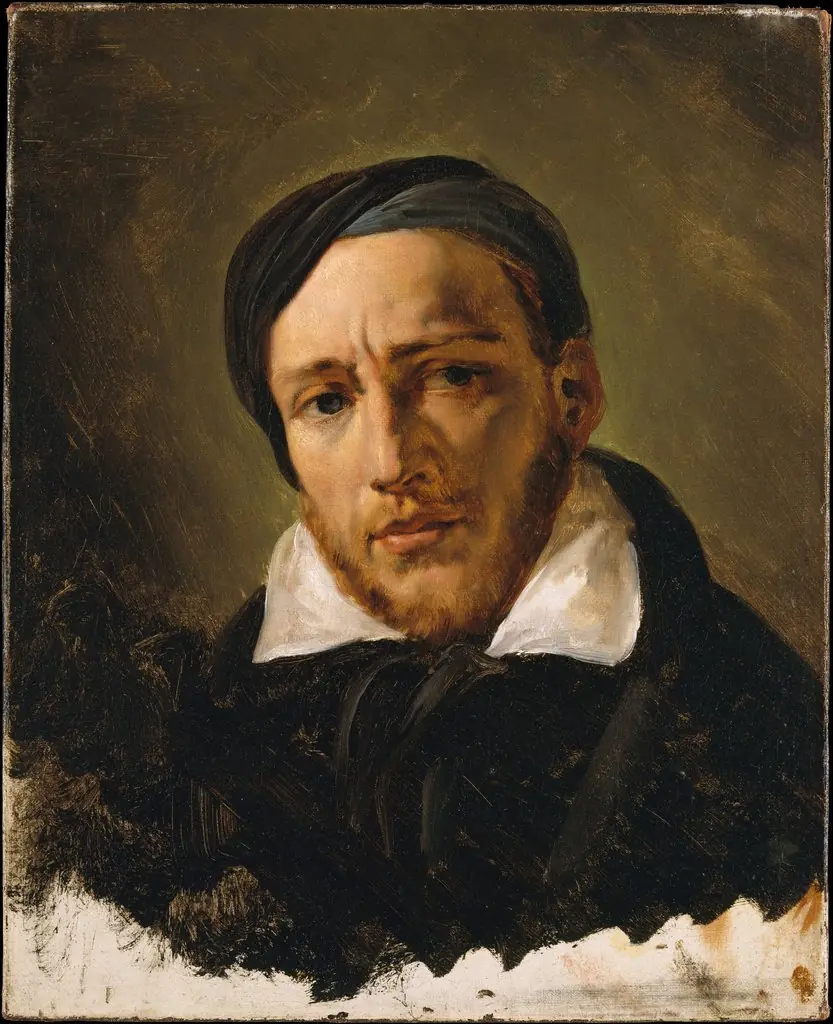 Jean-Louis-André-Théodore Gericault (1791–1824)
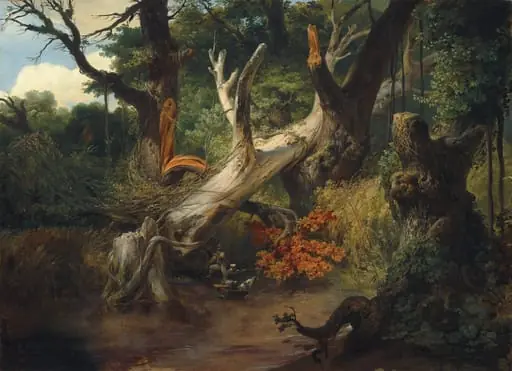 Hunting in the Pontine Marshes
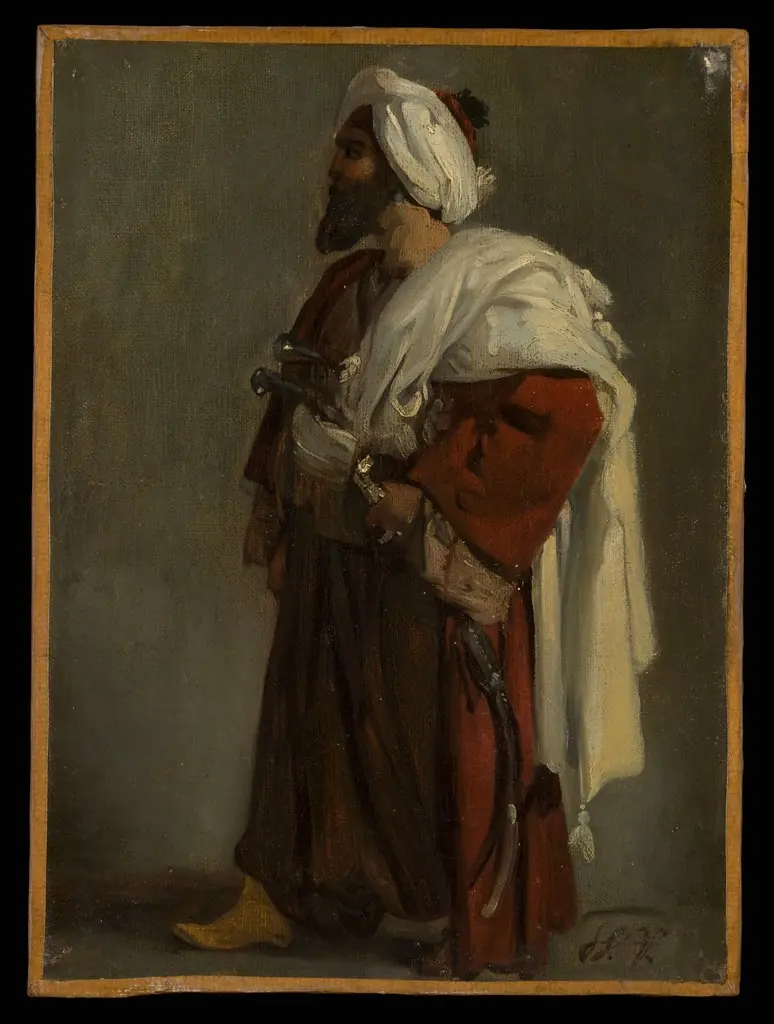 Arab Warrior
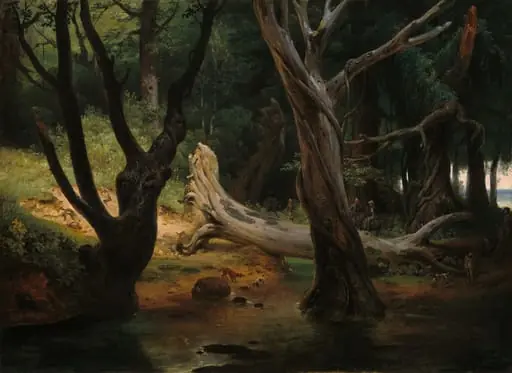 Departure for the Hunt in the Pontine Marshes
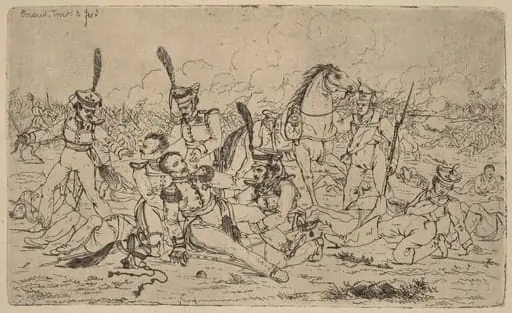 Death of a Russian General (Le Mort d'un general russe)
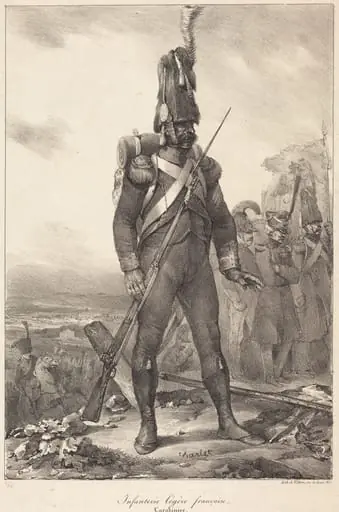 Infanterie legère française, Carabinier
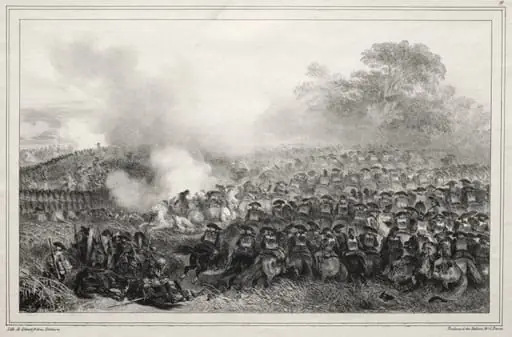 Album for 1835: Carré enfoncé...
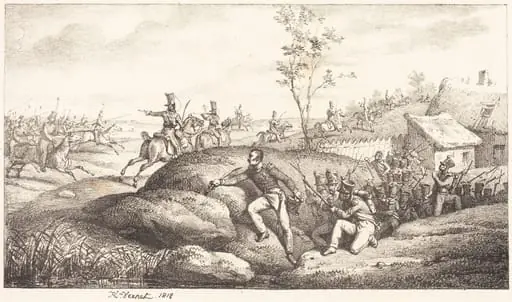 Infantry Ambush against the Cosacks
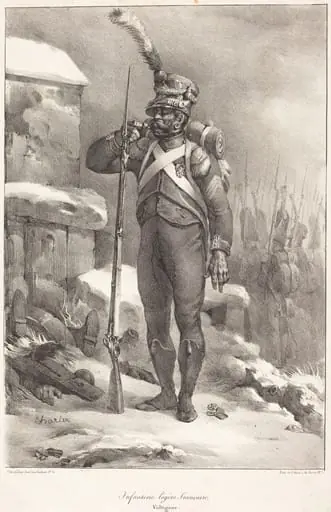 Infanterie legère française, Voltigeur
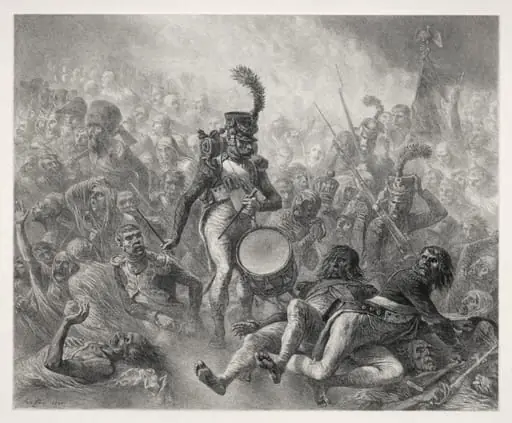 Le Réveil
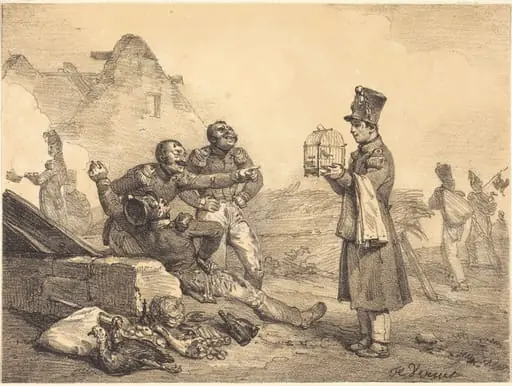 Mon Caporal, je n'ai pu avons que ça
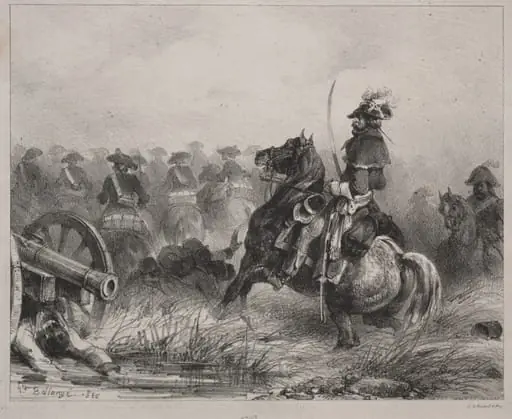 Cavalry Scene
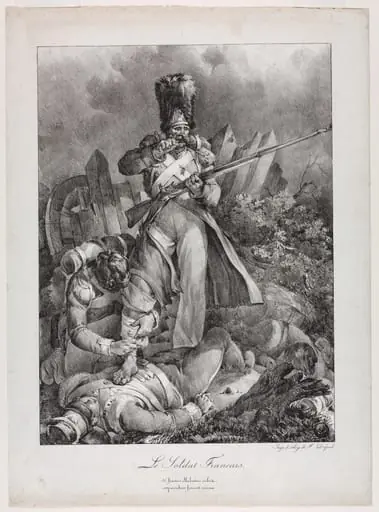 The French Soldier (Le Soldat français)
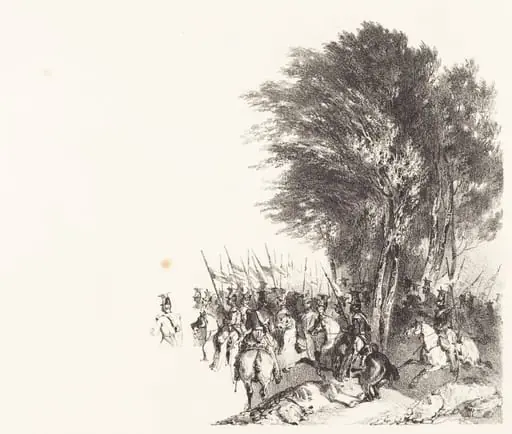 Lanciers en Marche (Lancers on the March)
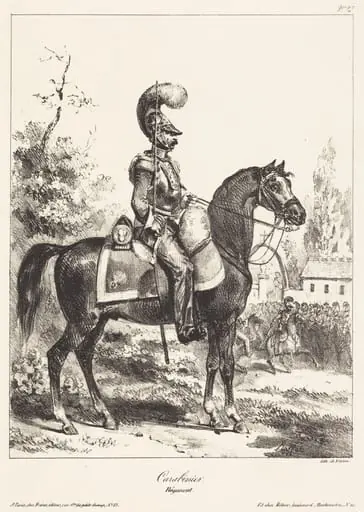 Carabinier
 Gredin de Sort!...