Artwork
Landscape with Penitent Saints
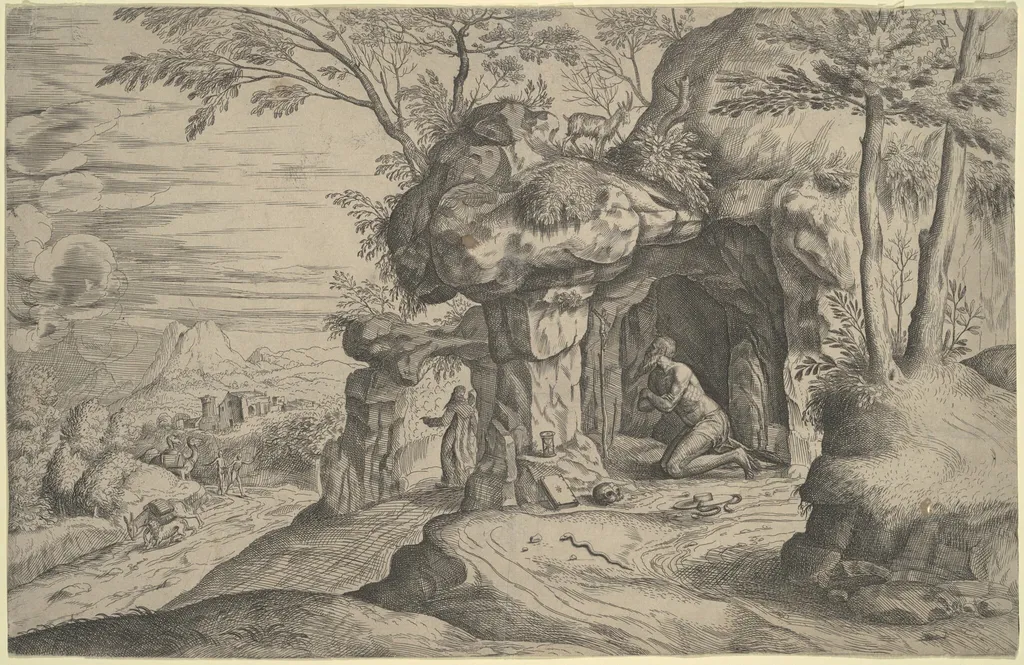
Landscape with Penitent Saints is an ink print by the Renaissance artist Veronese 16th Century. It dates from 1550 and is held in the collection of the National Gallery of Art. This etching on laid paper depicts a quiet, naturalistic landscape populated by penitent saints.
About this work
Overview
This etching on laid paper depicts a quiet, naturalistic landscape populated by penitent saints. Rendered with fine linear detail, the scene unfolds across a rocky terrain under a distant mountain range. The interplay of light and shadow, achieved through controlled etching lines, gives the composition a somber, atmospheric depth, characteristic of Renaissance printmaking techniques.
Subject & Meaning
The figures are identified as saints engaged in acts of penitence, a common devotional theme in Christian art. One kneels in prayer, the other gazes skyward, suggesting contemplation and divine connection. Their presence transforms the landscape into a sacred space, where nature serves as both setting and symbol of spiritual solitude and humility.
Technique & Style
The artist employed etching to achieve varied textures—rough stone, smooth fabric, and delicate foliage—through precise line work and tonal gradations. Chiaroscuro is subtly rendered using density of lines rather than washes, creating volume and mood. The composition follows Renaissance ideals of naturalism, balancing human figures within an expansive, believable environment.
History & Provenance
The work originates from the Renaissance period, likely produced in Italy or the Low Countries where etching flourished as a reproductive and independent medium. While the exact artist and date remain unconfirmed, the style aligns with early 16th-century printmakers who adapted religious themes for private devotion and scholarly audiences.
Context
During the Renaissance, etching gained popularity among artists seeking alternatives to woodcut and engraving. Religious subjects like penitent saints were widely circulated, reflecting both devotional practices and the era’s interest in individual spirituality. Prints such as this allowed wider access to sacred imagery beyond church walls.
Legacy
This work exemplifies how printmaking extended the reach of Renaissance visual culture. Its quiet intensity and technical refinement influenced later generations of printmakers who valued the medium’s capacity for intimate expression. Though not widely attributed, it remains a representative example of devotional printmaking in early modern Europe.
Artist & collection
Artist
Paolo Veronese made grand, theatrical scenes filled with figures and detail—think of it as the 1500s version of a crowd scene.

 The Penitents: St. Jerome in the Desert
 Two Peasants Seated on a Hill
 The Resurrection of Lazarus
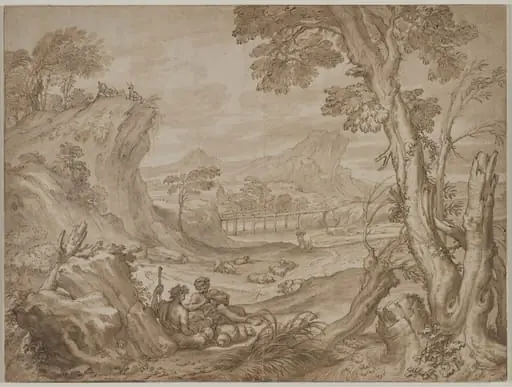 Landscape with Shepherds
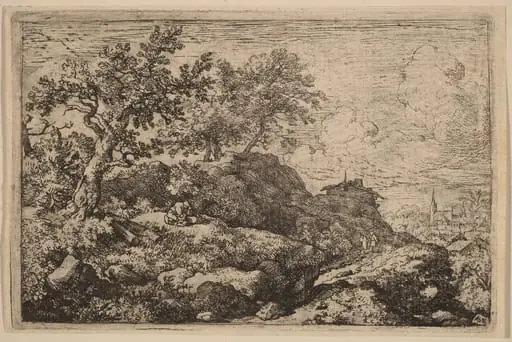 Two Peasants Seated on a Hill
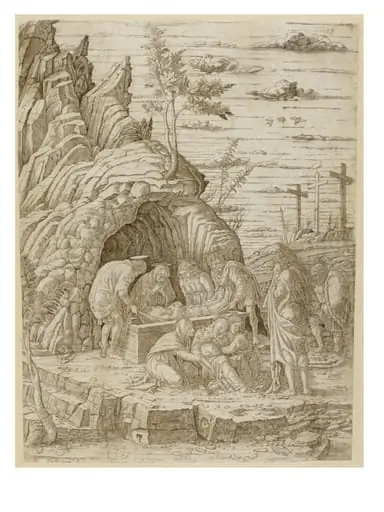 Entombment with Three Birds
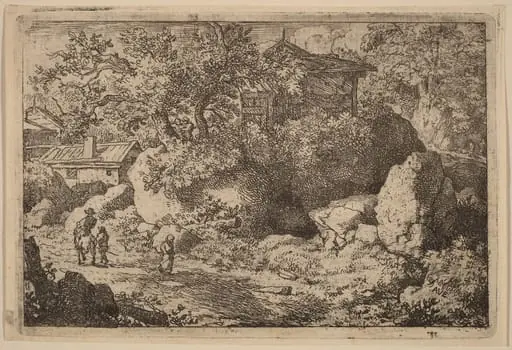 Peasant on Horseback
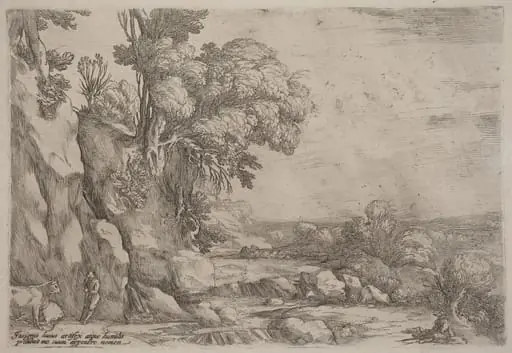 Landscape with Resting Herdsmen
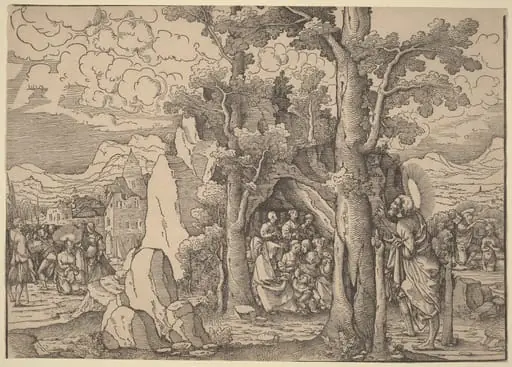 Saint John the Baptist Preaching
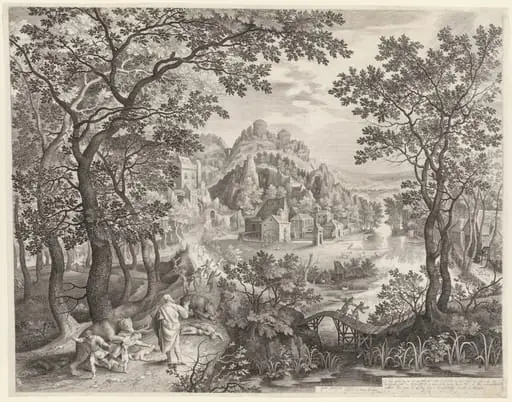 Elisha Cursing the Children of Bethel Who Are Being Devoured by the Bears