Artwork
Presumed portrait of Françoise de Graffigny (1695-1758)
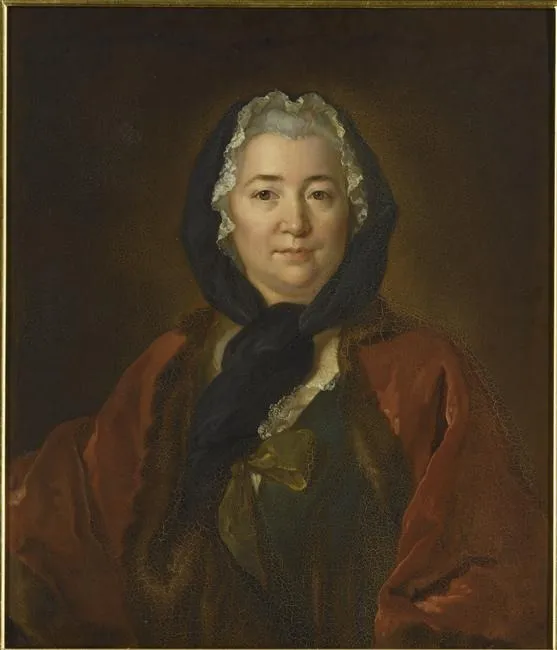
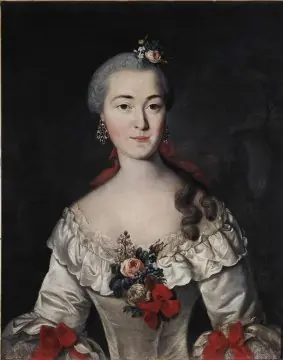
Presumed portrait of Françoise de Graffigny (1695-1758) is an oil painting by Victorine-Angélique-Amélie Rumilly. It dates from 1836 and is held in the collection of the Palace of Versailles. Created in 1836, this oil painting presents a seated woman rendered with a calm expression.
About this work
This portrait painting depicts a woman with a gentle smile, wearing a black headscarf with white lace trim and a red cloak over a dark dress.
This portrait painting depicts a woman with a gentle smile, wearing a black headscarf with white lace trim and a red cloak over a dark dress. The background is a warm brown color.
The woman's attire and hairstyle suggest a formal or elegant setting, possibly from the 18th or early 19th century. The artist's use of oil paint creates a rich, textured effect.
The subject of this painting is believed to be Françoise de Graffigny, a French writer and salonnière. To learn more about the artist behind this work, look up Victorine-Angélique-Amélie Rumilly.
Overview
Created in 1836, this oil painting presents a seated woman rendered with a calm expression. She wears a black headscarf edged in white lace, a red cloak draped over a dark dress, against a warm brown backdrop. The composition reflects a dignified portraiture typical of early‑19th‑century French art, and the work is presently displayed at the Palace of Versailles.
Subject & Meaning
The sitter is identified as Françoise de Graffigny (1695‑1758), a noted French novelist and salon host. Her gentle smile and composed posture convey the intellectual poise associated with her literary reputation, while the modest yet refined attire underscores her status within the cultural circles of the Enlightenment era.
Technique & Style
Executed in oil on canvas, the artist employs a layered brushwork that gives the fabrics a tactile quality, especially the lace trim and the sheen of the cloak. The warm earth tones of the background serve to highlight the figure, and the subtle modeling of light creates a three‑dimensional presence without excessive detail.
History & Provenance
Attributed to Victorine‑Angélique‑Amélie Rumilly, a French painter active in the early 1800s, the portrait entered the royal collection and is now part of the Versailles museum holdings. Its documentation links the work to the artist’s later period, reflecting a continued interest in commemorating literary figures of the previous century.
Artist & collection
Artist
Victorine-Angélique-Amélie Rumilly
Victorine-Angélique-Amélie Rumilly (1789–1849) was an artist, born in Grenoble.

 Portrait of a Woman
 Portræt af en lille pige
 Naisen muotokuva
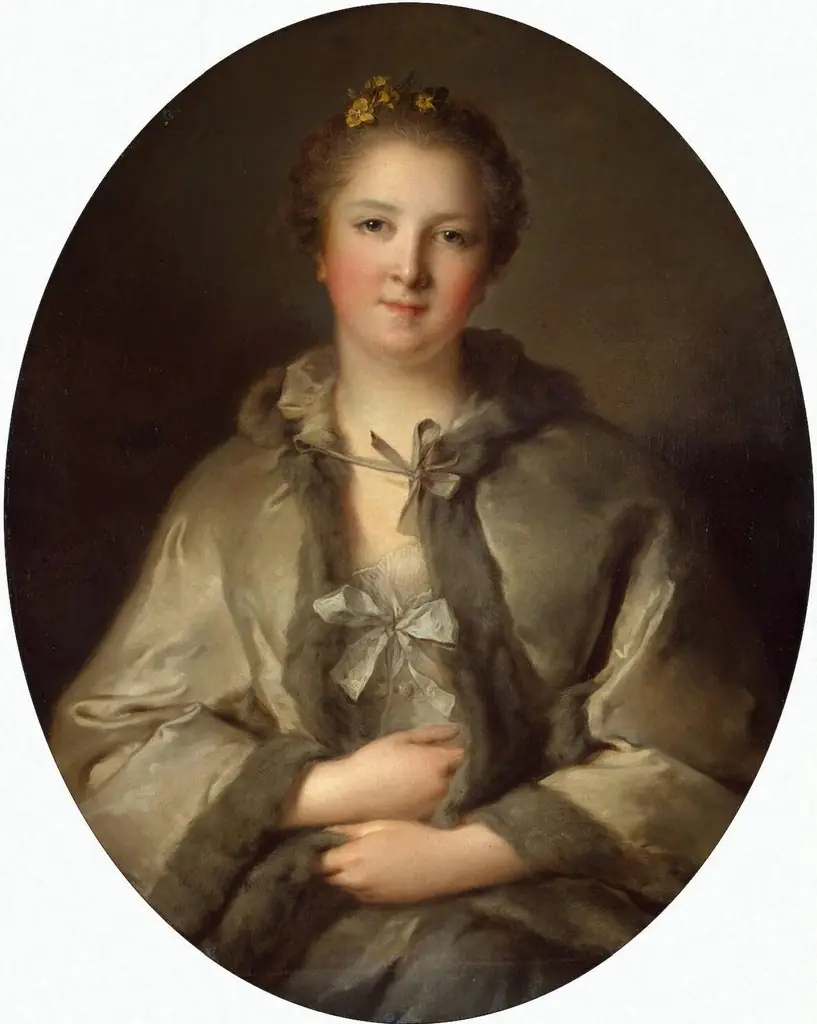 Portrait of a Woman in Grey
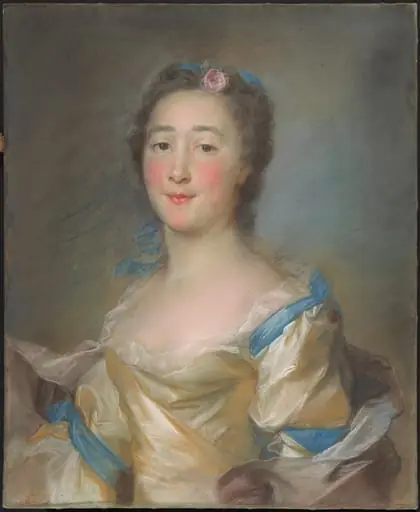 A Young Lady in a Yellow Gown with Blue Ribbons
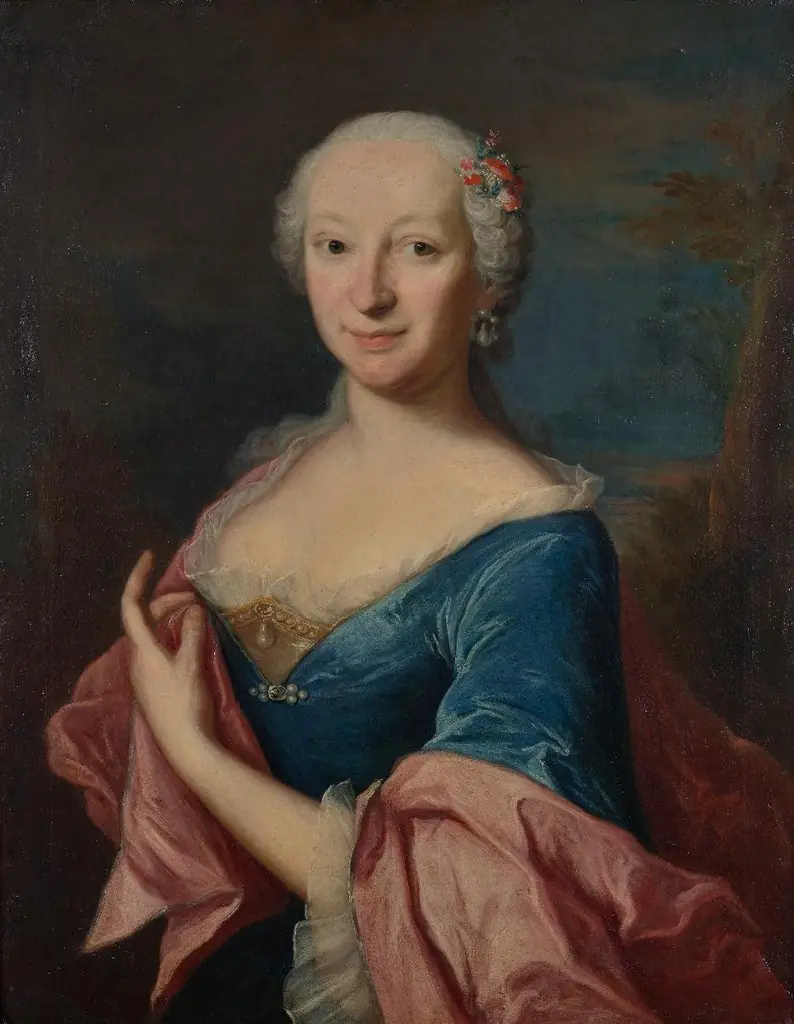 Bildnis Frau Regula Ott
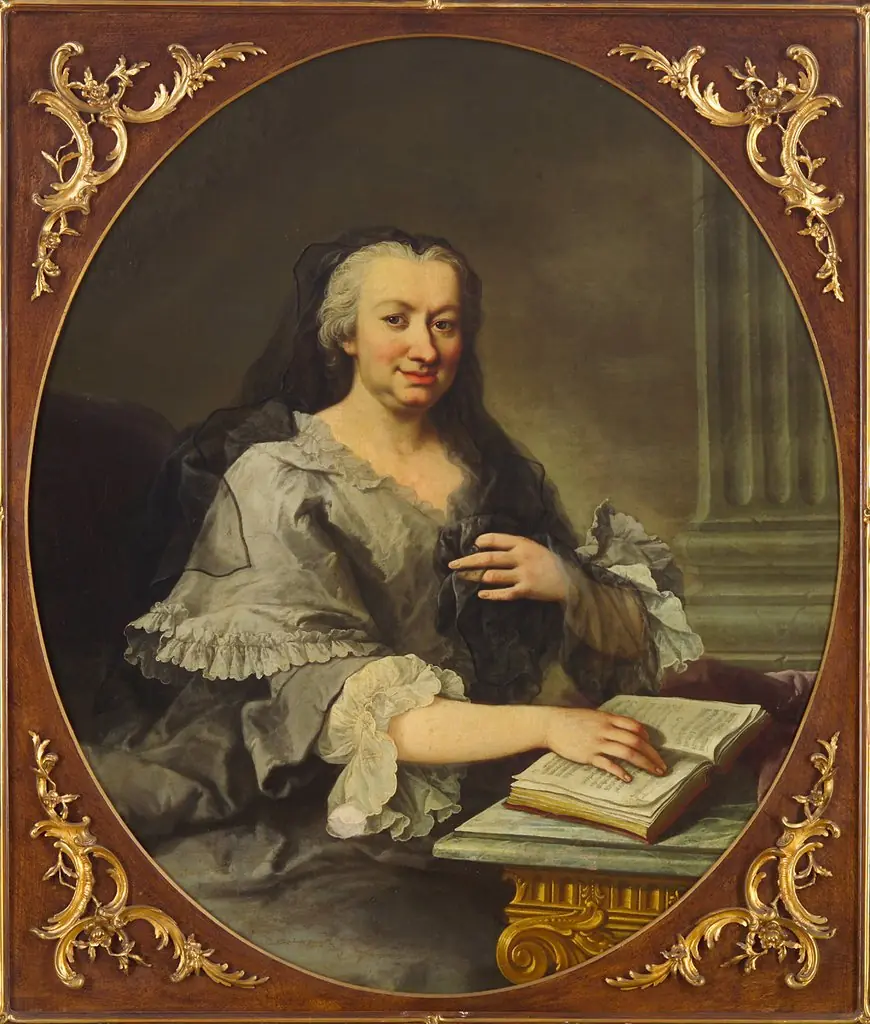 Portrait of Maria Karolina Gräfin Fuchs (1681-1754)
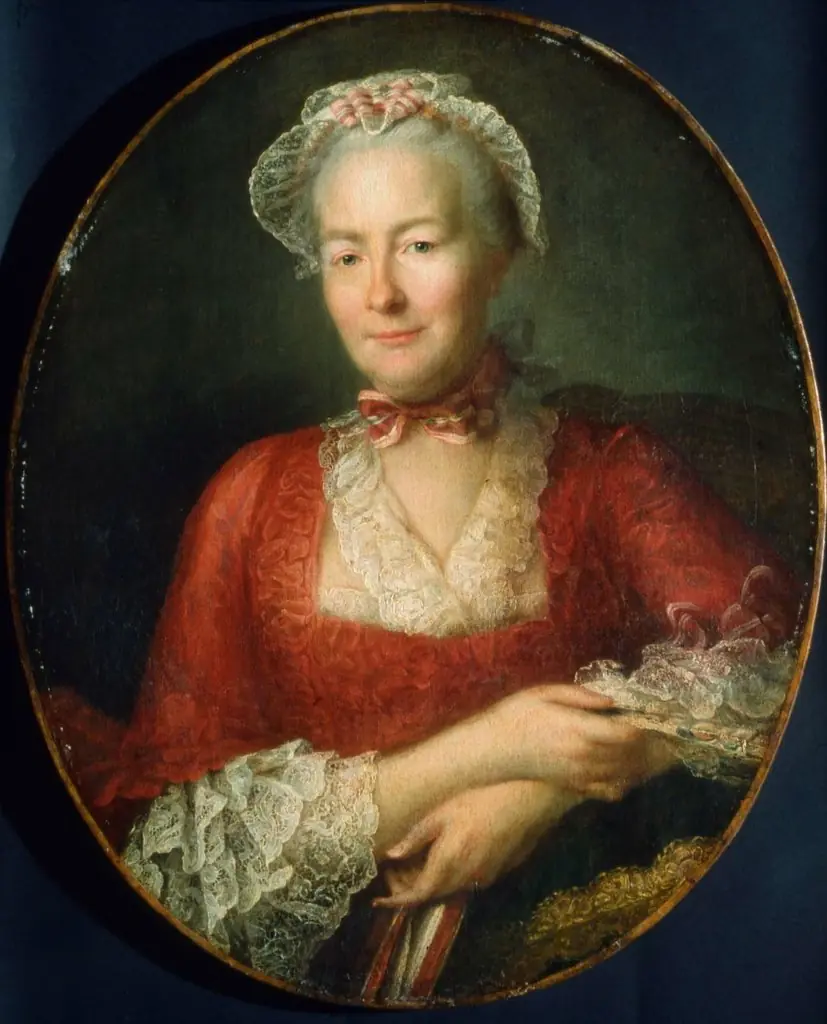 Portrait of a Woman
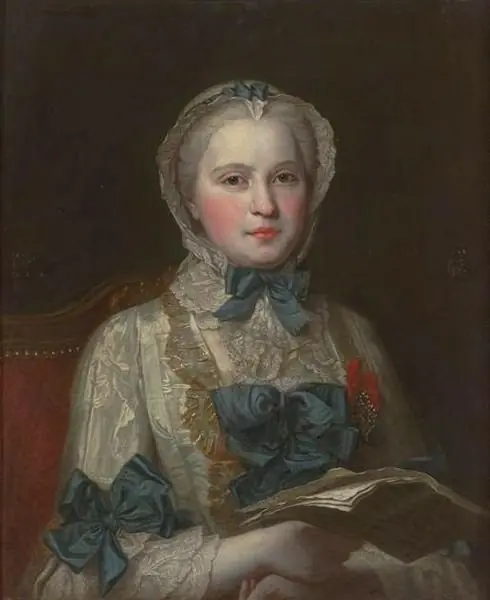 Marie Josèphe of Saxony, Dauphine of France (1731–1767)
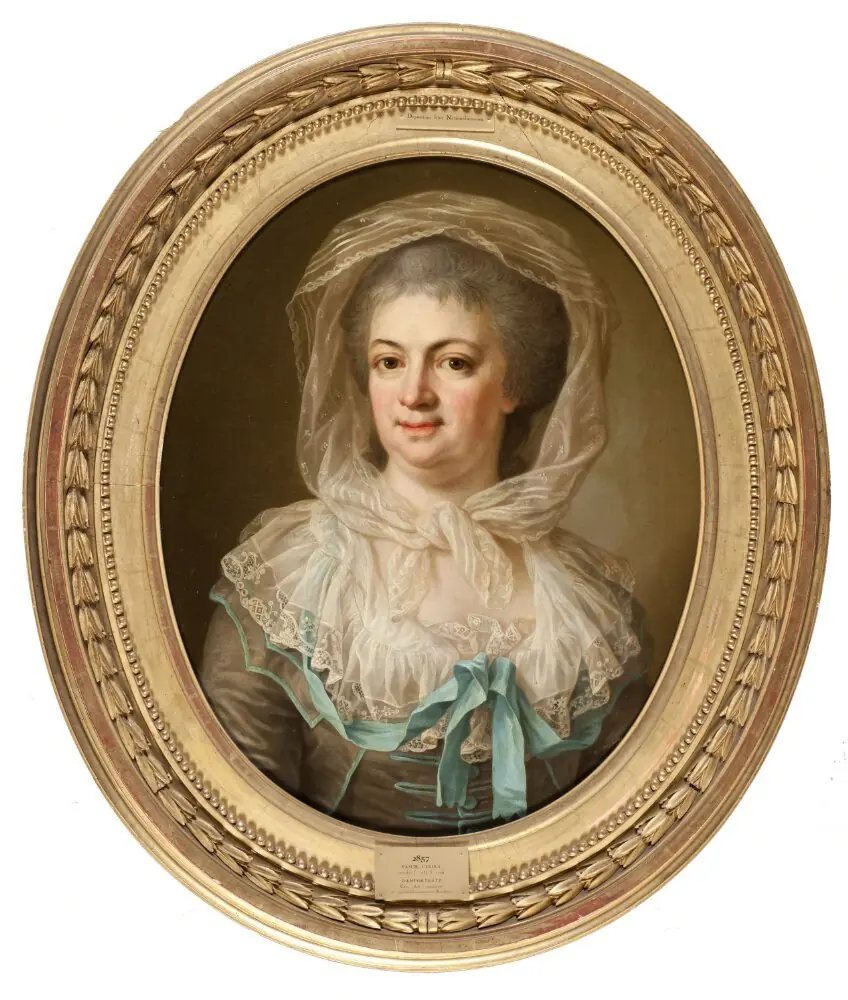 Portrait of a Lady
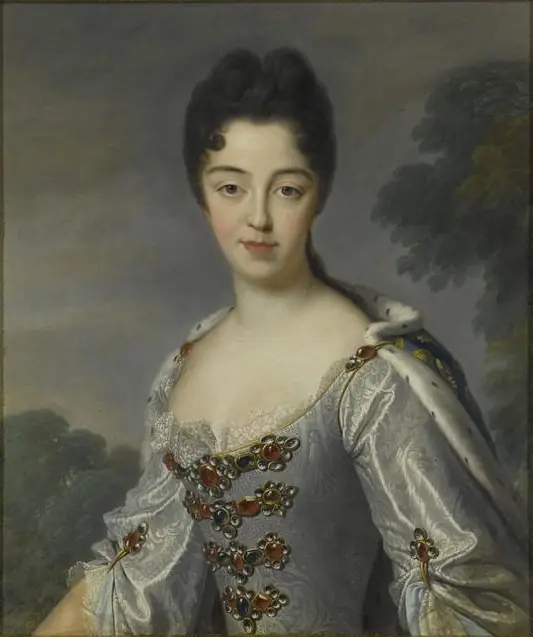 Marie Adélaïde of Savoy, Duchess of Burgundy
 Portrait of M.I. Tatischeva