Artwork
Portrait of a Woman
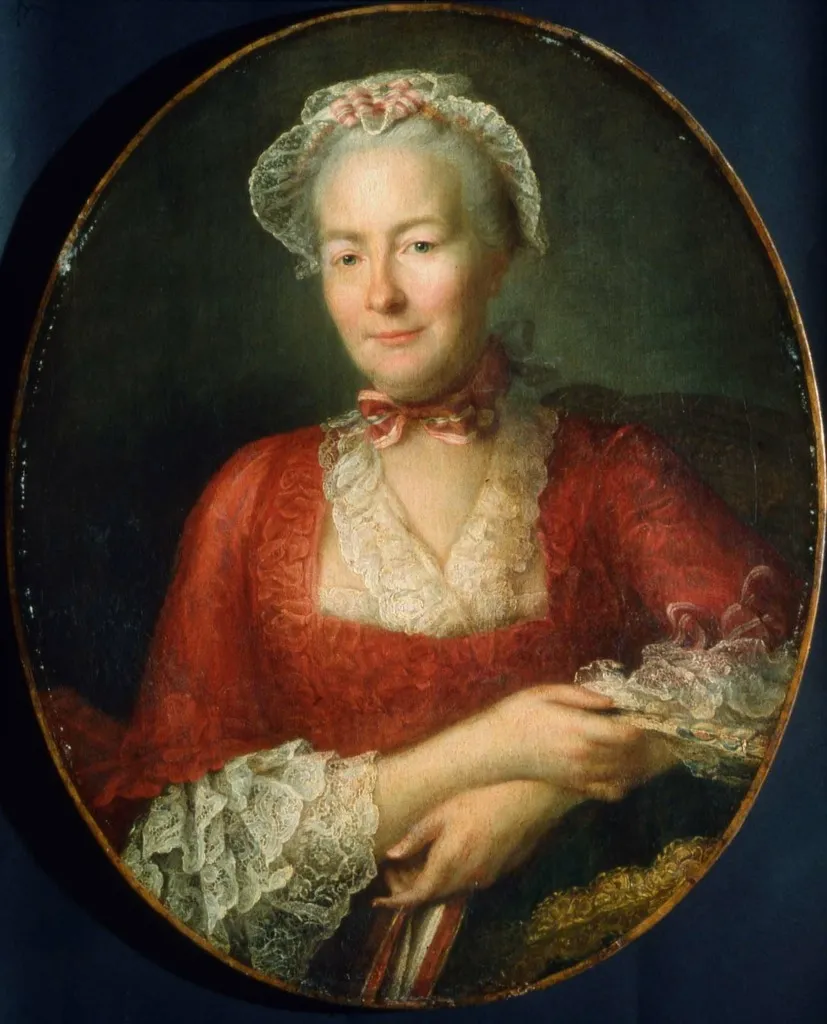
Portrait of a Woman is an oil painting by the Rococo painting artist Hubert Drouais. It dates from 1743 and is held in the collection of the Museum of Fine Arts Boston.
About this work
Overview
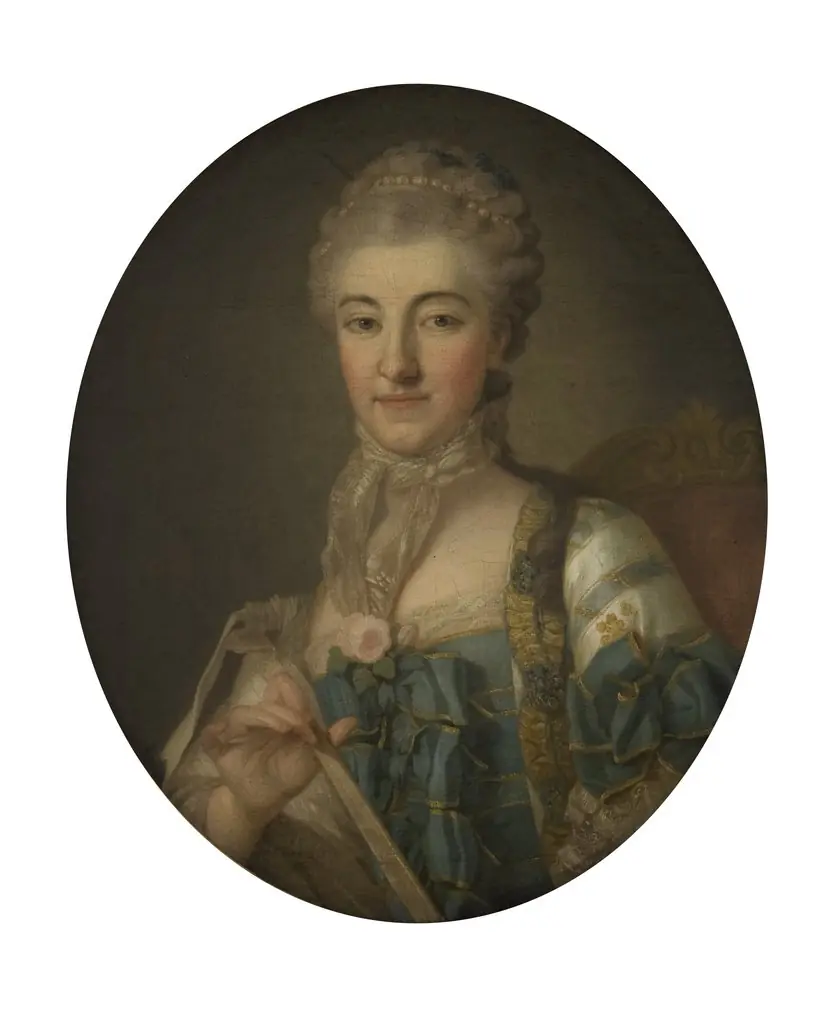
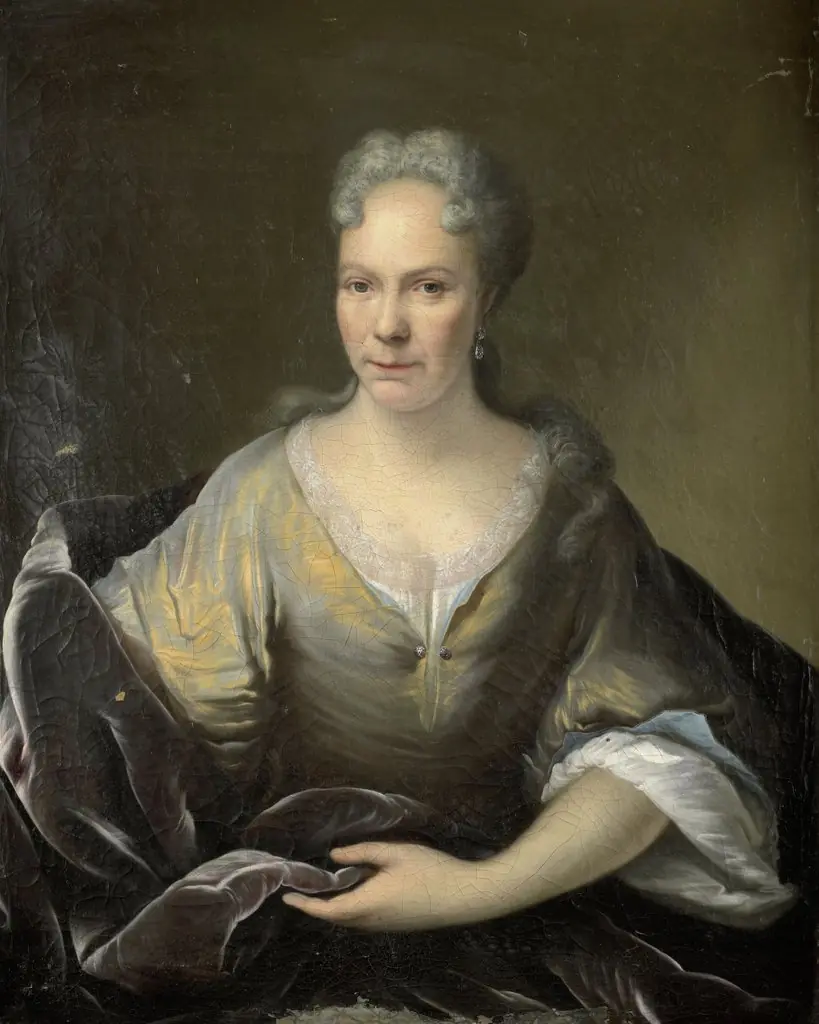
Painted around 1743, this oil portrait by French artist Hubert Drouais depicts an unidentified woman in a circular format.
Painted around 1743, this oil portrait by French artist Hubert Drouais depicts an unidentified woman in a circular format. Drouais, trained in Paris and known for his refined portraiture, employed the delicate aesthetics of the Rococo period. The work is held in the collection of the Museum of Fine Arts, Boston, where its intimate scale and subtle lighting reflect the era’s preference for personal, elegant representation over grandeur.
Subject & Meaning
The sitter, dressed in a vivid red gown with lace detailing and a white cap adorned with a pink bow, presents a composed, quiet demeanor. Her held fan suggests refinement and social poise, common symbols in 18th-century portraiture. The absence of context or props shifts focus entirely to her presence, emphasizing individual character rather than status or narrative. The plain, dark background isolates her, reinforcing a sense of quiet intimacy.
Technique & Style
Drouais used soft, blended brushwork to render the woman’s skin and fabric with a smooth, luminous quality. Light falls gently across her face and hands, creating subtle contrasts that model form without harsh shadows—a hallmark of Rococo sensitivity. The chiaroscuro effect is restrained, enhancing realism while preserving the delicate tone characteristic of the period. The red dress, rich in texture, contrasts with the muted background to draw the eye naturally to the figure.
History & Provenance
Hubert Drouais, son of painter Jean-Marc Nattier’s pupil, established himself in Paris as a portraitist during the mid-18th century. This painting, dated circa 1743, aligns with his mature period when he received commissions from the French bourgeoisie. It entered the Museum of Fine Arts, Boston’s collection in the early 20th century, likely through a private acquisition or bequest, and has remained a quiet example of French Rococo portraiture in American collections.
Context
In mid-18th-century France, portraiture flourished among the rising middle class as a means of personal expression and social affirmation. Drouais’s work reflects this trend, favoring understated elegance over aristocratic pomp. The circular format, popular in private collections, suited domestic interiors and intimate viewing. His style, influenced by earlier French masters, adapted Rococo grace to a more restrained, naturalistic approach than the flamboyance seen in courtly painting.
Legacy
Though not widely known today, Drouais’s portraits like this one contribute to the understanding of French Rococo portraiture beyond the court. His skill in capturing subtle expressions and textures influenced lesser-known contemporaries and preserved a visual record of bourgeois aesthetics. This painting remains a quiet testament to the era’s emphasis on personal dignity and refined taste, valued more for its craftsmanship than its fame.
Artist & collection
Artist
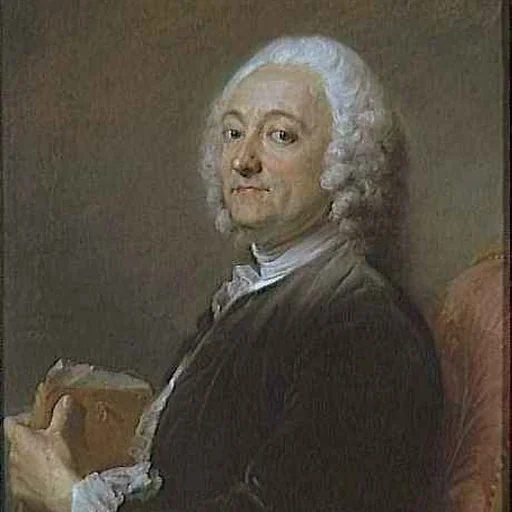
Hubert Drouais (French: ; 5 May 1699 – 9 February 1767) was a French painter, portraitist and miniaturist.

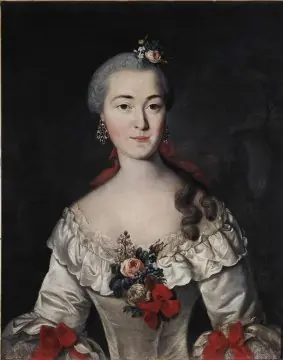 Portrait of M.I. Tatischeva
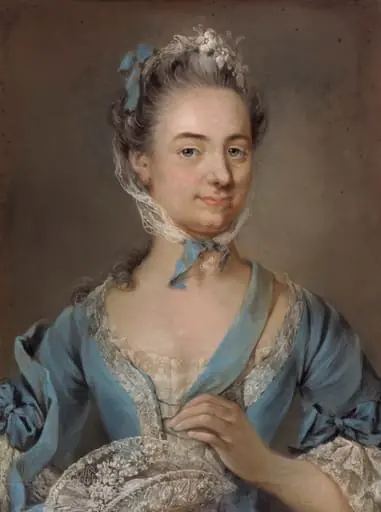 Maria Ulrika Dævel
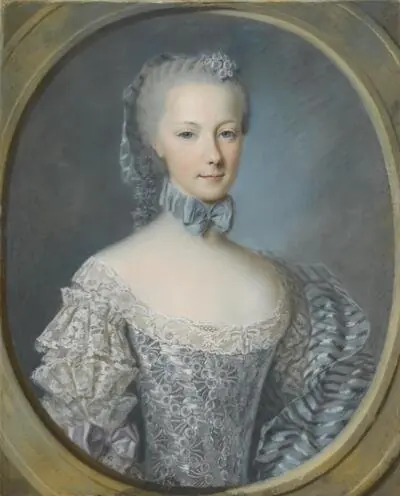 Archduchess Maria Elisabeth of Austria (1743–1808), daughter of Maria Theresa.
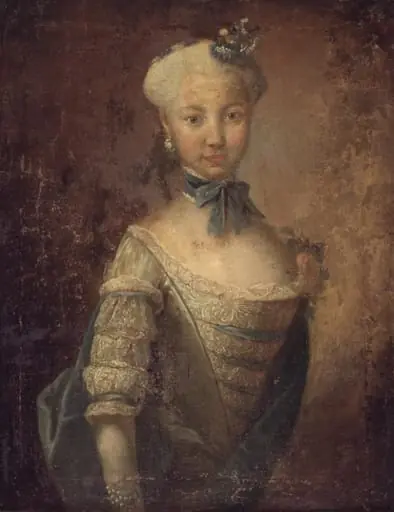 Portræt af en lille pige
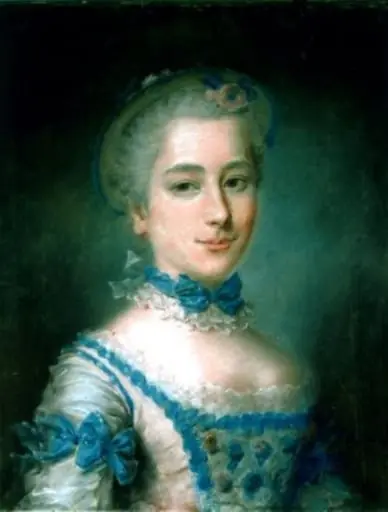 Portert de femeie
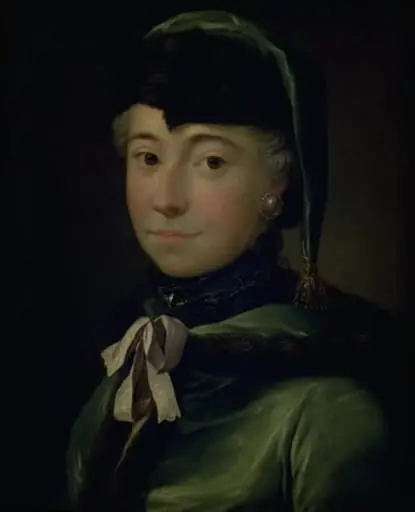 Sophie Birgitta Mathiesen
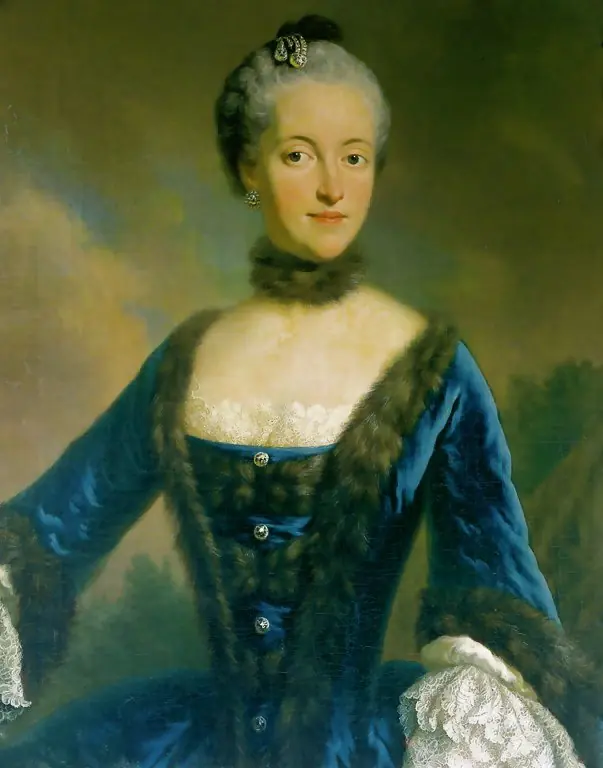 Portrait of Maria Josepha of Bavaria (1739-1767)
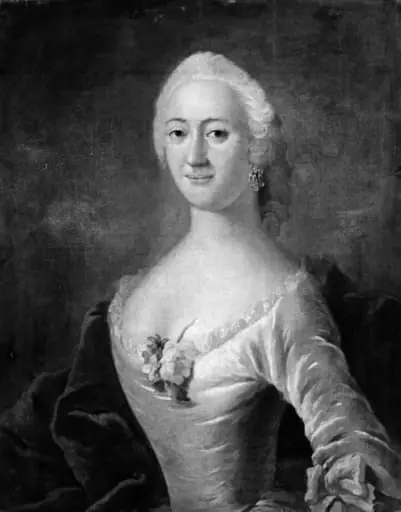 Portræt af brygger M. Christensens hustru
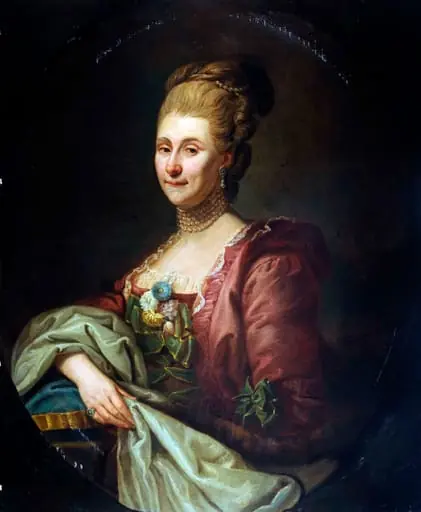 Portretul arhiducesei Maria Christina
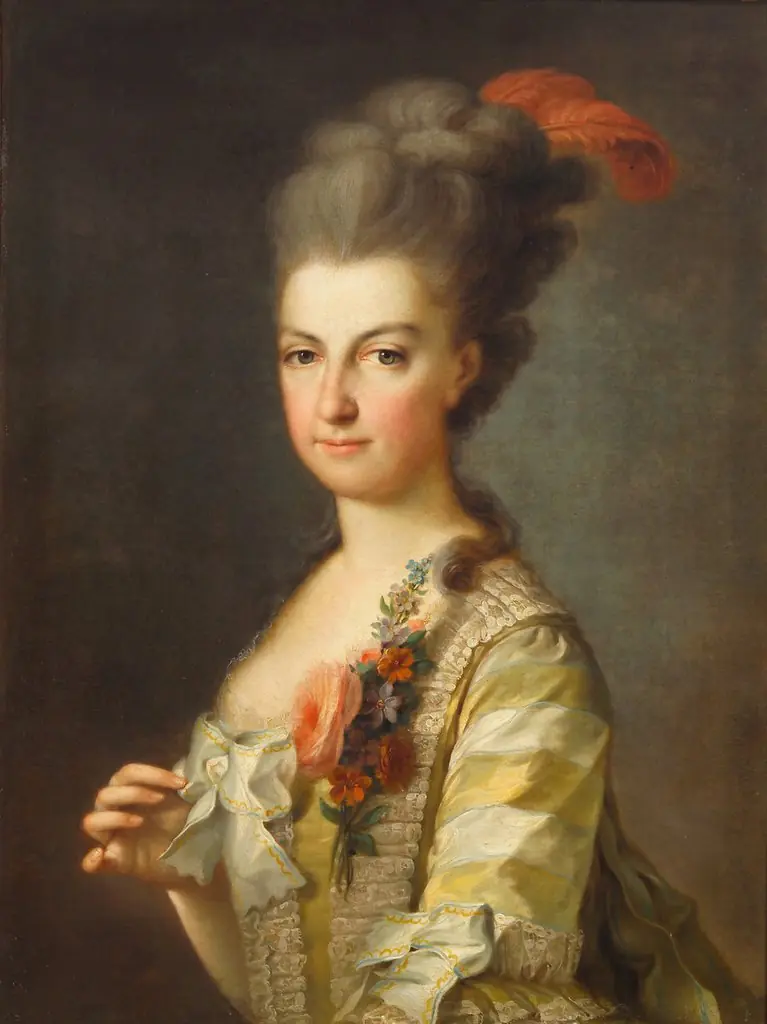 Erzherzogin Maria Christine (1742-1798), Herzogin von Sachsen - Teschen, in gestreiftem Seidenkleid, Halbfigur
 Portrait of Izabela Branicka née Poniatowska
 Portrait of a Woman