Artwork
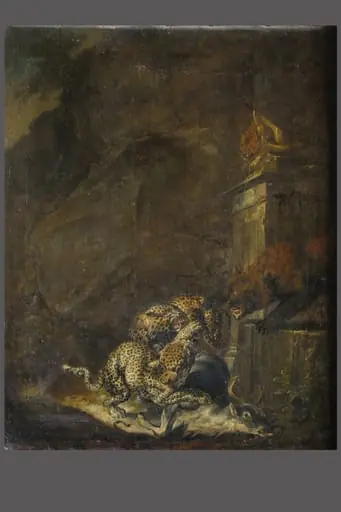
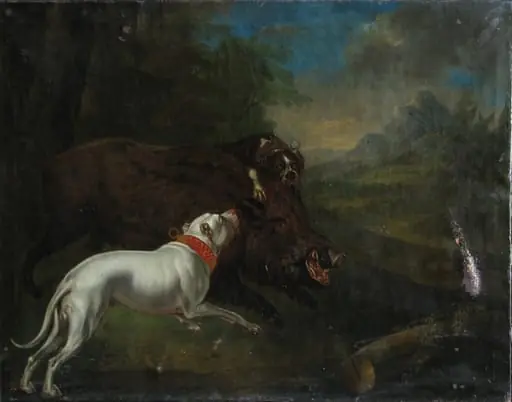
Leoparzi jucându-se; pandant: Doi urși
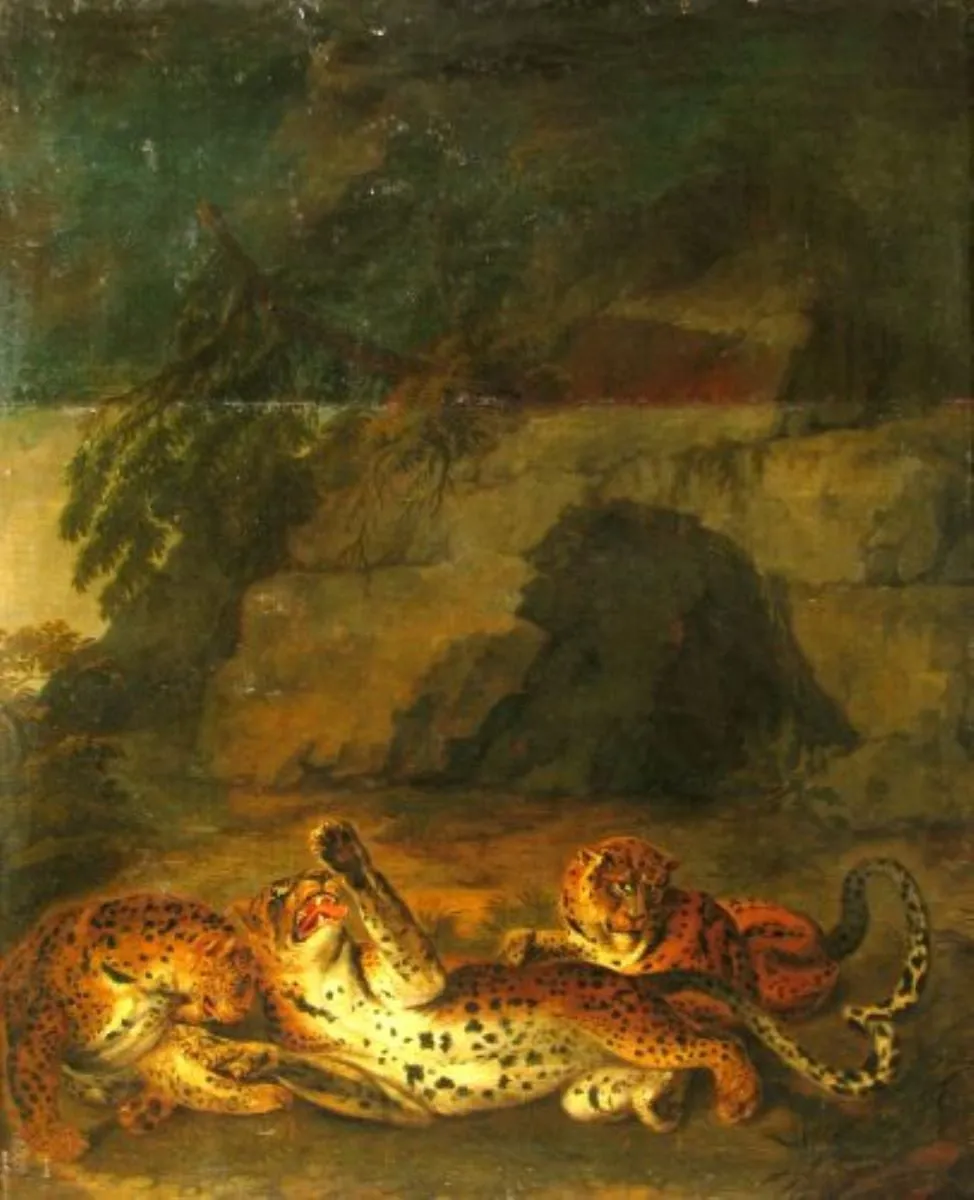
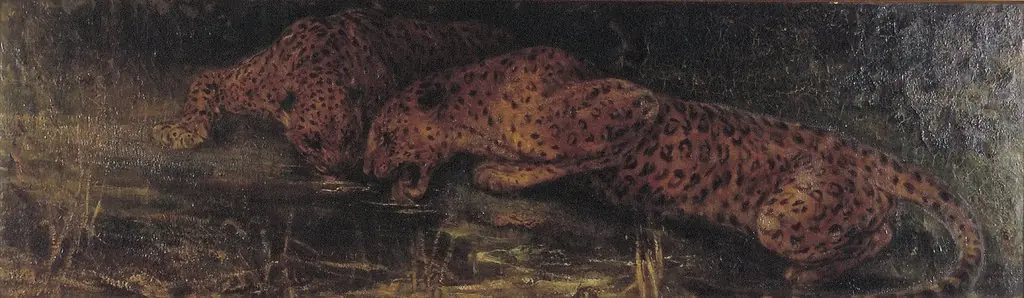
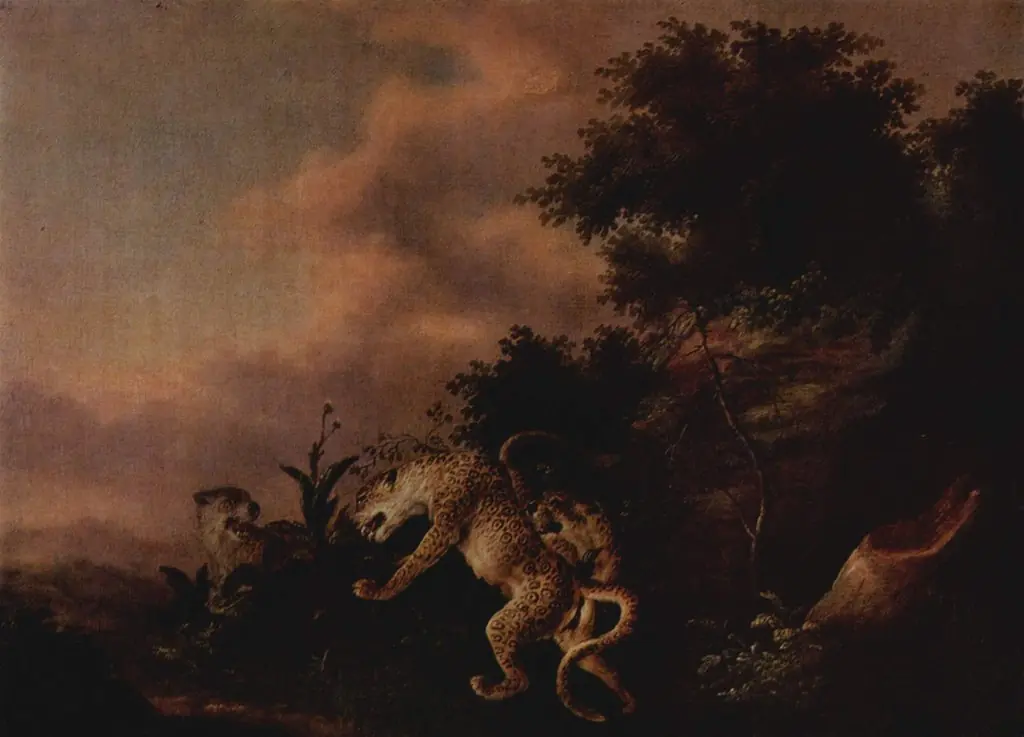
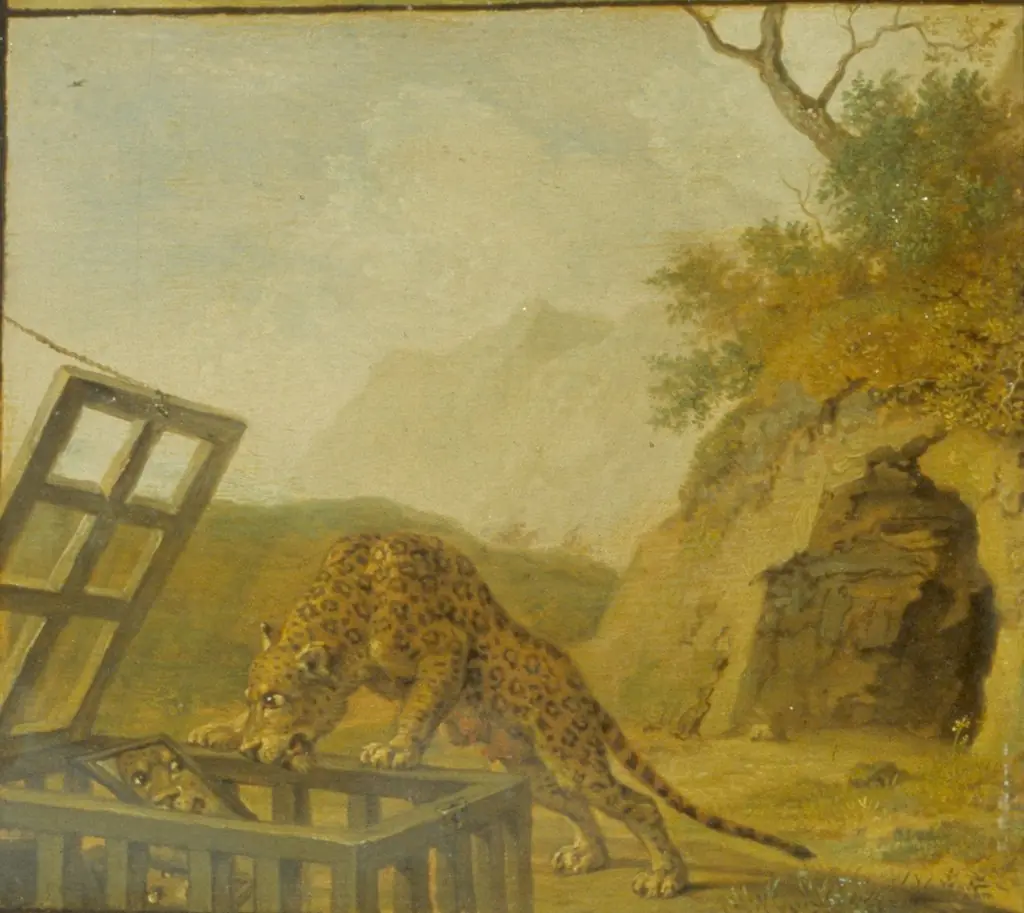
Leoparzi jucându-se; pandant: Doi urși is an unspecified painting by the Baroque artist Johann Christoph Viechter. It is held in the collection of the Brukenthal National Museum. Two small companion paintings depict animals in naturalistic poses, displayed side by side.
About this work
Overview
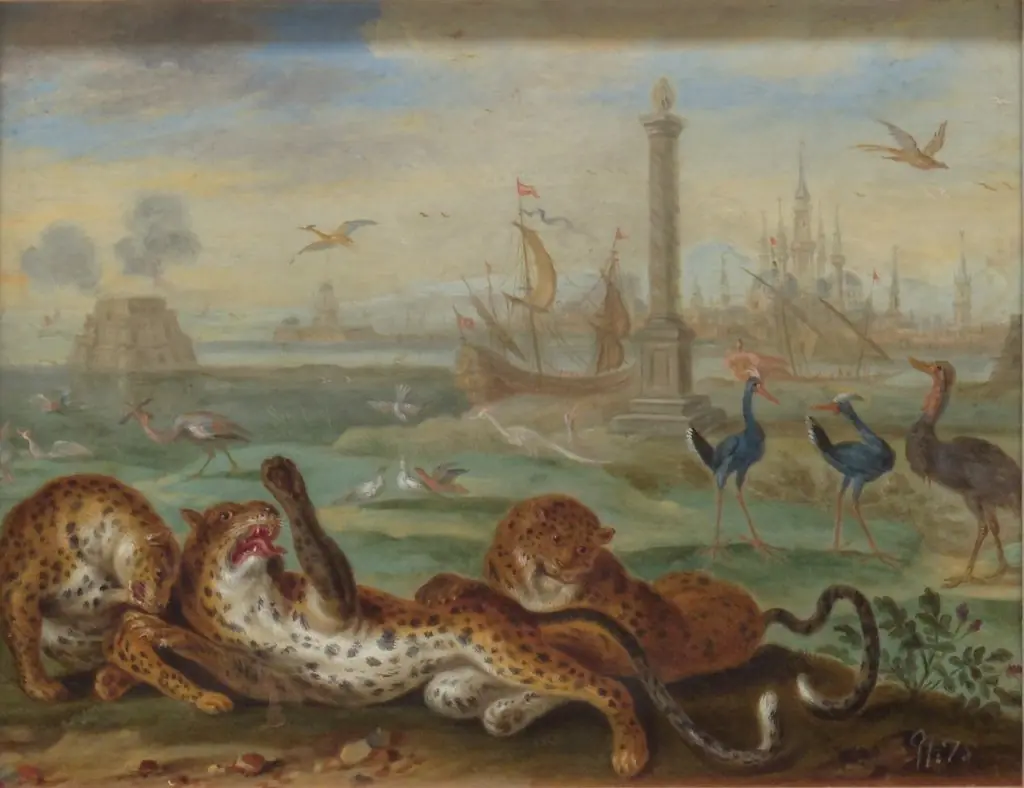
The left panel shows two leopard cubs engaged in playful activity amid tall grass; the right features two brown bears standing upright near a fallen log.
Two small companion paintings depict animals in naturalistic poses, displayed side by side. The left panel shows two leopard cubs engaged in playful activity amid tall grass; the right features two brown bears standing upright near a fallen log. Both works appear to be observational studies, likely made from live specimens rather than imagination. Their scale and focus suggest they were intended as direct records of animal behavior.
Subject & Meaning
The subjects—leopard cubs and brown bears—are rendered without symbolic or mythological context. Their interaction with the environment, whether play or posture, is presented as a moment of observed reality. The pairing implies a comparative interest in feline and ursine movement, possibly reflecting a scientific curiosity about animal anatomy and behavior rather than narrative intent.
Technique & Style
The paintings employ a restrained, precise draftsmanship with subtle tonal modeling. Backgrounds are minimally suggested, directing attention to the animals’ forms and gestures. Brushwork is controlled, avoiding theatricality; textures of fur and grass are indicated with delicate strokes. The style aligns with empirical observation, prioritizing accuracy over embellishment, typical of naturalist studies from the period.
History & Provenance
These works are attributed to Johann Christoph Viechter, an artist known for documenting animals from live specimens. They likely originated from a traveling menagerie, where exotic and native animals were displayed for public and scholarly observation. Their small size and paired format suggest they were part of a private collection or study portfolio, rather than public commissions.
Context
In the 18th century, interest in natural history grew alongside colonial expansion and the rise of menageries. Artists like Viechter contributed to this movement by recording animals from life, countering earlier stylized depictions. These paintings reflect a broader shift toward empirical study, aligning with scientific efforts to classify and understand the natural world through direct observation.
Legacy
Though not widely exhibited, Viechter’s animal studies contributed to a growing visual archive of wildlife during a period of increasing scientific inquiry. These works stand as quiet testaments to the transition from decorative zoology to naturalist documentation, influencing later artists and naturalists who valued fidelity to observed reality over idealized representation.
Artist & collection
Artist
Viechter’s playful double paintings feel like a 17th-century Instagram feed—two tiny, mischievous creatures locked in the same frame but doing their own thing.