Artwork
Iris
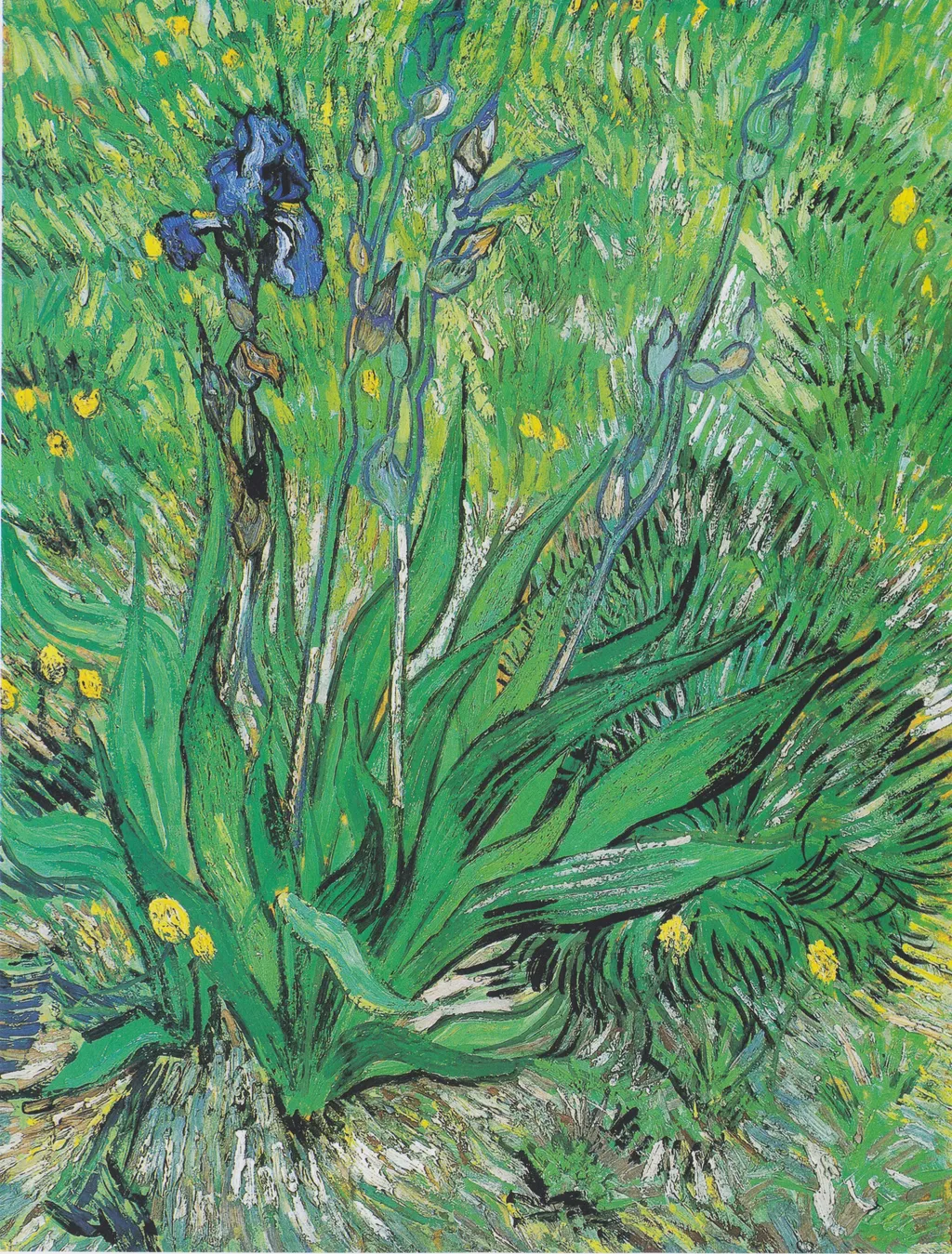
Iris is an unspecified painting by the Post-Impressionist artist Vincent van Gogh. It dates from 1889 and is held in the collection of the National Gallery of Canada.
About this work
Overview
Painted in 1889 during Vincent van Gogh’s stay at the asylum in Saint-Rémy, Iris is a close-up study of a cluster of blooming irises.
Painted in 1889 during Vincent van Gogh’s stay at the asylum in Saint-Rémy, Iris is a close-up study of a cluster of blooming irises. Executed in oil on canvas, the work captures the flowers in vivid detail against a swirling background of yellow and green. Van Gogh’s brushwork is deliberate and textured, emphasizing the organic forms of petals and leaves without idealizing them. The painting reflects his deep engagement with nature during a period of personal turmoil.
Subject & Meaning
The subject is a group of irises, their purple blooms rising from dense green stems and leaves. Van Gogh was drawn to the flower’s structural elegance and transient beauty, often painting them as symbols of fleeting life. Unlike traditional floral still lifes, this composition feels alive, as if the flowers are caught mid-motion. The absence of a horizon or context focuses attention on the plants themselves, suggesting intimacy and quiet reverence.
Technique & Style
Van Gogh employed thick, directional brushstrokes to model each petal and leaf, building form through pigment rather than line. The background is rendered in rapid, rhythmic strokes of yellow and green, creating a sense of atmospheric vibration. Color contrasts—deep violet against bright ochre—heighten visual tension. The paint is applied with physical urgency, revealing the artist’s hand and emotional investment in the act of painting.
History & Provenance
Created in May 1889, shortly after Van Gogh’s admission to the Saint-Paul-de-Mausole asylum, Iris was painted from the garden visible from his window. He produced several flower studies during this time, viewing them as exercises in color and composition. The painting entered the National Gallery of Canada’s collection in 1957, acquired from a private European source. Its provenance traces back to the artist’s brother, Theo, and later to the Van Gogh family estate.
Context
Van Gogh painted Iris during a period of intense creative output despite mental distress. He often turned to nature as a source of stability, painting flowers as a way to maintain discipline and express emotion. His work from Saint-Rémy reflects influences from Japanese woodblock prints, particularly in the flattened perspective and bold outlines. This painting aligns with his broader exploration of how color and brushwork could convey inner states.
Legacy
Iris stands as one of Van Gogh’s most sustained studies of a single botanical subject. It exemplifies his shift from narrative or figurative painting toward pure observation and emotional expression through form and color. While not widely exhibited during his lifetime, it has since become a key example of his late style. The painting continues to inform discussions on the relationship between mental health, perception, and artistic innovation in the modern era.
Own this work as a print
Artist & collection
Artist
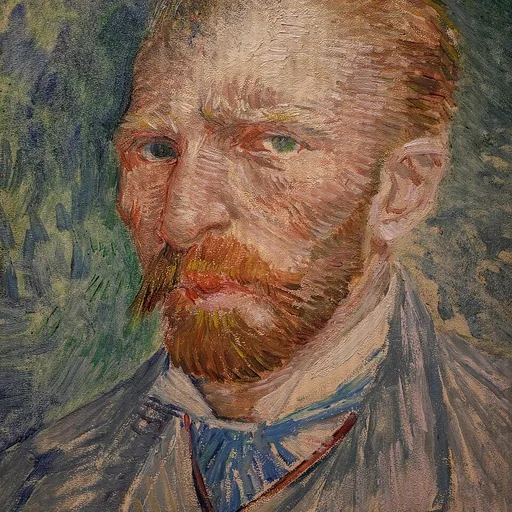
Vincent Willem van Gogh was a Dutch Post-Impressionist painter who is among the most famous and influential figures in the history of Western art.