Artwork
Lilac Bush
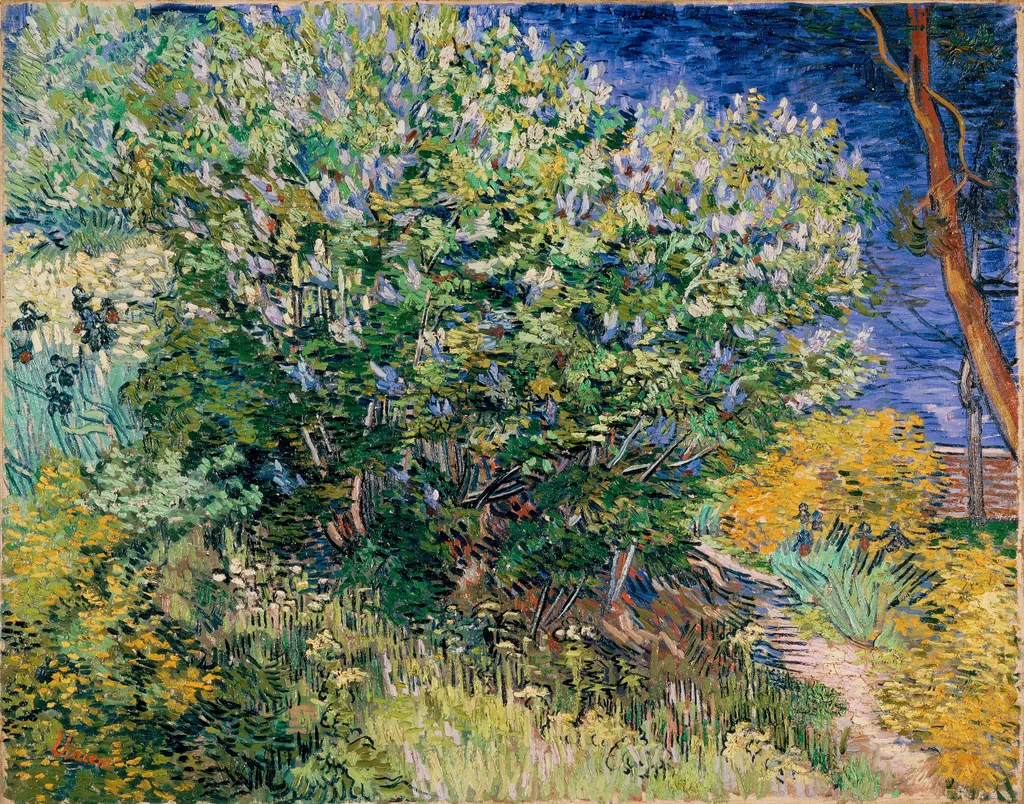
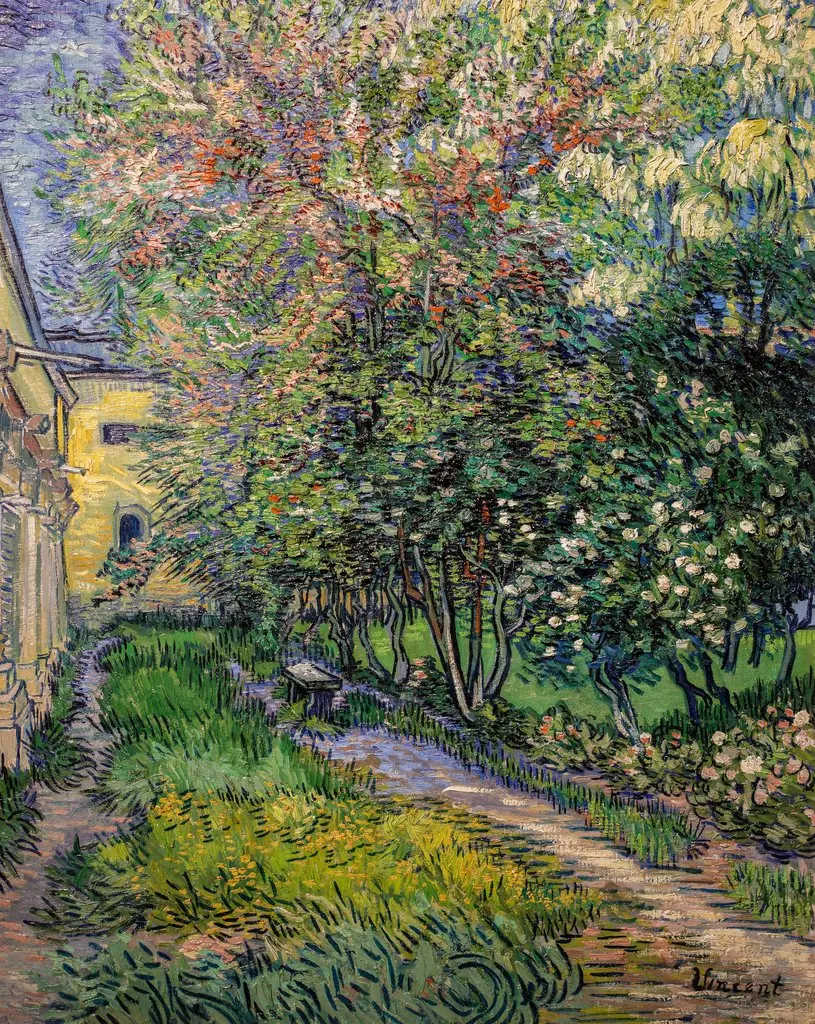
Lilac Bush is an oil painting by the Post-Impressionist artist Vincent van Gogh. It dates from 1889 and is held in the collection of the Hermitage Museum.
About this work
Overview
Vincent van Gogh painted Lilac Bush in May 1889 while residing at the Saint‑Paul‑de‑Mausole asylum in Saint‑Rémy. Executed in oil on canvas, the work measures a modest size and today belongs to the collection of the Hermitage Museum in St. Petersburg.
Subject & Meaning
The composition centers on a lilac shrub, its foliage rendered in a range of greens and purples, punctuated by delicate blossoms. Set against a clear blue sky, the plant occupies the visual field, inviting a quiet contemplation of nature’s simple beauty.
Technique & Style
Van Gogh applied thick impasto strokes to the foreground, building texture that catches light and emphasizes the three‑dimensionality of the bush. Visible brushwork and a vibrant palette create a sense of movement while retaining a calm, balanced atmosphere.
History & Provenance
The painting was among the first works van Gogh produced after his admission to the Saint‑Rémy asylum. He mentioned the lilac bush in a letter to his brother Theo and sister‑in‑law Johanna, noting it as one of two garden subjects he intended to send. The canvas later entered the Hermitage’s holdings, where it remains on display.
Context
During his stay at Saint‑Rémy, van Gogh turned to the institution’s garden for subject matter, finding inspiration in the irises and lilac bush that surrounded him. This period marked a prolific phase in which he explored the expressive potential of color and brushwork while coping with his mental health challenges.
Own this work as a print
Artist & collection
Artist
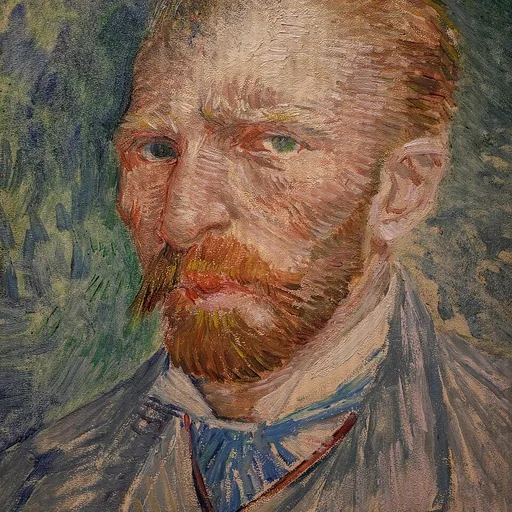
Vincent Willem van Gogh was a Dutch Post-Impressionist painter who is among the most famous and influential figures in the history of Western art.