Artwork
The garden at the asylum at Saint-Rémy
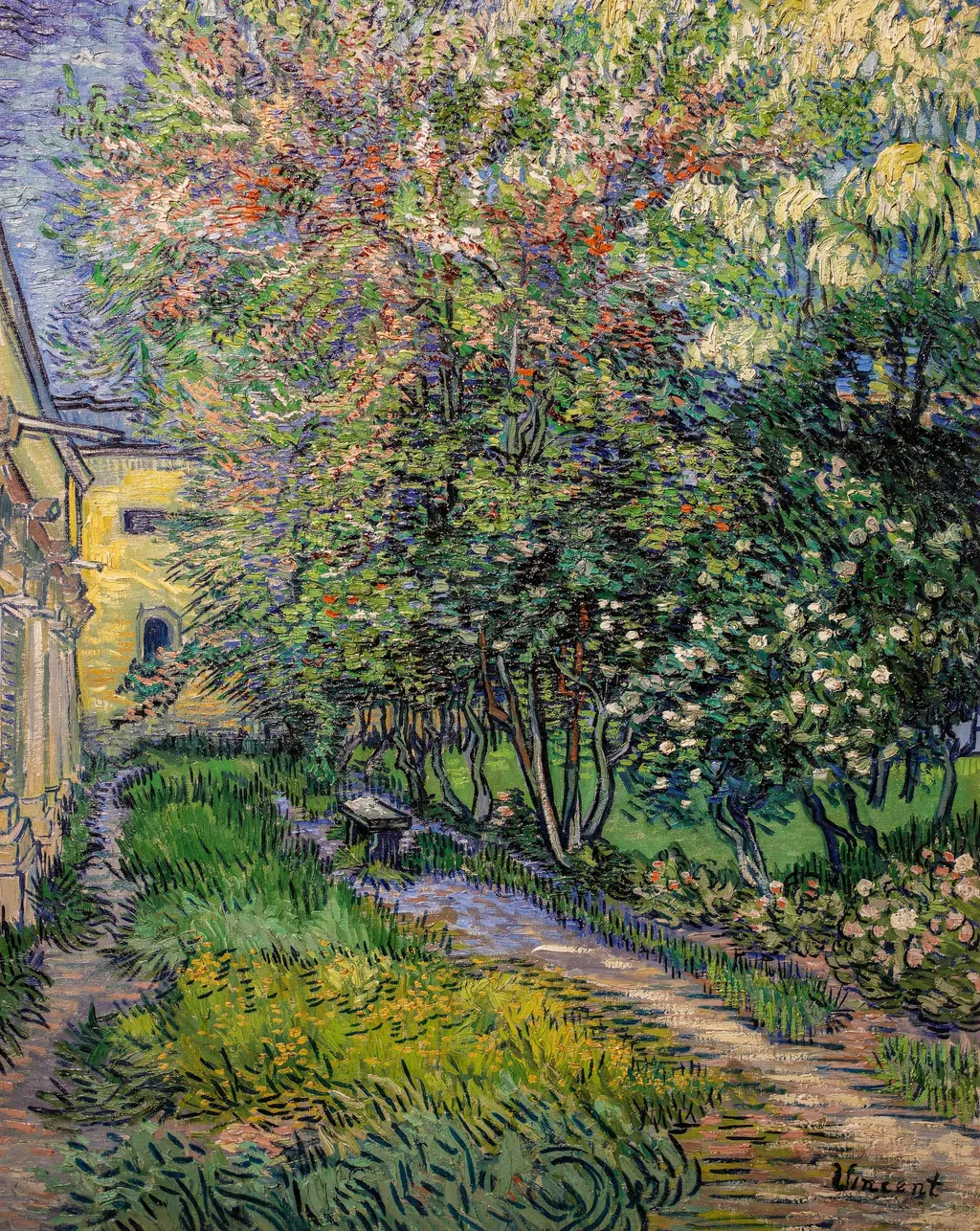
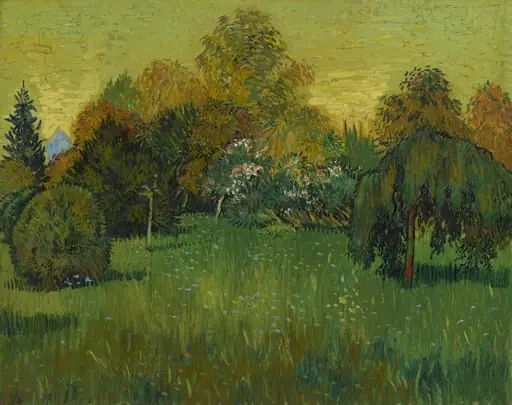
The garden at the asylum at Saint-Rémy is an oil painting by the Post-Impressionist artist Vincent van Gogh. It dates from 1889 and is held in the collection of the Kröller-Müller Museum.
About this work
Overview
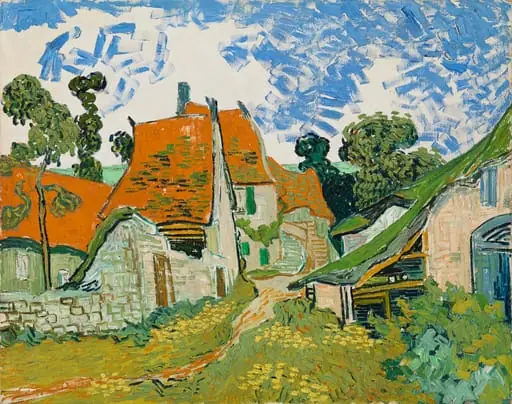
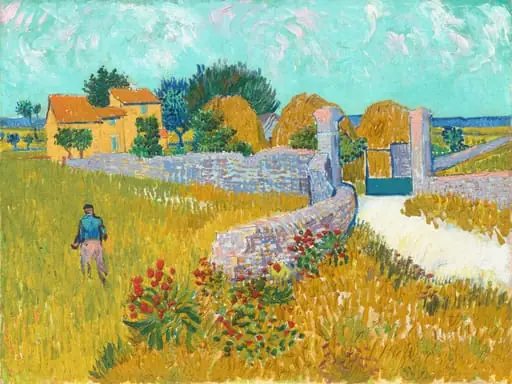
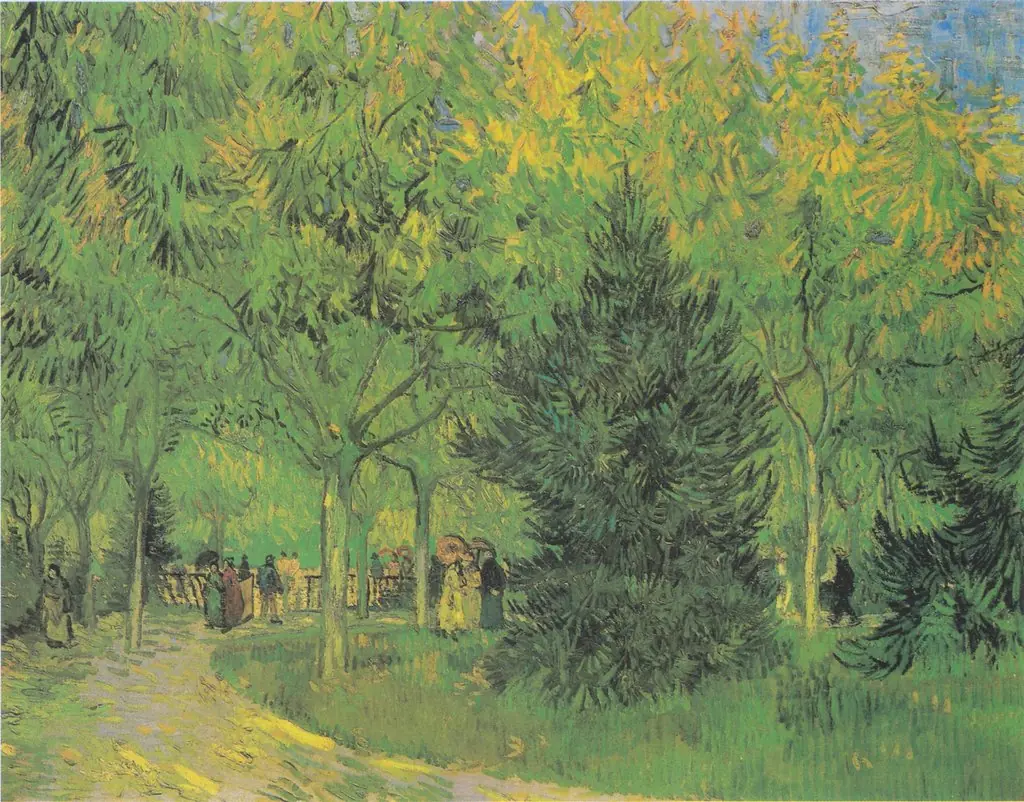
Painted in 1889 during Vincent van Gogh’s stay at the asylum in Saint-Rémy-de-Provence, this oil on canvas depicts a garden viewed from a window within the institution. The work reflects his daily observations of the surrounding landscape, rendered with heightened color and dynamic brushwork. It is now part of the Kröller-Müller Museum’s collection in Otterlo, the Netherlands.
Subject & Meaning
The scene shows a cultivated garden with winding paths, dense shrubs, and flowering plants, framed by the asylum’s architecture on the left. Van Gogh’s focus on this enclosed space suggests a meditation on nature as both refuge and subject of quiet contemplation. The absence of figures emphasizes solitude, aligning with his emotional state during this period of voluntary confinement.
Technique & Style
This technique reflects his evolving style, where emotion is channeled through texture and color rather than realistic detail.
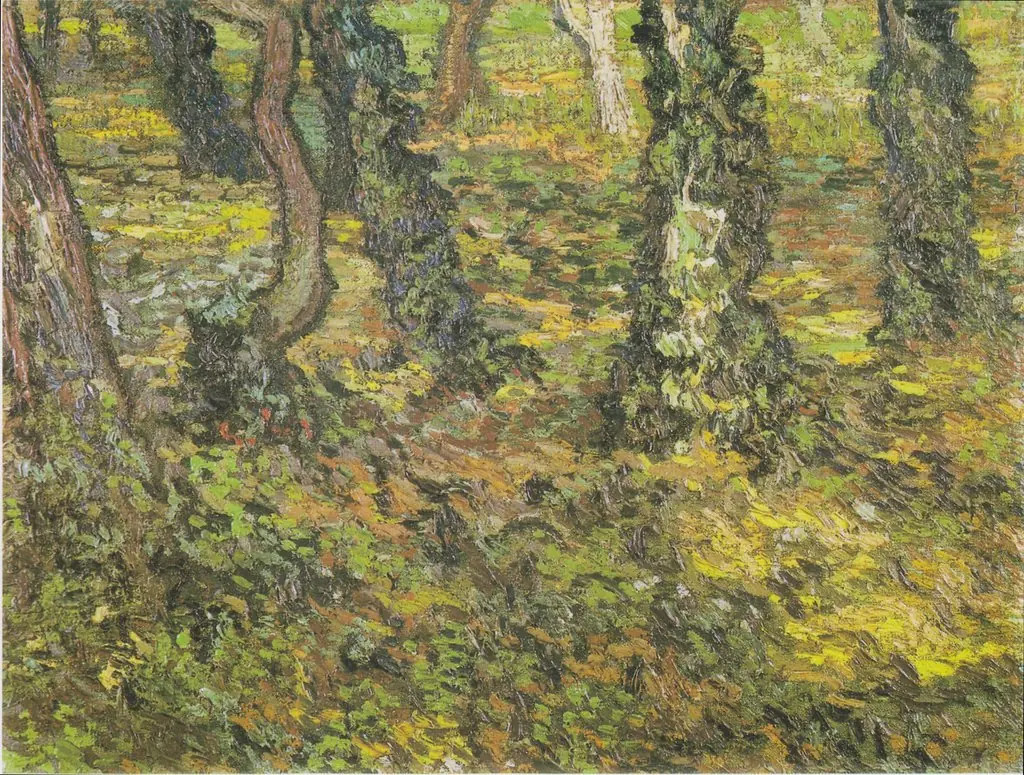
Van Gogh applied thick, rhythmic strokes of oil paint to convey movement and vitality in foliage and earth. Greens, blues, and yellows dominate, layered with energetic impasto to create tactile surfaces. The brushwork is deliberate yet fluid, transforming botanical forms into expressive rhythms. This technique reflects his evolving style, where emotion is channeled through texture and color rather than realistic detail.
History & Provenance
Created during van Gogh’s year-long stay at the Saint-Rémy asylum, the painting was likely made in late 1889. It entered the Kröller-Müller collection in the early 20th century through Helene Kröller-Müller’s acquisitions of his works. The museum holds one of the world’s largest collections of his paintings, including this piece, which has remained in their care since its acquisition.
Context
Van Gogh painted this garden while under medical supervision, restricted to the asylum grounds. His letters reveal a deep engagement with nature as a source of stability and inspiration. The garden, though confined, became a recurring motif in his work during this time, offering a controlled environment to explore light, color, and form amid personal turmoil.
Legacy
This work exemplifies van Gogh’s ability to transform ordinary surroundings into emotionally resonant compositions. It contributes to the broader understanding of his late-period output, where inner experience shaped visual language. The painting remains a key example of how personal isolation could yield profound artistic insight, influencing later expressions of emotional landscape in modern art.
Own this work as a print
Artist & collection
Artist
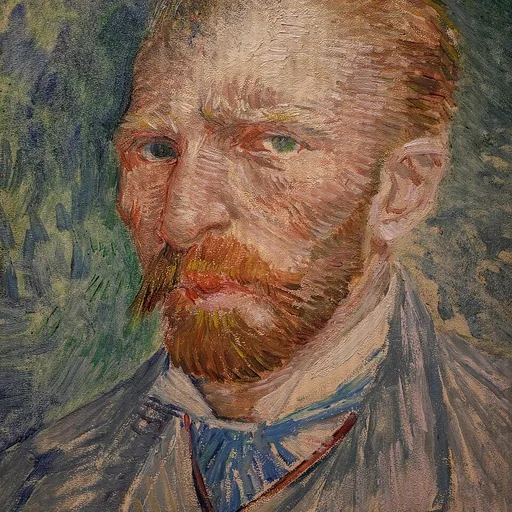
Vincent Willem van Gogh was a Dutch Post-Impressionist painter who is among the most famous and influential figures in the history of Western art.