Artwork
Portrait de Madame Trabuc
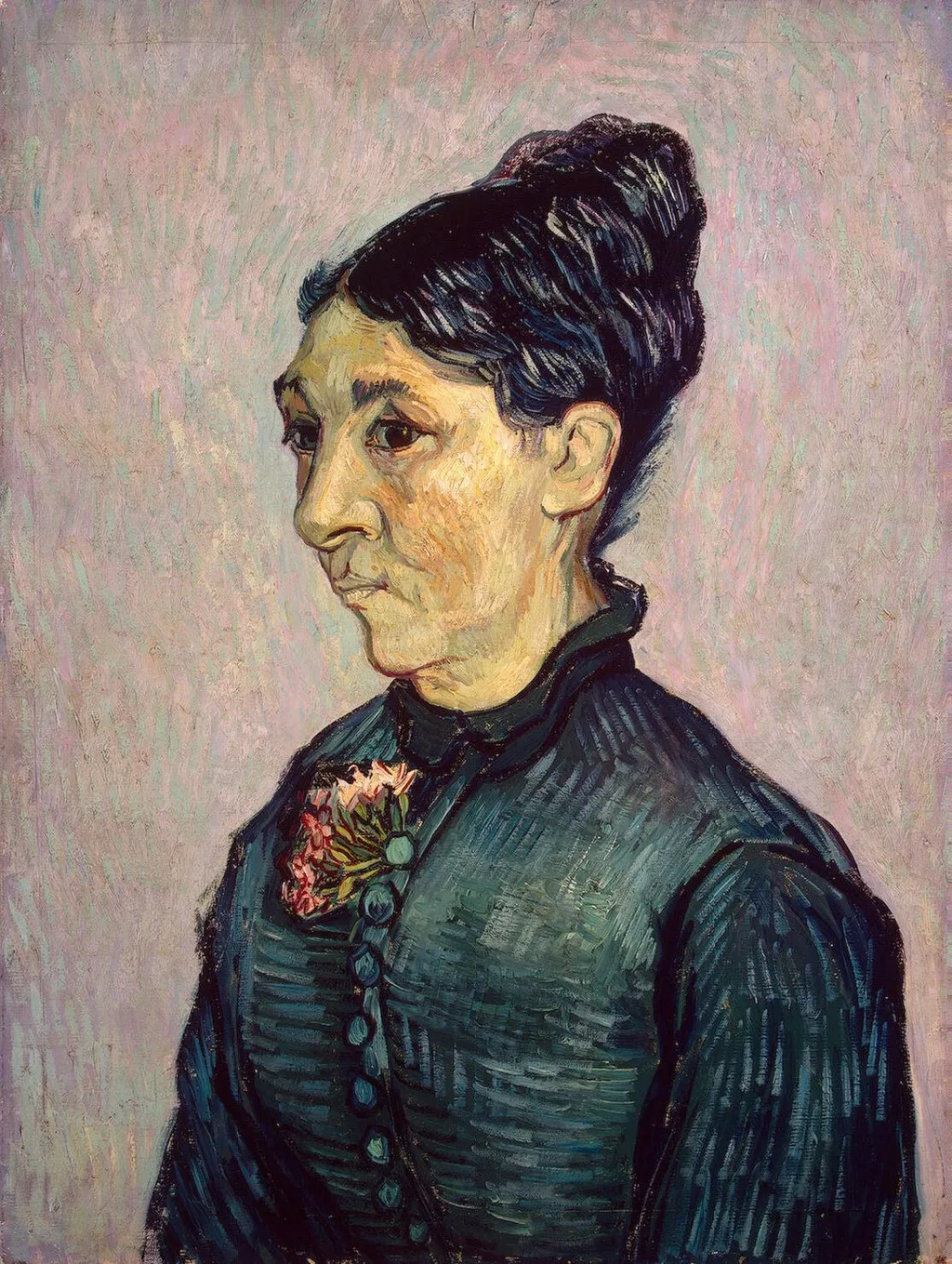
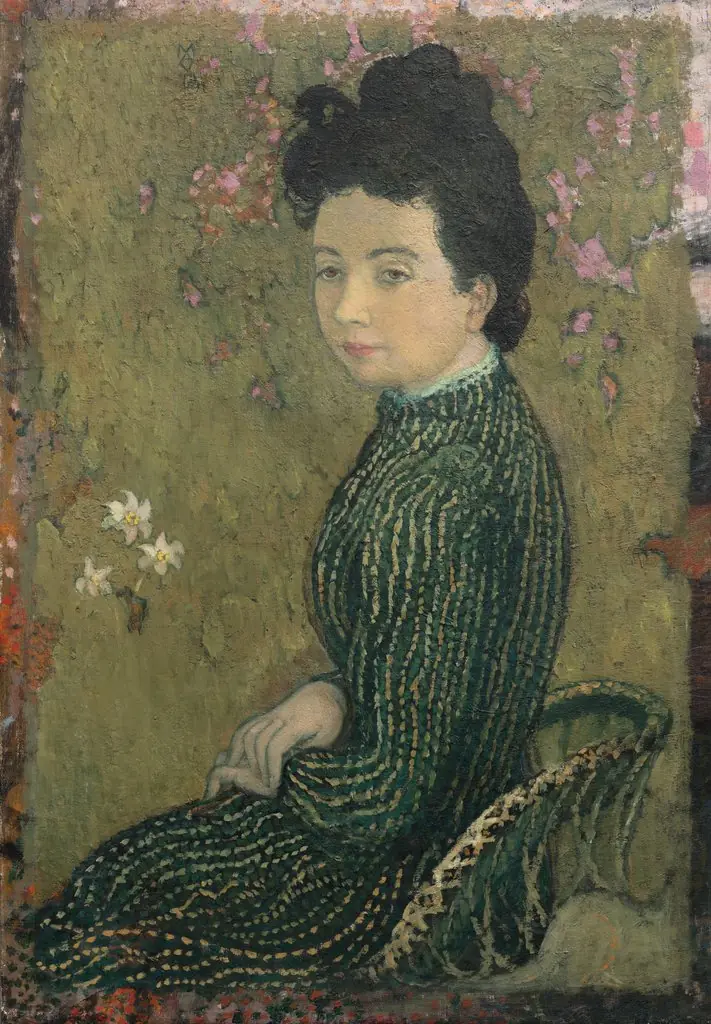
Portrait de Madame Trabuc is an unspecified painting by Vincent van Gogh. It dates from 1889 and is held in the collection of the Hermitage Museum.
About this work
Overview
Painted in 1889, Portrait de Madame Trabuc is an oil on canvas work by Vincent van Gogh.
Painted in 1889, Portrait de Madame Trabuc is an oil on canvas work by Vincent van Gogh. It portrays a woman seated against a softly colored background, rendered with energetic brushwork that distinguishes it from conventional portraiture of the period. The painting is part of the collection at the State Hermitage Museum in Saint Petersburg, where it remains a quiet but distinct example of van Gogh’s later stylistic development.
Subject & Meaning
The subject, identified as Madame Trabuc, is depicted with a composed, introspective gaze. Her tightly pulled-back hair and modest dark dress suggest restraint, while the single flower at her collar introduces a subtle note of personal adornment. Van Gogh does not idealize her features; instead, he captures a sense of quiet dignity, avoiding theatricality in favor of psychological presence.
Technique & Style
Van Gogh applied paint thickly, using impasto to build texture across the woman’s face and hair, creating a tactile surface that catches light dynamically. The background, a muted pink, contrasts with the heavier strokes of her figure, drawing focus to her form. His rapid, deliberate brushwork conveys movement and emotion, departing from the smooth finishes typical of academic portraiture.
History & Provenance
The painting was completed during van Gogh’s stay at the asylum in Saint-Rémy-de-Provence. It entered the Hermitage collection in the early 20th century through a private acquisition, later becoming part of the museum’s permanent holdings. Its journey from a private studio to a major public institution reflects the growing recognition of van Gogh’s work beyond his lifetime.
Context
Created in the final year before van Gogh’s death, this portrait aligns with his broader exploration of human expression through color and texture. While contemporaries often favored polished realism, van Gogh prioritized emotional resonance. His use of bold brushwork in portraiture was part of a wider shift in modern art toward subjective representation over formal accuracy.
Legacy
Portrait de Madame Trabuc exemplifies van Gogh’s redefinition of portraiture through expressive technique. Though not widely exhibited during his lifetime, it now stands as a testament to his ability to convey inner life through physical form and paint texture. The work continues to inform discussions on the emotional potential of brushwork in modern portraiture.
Artist & collection
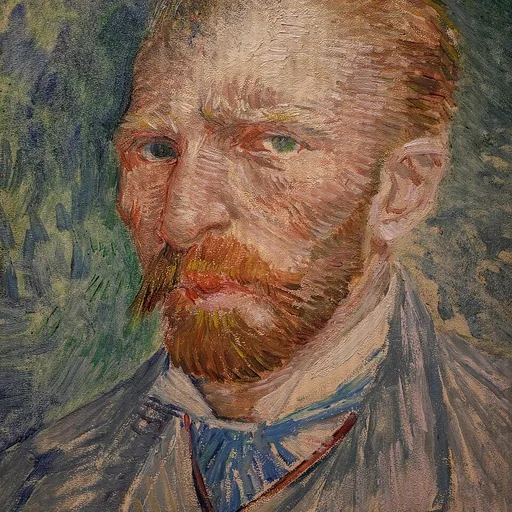
Artist
Vincent Willem van Gogh was a Dutch Post-Impressionist painter who is among the most famous and influential figures in the history of Western art.

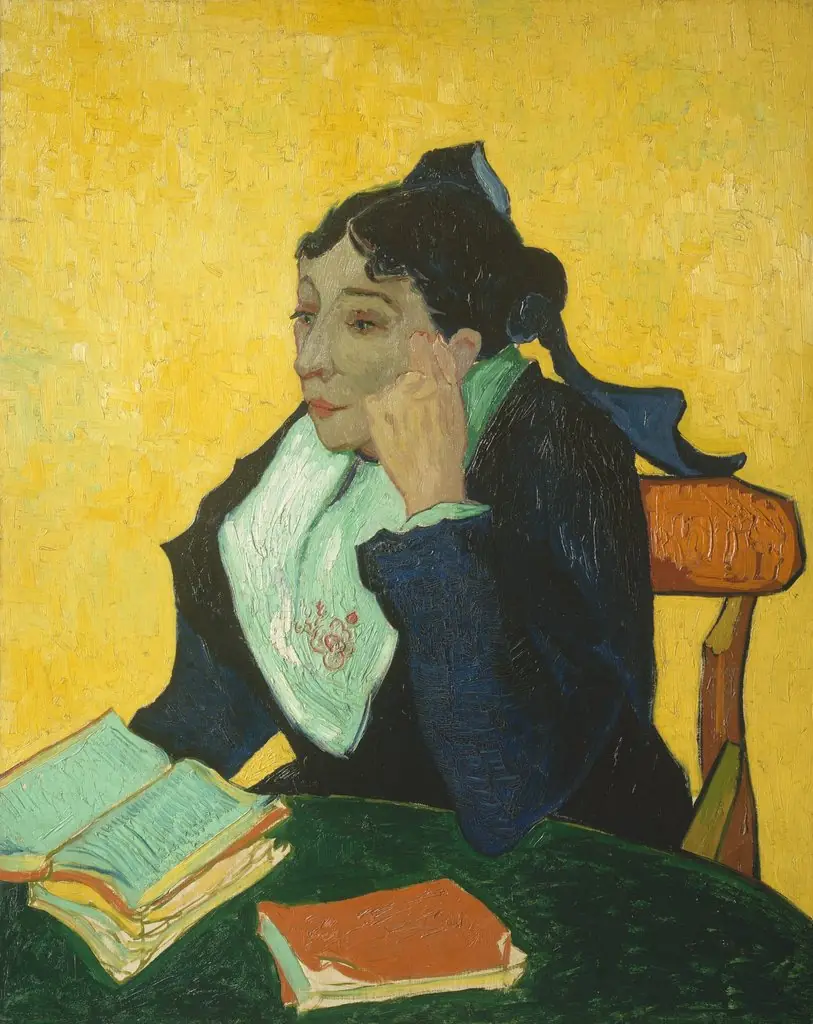
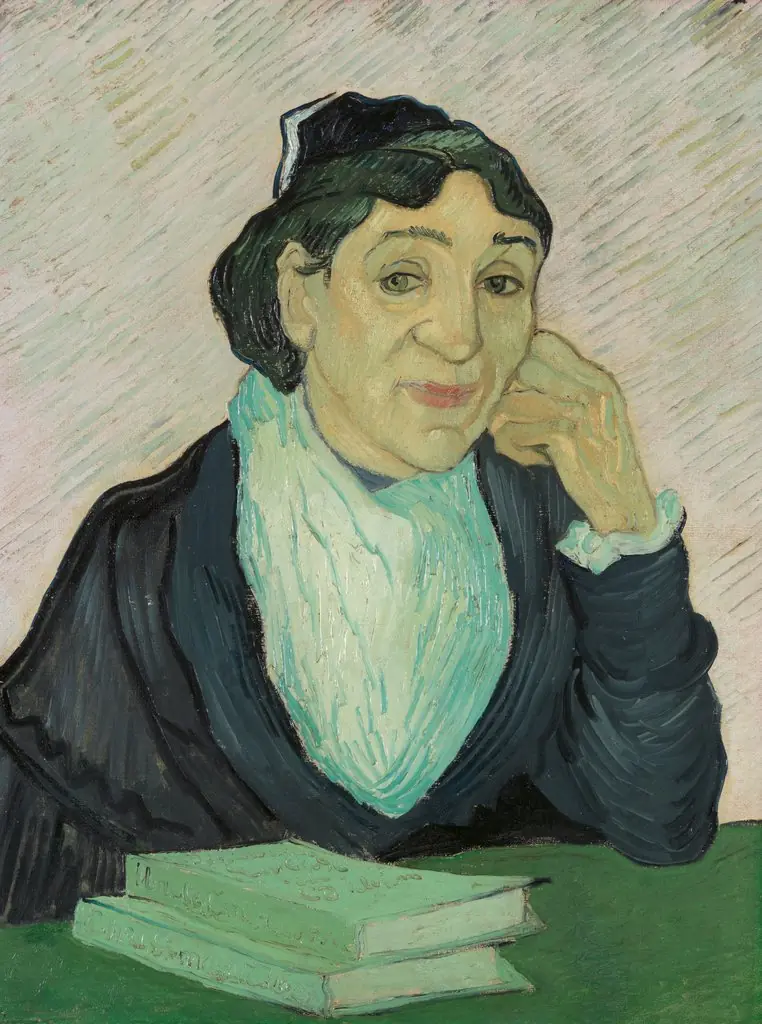 L'Arlésienne
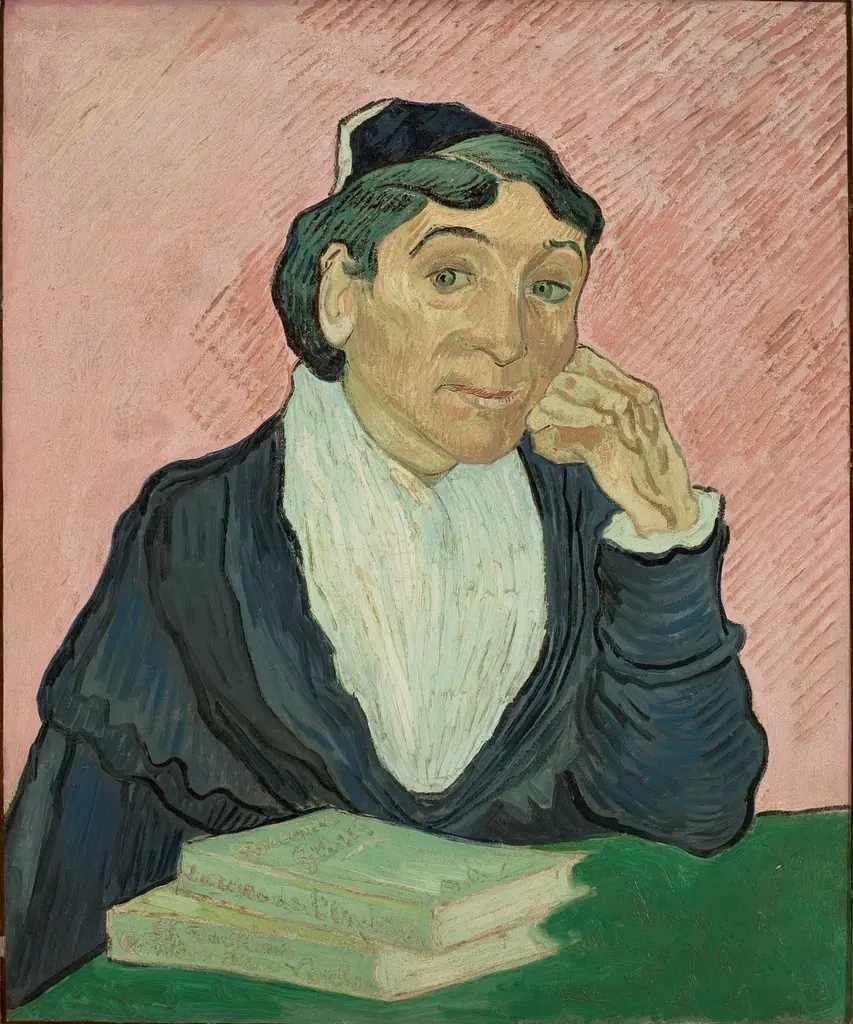 L'Arlésienne
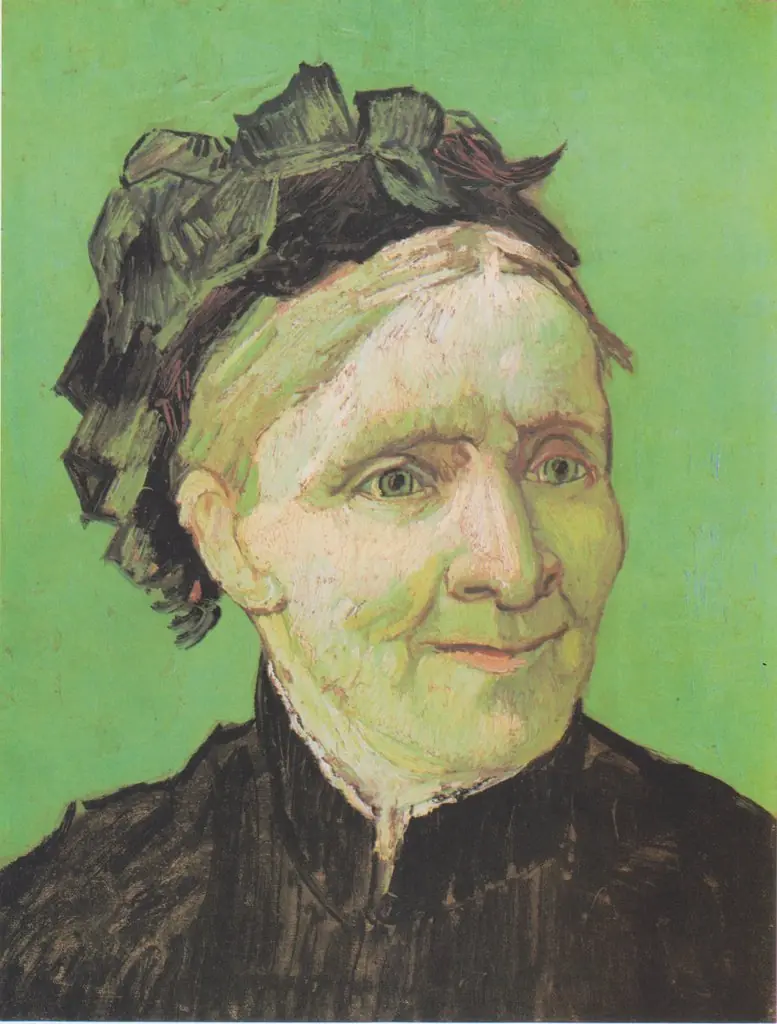 Portrait of the Artist's Mother
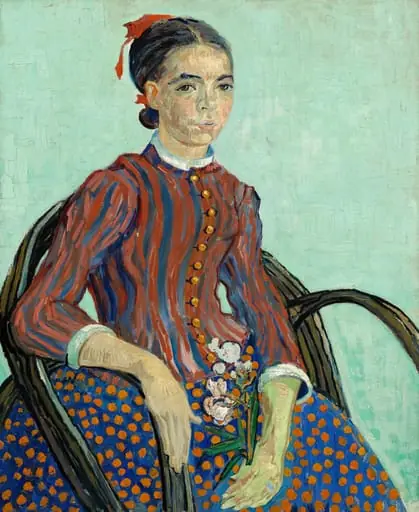 La Mousmé
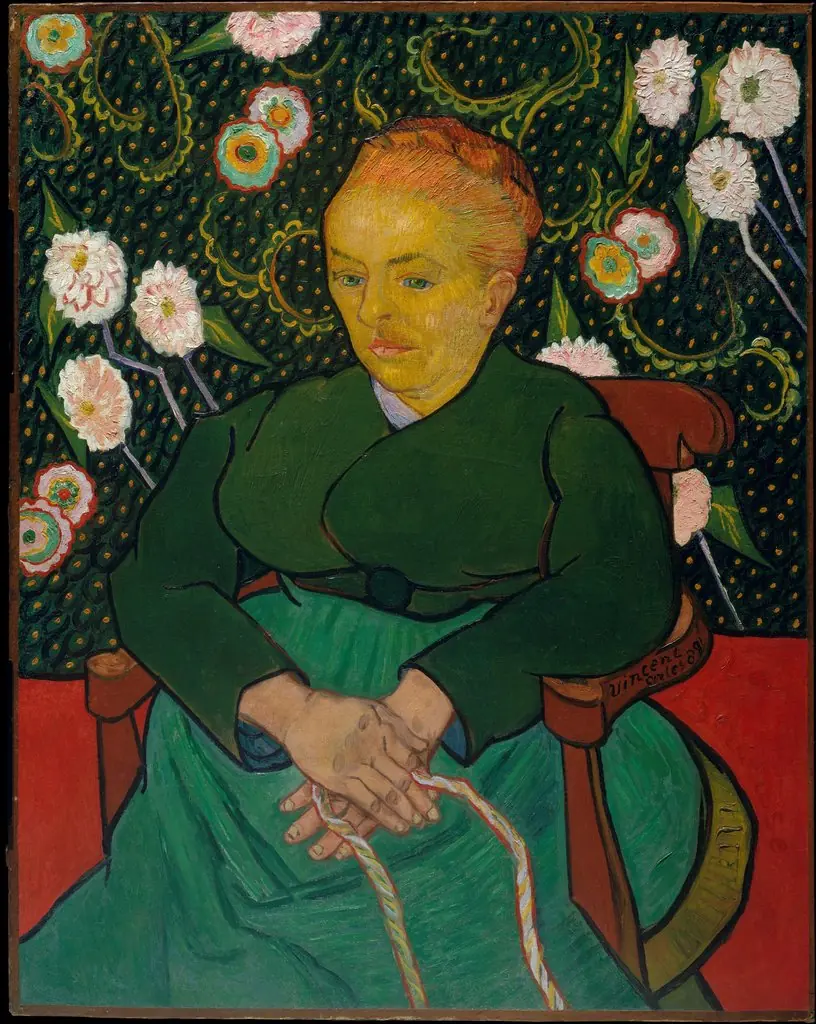 La Berceuse (Woman Rocking a Cradle; Augustine-Alix Pellicot Roulin, 1851–1930)
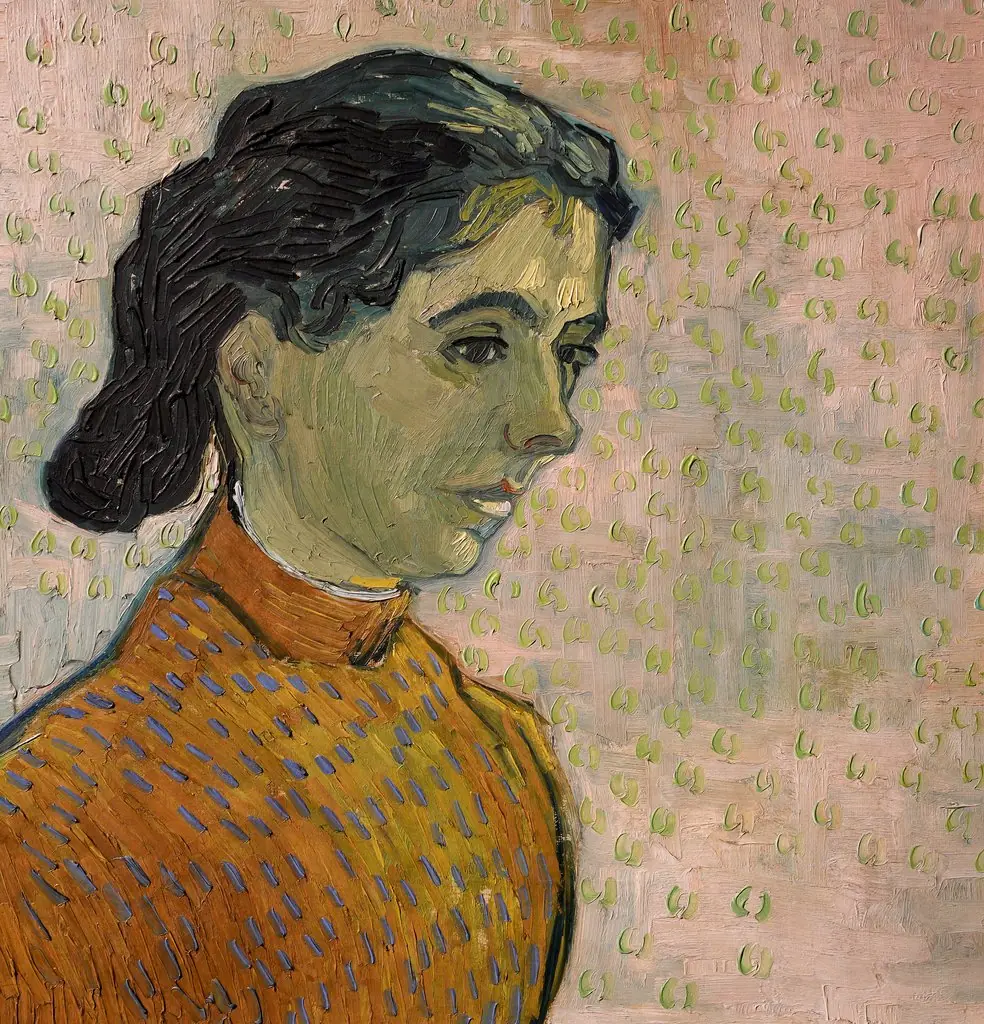 Little Arlesienne, The
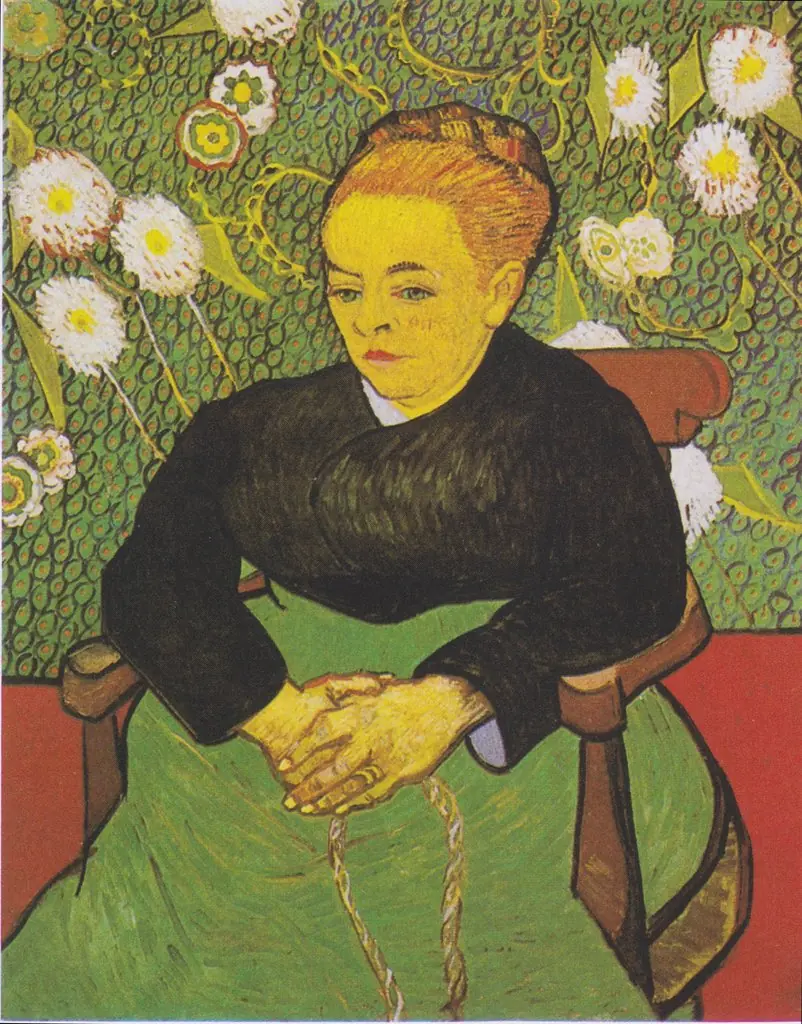 Lullaby: Madame Augustine Roulin Rocking a Cradle (La Berceuse)
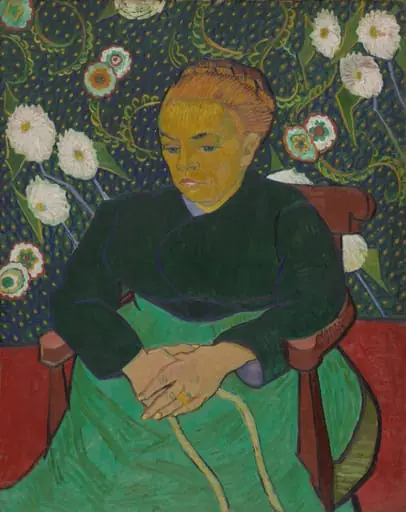 Madame Roulin Rocking the Cradle (La berceuse)
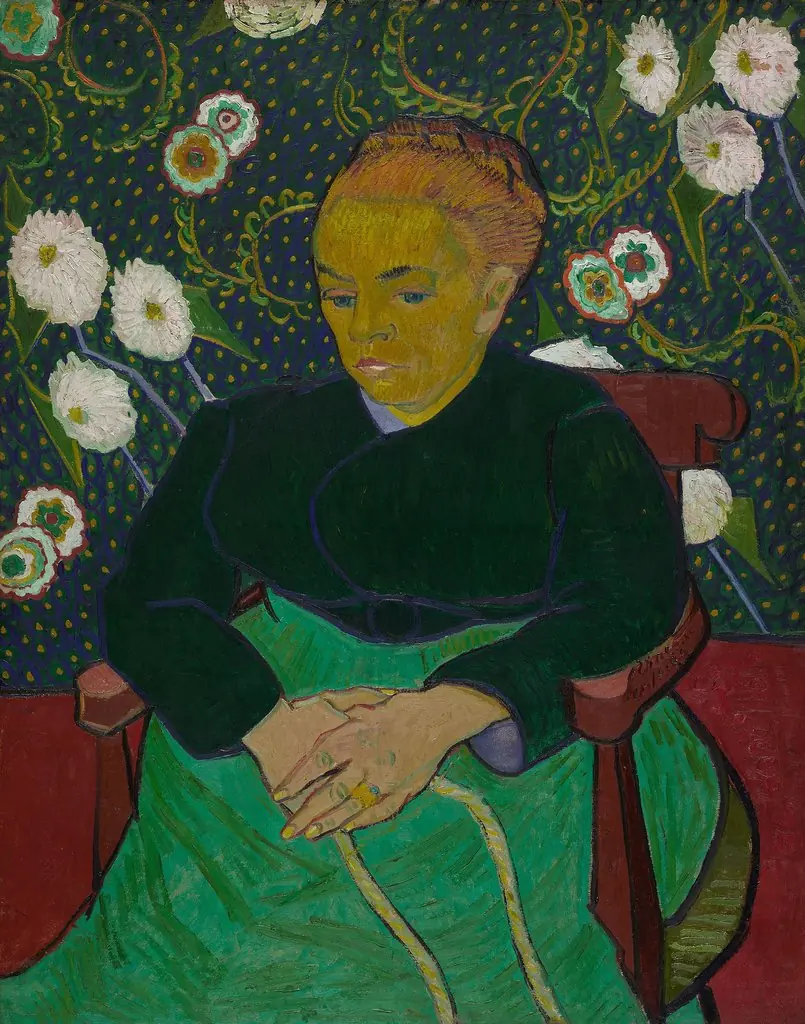 Madame Roulin Rocking the Cradle (La Berceuse)
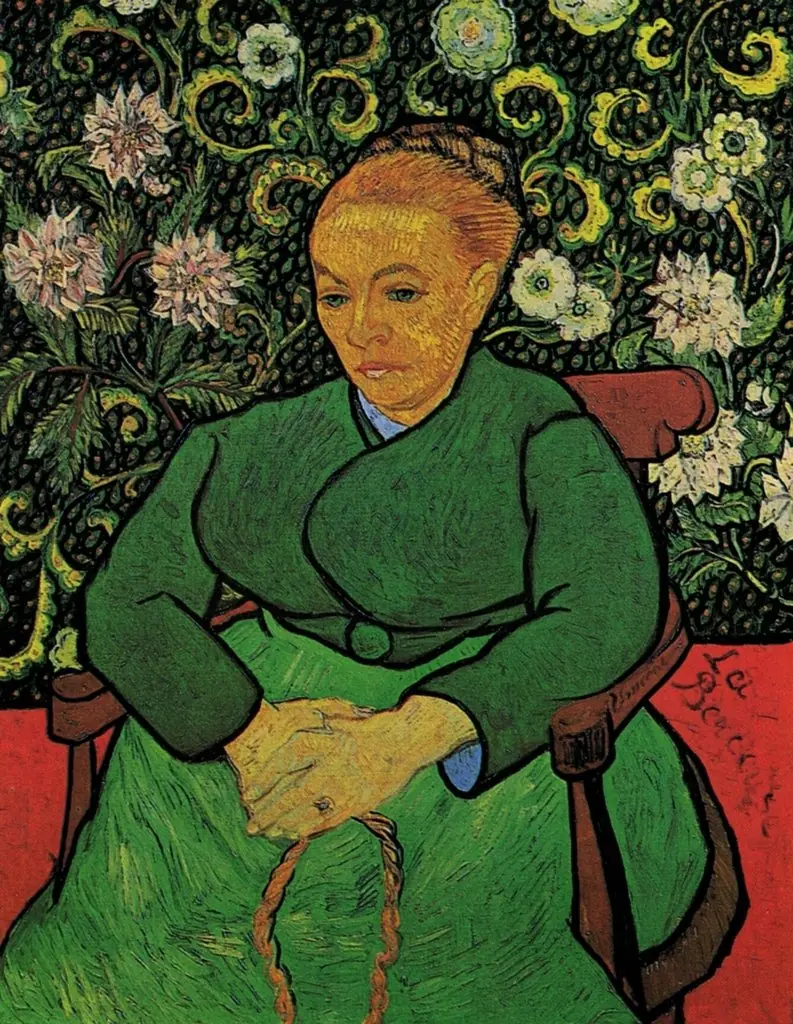 La Berceuse
 Eva Meurier in a Green Dress