Artwork
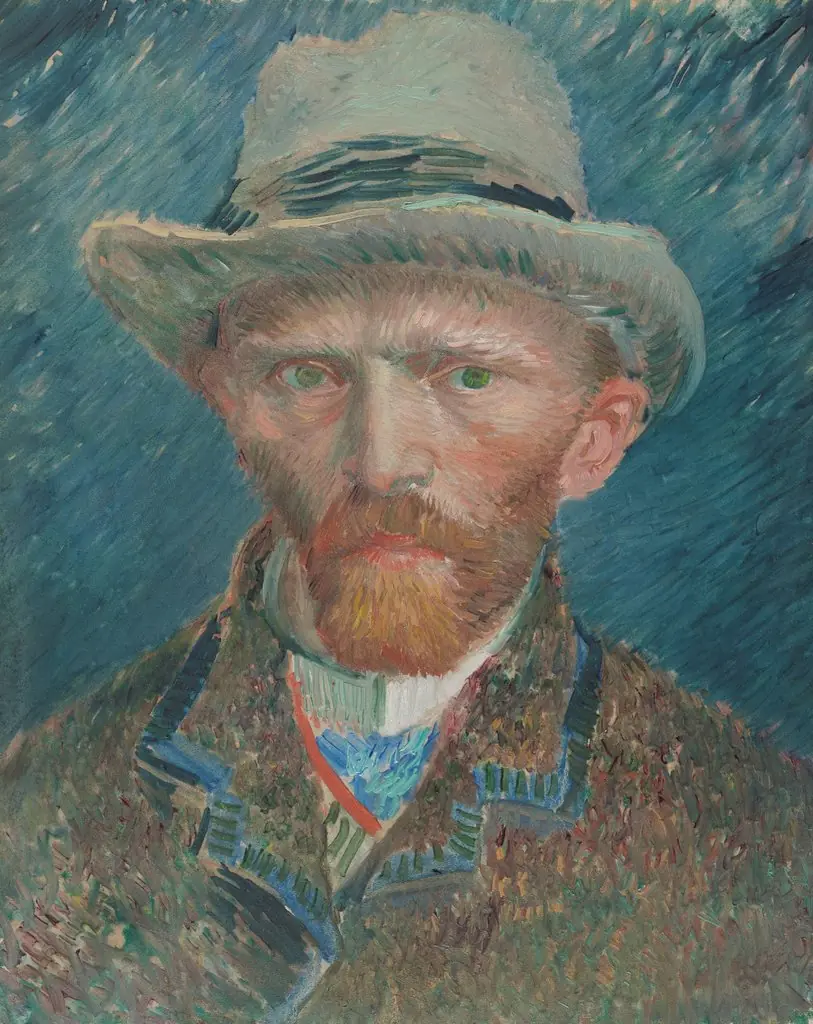
Portrait of a One-Eyed Man
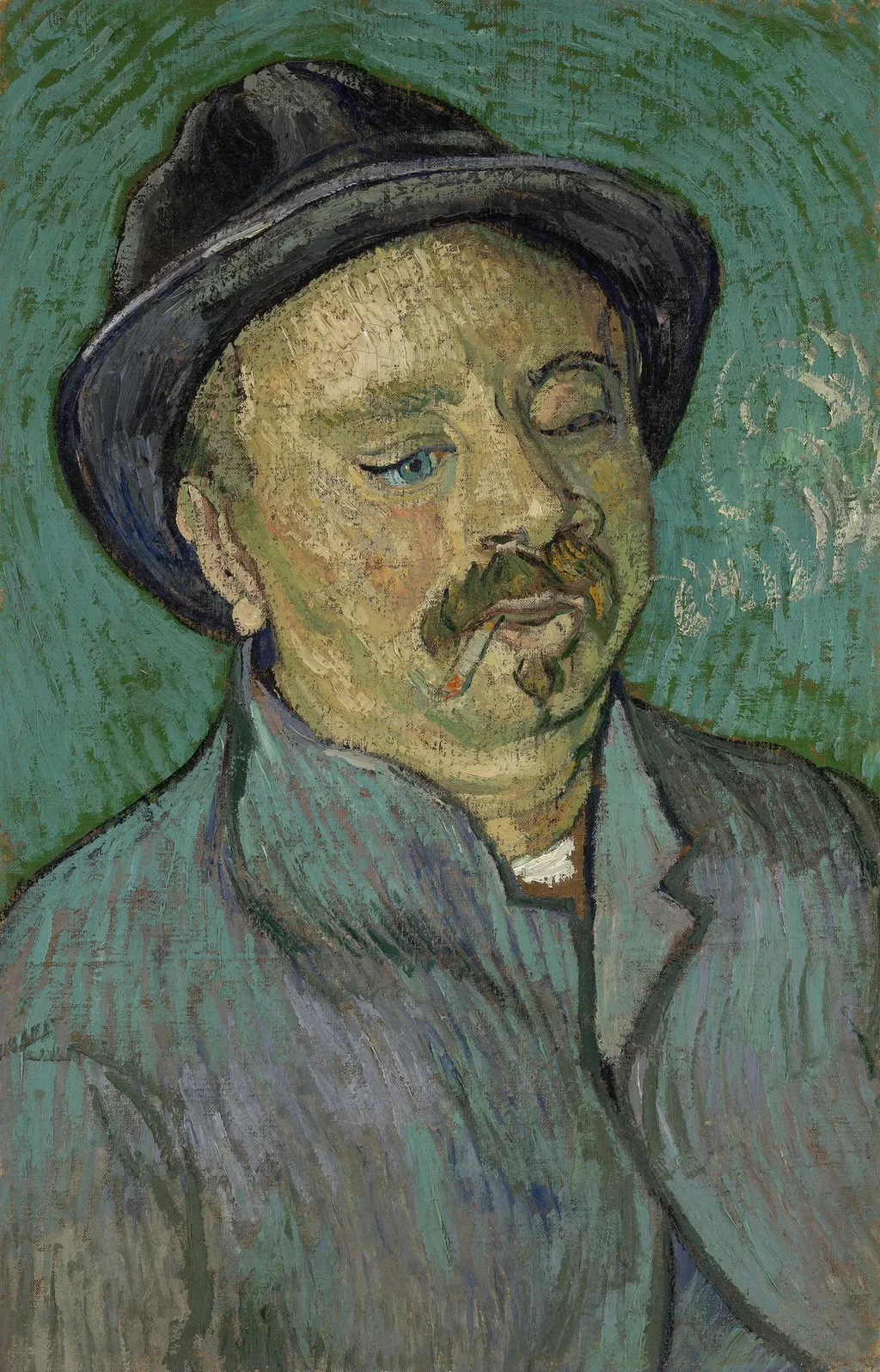
Portrait of a One-Eyed Man is an oil painting by the Post-Impressionist artist Vincent van Gogh. It is held in the collection of the Rijksmuseum.
About this work
Overview
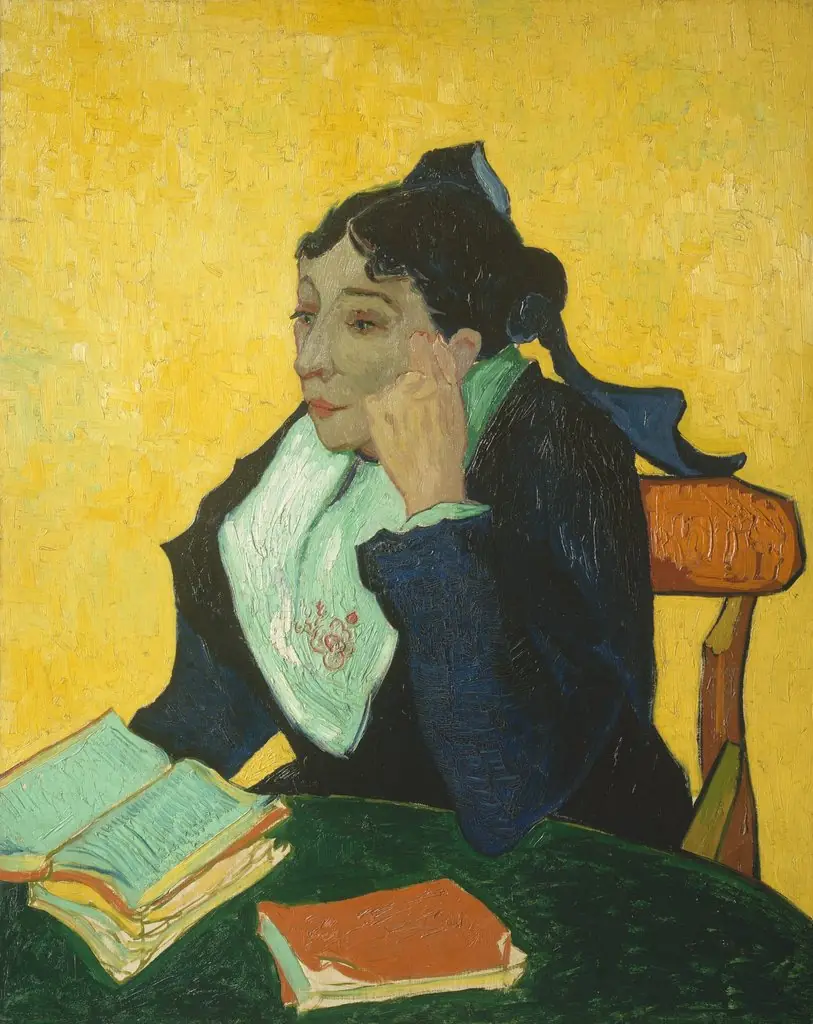
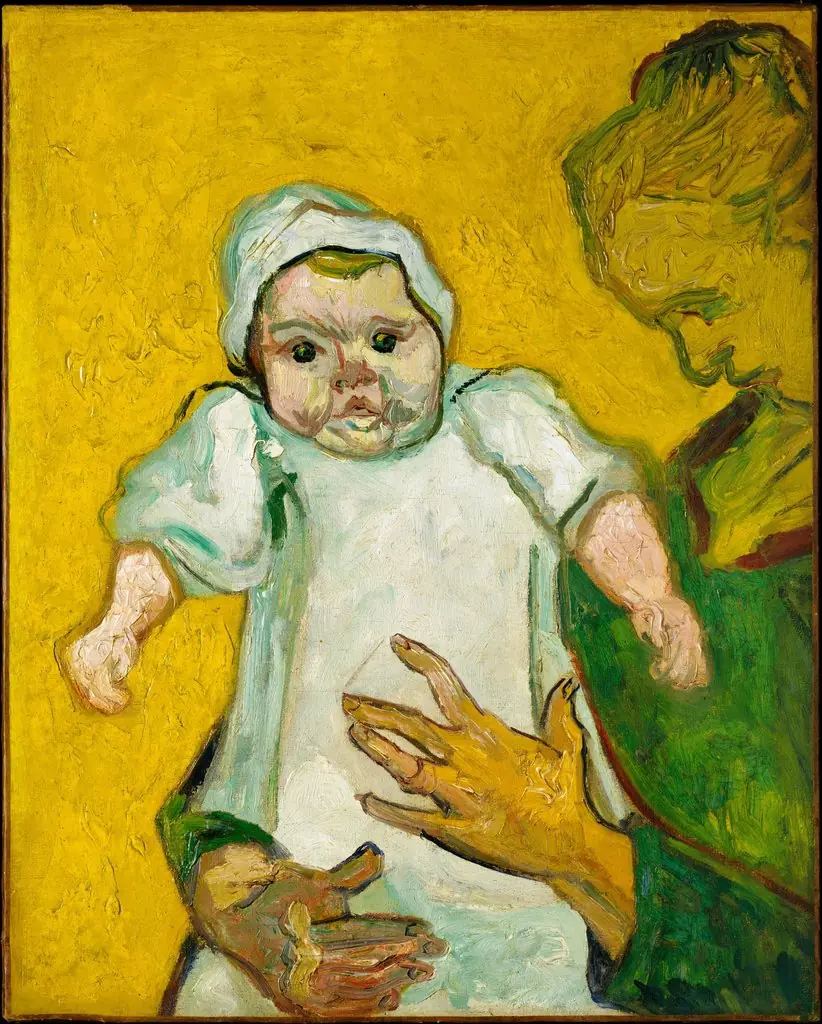
Vincent van Gogh produced this oil portrait in 1895, now part of the Rijksmuseum’s collection. The work presents a solitary figure whose head is shaded by a low‑set dark hat, his right hand clutching a pipe, while one eye is conspicuously absent from the canvas.
Subject & Meaning
The sitter’s missing eye, left as an unpainted void, draws attention to vulnerability and incompleteness. The closed eye and the pipe suggest a moment of contemplation or fatigue, inviting viewers to consider the psychological state behind the outward calm.
Technique & Style
Van Gogh applied paint in thick, impasto layers, using brisk, visible brushstrokes that give the surface a textured, almost sketch‑like quality. A muted palette of greens, blues, and browns dominates, enhancing the somber atmosphere while the heavy application emphasizes the figure’s form.
History & Provenance
Created toward the end of van Gogh’s productive period, the portrait entered the Rijksmuseum’s holdings after changing hands through private collections. Its presence in the Dutch national museum reflects the artist’s enduring relevance to the country’s artistic heritage.
Context
The painting belongs to van Gogh’s late oeuvre, a time when he explored portraiture with heightened emotional intensity. The use of impasto and stark compositional choices aligns with his broader experiments in conveying inner life through vigorous surface treatment.
Own this work as a print
Artist & collection
Artist
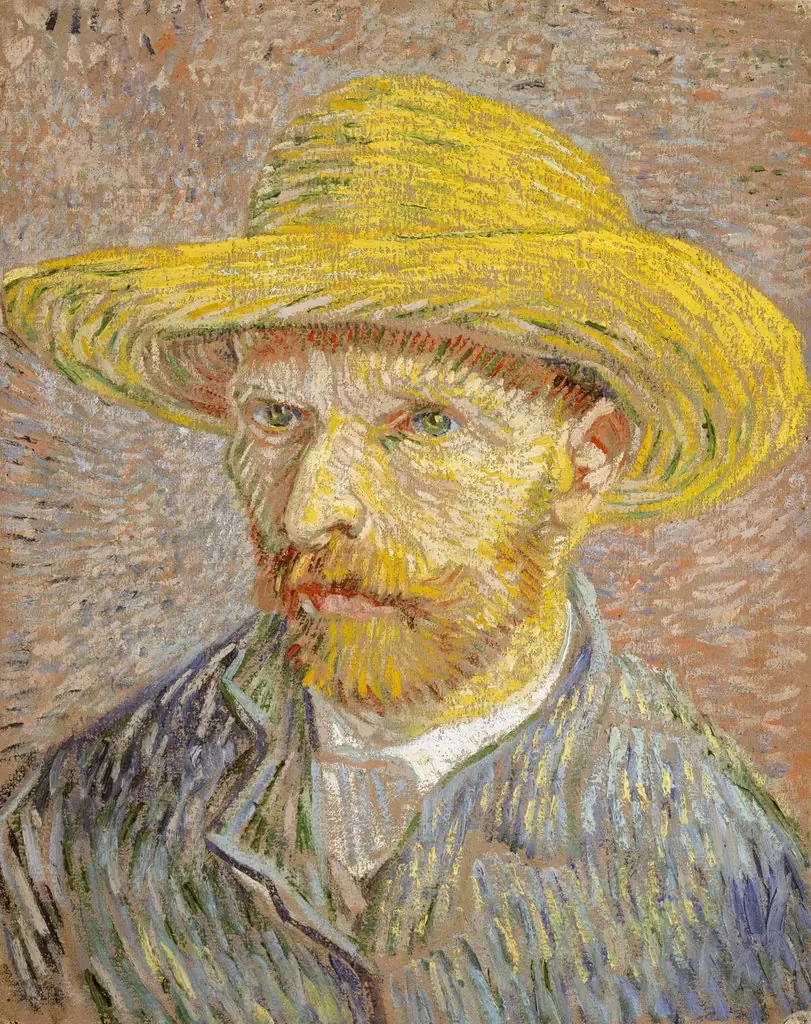
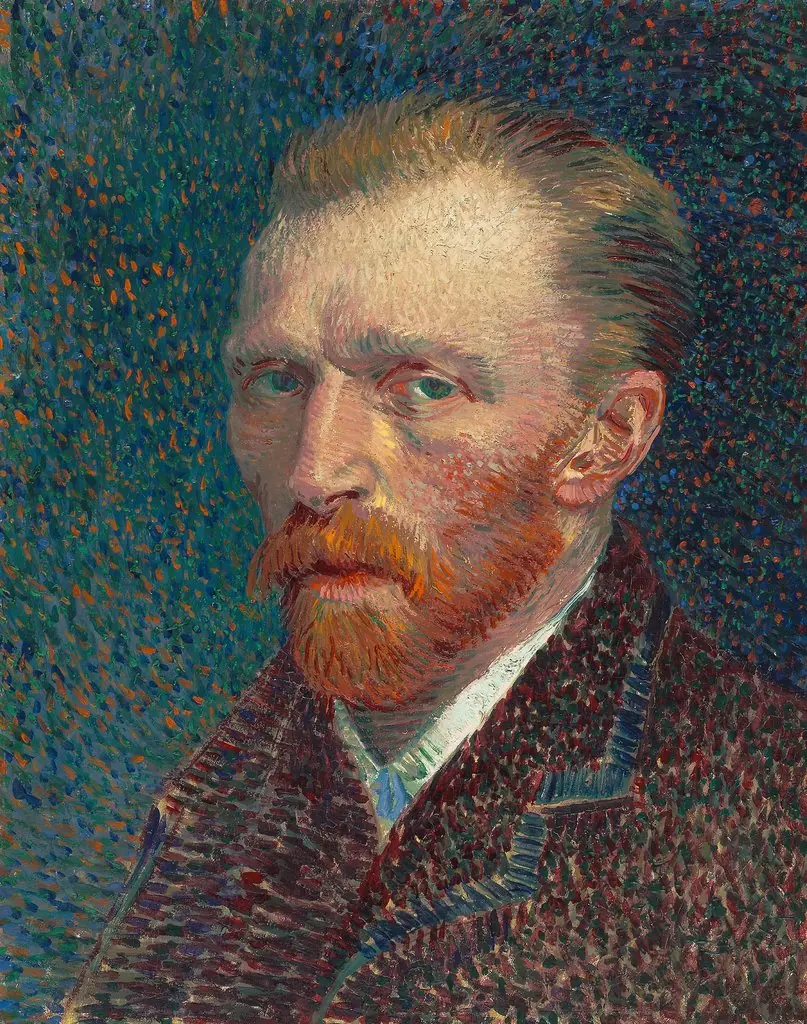
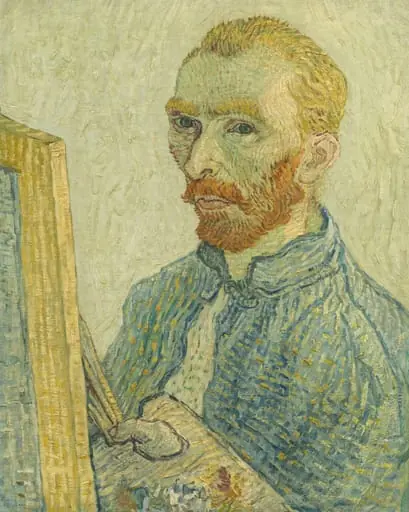
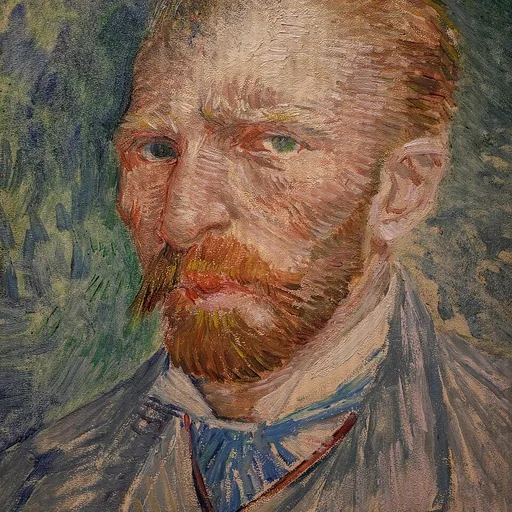
Vincent Willem van Gogh was a Dutch Post-Impressionist painter who is among the most famous and influential figures in the history of Western art.