Artwork
Self-Portrait
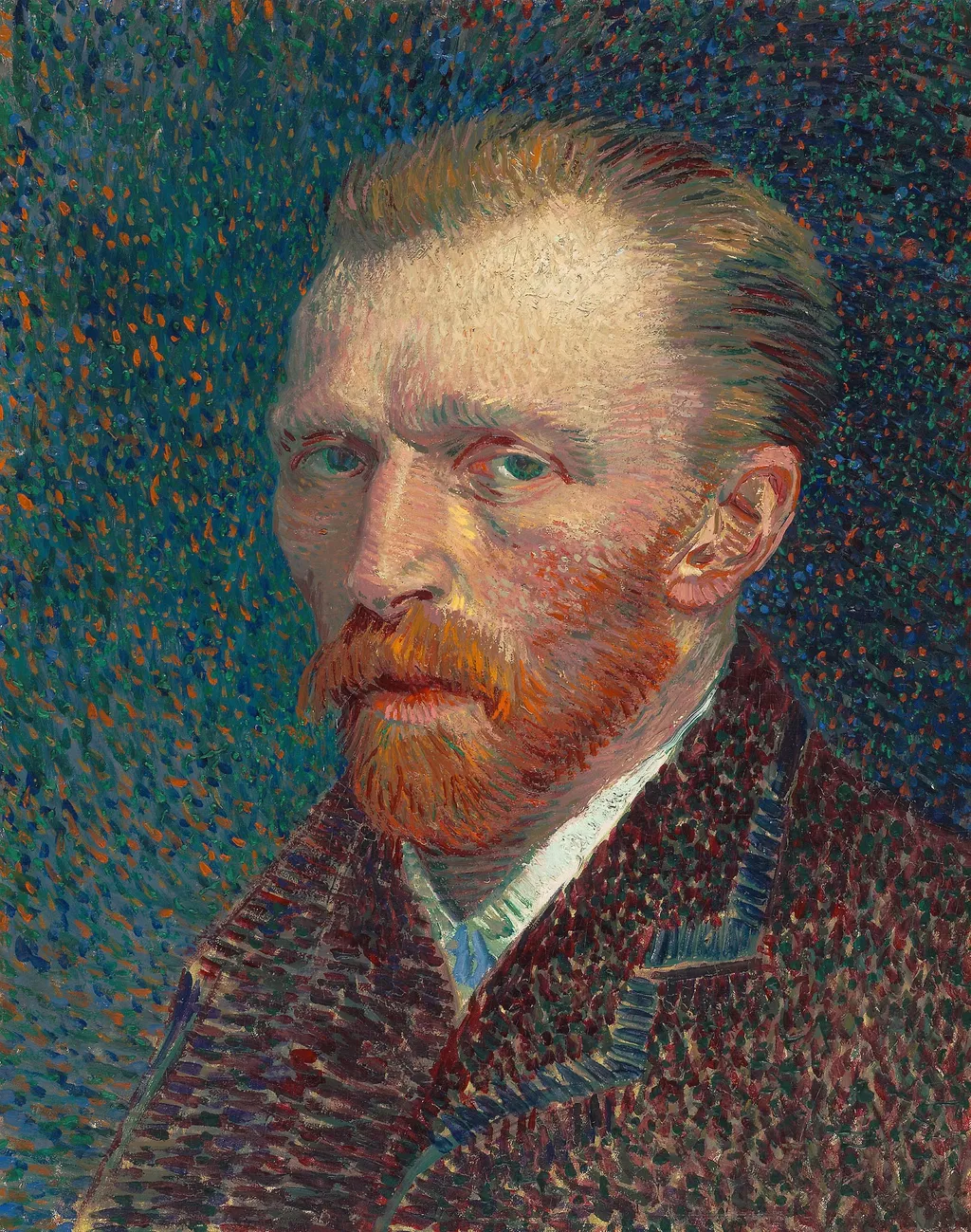
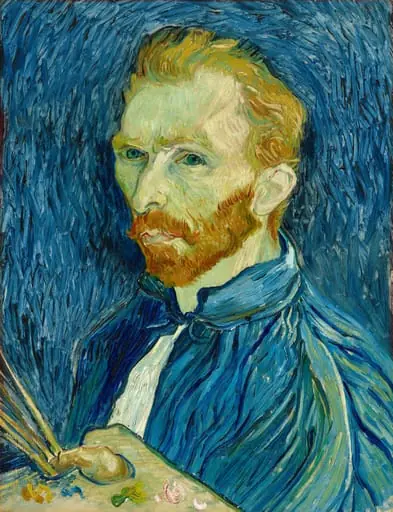
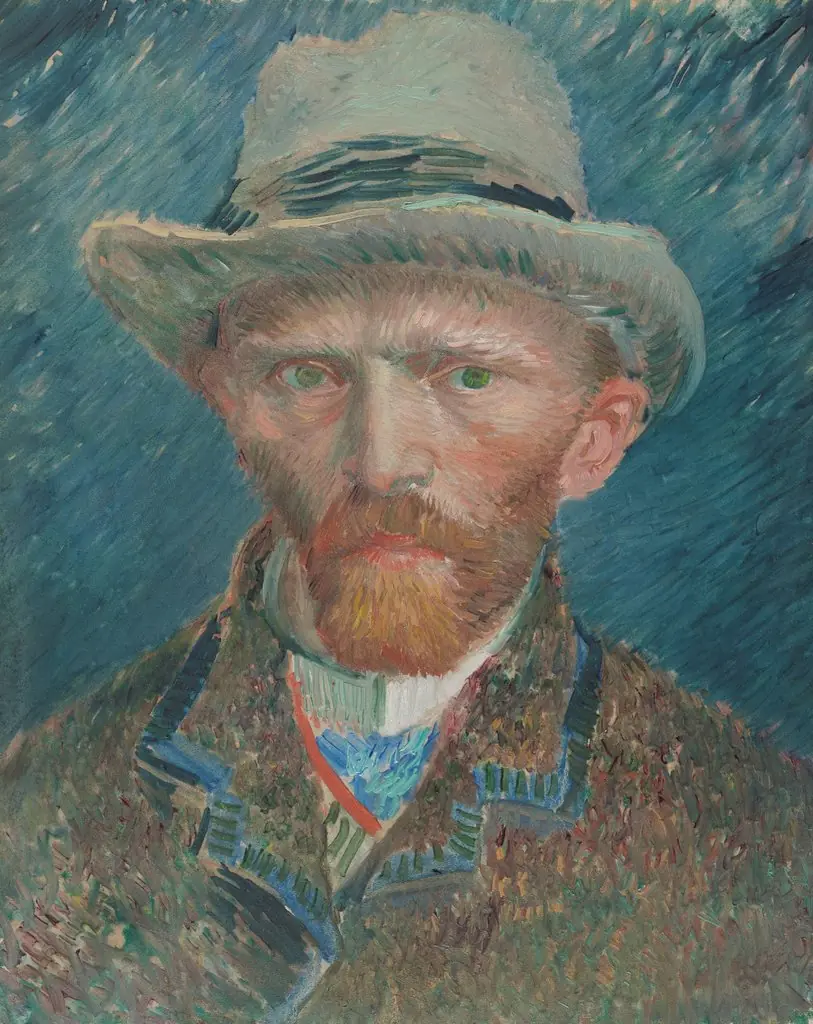
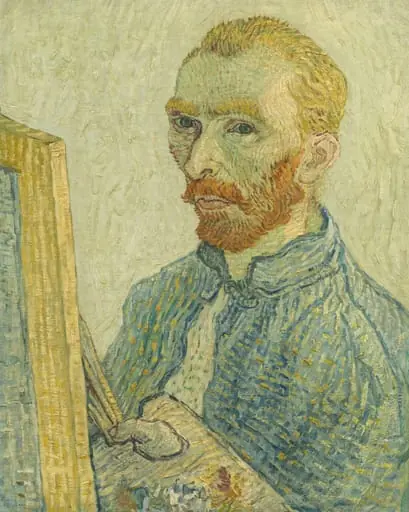
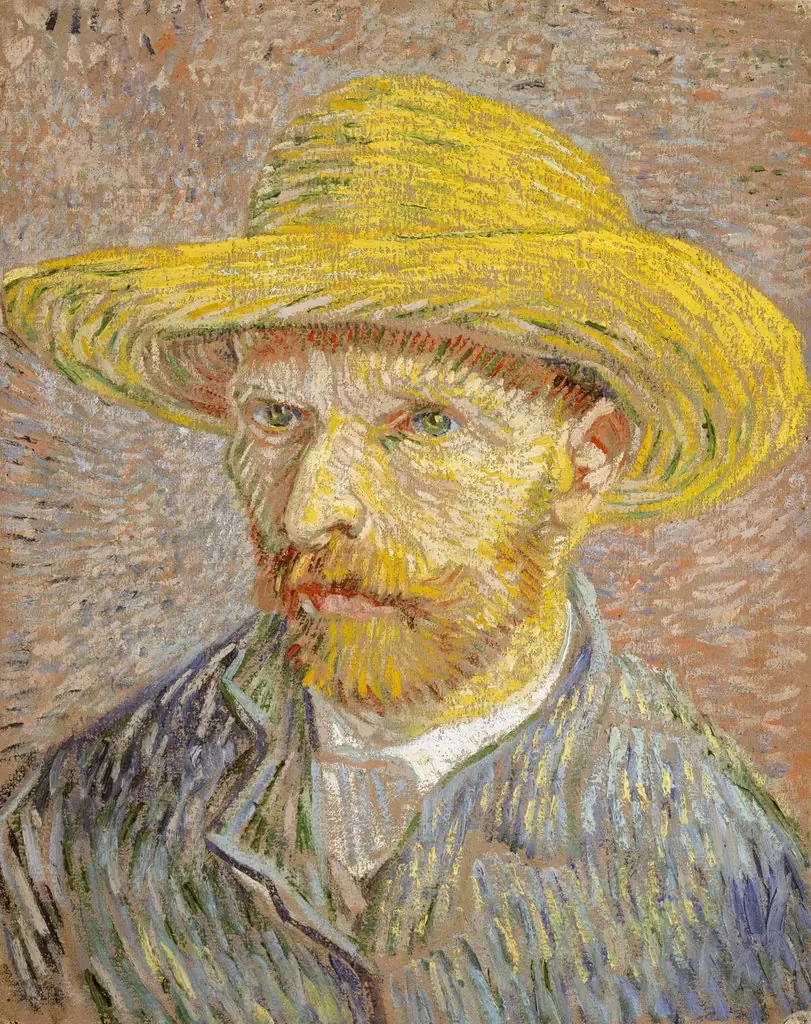
Self-Portrait is an oil painting by the Post-Impressionist artist Vincent van Gogh. It is held in the collection of the Art Institute of Chicago.
About this work
Overview
Vincent van Gogh painted this self‑portrait in 1894 using oil on canvas. The work belongs to the Post‑Impressionist period and is part of the collection of the Art Institute of Chicago. It presents the artist looking directly at the viewer, his features rendered with vivid, expressive brushwork.
Subject & Meaning
The canvas shows Van Gogh himself, his pale complexion contrasted by a thick, reddish beard and untamed hair streaked with yellow and brown. The intense gaze and exaggerated facial structure convey a sense of inner turbulence, reflecting the painter’s preoccupation with personal identity and emotional intensity during this phase of his career.
Technique & Style
Van Gogh employed short, broken strokes that build up layers of colour, creating a textured surface that borders on impasto. The background swirls with fragmented blues, greens and reds, while the dark collar anchors the figure. This method emphasizes movement and feeling over precise representation, a hallmark of his Post‑Impressionist approach.
History & Provenance
Created in the later years of Van Gogh’s life, the portrait entered the Art Institute of Chicago’s holdings in the early 20th century, where it has remained on public display. Its acquisition helped establish the museum’s early modern European collection, offering viewers insight into the artist’s self‑representation shortly before his death.
Own this work as a print
Artist & collection
Artist
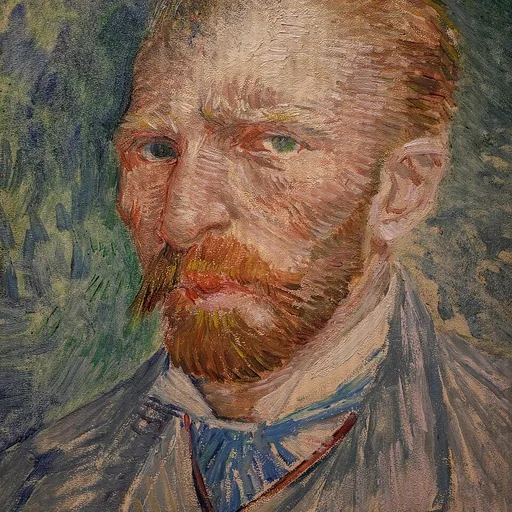
Vincent Willem van Gogh was a Dutch Post-Impressionist painter who is among the most famous and influential figures in the history of Western art.