Artwork
The Parsonage Garden at Nuenen in the Snow
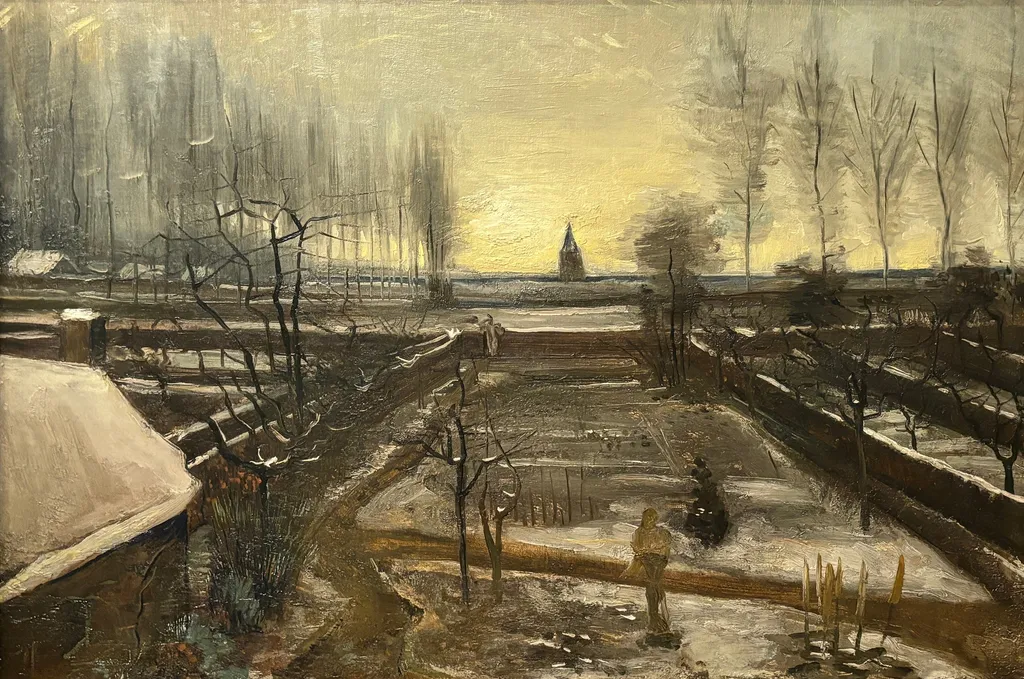
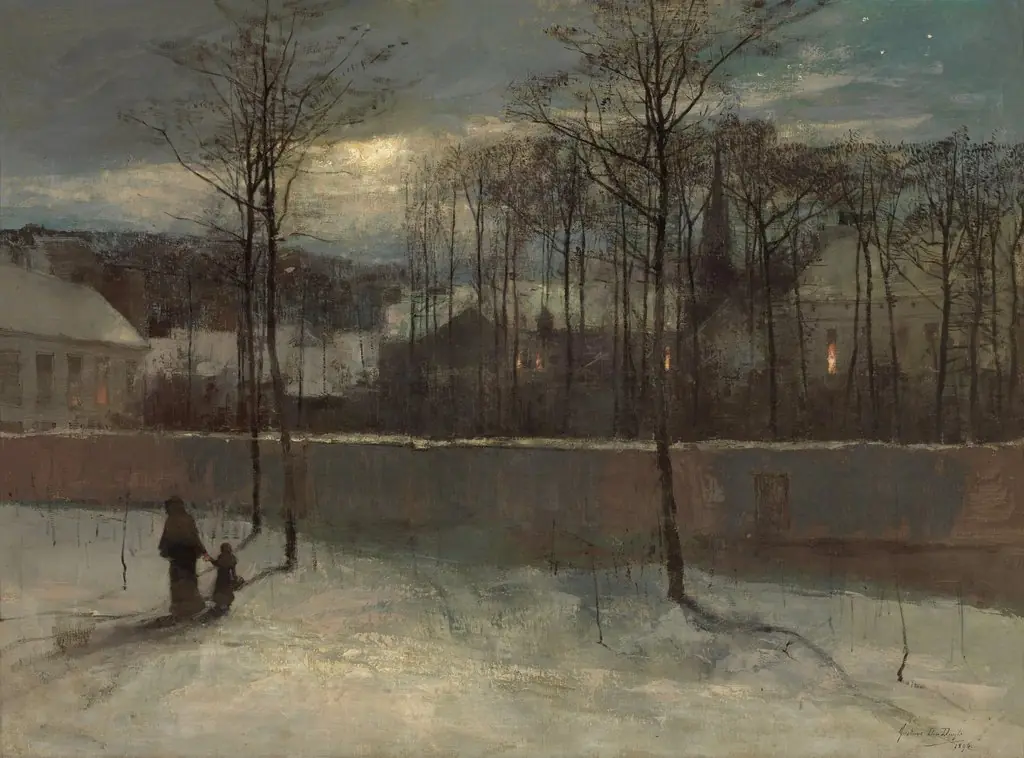
The Parsonage Garden at Nuenen in the Snow is an oil painting by the Realist artist Vincent van Gogh. It is held in the collection of the Hammer Museum.
About this work
Overview
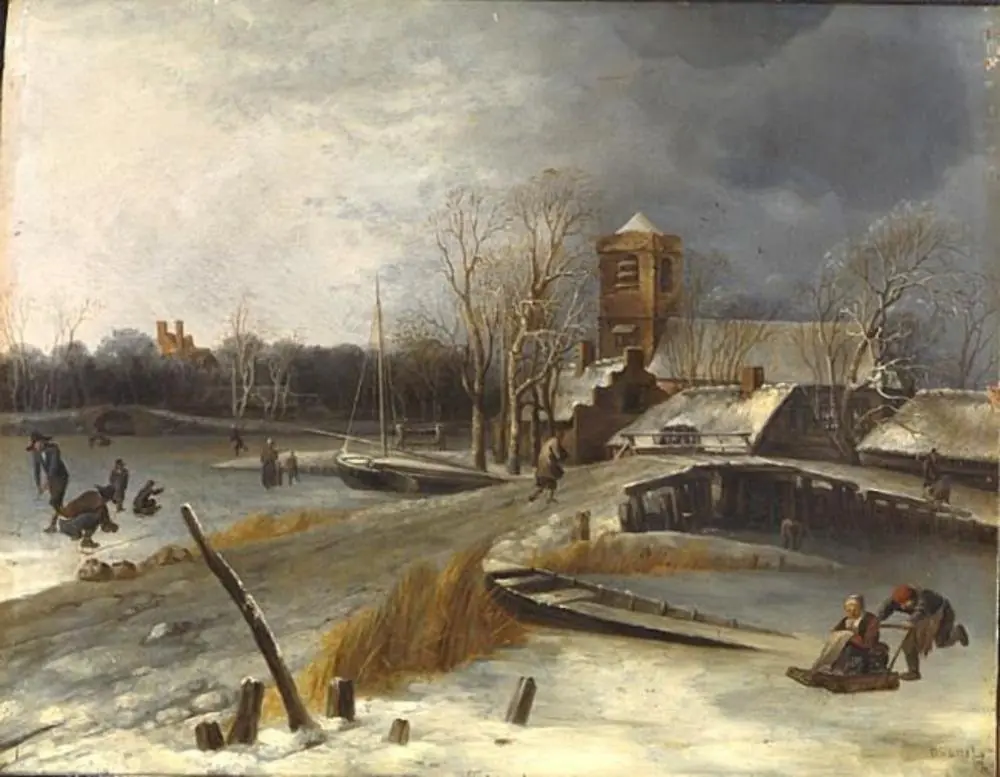
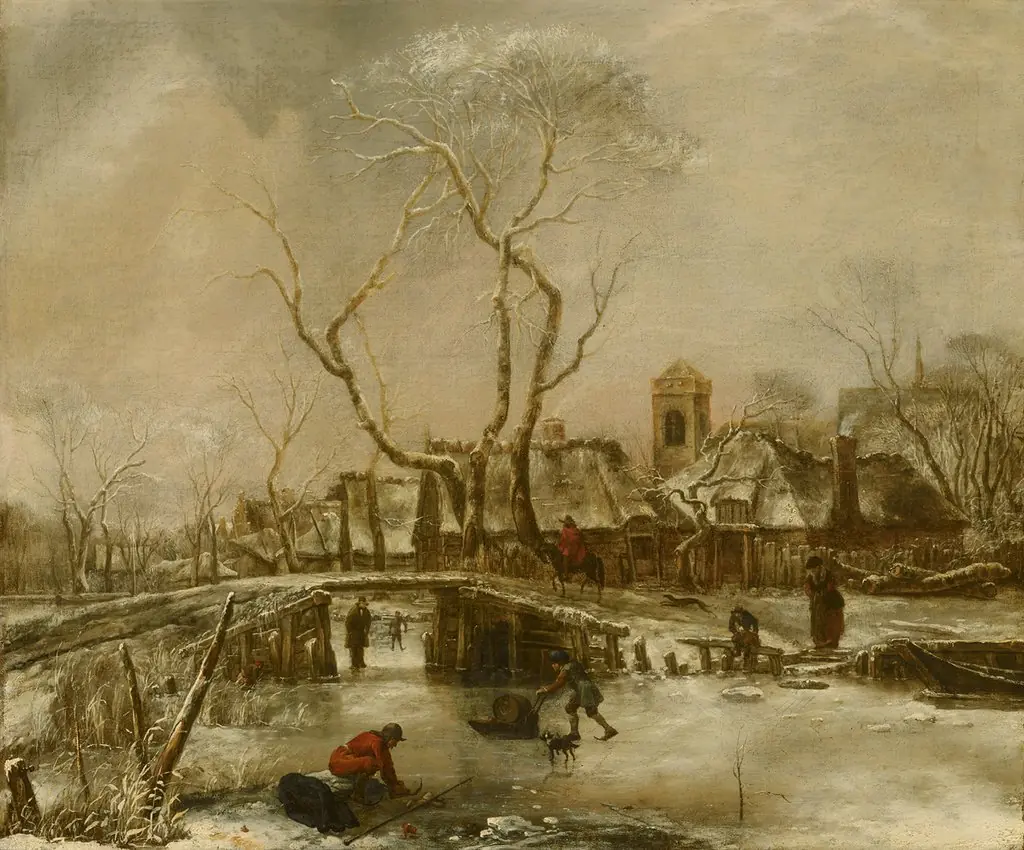
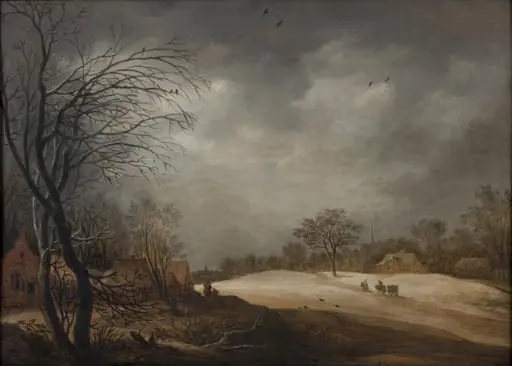
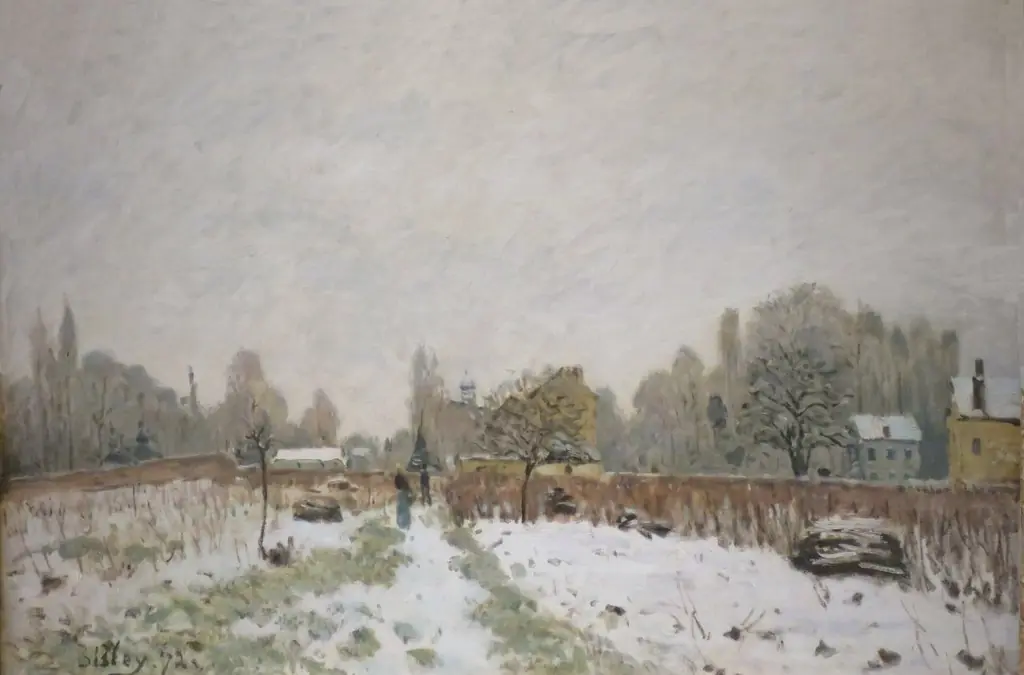
Vincent van Gogh painted The Parsonage Garden at Nuenen in the Snow in 1893. Executed in oil on canvas, the work portrays a winter garden scene with a distant church steeple, a low enclosing wall, leaf‑less trees and a solitary figure for scale. The painting is part of the Hammer Museum’s collection.
Subject & Meaning
The composition captures a quiet, snow‑laden garden belonging to the Van Gogh family’s parsonage in Nuenen, Netherlands. By placing a lone figure near the wall, van Gogh emphasizes the stillness of the landscape while hinting at human presence within the tranquil winter setting.
Technique & Style
Van Gogh employs a restrained palette of browns, grays and muted whites, using soft, feathery brushstrokes to render the snow’s texture. The handling of light and the modest color range align the work with the Realist tradition, focusing on faithful observation rather than dramatic coloration.
History & Provenance
Created during van Gogh’s early Dutch period, the painting remained in private hands before being acquired by the Hammer Museum, where it is displayed as part of their European art holdings.
Context
The work reflects van Gogh’s time living with his parents in Nuenen, a period marked by his interest in rural life and domestic scenes. The inclusion of the parsonage garden and nearby church situates the piece within the artist’s personal environment and the broader 19th‑century Dutch realist movement.
Own this work as a print
Artist & collection
Artist
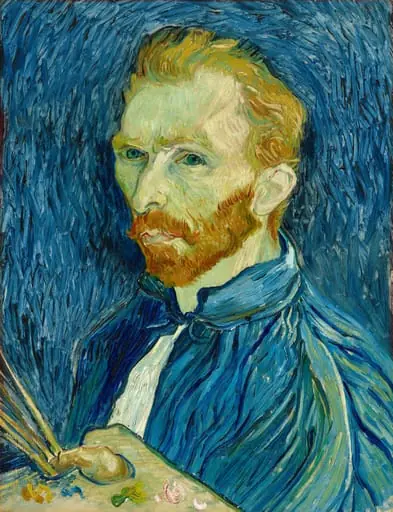
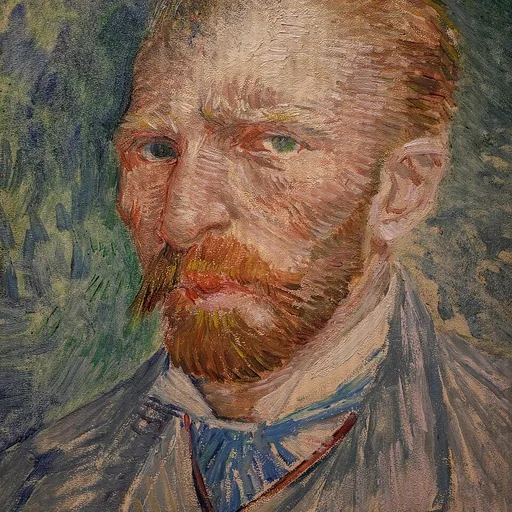
Vincent Willem van Gogh was a Dutch Post-Impressionist painter who is among the most famous and influential figures in the history of Western art.