Artwork
The Sower (after Millet)
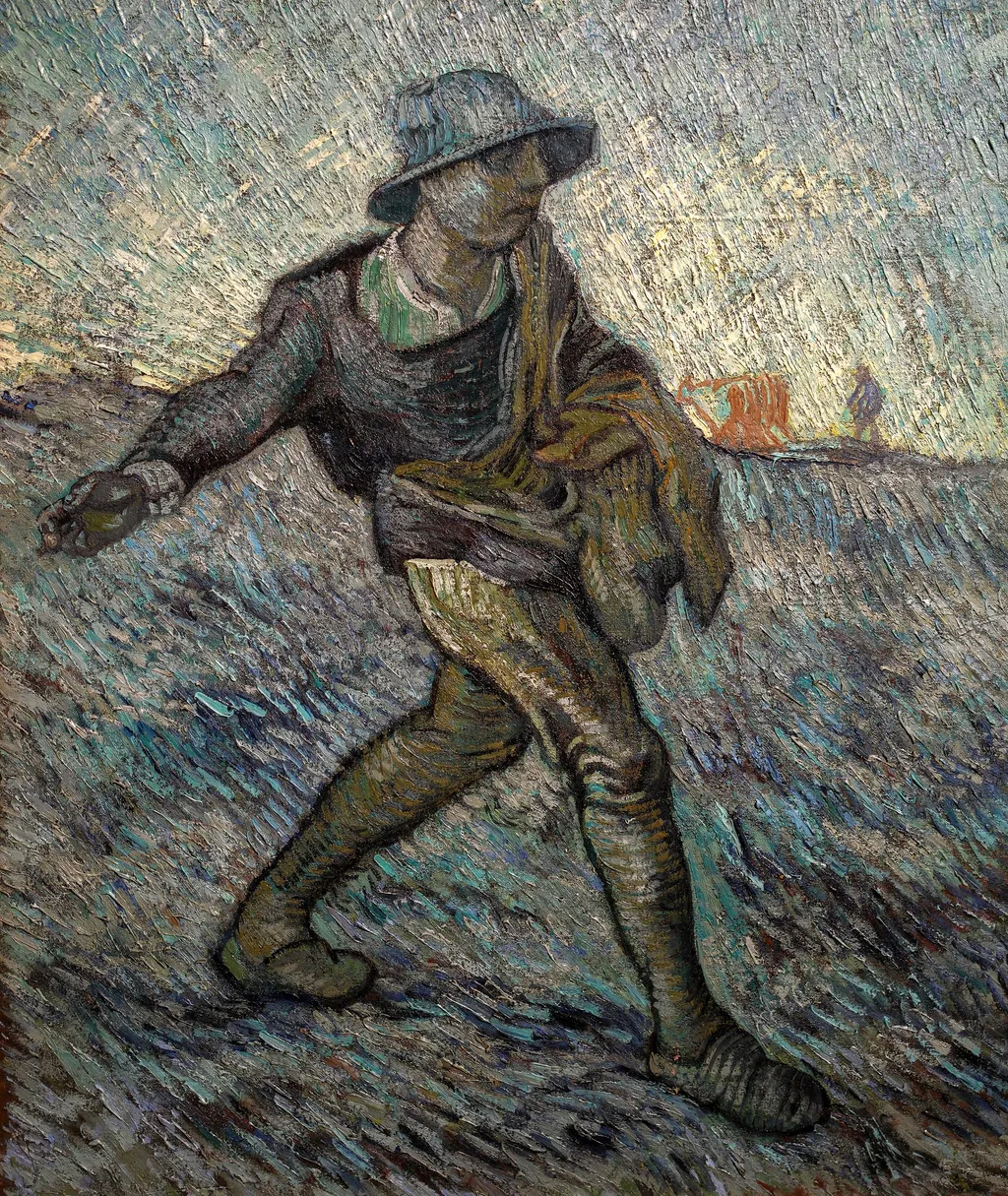
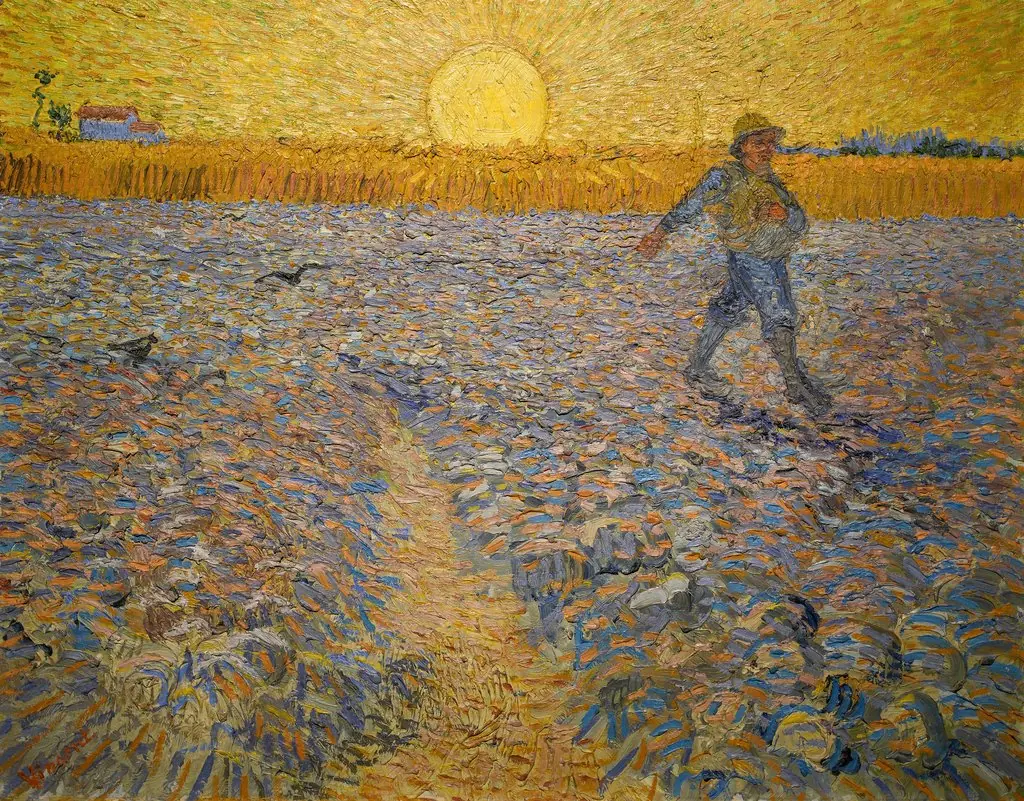
The Sower (after Millet) is an oil painting by the Post-Impressionist artist Vincent van Gogh. It is held in the collection of the Kröller-Müller Museum.
About this work
Overview
Vincent van Gogh painted The Sower (after Millet) in 1895 using oil on canvas. The work is part of the collection of the Kröller‑Müller Museum in the Netherlands and reflects van Gogh’s engagement with agrarian subjects during his later period.
Subject & Meaning
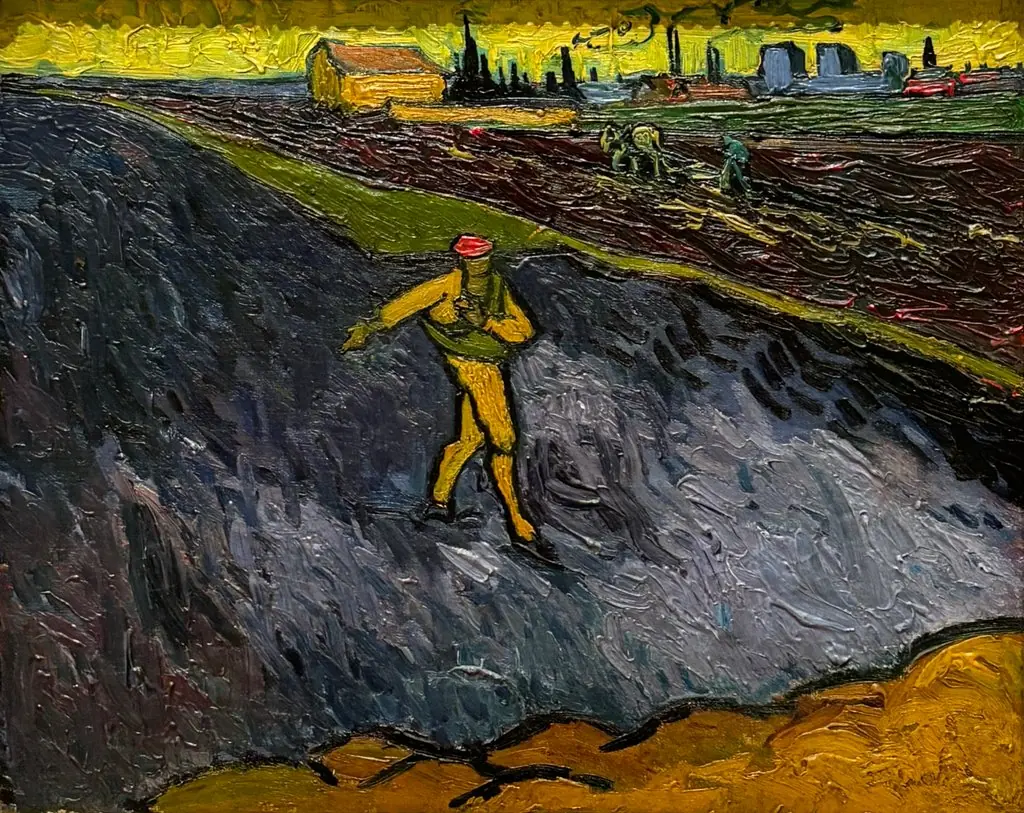
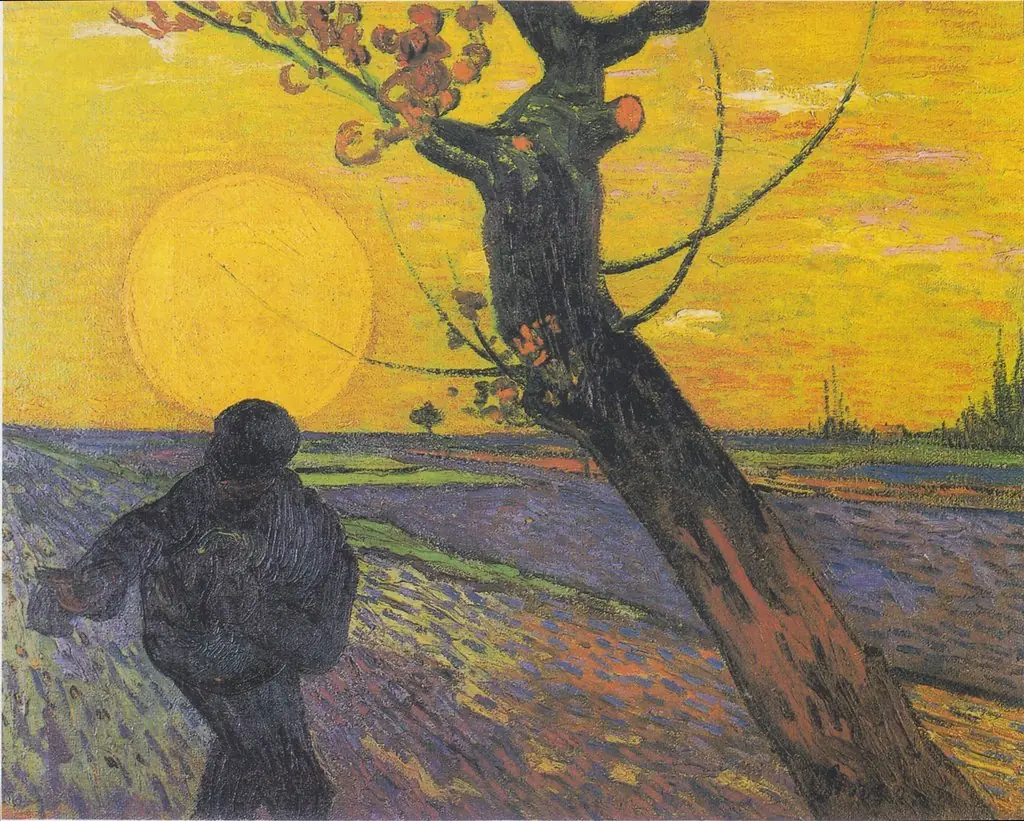
The composition centers on a solitary laborer bent over a field, scattering seed as he walks. Dressed in dark clothing and a hat, the figure’s outstretched arm captures the rhythmic act of sowing, suggesting a timeless connection between human effort and the cycles of nature.
Technique & Style
Van Gogh employs vigorous, visible brushstrokes that animate the scene, while a muted palette of browns, greens, and blues conveys the modest atmosphere of a rural landscape. The background merges field and sky in an impressionistic texture, reinforcing a sense of movement and immediacy.
History & Provenance
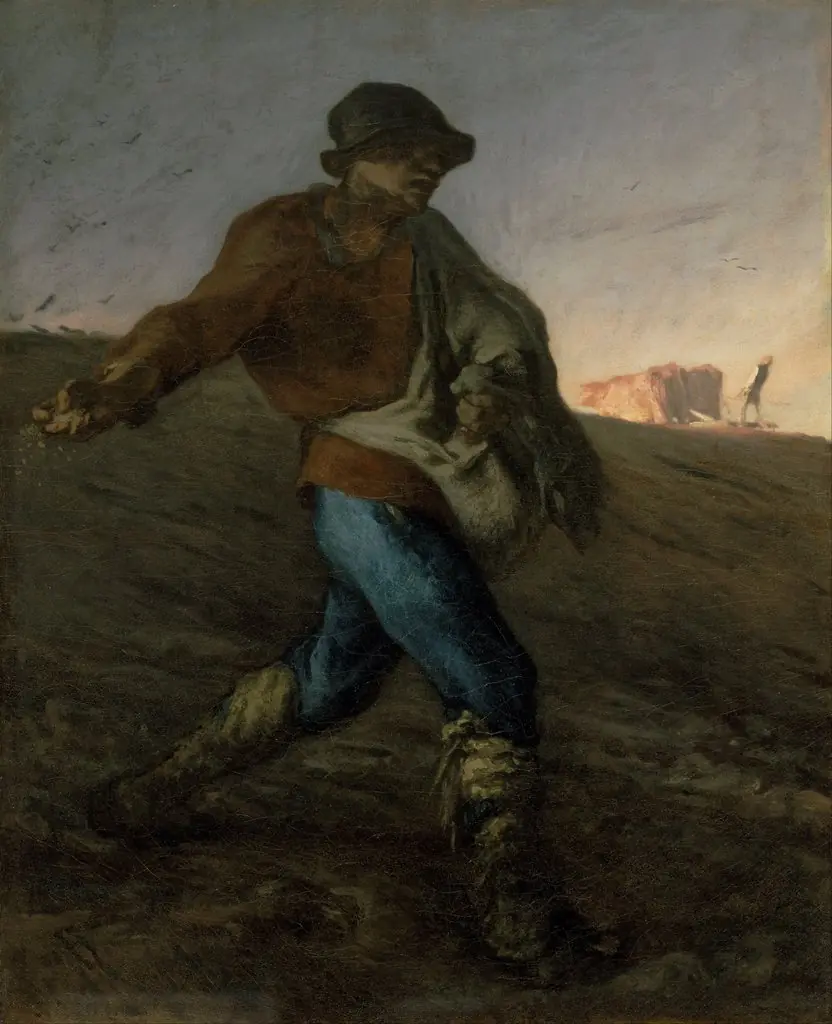
Created shortly before van Gogh’s death, the painting follows his practice of reinterpreting works by Jean‑François Millet, a 19th‑century French realist. The piece entered the Kröller‑Müller Museum’s holdings, where it remains on display as part of the institution’s extensive van Gogh collection.
Own this work as a print
Artist & collection
Artist
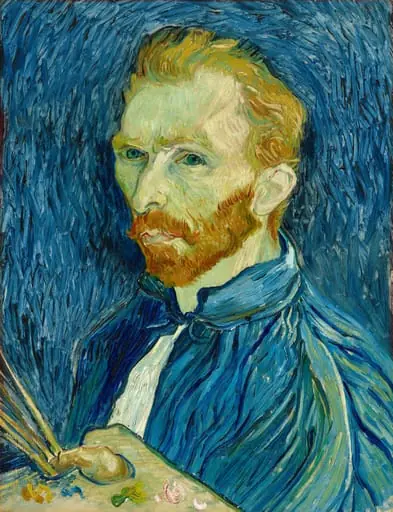
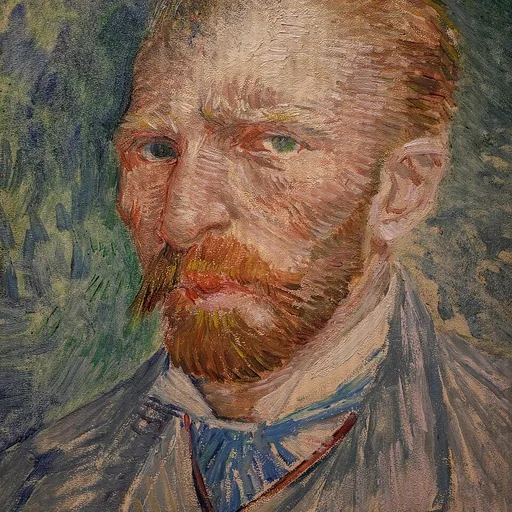
Vincent Willem van Gogh was a Dutch Post-Impressionist painter who is among the most famous and influential figures in the history of Western art.