Artwork
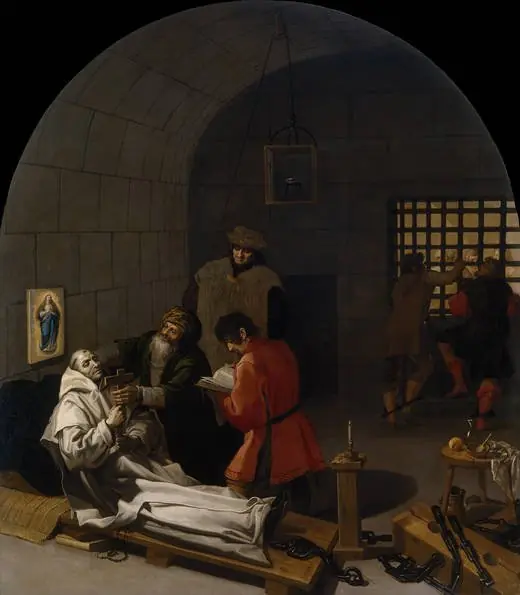
Saint Bruno’s Conversion before the Body of Diocrès
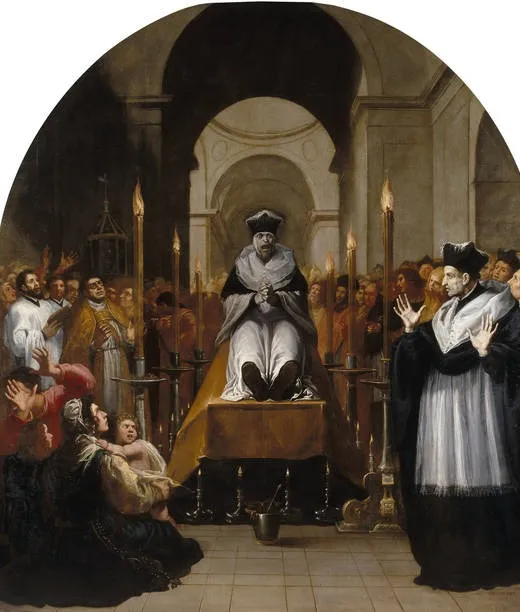
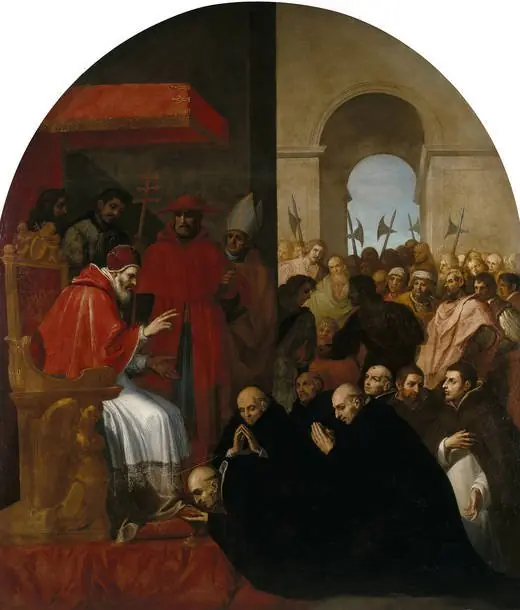
Saint Bruno’s Conversion before the Body of Diocrès is an oil painting by the Early Baroque Italian artist Vincenzo Carducci. It dates from 1626 and is held in the collection of the Museo del Prado.
About this work
Overview
Painted in 1626 by Vincenzo Carducci, an Italian artist active in Spain, this oil-on-canvas work depicts a moment of spiritual turning point.
Painted in 1626 by Vincenzo Carducci, an Italian artist active in Spain, this oil-on-canvas work depicts a moment of spiritual turning point. It is part of the early Baroque tradition, characterized by emotional intensity and dramatic composition. The painting resides in the Museo del Prado’s collection, where it reflects the transnational artistic exchanges of the period between Italian Mannerism and Spanish religious patronage.
Subject & Meaning
The scene portrays Saint Bruno, founder of the Carthusian Order, kneeling before the corpse of Diocrès, a former companion who died in sin. Bruno’s gesture of prayer signifies repentance and divine grace, while the surrounding figures—monks and clergy—react with awe and solemnity. The presence of the dead man underscores themes of mortality, redemption, and the transformative power of faith within the Carthusian spiritual tradition.
Technique & Style
Carducci employs chiaroscuro to heighten the emotional gravity of the moment. Stark contrasts between light and shadow define the figures and architecture, drawing focus to Bruno’s illuminated form. The deep, recessed space behind him, framed by a monumental arch, enhances the sense of sacred isolation. Robes and candlelight are rendered with careful attention to texture, reinforcing the physicality of the spiritual encounter.
History & Provenance
Commissioned during Carducci’s tenure at the Spanish court, the painting likely served a religious institution aligned with Carthusian ideals. It entered the Prado’s holdings in the 19th century, having passed through royal and ecclesiastical collections. Its preservation reflects its continued recognition as a significant example of Italian-influenced Spanish Baroque religious art.
Context
Created during the Counter-Reformation, the painting aligns with Catholic efforts to inspire devotion through vivid, emotionally charged imagery. Carducci’s Italian training merged with Spanish devotional demands, producing works that balanced theatricality with doctrinal clarity. The choice of Saint Bruno—a figure associated with solitude and penitence—resonated with monastic reform movements of the era.
Legacy
Though less widely known than contemporaries like Caravaggio, Carducci’s work contributed to the spread of Italian Baroque techniques in Spain. This painting remains a quiet but potent example of how religious narratives were visualized to evoke introspection. Its presence in the Prado ensures its role in understanding the cross-cultural dynamics of 17th-century sacred art.
Artist & collection
Artist
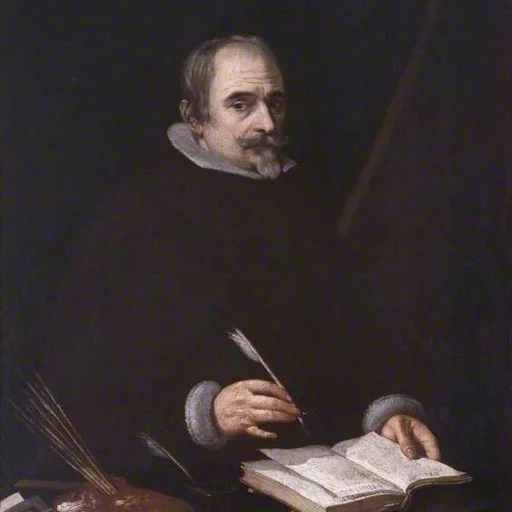
Vincenzio Carduccio (in Spanish, sometimes Vicencio or Vicente Carducho; 1576 or 1578–1638) was an Italian painter who spent his career in Spain.

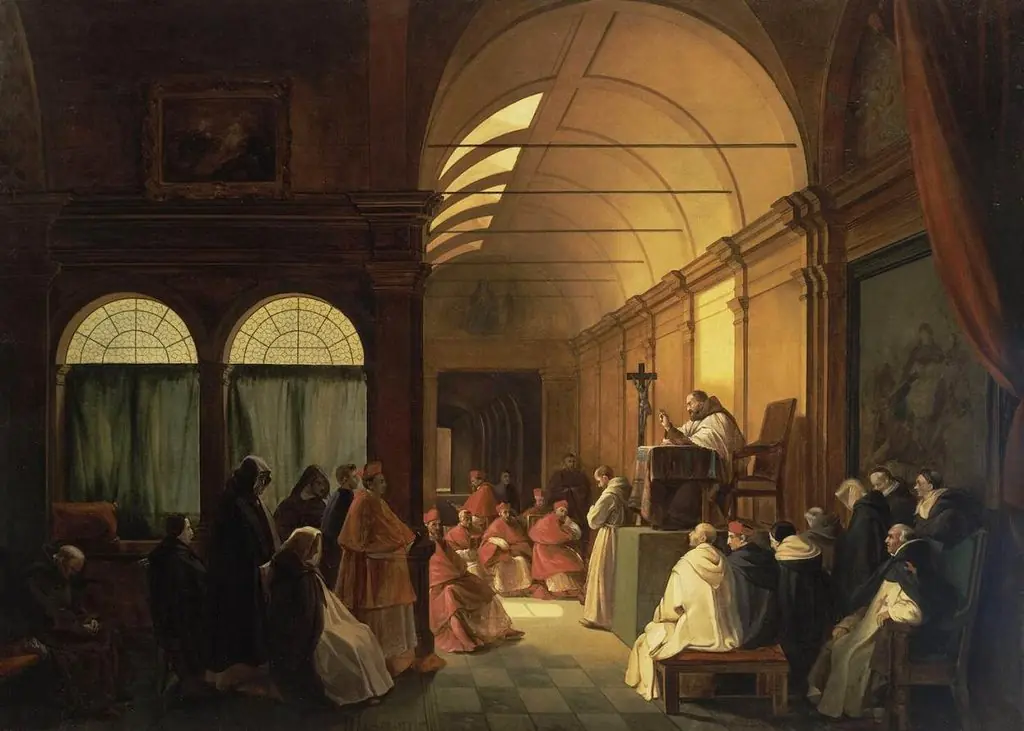 Meeting of the Monastic Chapter
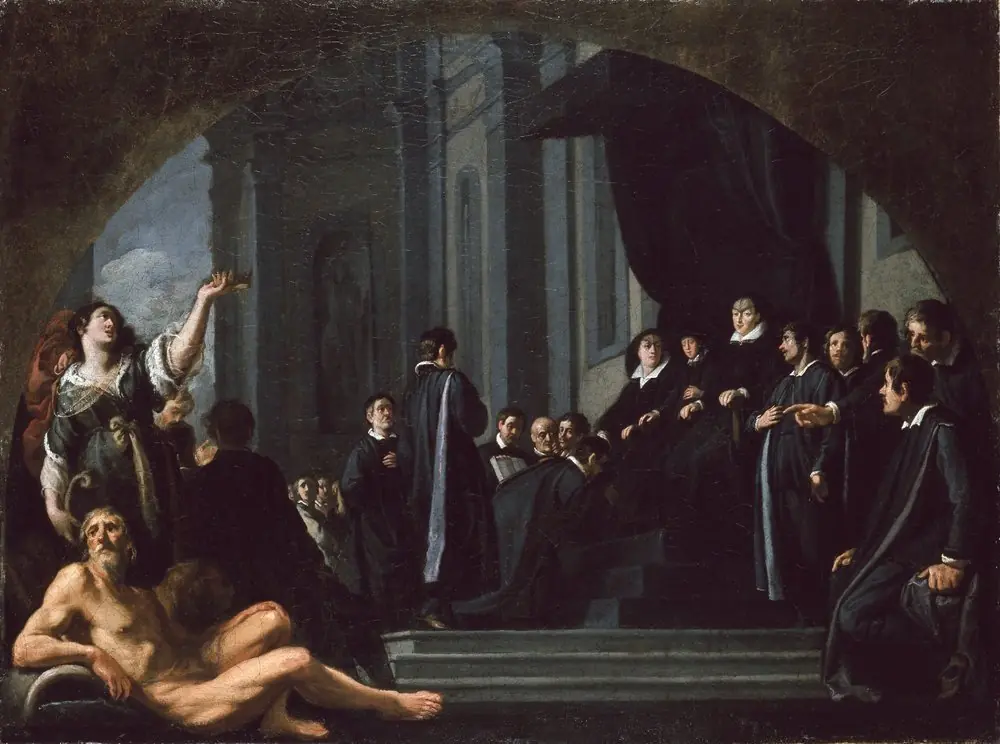 The Senators of Florence swearing Allegiance to Ferdinando II de' Medici
 Saint Ambrose absolves the Emperor Theodosius
 The Communion (A Mass)
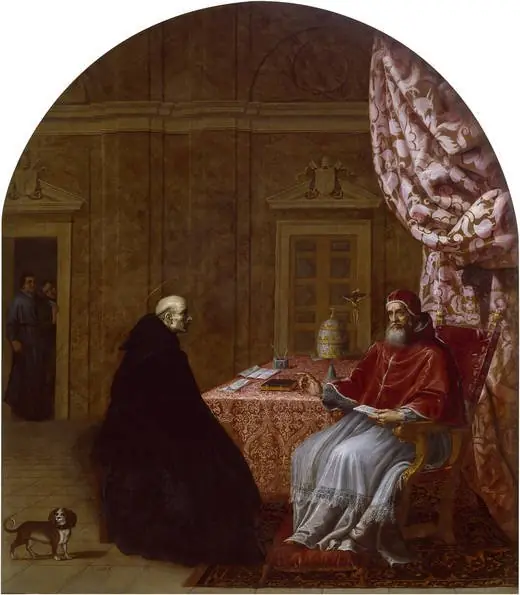
 Saint Bruno and his Six Companions Visit Saint Hugo
 The death of Charles V
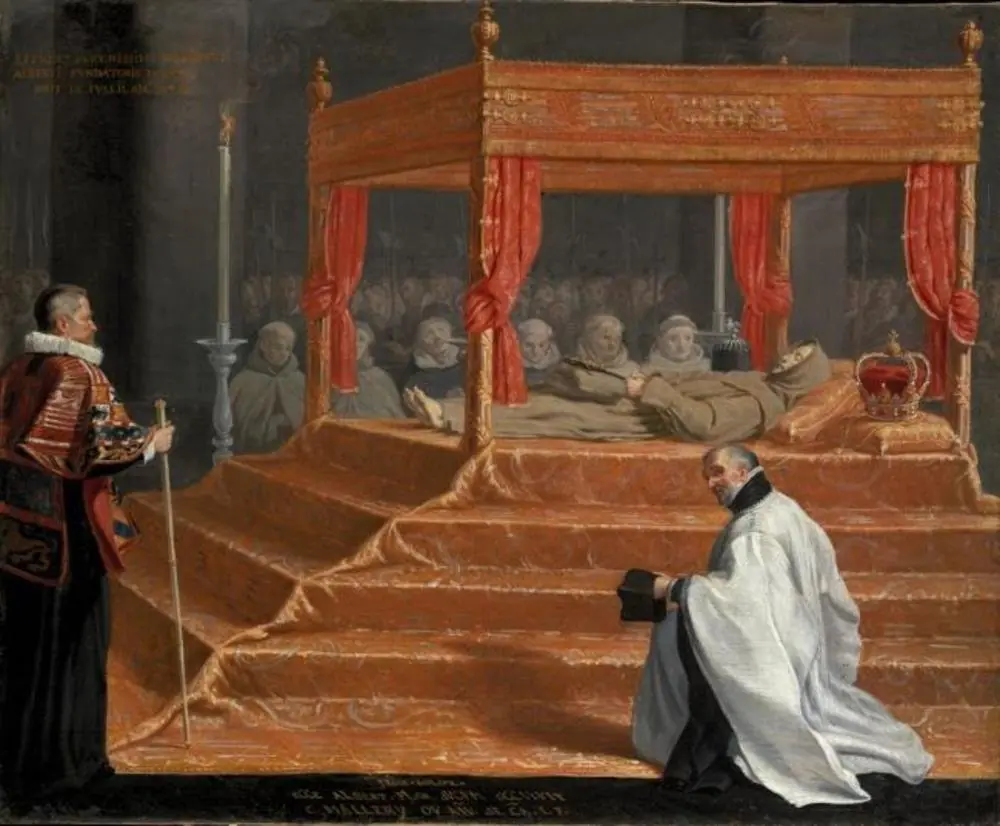 Albert VII on the Catafalque
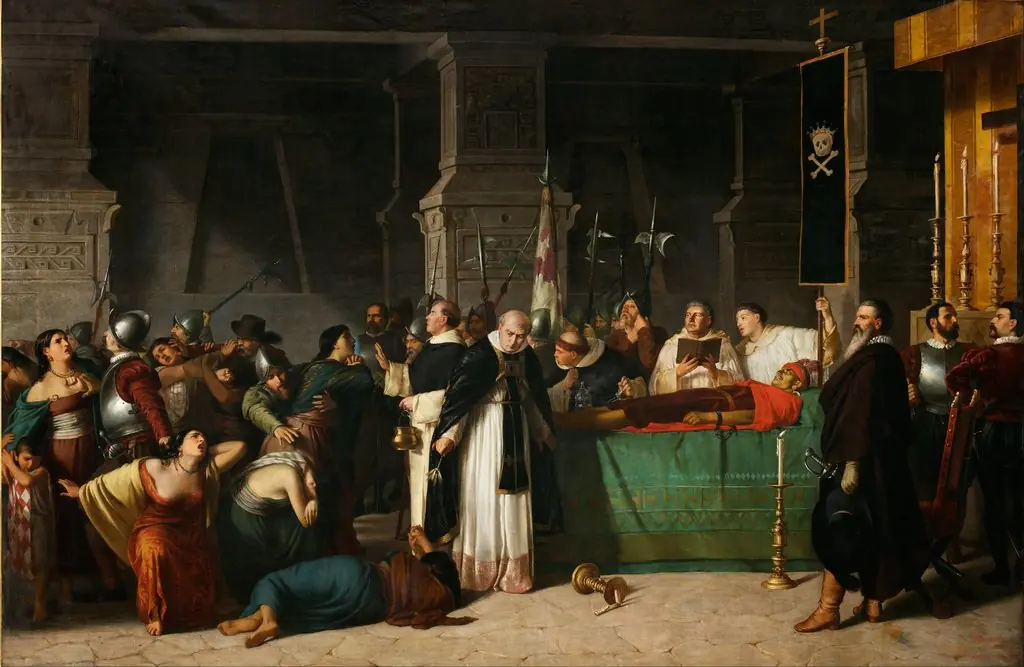 The Funerals of Inca Atahualpa
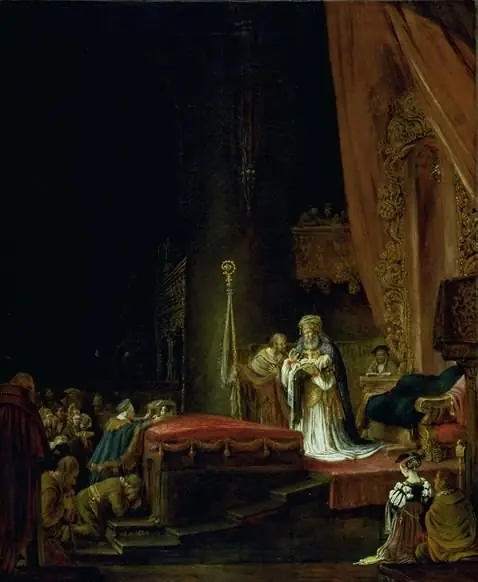 The Presentation in the Temple
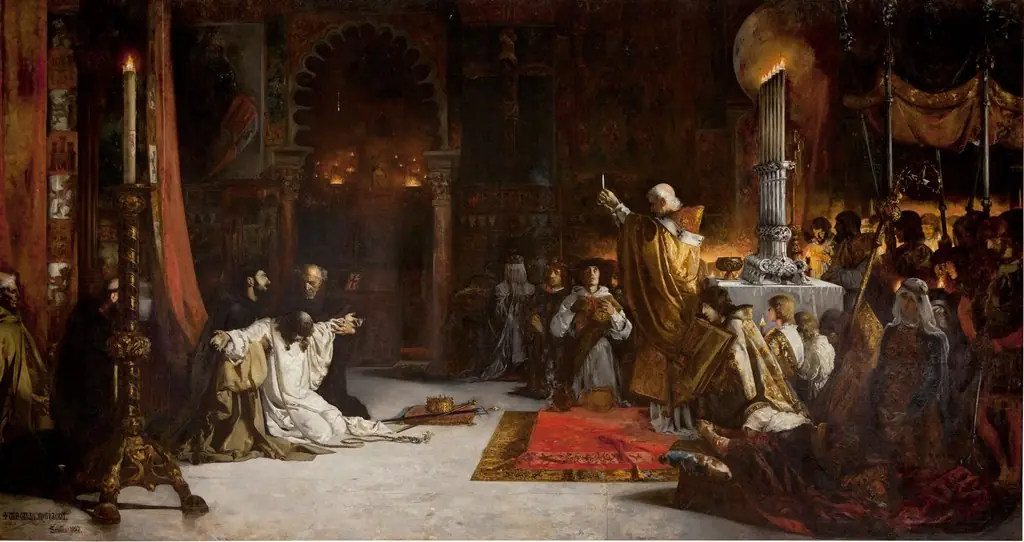 Las postrimerías de Fernando III el Santo
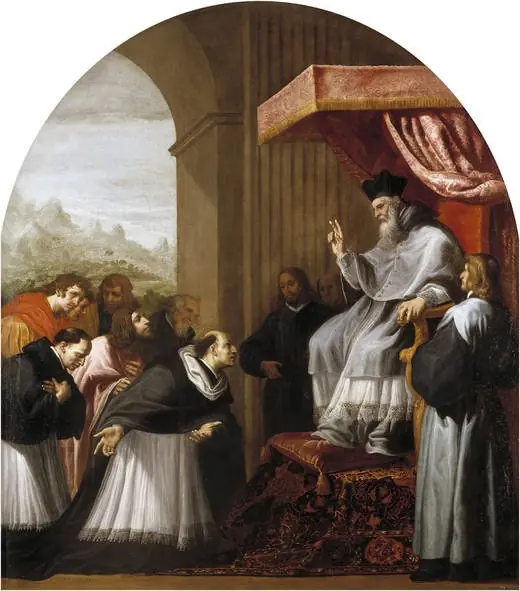
 Saint Bruno and his Companions before Urban II