Artwork
Porträt der Nadezhda Ivanovna Dubovitskaya
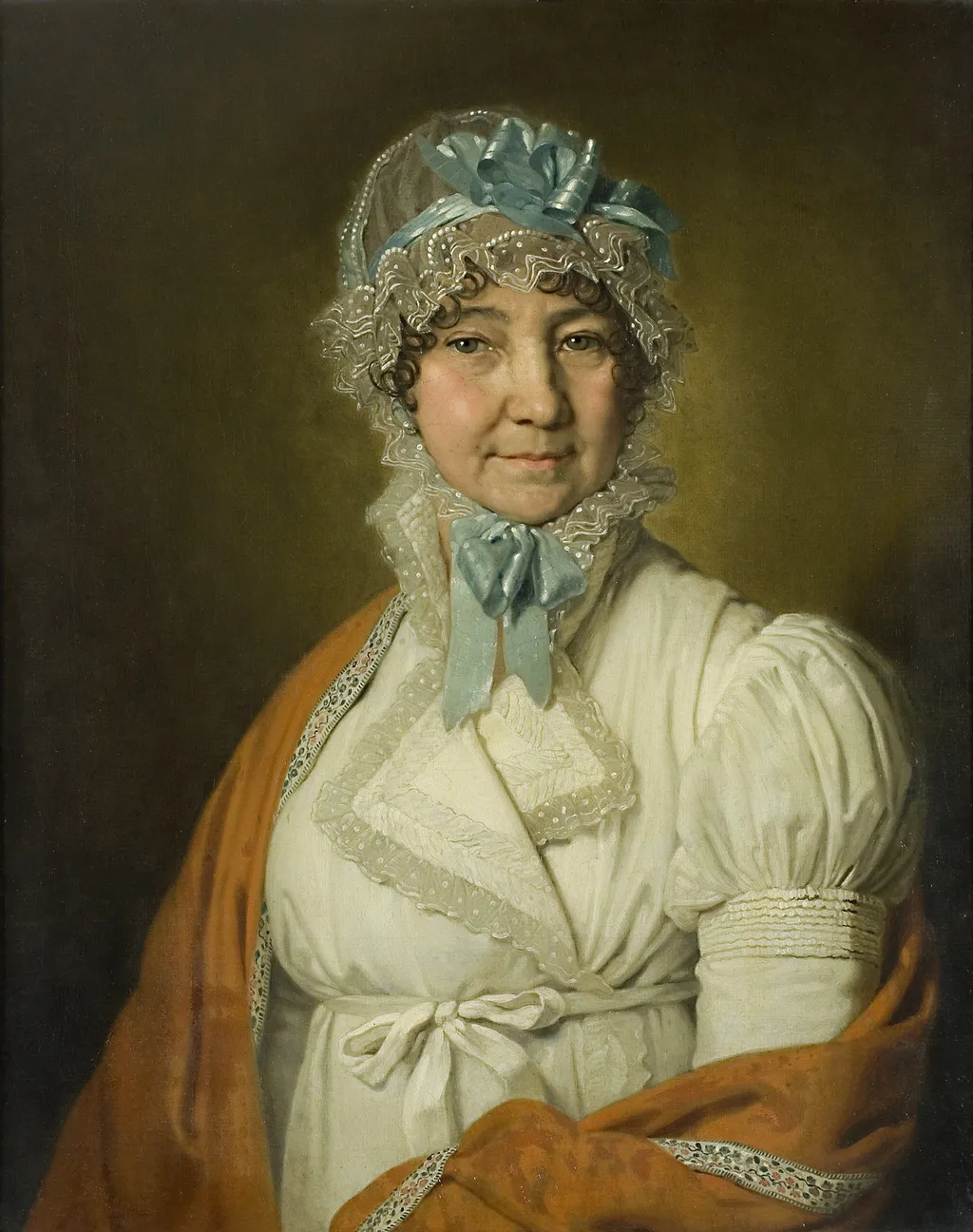
Porträt der Nadezhda Ivanovna Dubovitskaya is an oil painting by Vladimir Borovikovsky. It dates from 1809 and is held in the collection of the Tretyakov Gallery.
About this work
The painting is a beautiful example of the artist's work, and it is worth exploring more of their pieces to see how they developed their style over time.
This portrait depicts a woman in a white dress with a lace collar and a blue ribbon tied around her neck. She wears a white bonnet adorned with a blue ribbon and a bow on top, and a brown shawl is draped over her shoulders. The background of the painting is a warm, golden color.
The woman's attire and hairstyle suggest that the painting was created in the early 19th century. The level of detail in the painting, particularly in the woman's clothing and accessories, indicates that the artist was skilled in capturing the subtleties of texture and fabric.
The painting is a beautiful example of the artist's work, and it is worth exploring more of their pieces to see how they developed their style over time. To learn more, look up Vladimir Borovikovsky.
Overview
Vladimir Borovikovsky’s 1809 oil portrait presents Nadezhda Ivanovna Dubovitskaya, a young woman dressed in a white gown with a lace collar, a blue ribbon at her throat, and a matching bonnet topped by a bow. A brown shawl rests on her shoulders, while a warm golden backdrop frames the composition, typical of early‑19th‑century Russian portraiture.
Subject & Meaning
The sitter, Nadezhda Ivanovna Dubovitskaya, is portrayed with a calm, dignified bearing, her attire and modest accessories reflecting the social conventions of Russian gentility at the time. The restrained palette and gentle illumination emphasize her personal presence rather than overt symbolism, suggesting an intent to record her likeness and status within her contemporary milieu.
Technique & Style
Executed in oil on canvas, Borovikovsky renders the textures of silk, lace, and fur with meticulous brushwork, capturing subtle variations of light on the fabric. The soft modeling of the face and the delicate handling of the bonnet’s ribbons demonstrate the artist’s mastery of chiaroscuro and his capacity to convey materiality within a restrained, classical composition.
History & Provenance
Created while Borovikovsky served the court of Catherine the Great, the portrait entered the Tretyakov Gallery’s collection, where it remains on display. Its acquisition reflects the gallery’s focus on Russian portraiture of the late 18th and early 19th centuries, preserving a representative work of the artist’s later period.
Context
At the turn of the 19th century, Borovikovsky was a leading portraitist in Russia, known for blending Western academic techniques with native sensibilities. This work exemplifies his transition from the ornate Baroque influences of his early career toward a more restrained, Enlightenment‑inspired aesthetic that appealed to the emerging Russian bourgeoisie.
Own this work as a print
Artist & collection
Artist
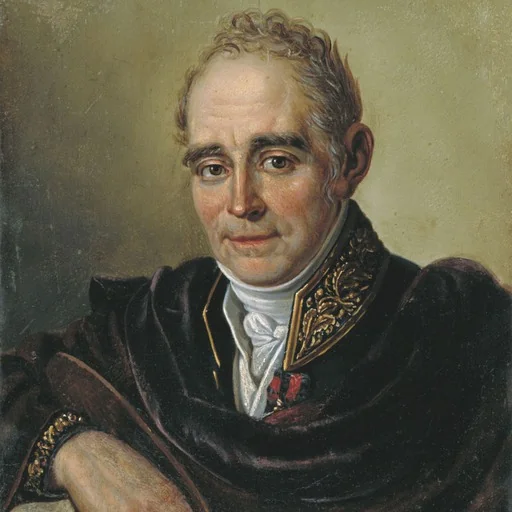
Vladimir Lukich Borovikovsky (August 4 1757 – April 18 1825) was a Russian artist of Ukrainian Cossack origin. He served at the court of Catherine the Great and dominated portraiture in Russia at the turn of the 19th century.

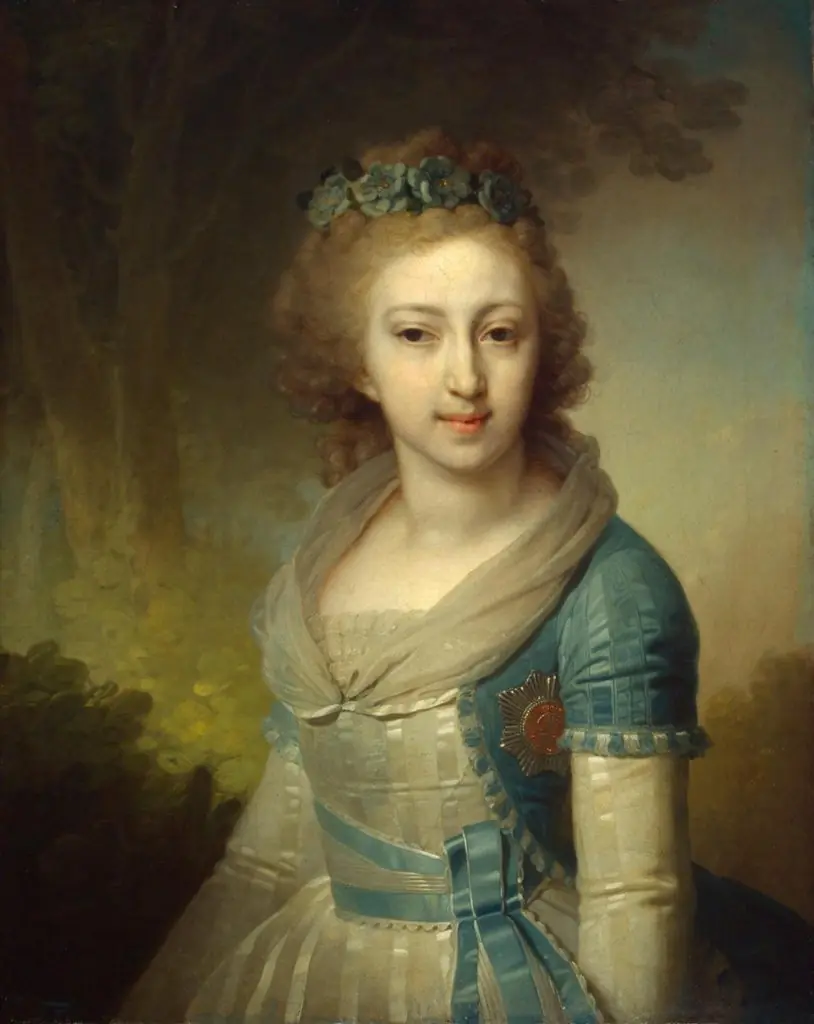 Portrait of Grand DuchessYelena Pavlovna
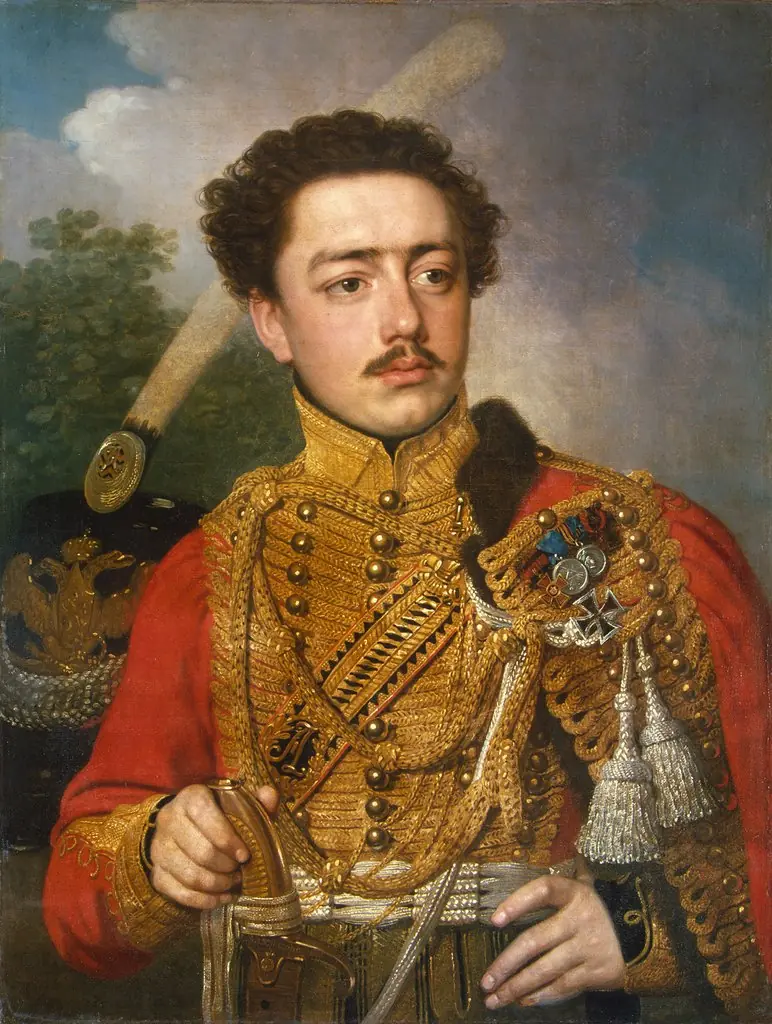 Portrait of Pavel Masyukov, the Cavalry Captain of the Life-Guards Hussar Regiment
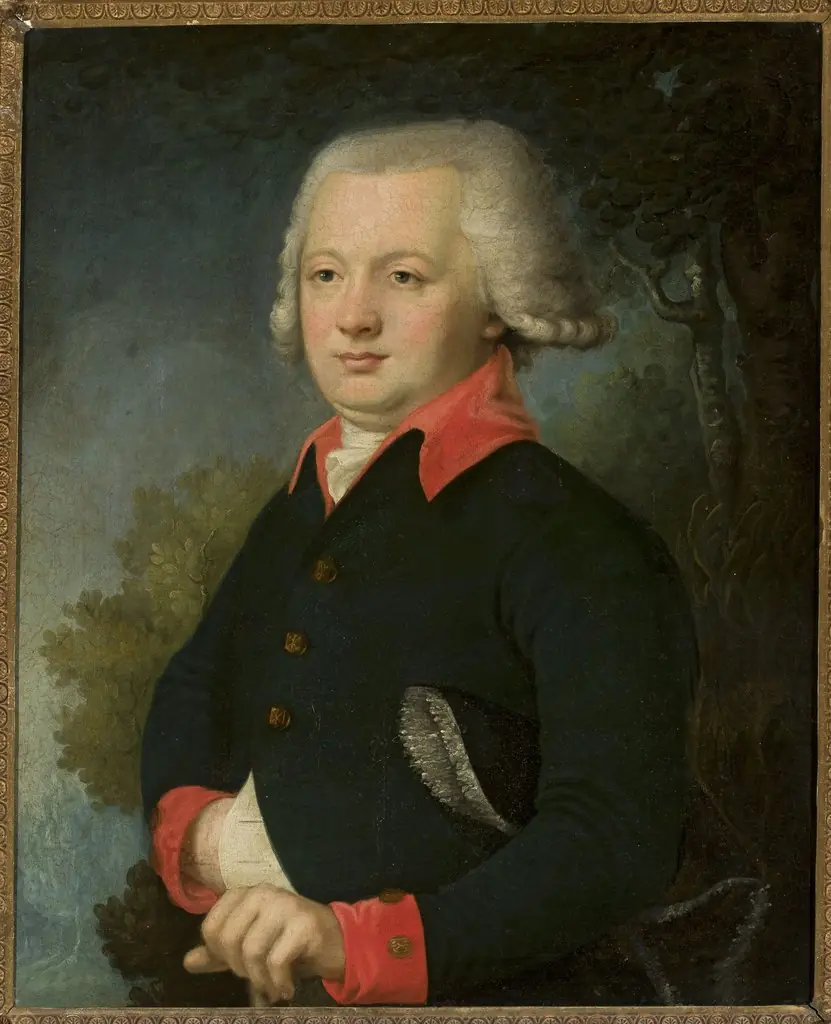 Portrait of a young man
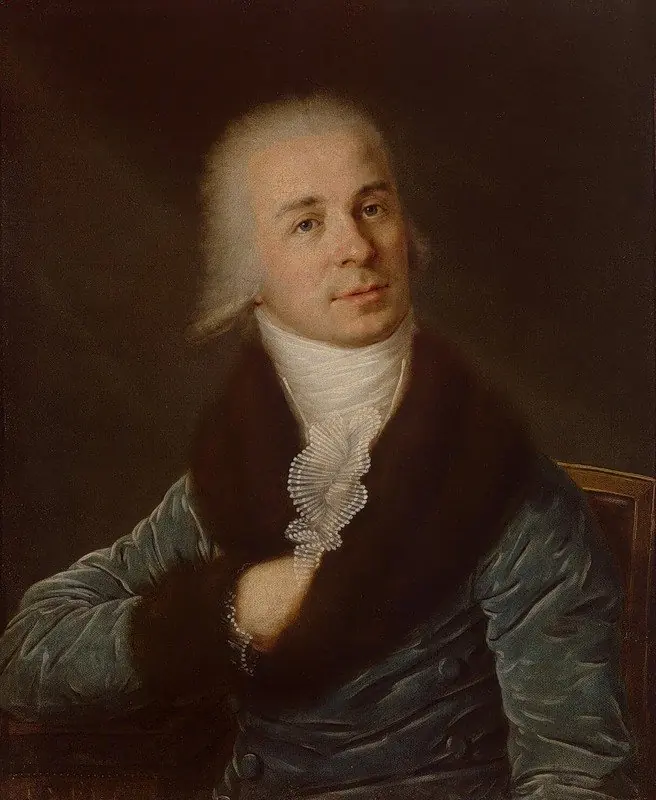 Portrait of Gavrila Derzhavin
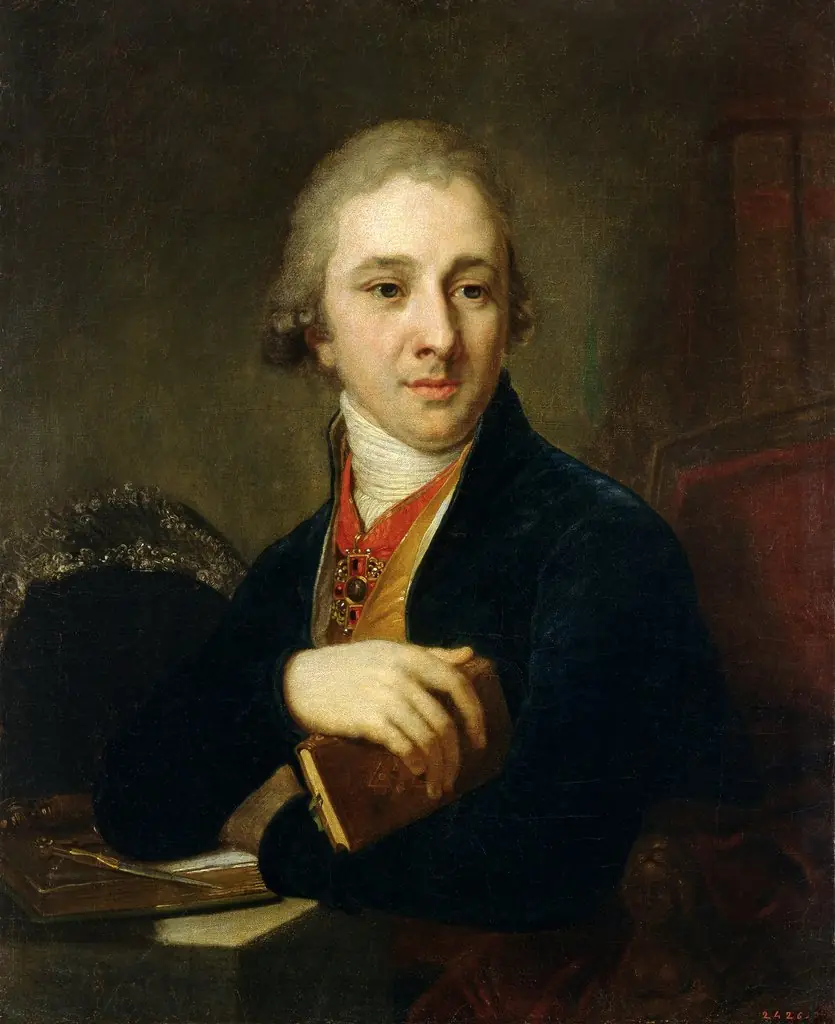 "Portrait of Alexander Labzin" (1766-1825)
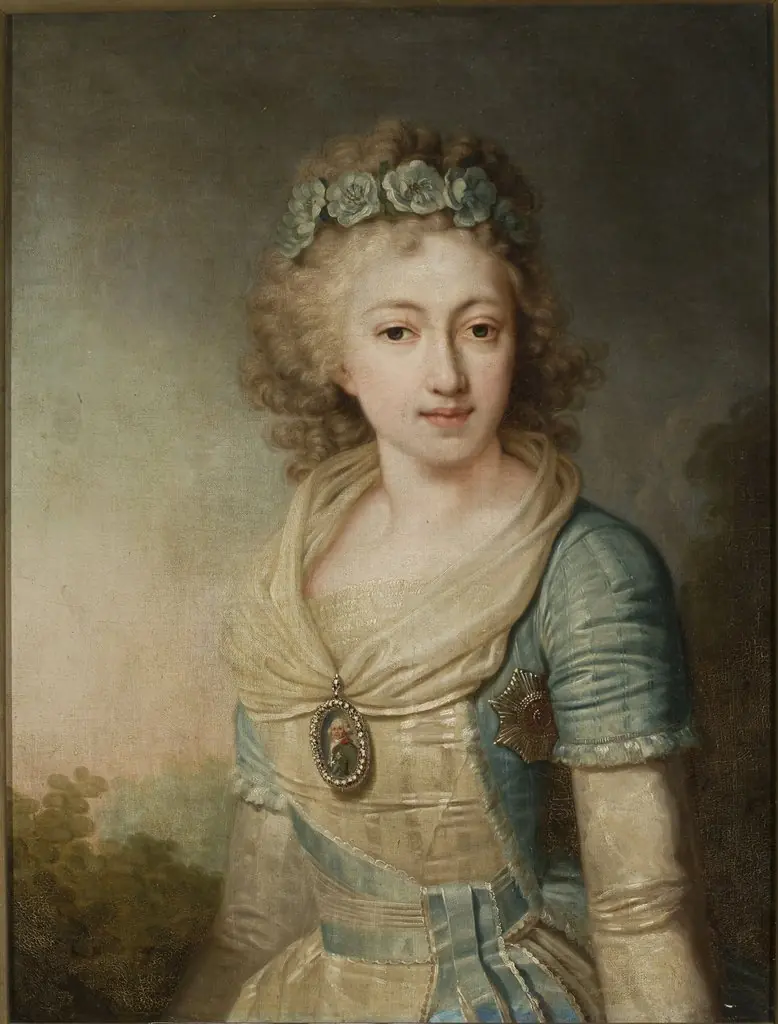 Portrait of Paul I’s daughter – Helena
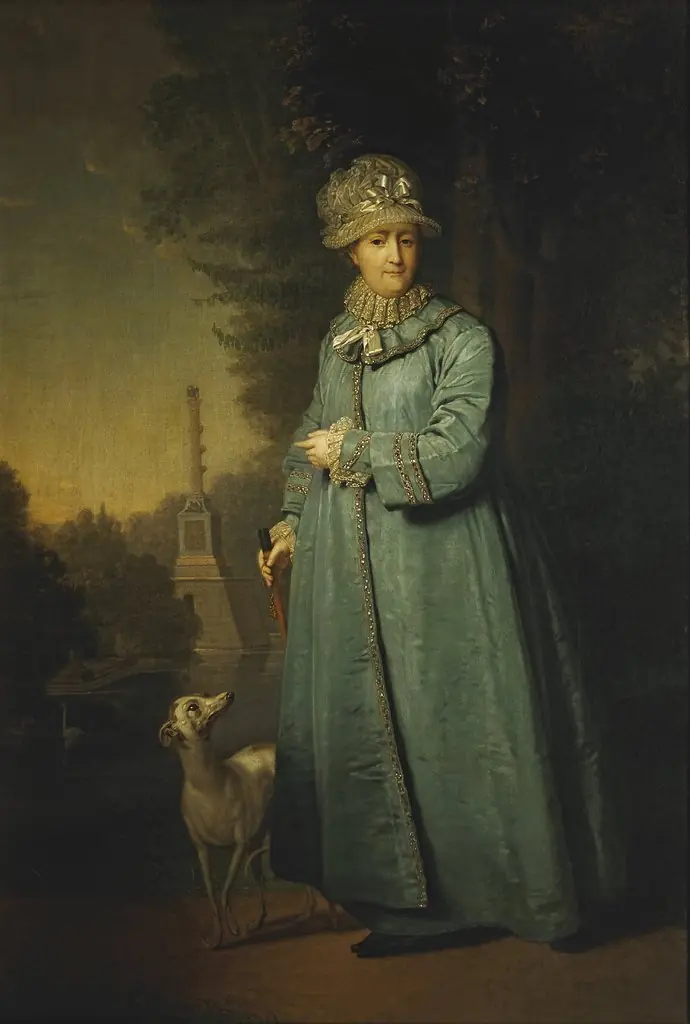 Catherine II during a walk in the Tsarskosyelsky Park
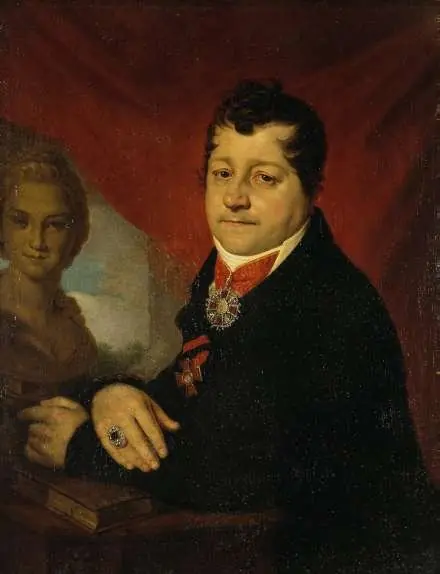 Portrait of Sergei Yakovlev
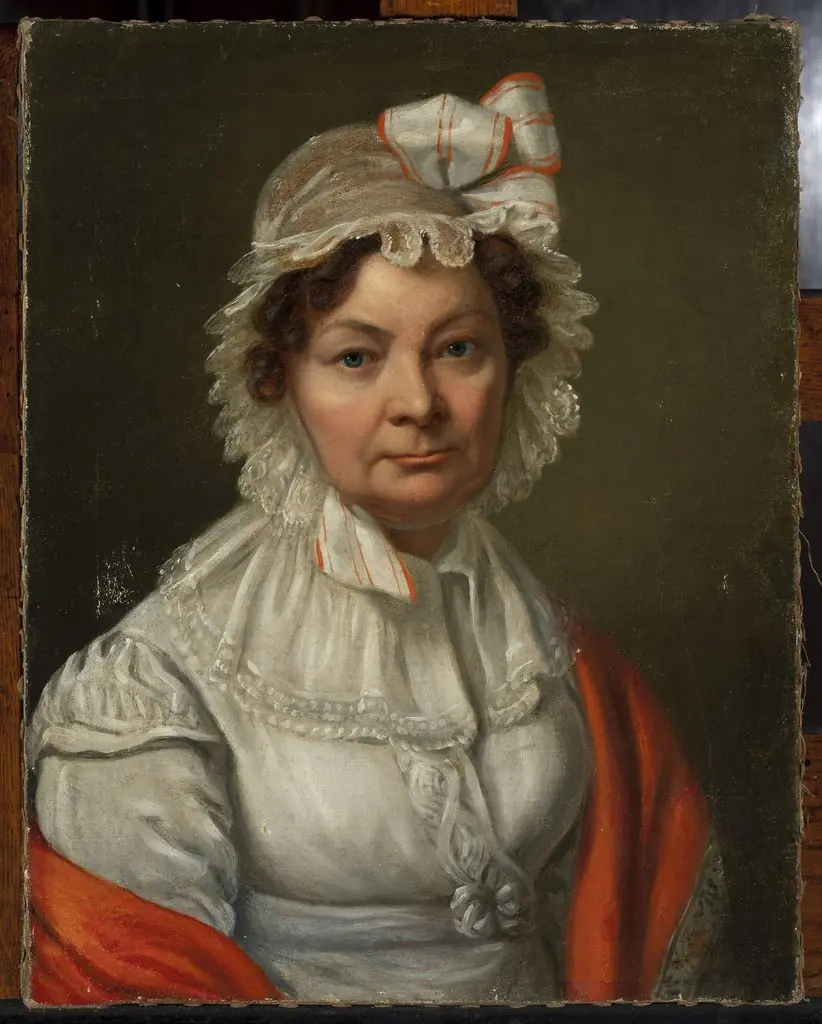 Portrait of a woman in a red scarf
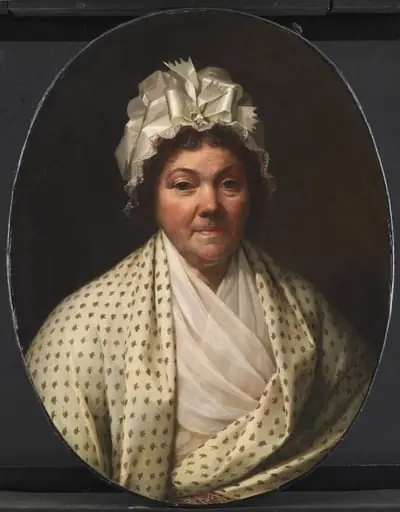 Cecilie Marie Elisabeth Schouw, f. Bagge, Poul Johan Schouws hustru
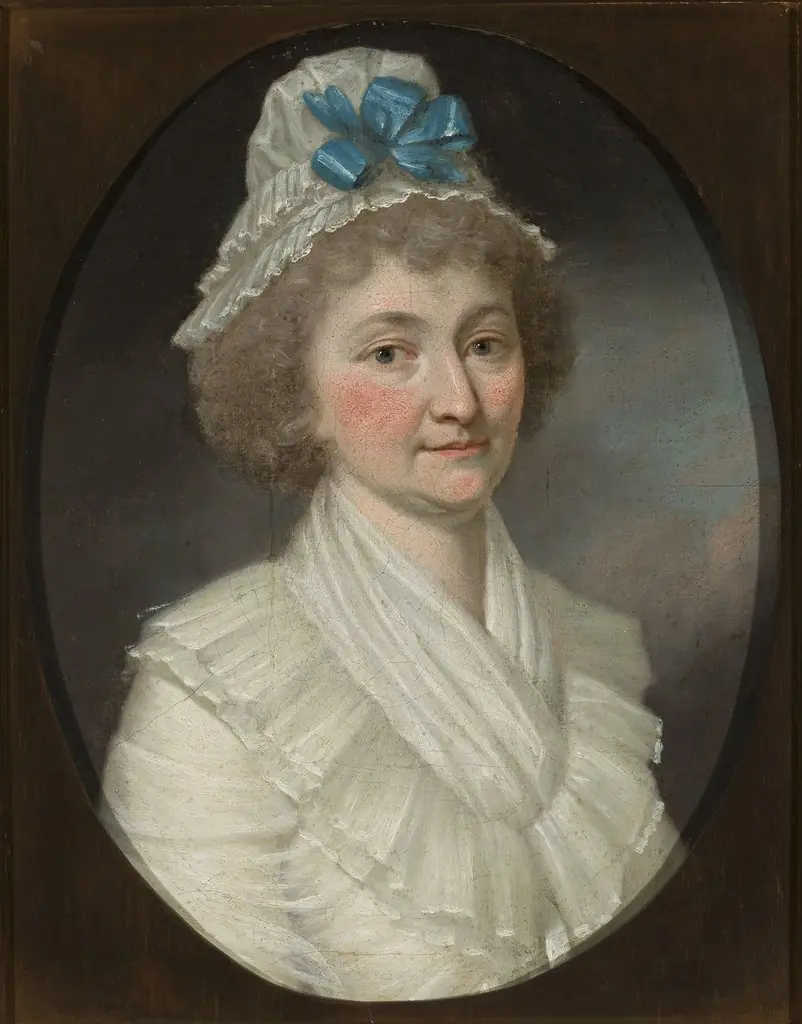 Portrait of Magdalena Węglińska
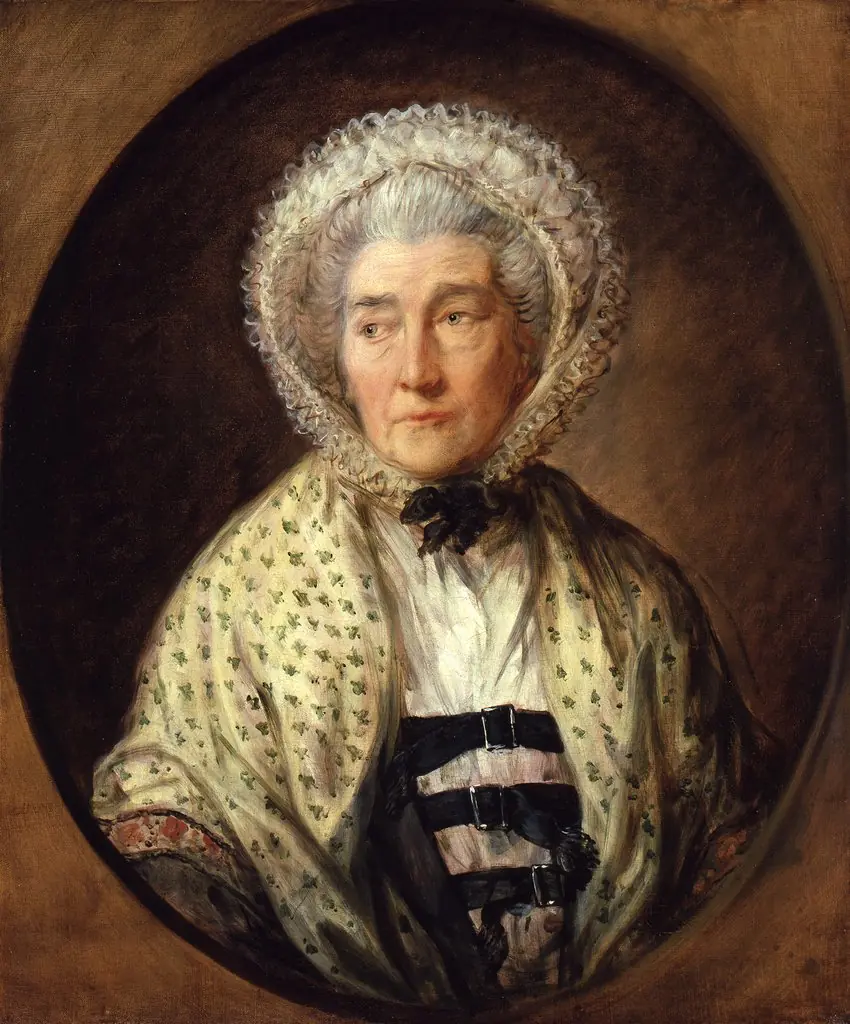 Mrs. Robert Hingeston (died 1793)
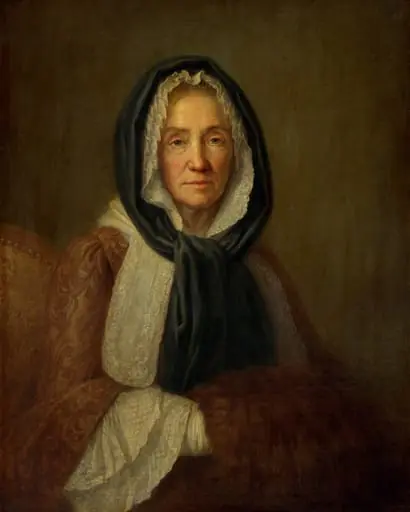 Old Woman with a Muff
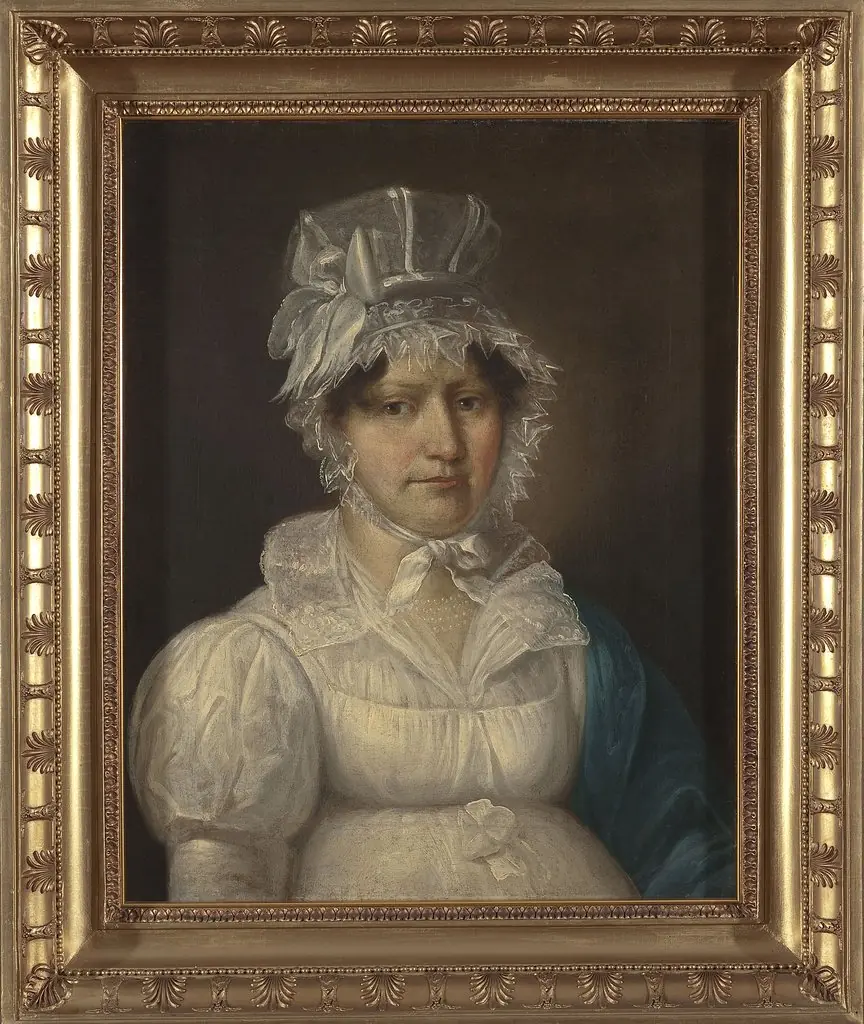 Portrait of Elżbieta Pade (d. 1833), wife of Marcin
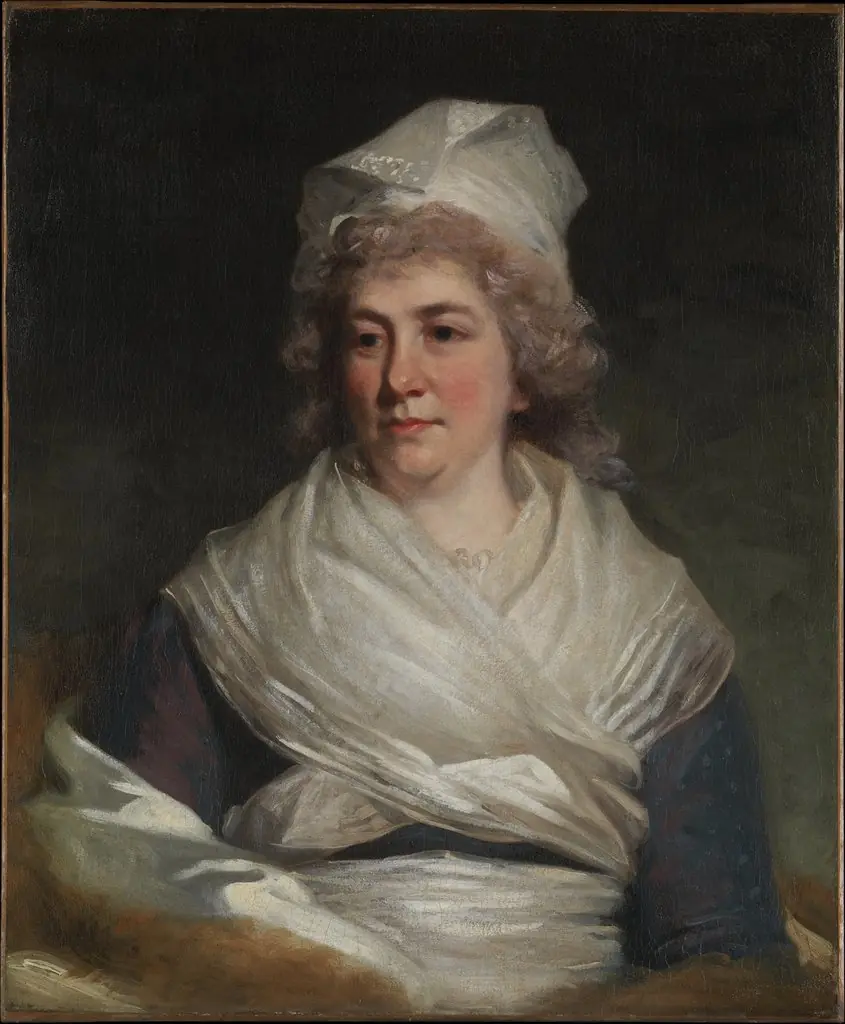 Mrs. Richard Bache (Sarah Franklin, 1743–1808)
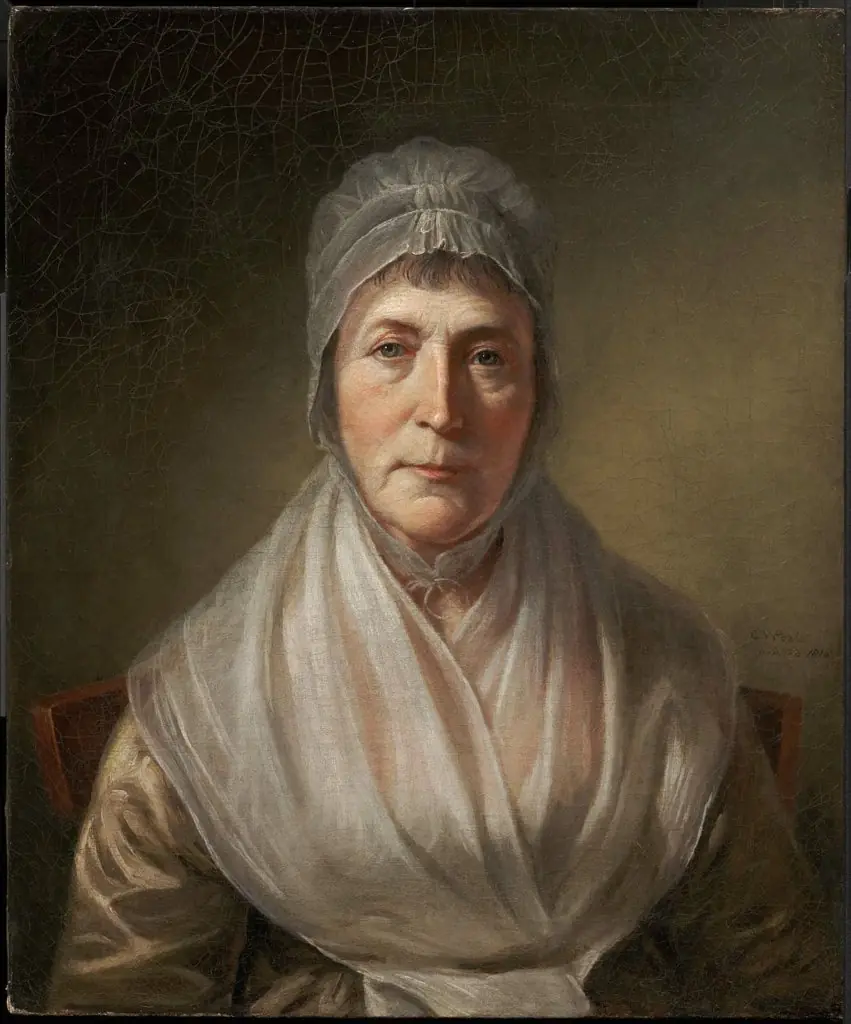 Mrs. Charles Willson Peale (Hannah Moore)
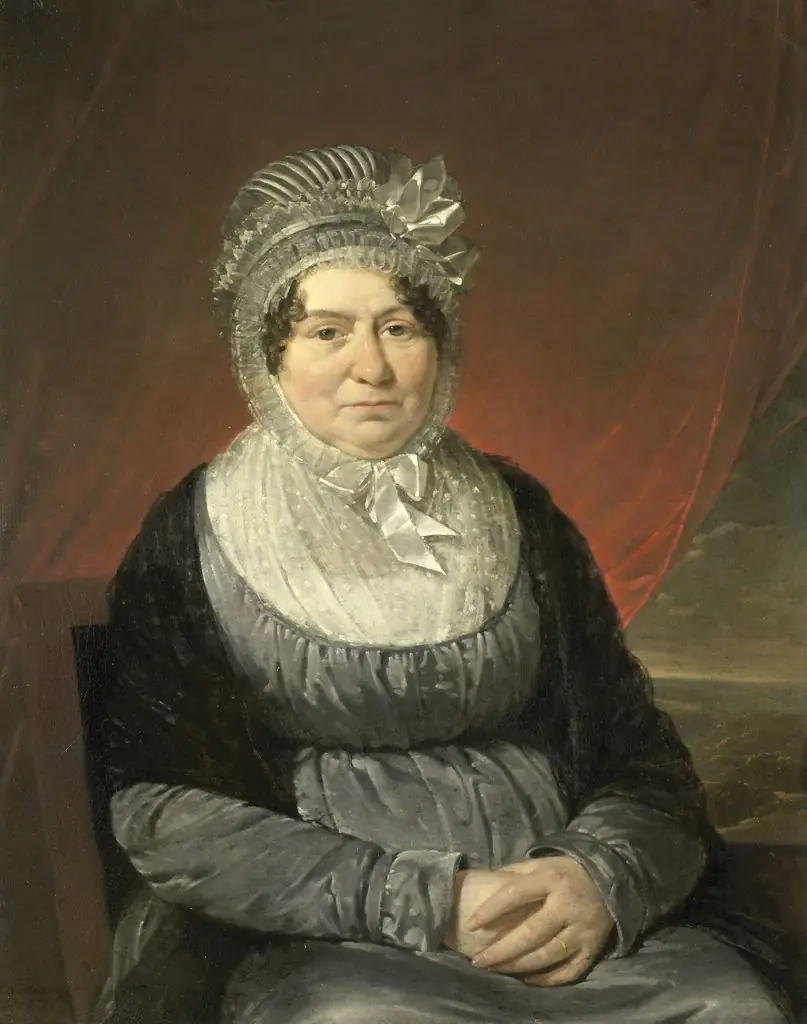 Portrait of Mrs. Brak-Haskenhoff
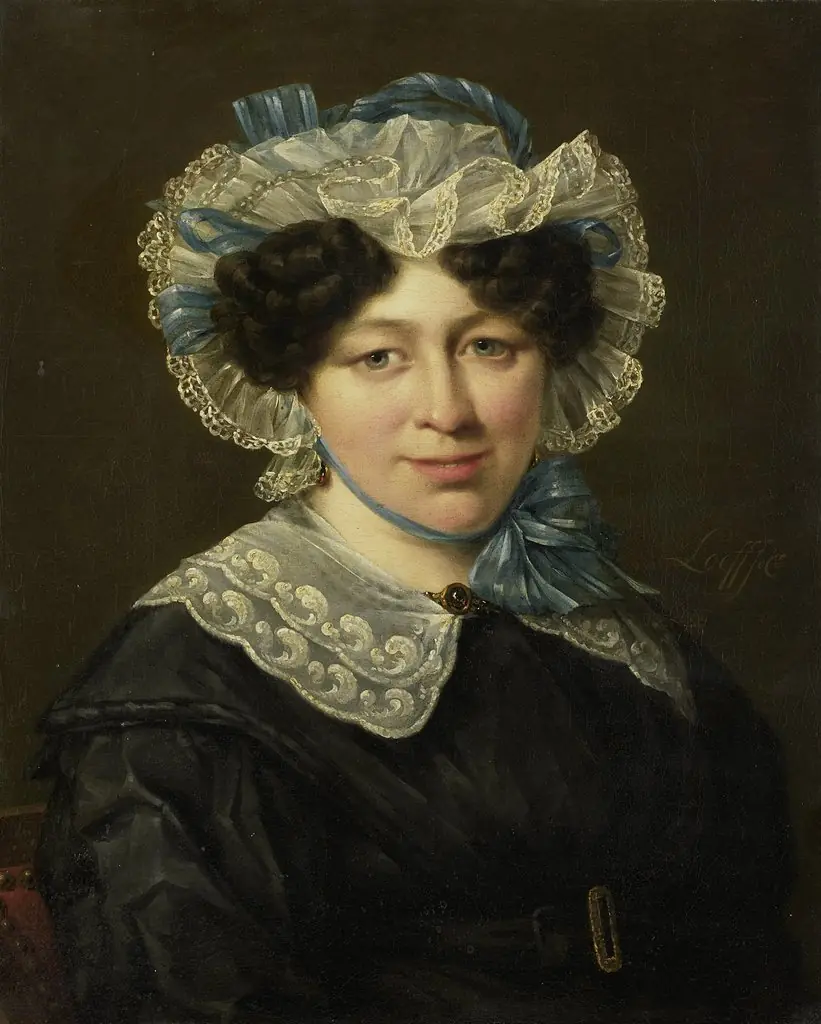 Portrait of Maria Adriana van der Sluys, Wife of Hermanus Martinus Eekhout
 Портрет баронессы В.С. Васильевой
 Porträt der Ye. A. Arkharova