Artwork
Portrait of Gavrila Romanovich Derzhavin
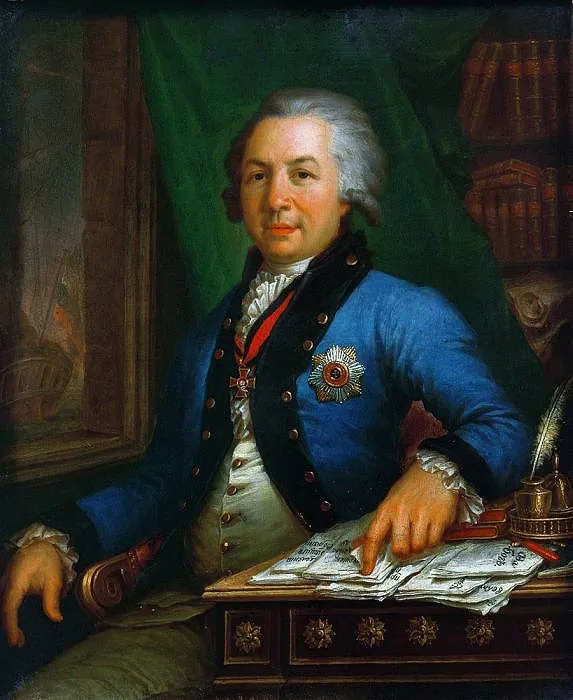
Portrait of Gavrila Romanovich Derzhavin is an oil painting by Vladimir Borovikovsky. It dates from 1798 and is held in the collection of the Tretyakov Gallery. Painted in 1798, this oil-on-canvas portrait captures Gavrila Romanovich Derzhavin, a prominent Russian statesman and poet.
About this work
Overview
It is now part of the collection at the Tretyakov Gallery in Moscow, where it remains a key example of civic portraiture from the era.
Painted in 1798, this oil-on-canvas portrait captures Gavrila Romanovich Derzhavin, a prominent Russian statesman and poet. Executed by Vladimir Borovikovsky, a leading portraitist of the Russian imperial court, the work reflects the formal elegance of late 18th-century Russian aristocratic portraiture. It is now part of the collection at the Tretyakov Gallery in Moscow, where it remains a key example of civic portraiture from the era.
Subject & Meaning
Gavrila Derzhavin was a respected figure in Catherine the Great’s administration and a celebrated poet whose literary works shaped Russian cultural identity. The portrait presents him not as a noble in ceremonial dress, but as an intellectual at work: seated at a desk, hand resting on documents, quill nearby. The composition emphasizes his role as a man of letters and governance, blending dignity with quiet authority.
Technique & Style
Borovikovsky employed soft, controlled brushwork to render texture and light, particularly in the fabric of Derzhavin’s blue jacket and white shirt. The red sash draws attention without overwhelming the composition. The dark green curtain behind him creates depth, while the faint outline of a painting on the wall adds subtle context. The lighting is even and naturalistic, avoiding theatricality in favor of restrained realism.
History & Provenance
Commissioned during Derzhavin’s tenure as a high-ranking official, the portrait was likely intended to affirm his status within the imperial elite. It remained in private or state collections until entering the Tretyakov Gallery’s holdings in the 19th century. Its preservation reflects its significance as a document of Russia’s cultural and political elite during the transition from Catherine’s reign to the early 1800s.
Context
In late 18th-century Russia, portraiture served both personal and political functions. Borovikovsky, trained in the Ukrainian Cossack tradition and influenced by European styles, helped redefine Russian portraiture by emphasizing psychological presence over ornamental display. Derzhavin’s image, amid a climate of Enlightenment ideals, aligns with broader efforts to portray state figures as thoughtful, civic-minded individuals.
Legacy
The portrait endures as a representative work of Borovikovsky’s mature style and a visual record of Derzhavin’s public persona. It contributes to the understanding of how Russian intellectuals were visually framed during a period of cultural consolidation. Unlike later Romantic depictions, it avoids idealization, offering instead a measured, human presence that resonates with historical authenticity.
Artist & collection
Artist
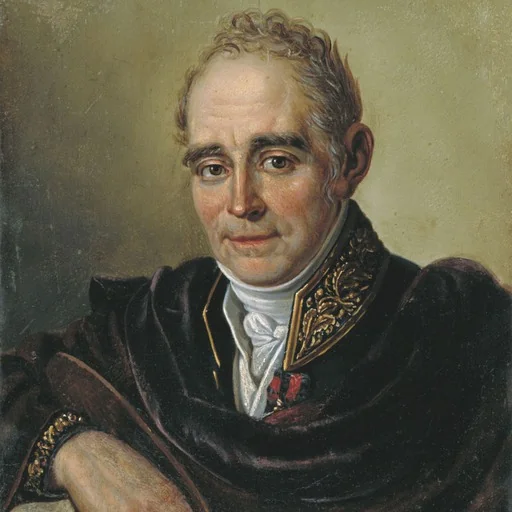
Vladimir Lukich Borovikovsky (August 4 1757 – April 18 1825) was a Russian artist of Ukrainian Cossack origin. He served at the court of Catherine the Great and dominated portraiture in Russia at the turn of the 19th century.

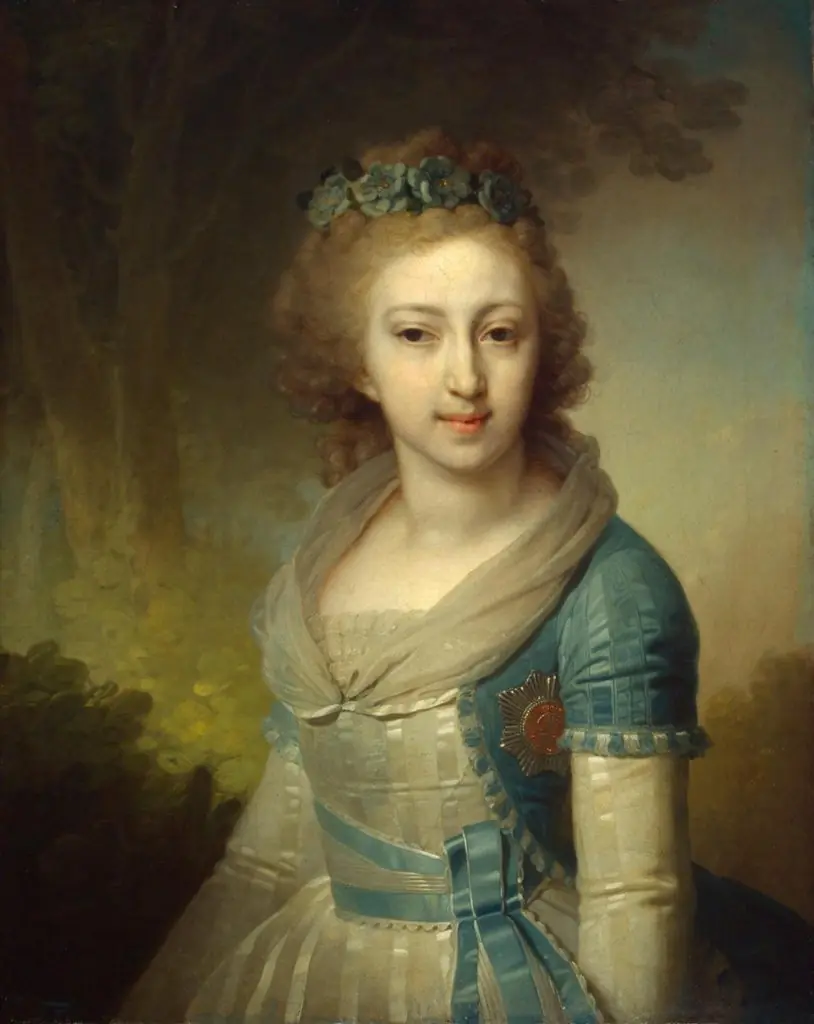 Portrait of Grand DuchessYelena Pavlovna
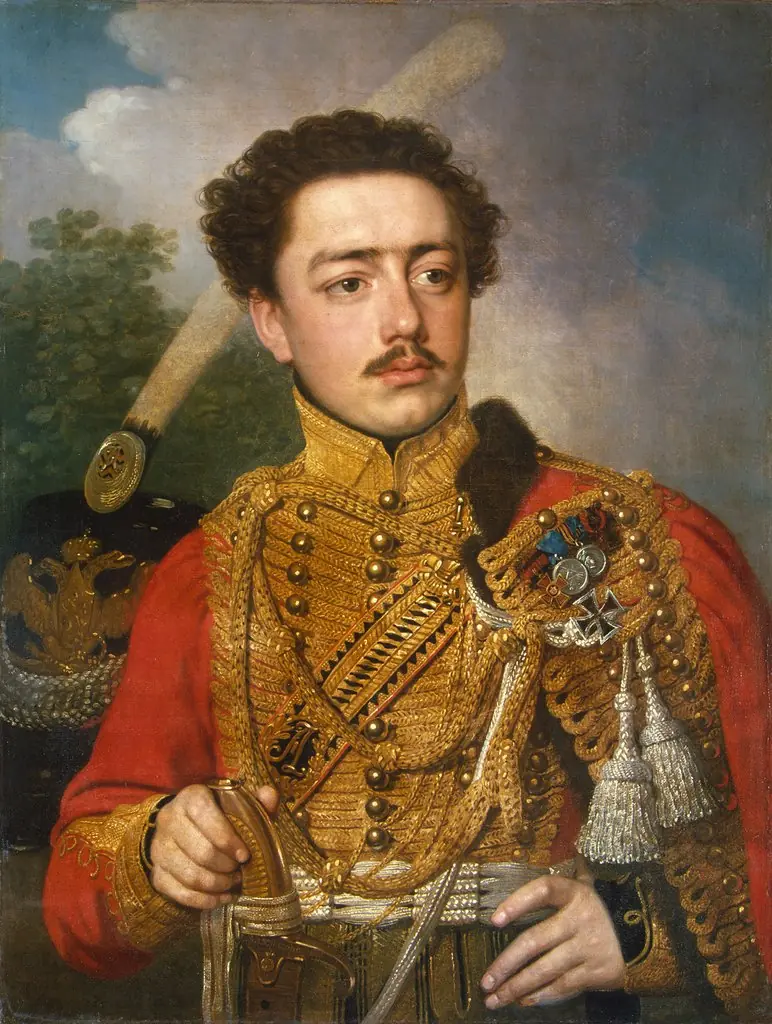 Portrait of Pavel Masyukov, the Cavalry Captain of the Life-Guards Hussar Regiment
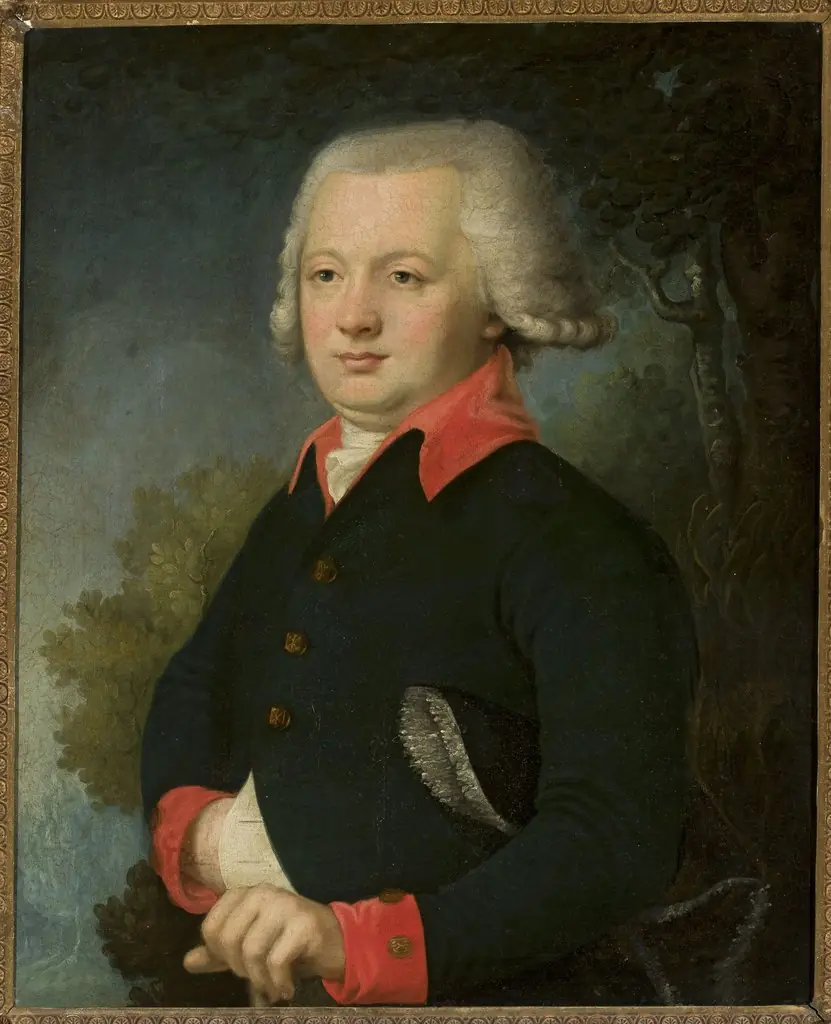 Portrait of a young man
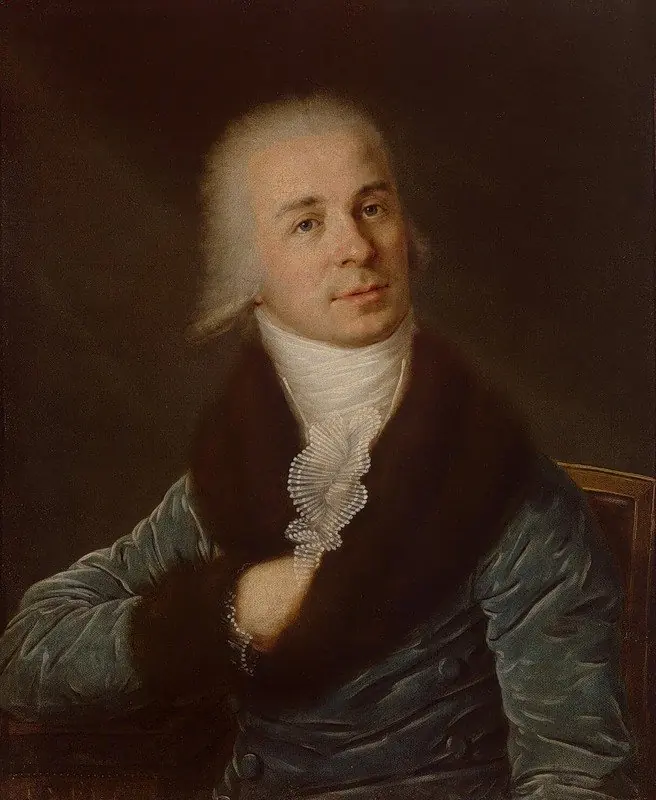 Portrait of Gavrila Derzhavin
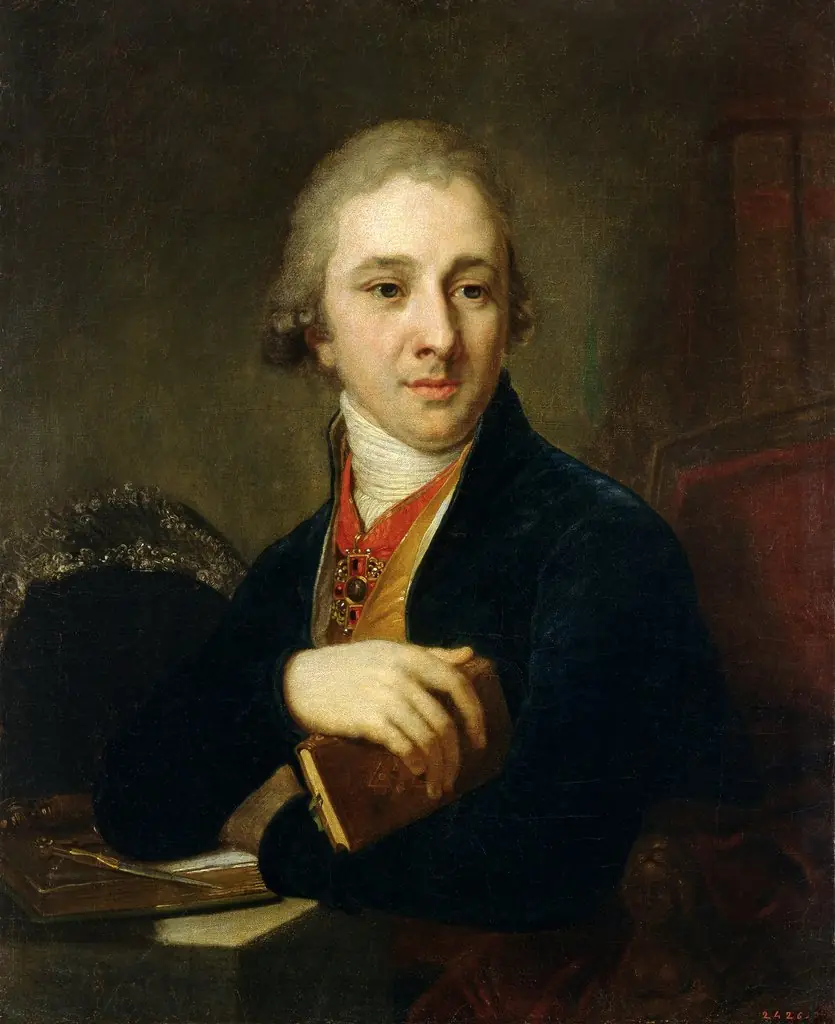 "Portrait of Alexander Labzin" (1766-1825)
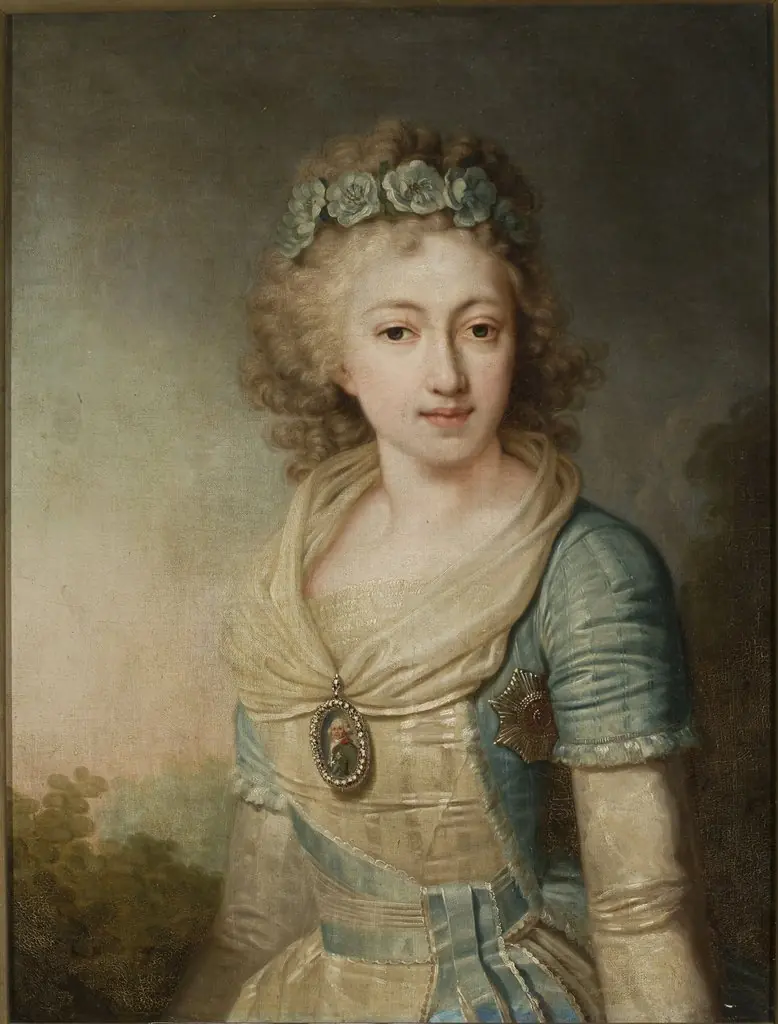 Portrait of Paul I’s daughter – Helena
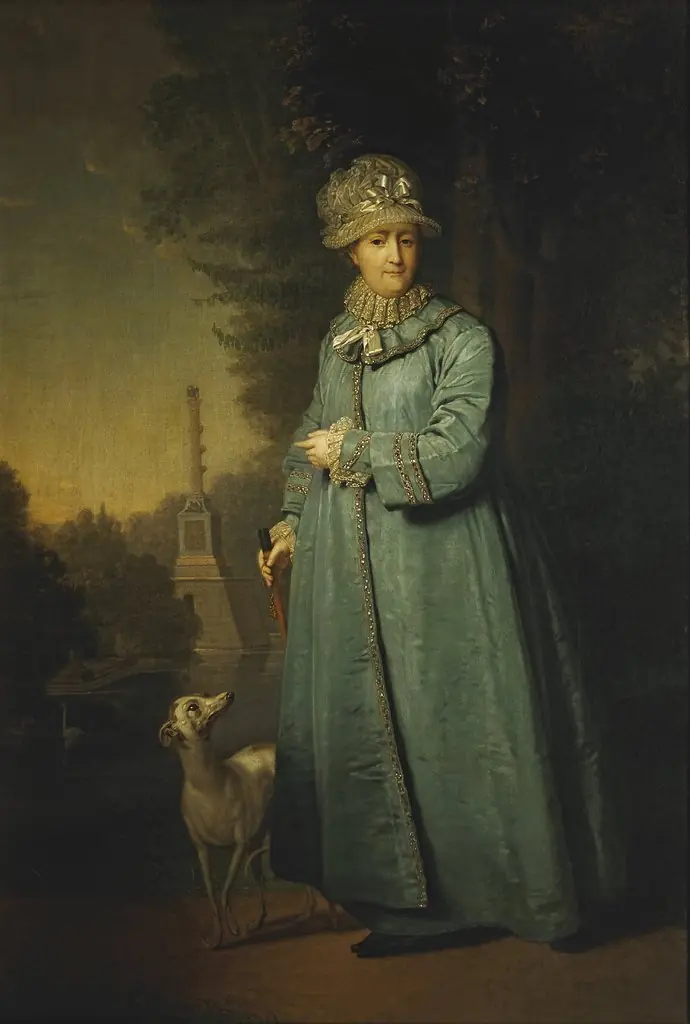 Catherine II during a walk in the Tsarskosyelsky Park
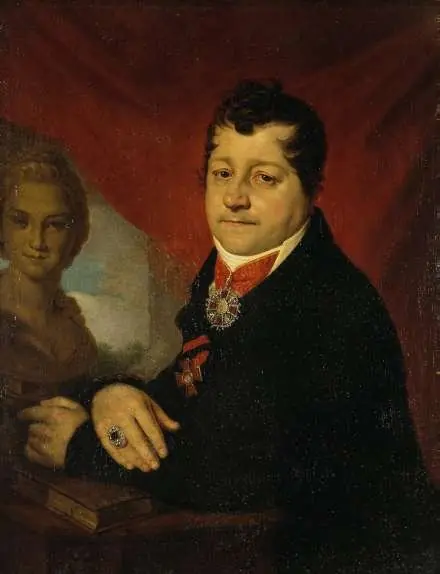 Portrait of Sergei Yakovlev
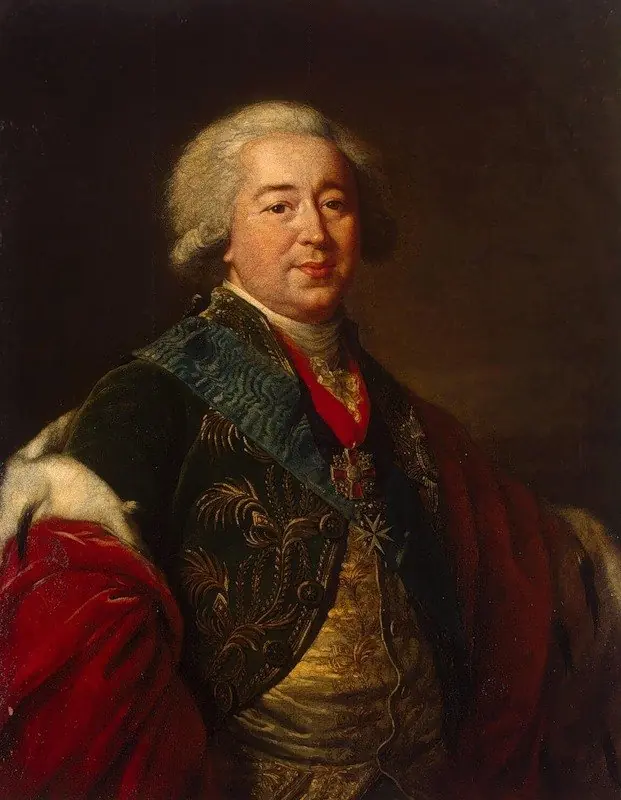 Portrait of Prince Alexander Kurakin
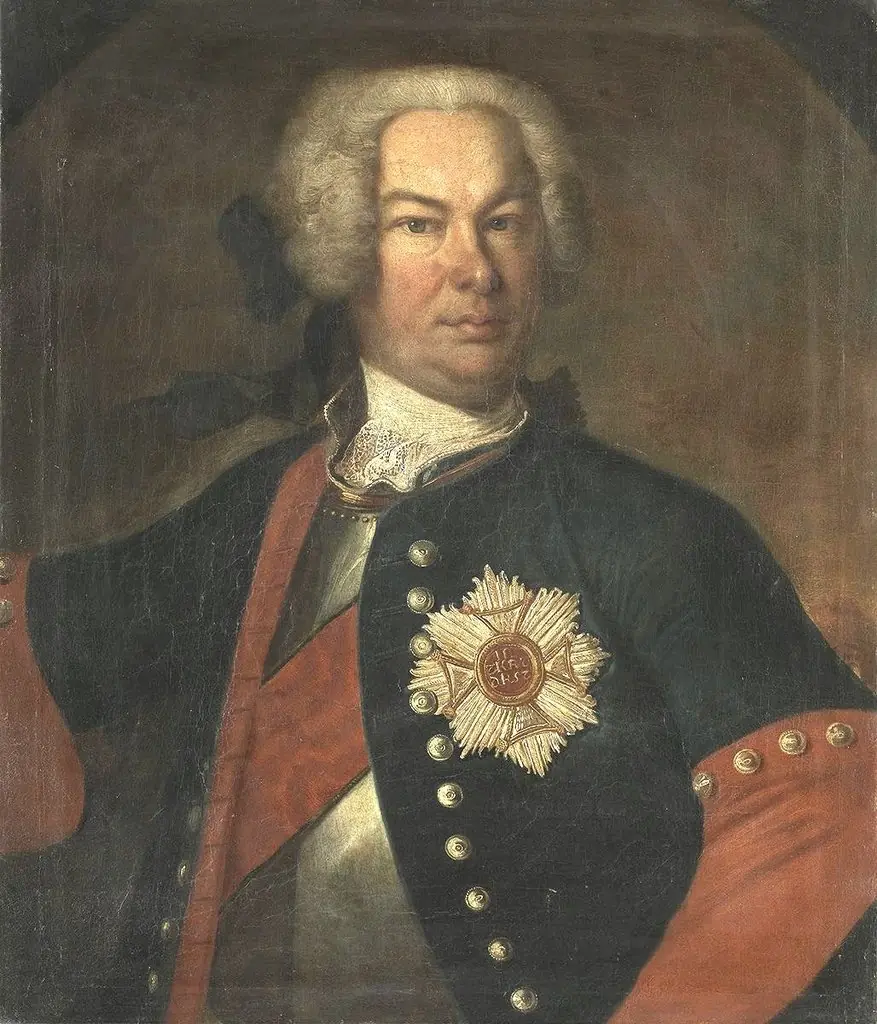 Johann Christian, Father of Carl Theodor of the Pfalz
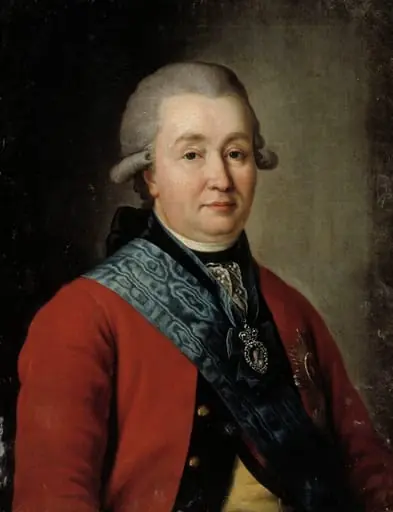 Ruhtinas Grigori Orlov
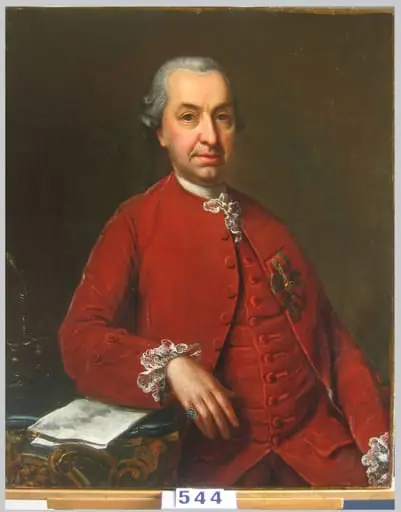 Baronul Samuel von Brukenthal (în registrul inventar: Baron Samuel von Brukenthal, guvernatorul Ardealului). Pandant: Baroana Sophia Katharina von Brukenthal născută von Klocknern.
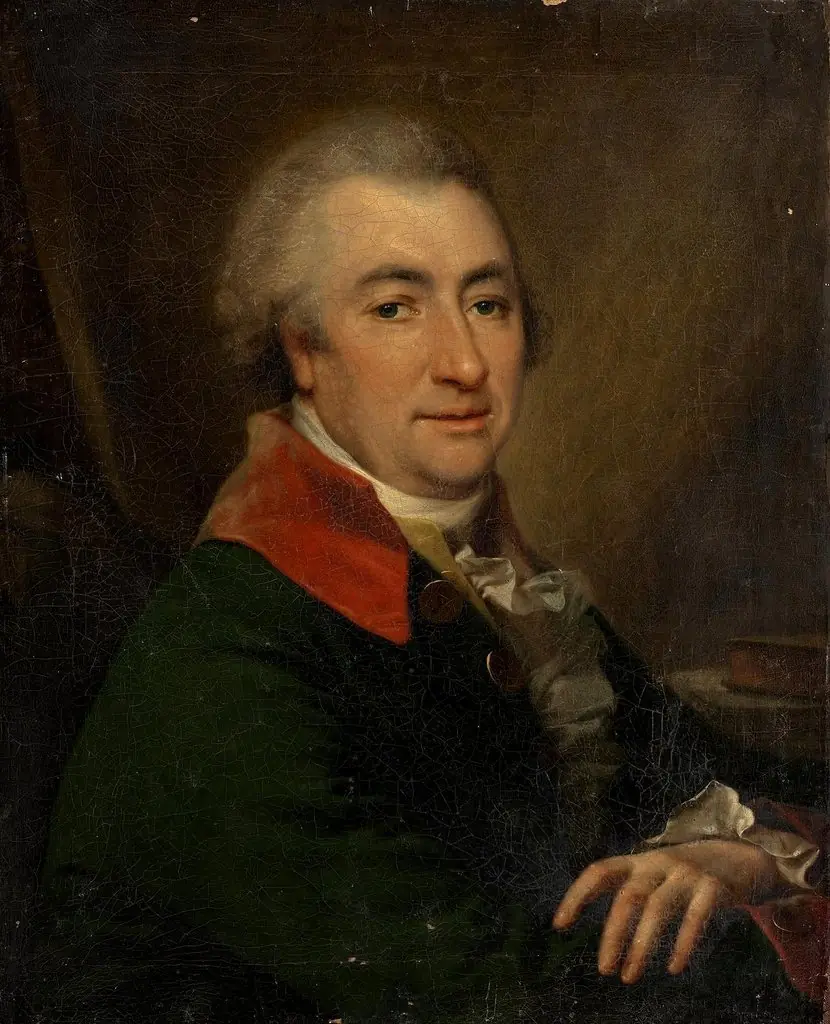 Portrait of A.I. Novikova (? )
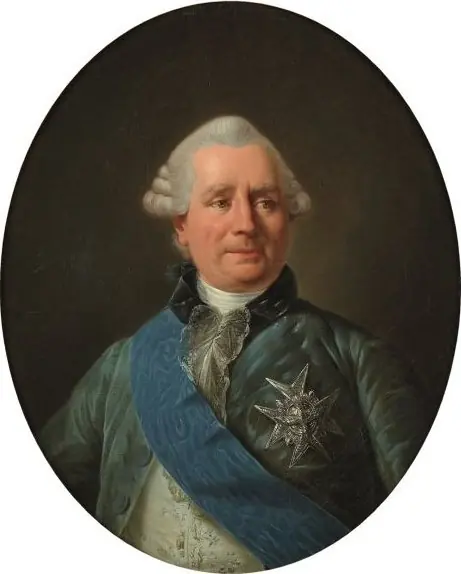 The Count de Vergennes
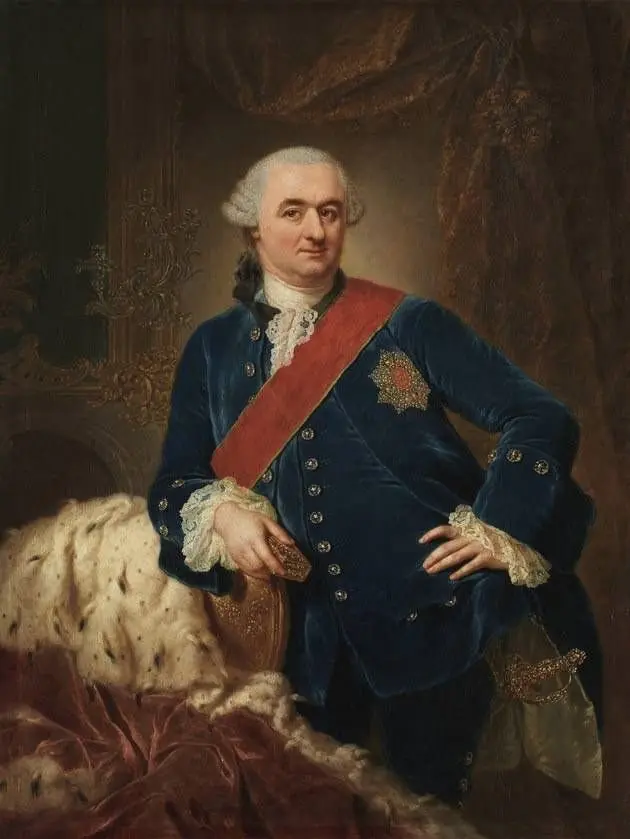 Bildnis des Kurfürsten Karl Theodor von der Pfalz und Bayern (1724-1799) im blauen Samtanzug
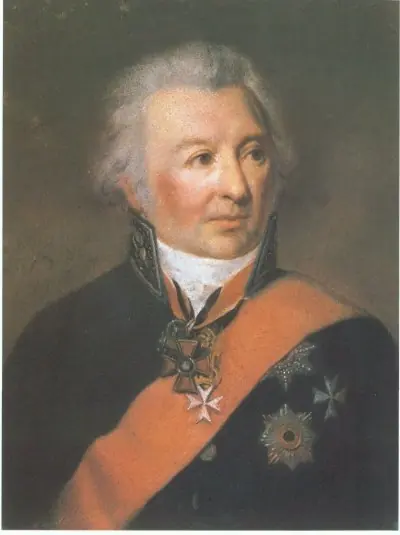 Porträt des Alexander Sablukov (1749-1828)
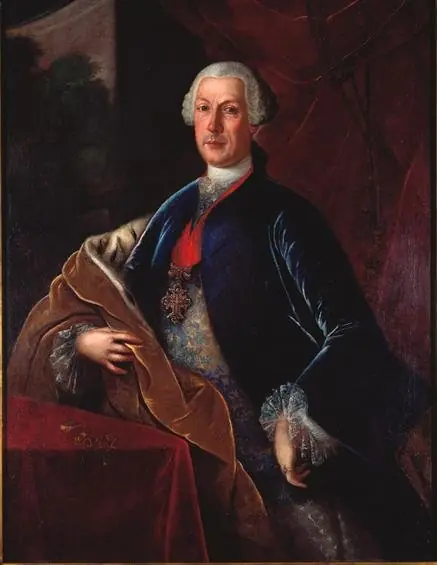 Portrait of Infante António Francisco of Portugal (1695-1757)
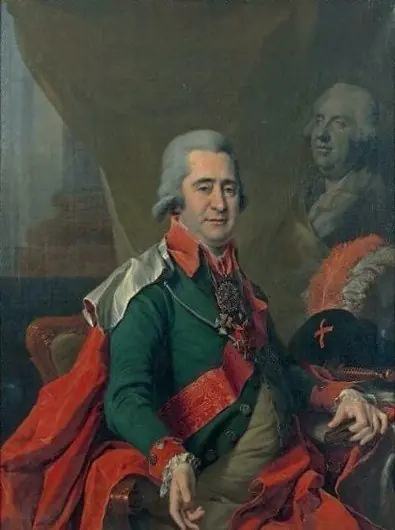 Portrait of Count I. Bezborodko