Artwork
Портрет княгини Е.А. Долгорукой
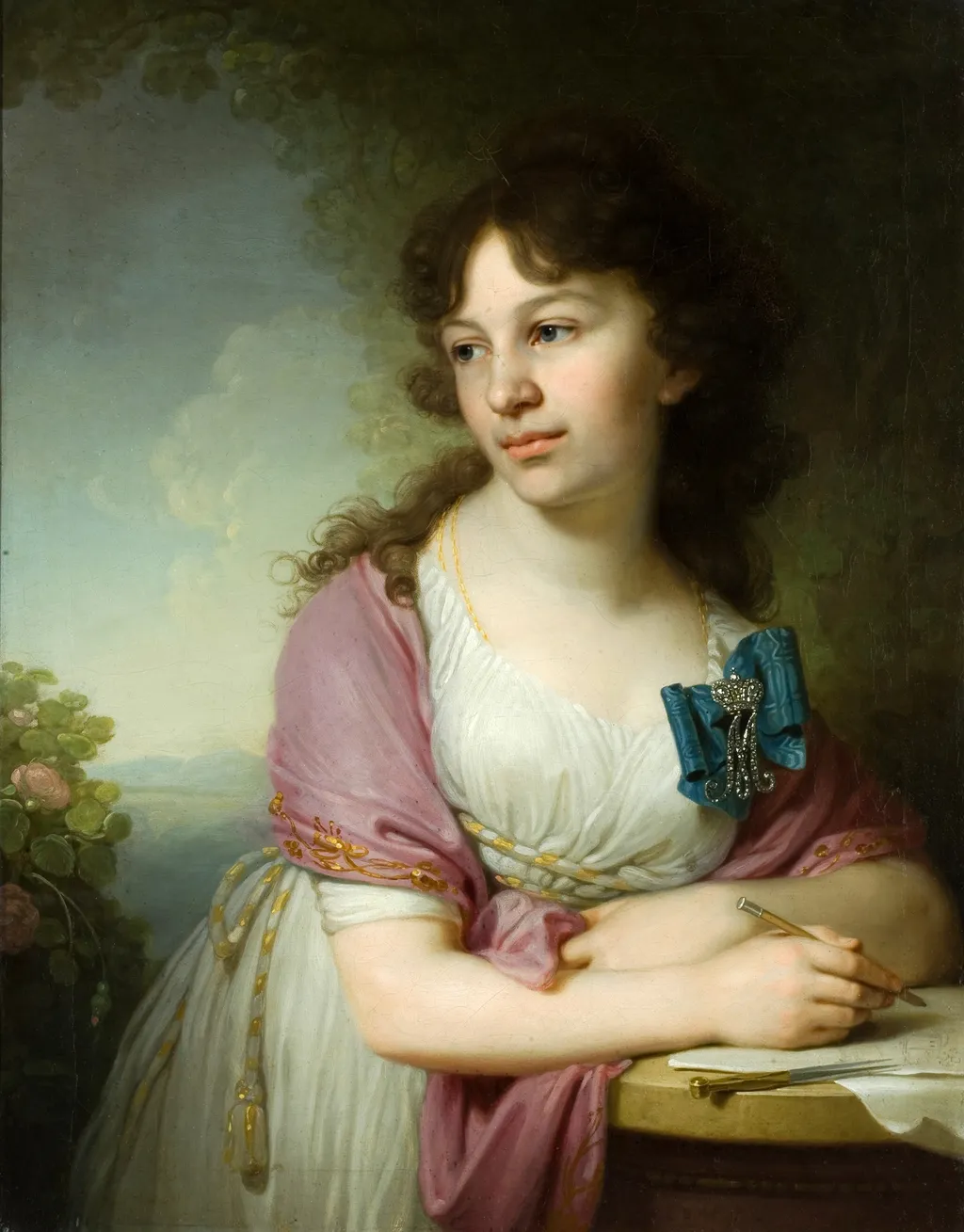
Портрет княгини Е.А. Долгорукой is an oil painting by Vladimir Borovikovsky. It dates from 1800 and is held in the collection of the Tretyakov Gallery.
About this work
Overview
It resides today in the Tretyakov Gallery in Moscow, where it remains a key example of early 19th-century Russian portraiture.
Painted in 1800 by Vladimir Borovikovsky, this oil-on-canvas portrait captures Princess E.A. Dolgorukaya, a noblewoman of the Russian imperial court. Borovikovsky, born into a Ukrainian Cossack family, rose to prominence as a leading portraitist under Catherine the Great. The work exemplifies his refined approach to aristocratic representation, blending elegance with psychological subtlety. It resides today in the Tretyakov Gallery in Moscow, where it remains a key example of early 19th-century Russian portraiture.
Subject & Meaning
The portrait presents Princess Dolgorukaya in a moment of quiet introspection, her gaze directed aside as if lost in thought. Her posture—right arm resting on a table with a quill, left arm folded—suggests intellectual engagement, possibly hinting at literary or administrative duties. The absence of overt symbols of rank, combined with the intimate setting, shifts focus from status to personal character. The subdued tones and soft lighting reinforce an atmosphere of private reflection rather than public display.
Technique & Style
Borovikovsky employed delicate brushwork and a restrained palette to evoke tenderness and realism. The white dress and pink shawl are rendered with subtle gradations of light, while the blue ribbon and silver brooch catch the eye without dominating. The background merges muted greens and soft blues into a hazy landscape, distancing the figure from any specific location. Chiaroscuro is used sparingly, enhancing volume without theatricality, contributing to the portrait’s calm, intimate mood.
History & Provenance
Commissioned during the reign of Paul I, the portrait was likely created as a personal keepsake or for family display. It entered the Tretyakov Gallery’s collection in the late 19th century, alongside other works by Borovikovsky that defined the transition from Baroque formality to Romantic individualism in Russian art. Its preservation reflects its recognized importance in the development of national portraiture, though little documentation survives regarding its early ownership or exhibition history.
Context
At the turn of the 19th century, Russian aristocratic portraiture was shifting from rigid ceremonial depictions toward more personal, emotionally resonant compositions. Borovikovsky, influenced by Western European sensibilities yet rooted in Russian court culture, helped pioneer this change. The portrait of Dolgorukaya aligns with broader trends favoring naturalism and psychological depth, reflecting the era’s growing interest in the inner life of the individual, even among the nobility.
Legacy
Borovikovsky’s portrait of Princess Dolgorukaya stands as a quiet milestone in Russian art, illustrating how portraiture could convey dignity without grandeur. Its influence is seen in later 19th-century artists who prioritized emotional nuance over social display. Though not widely reproduced, the painting remains a touchstone for scholars studying the evolution of Russian identity in visual culture, valued for its restraint and humanity.
Own this work as a print
Artist & collection
Artist
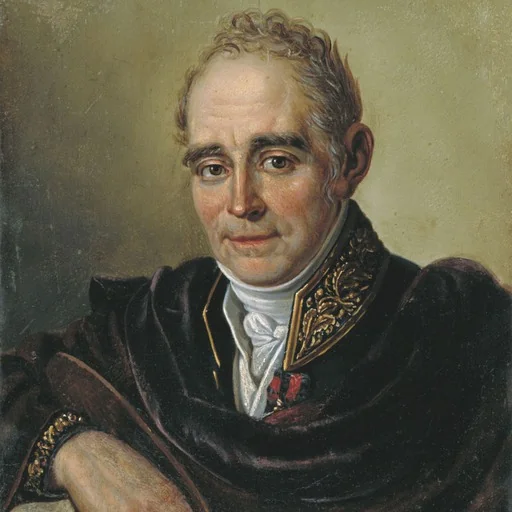
Vladimir Lukich Borovikovsky (August 4 1757 – April 18 1825) was a Russian artist of Ukrainian Cossack origin. He served at the court of Catherine the Great and dominated portraiture in Russia at the turn of the 19th century.

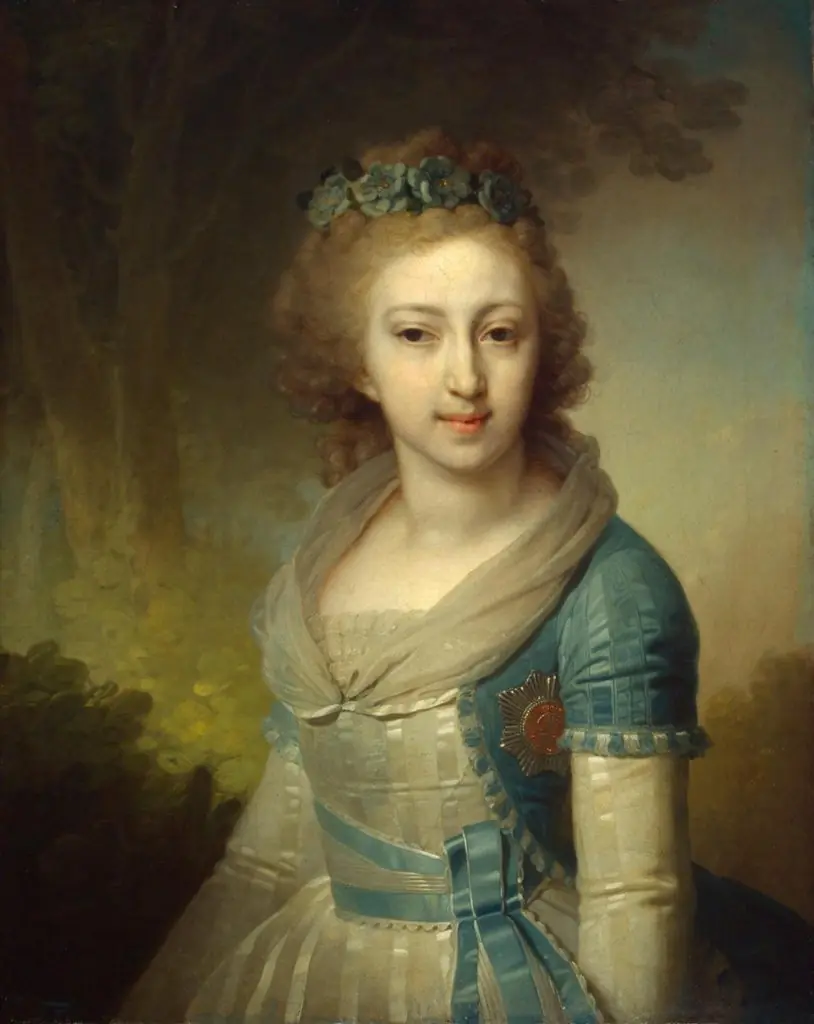 Portrait of Grand DuchessYelena Pavlovna
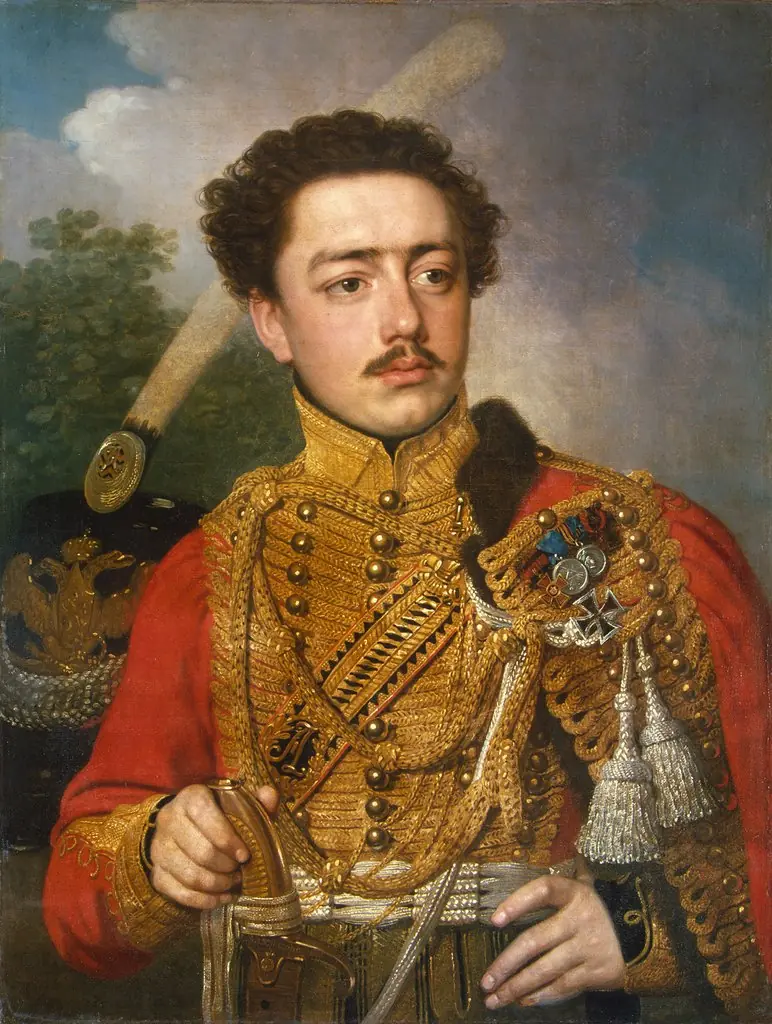 Portrait of Pavel Masyukov, the Cavalry Captain of the Life-Guards Hussar Regiment
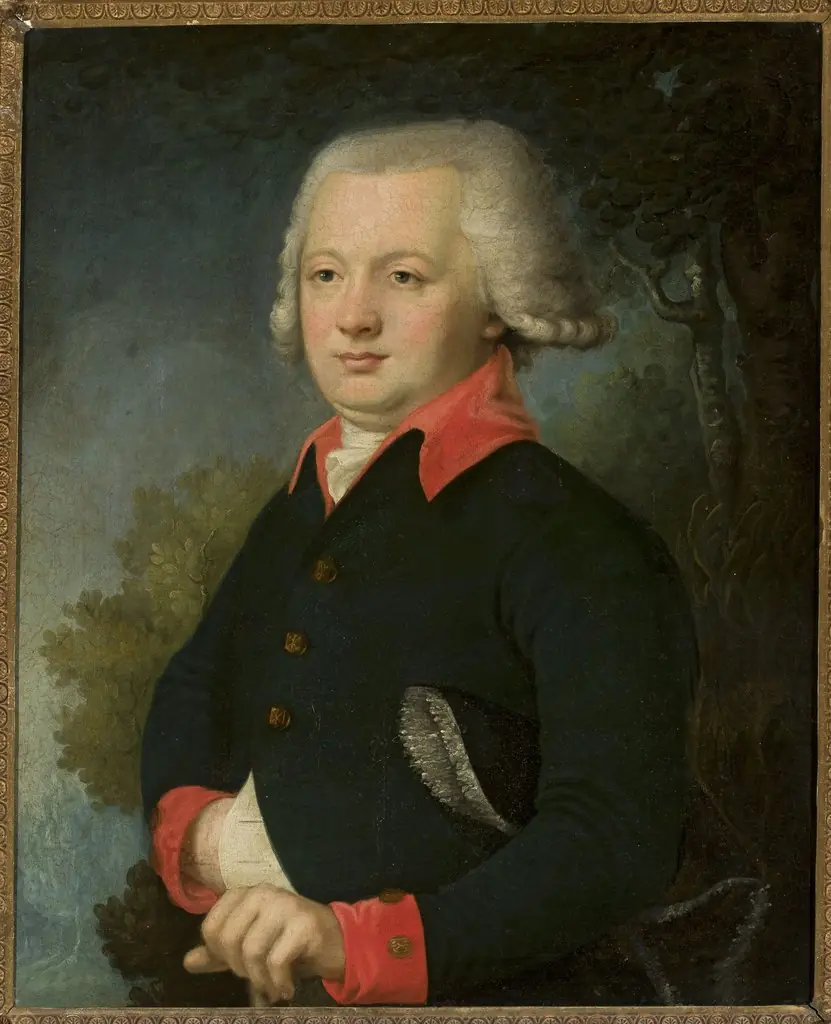 Portrait of a young man
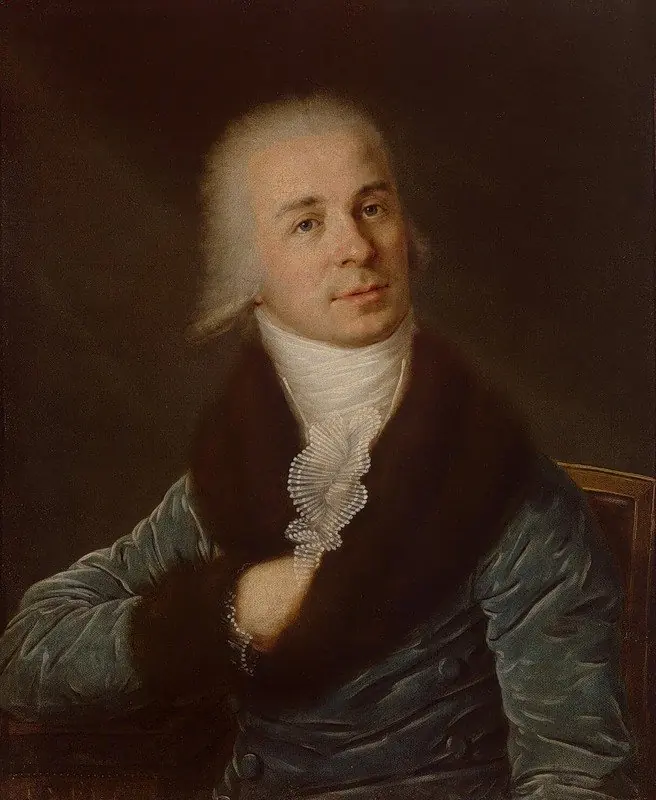 Portrait of Gavrila Derzhavin
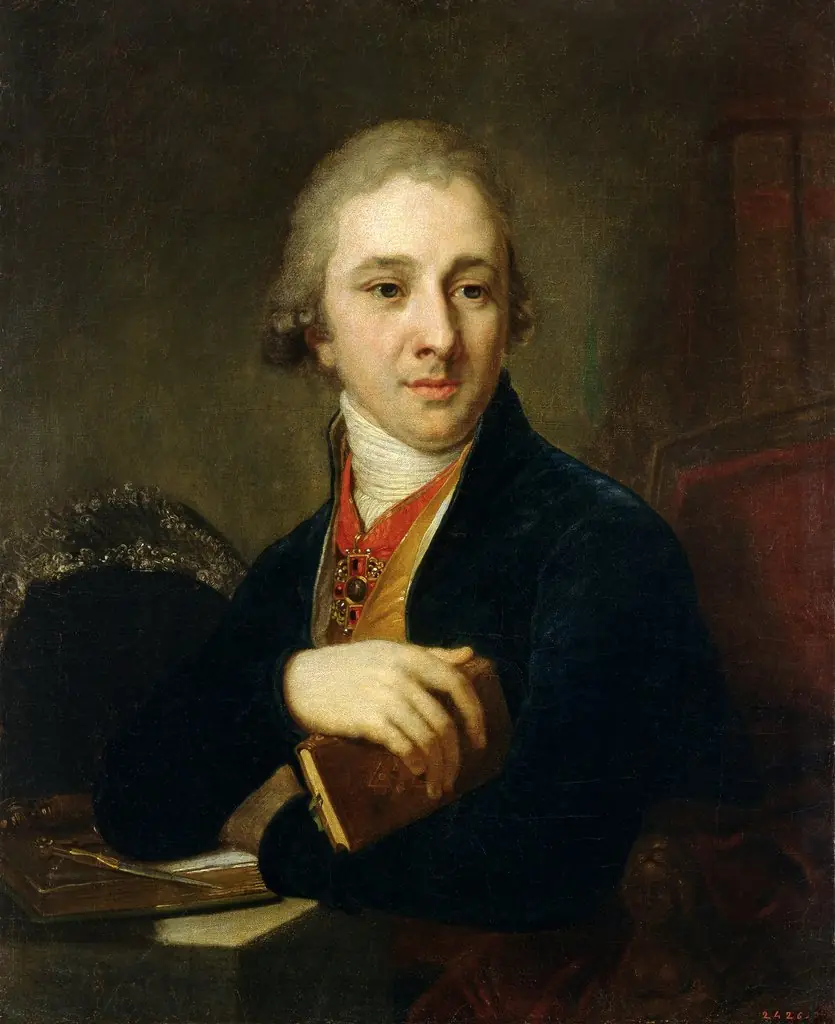 "Portrait of Alexander Labzin" (1766-1825)
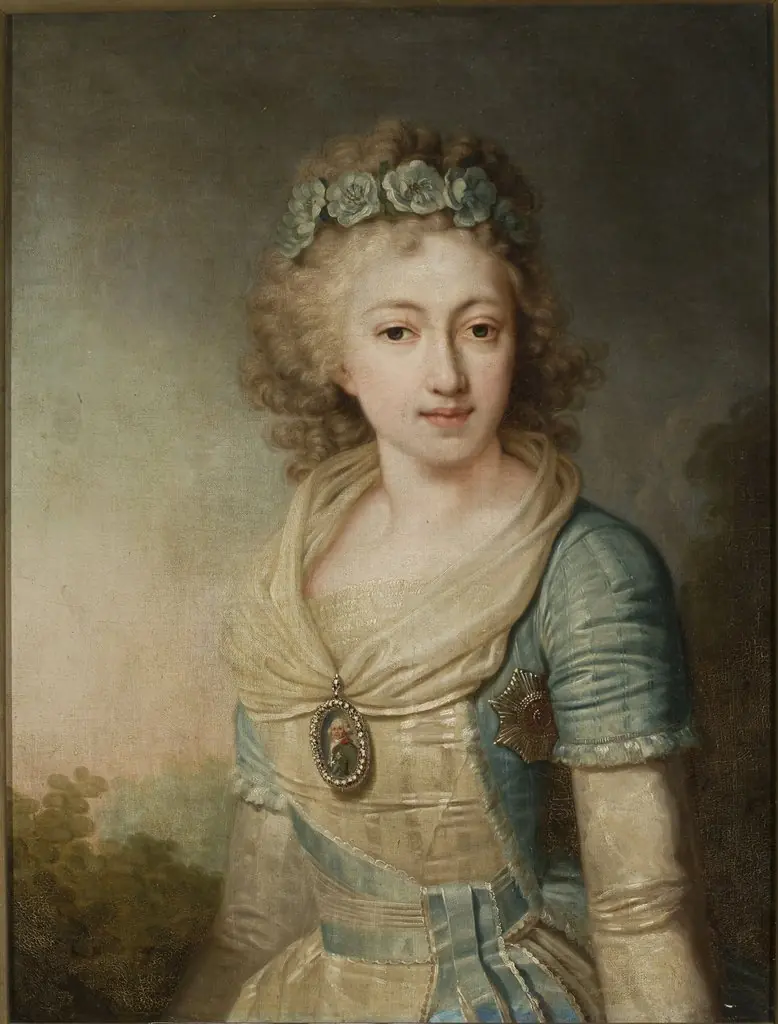 Portrait of Paul I’s daughter – Helena
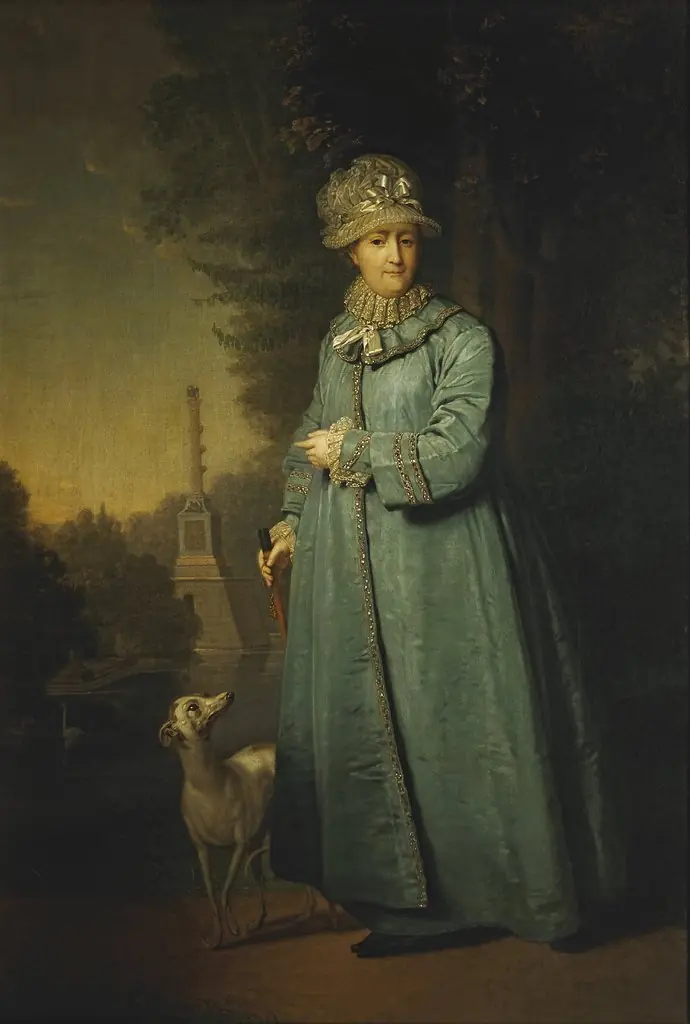 Catherine II during a walk in the Tsarskosyelsky Park
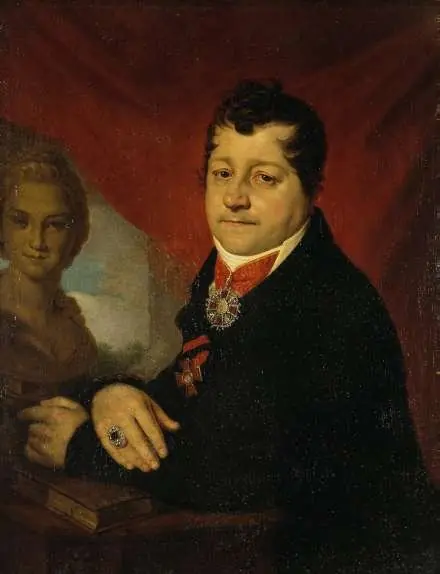 Portrait of Sergei Yakovlev
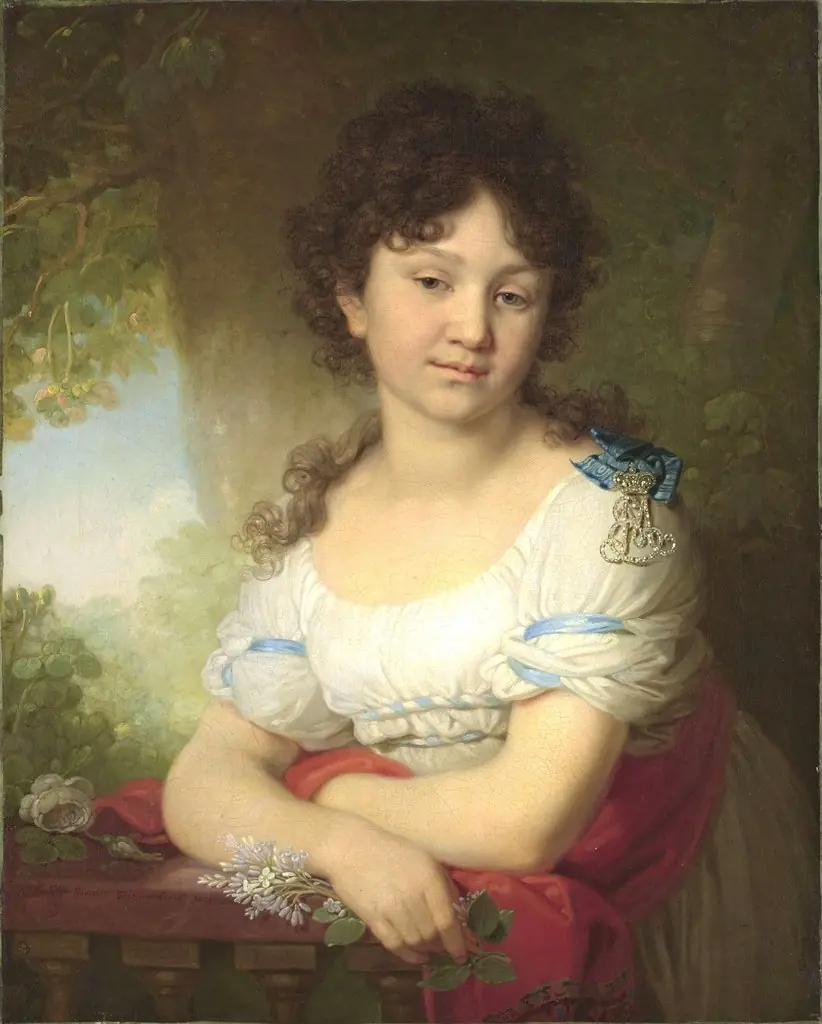 Портрет графини М.А. Орловой-Денисовой
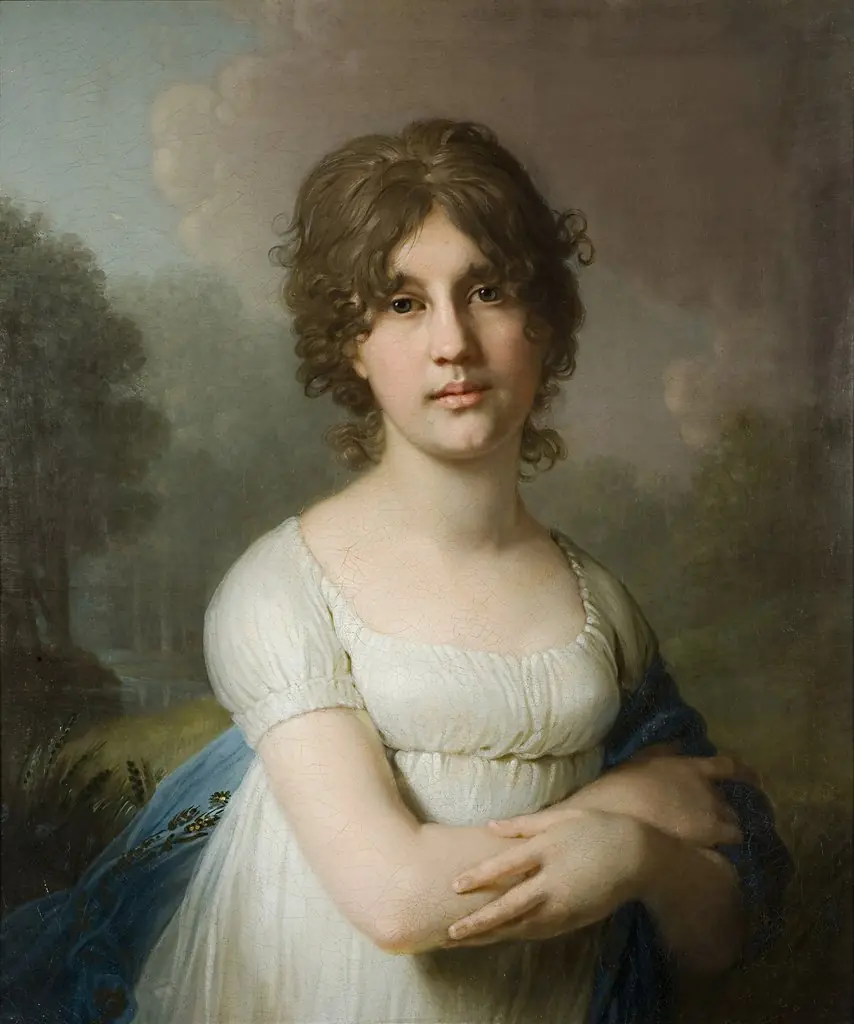 La Princesse Catherine Gavrilowna Gagarine
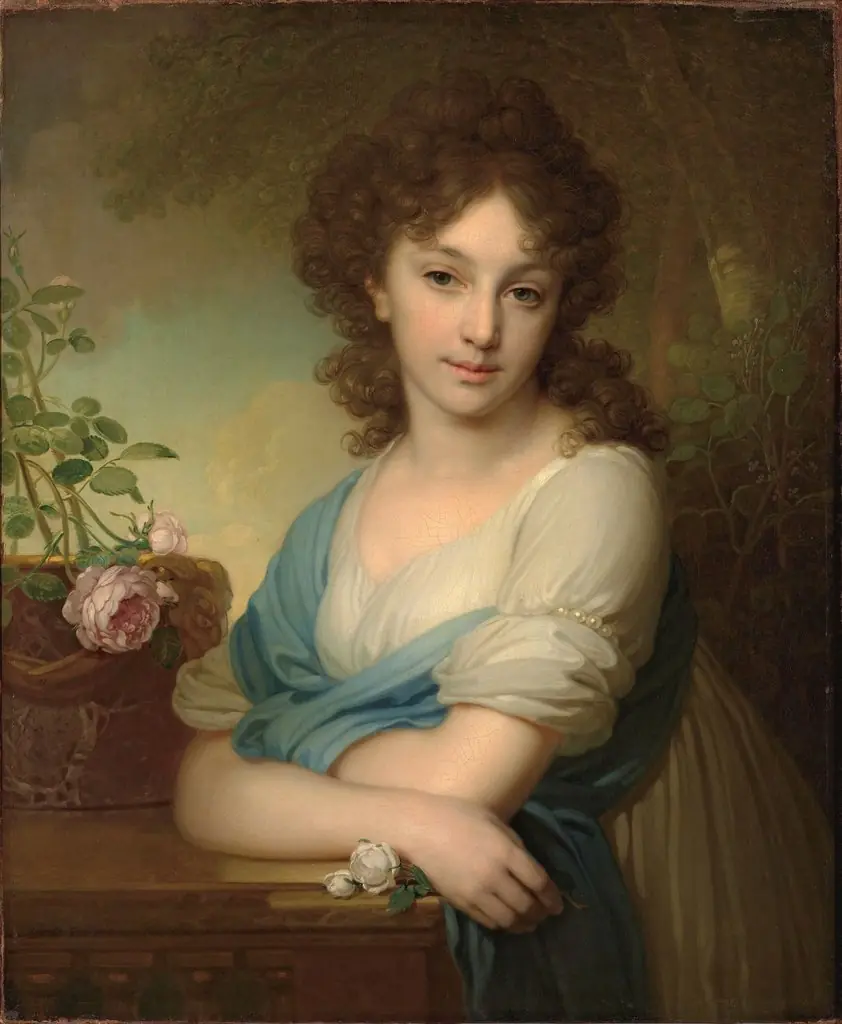 Portrait of Elena Aleksandrovna Naryshkina (1785-1855)
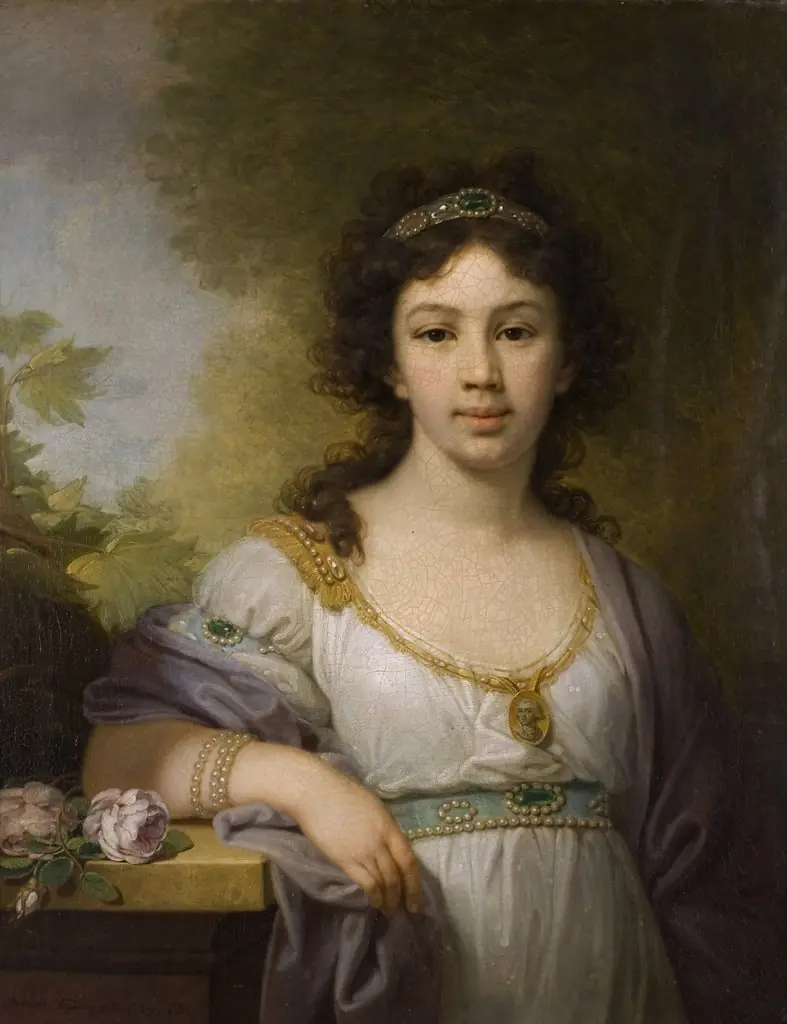 Porträt der Varvara Shidlovskaya
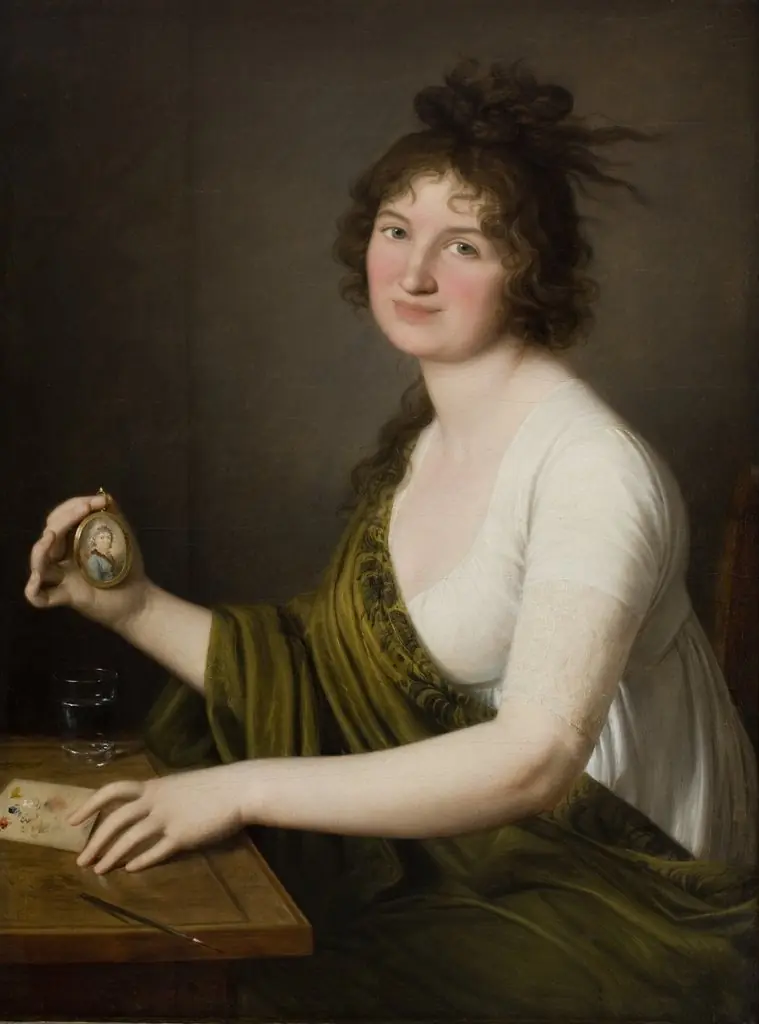 Portrait of Waleria Tarnowska née Stroynowska (1782–1849), Wife of Jan Feliks Tarnowski from 1800
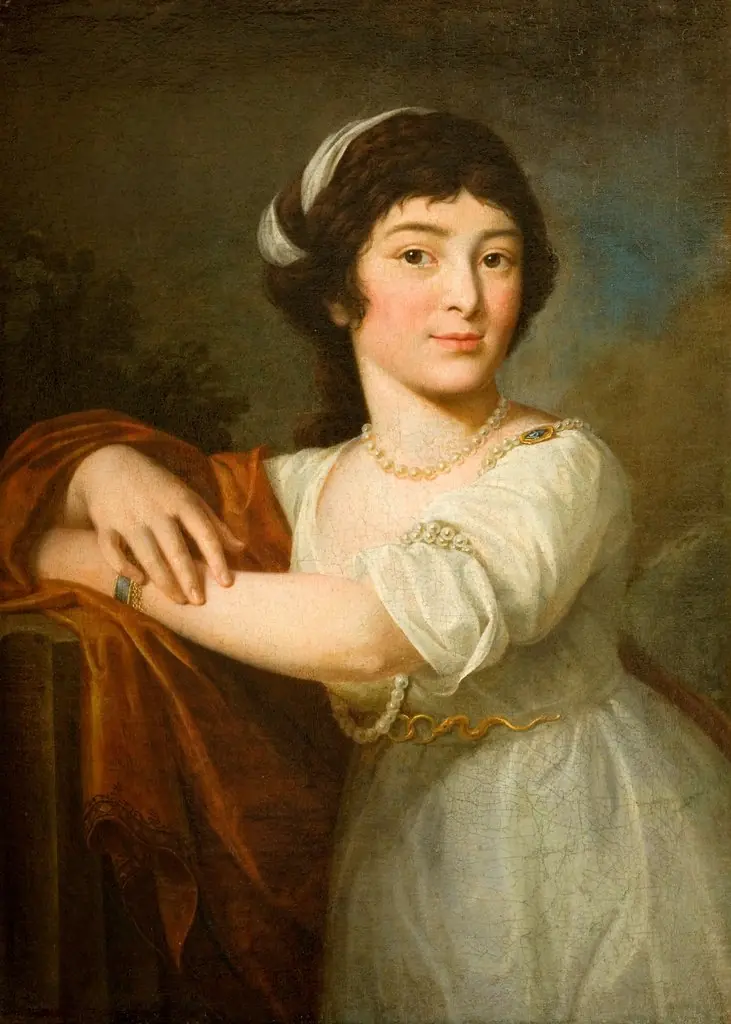 Portrait of Joanna Dzierzbicka
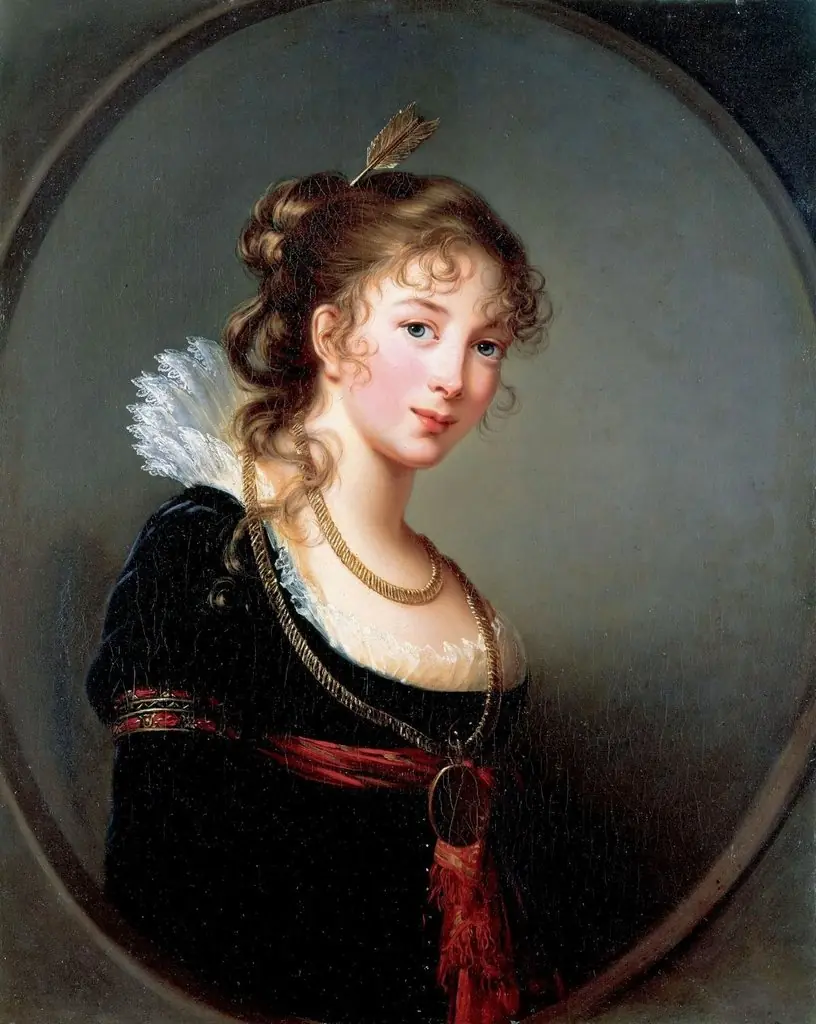 Porträt der Luise von Preußen (1770-1836), Ehefrau von Anton Radziwiłł (1775-1833)
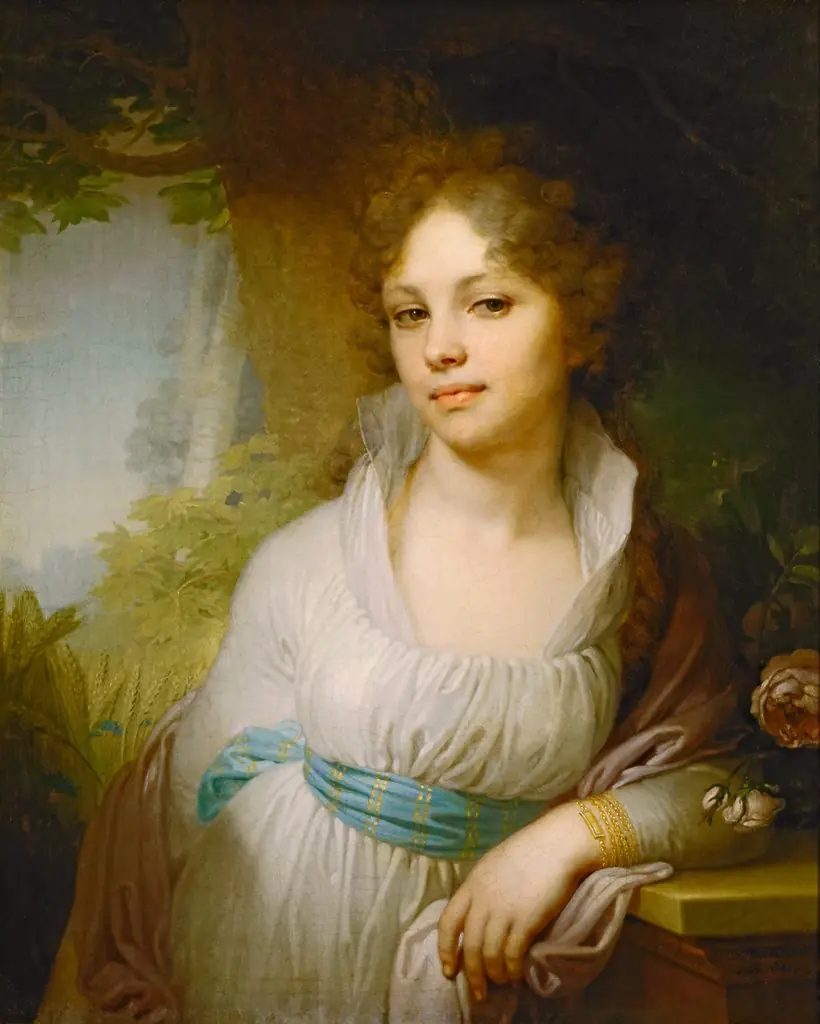 Portrait of Maria Ivanovna Lopukhina
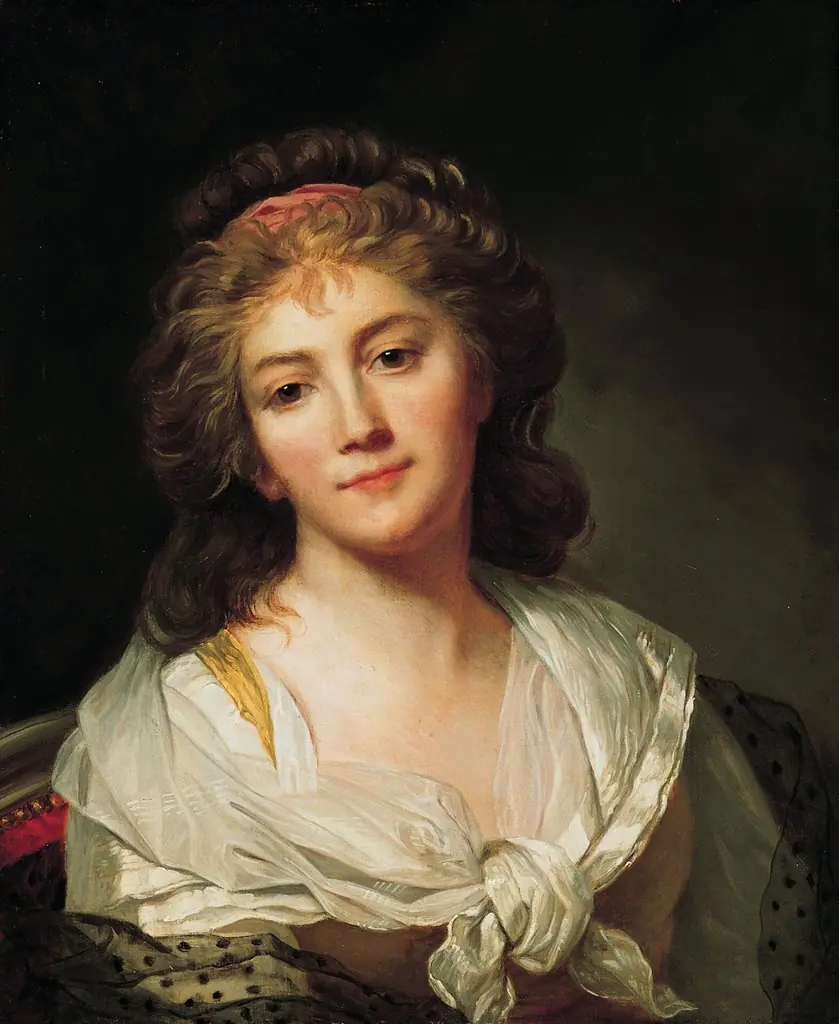 Self-portrait
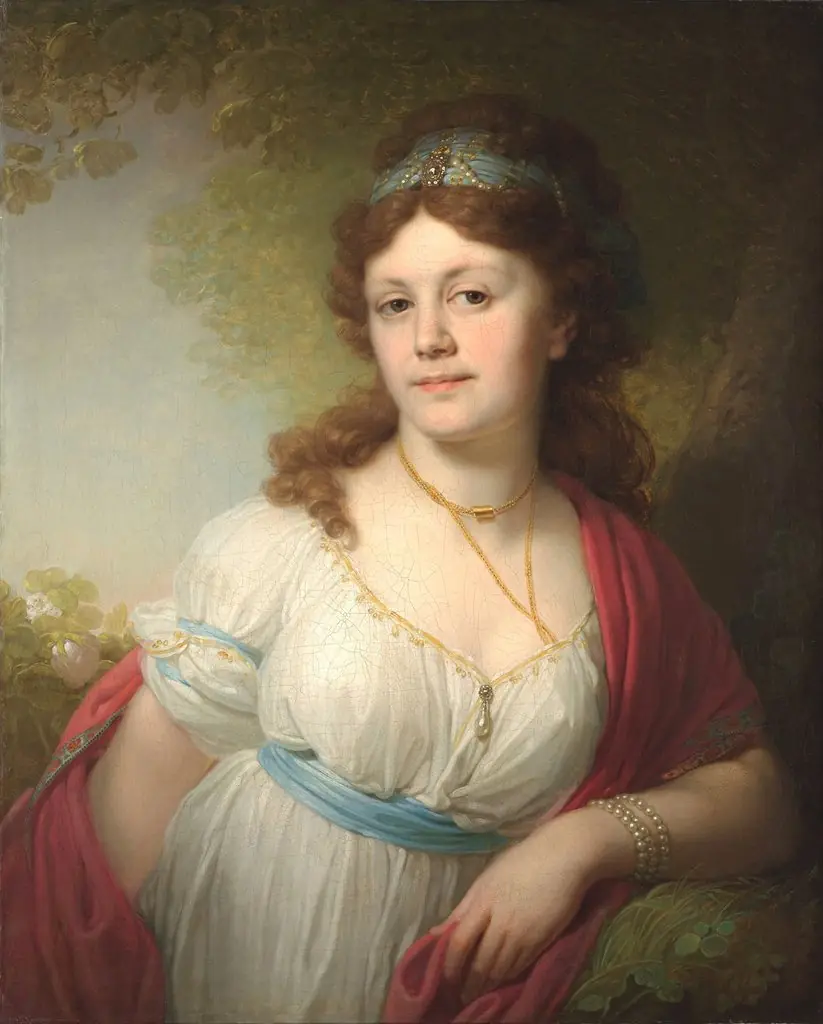 Porträt der Elizaveta Grigorevna Temkina (b.1775)