Artwork
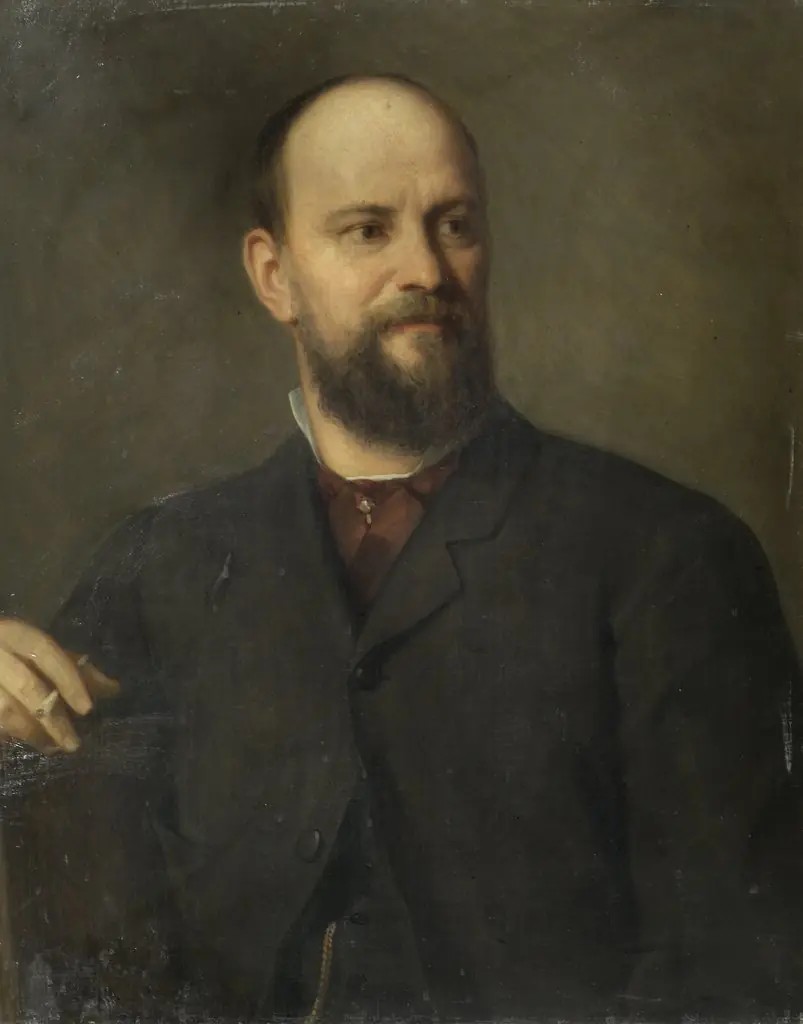
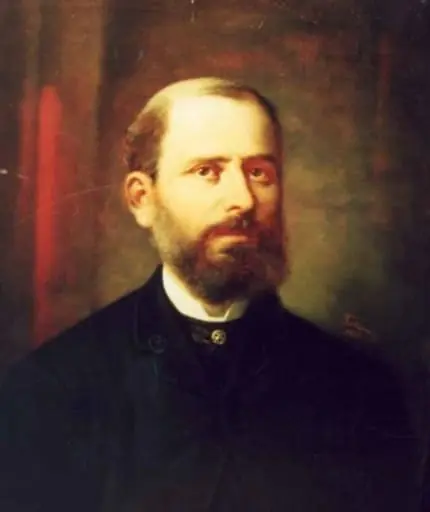
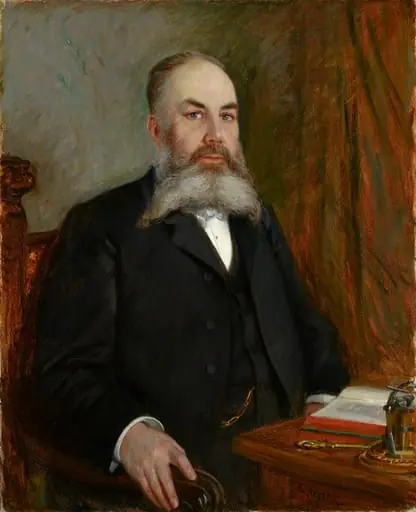
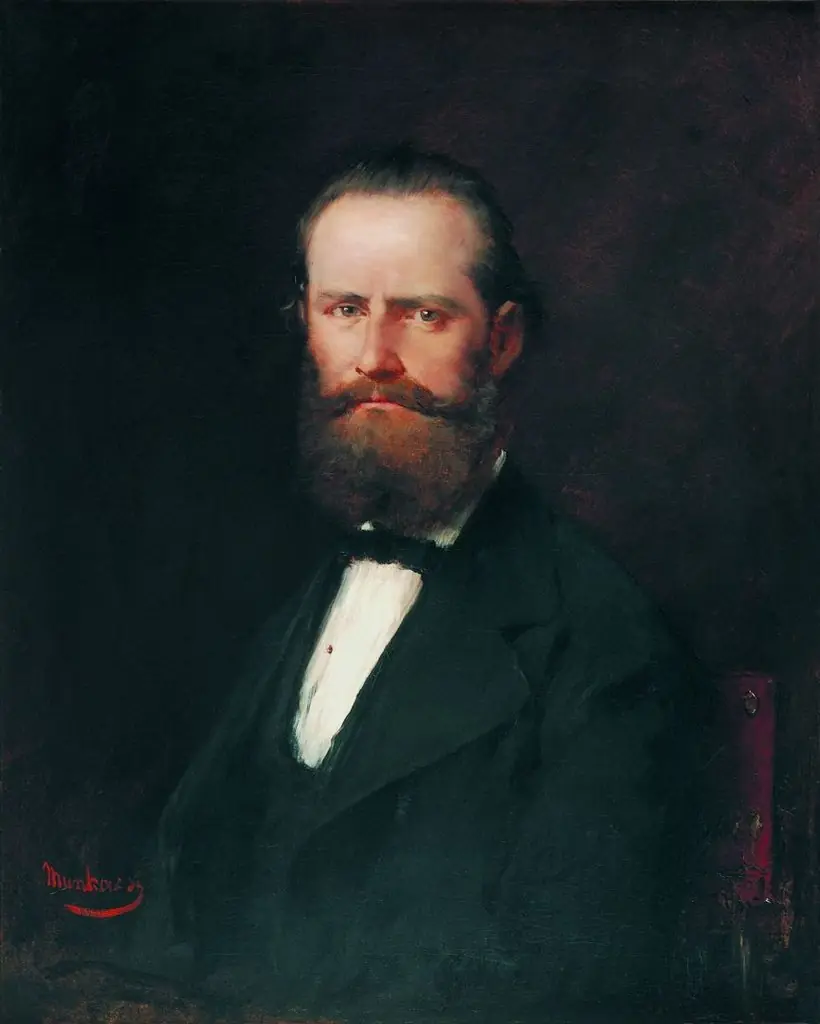
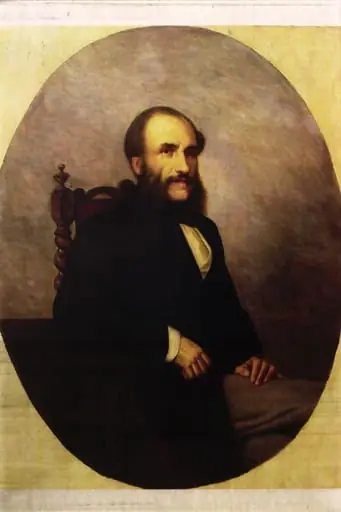
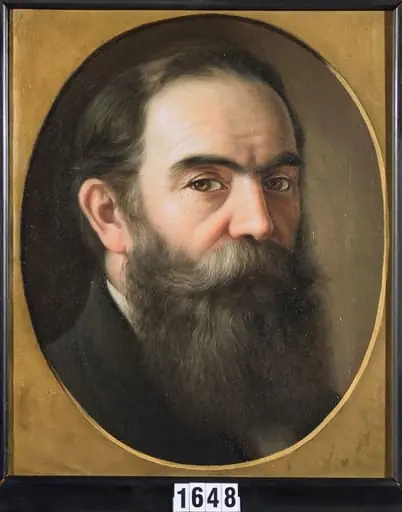
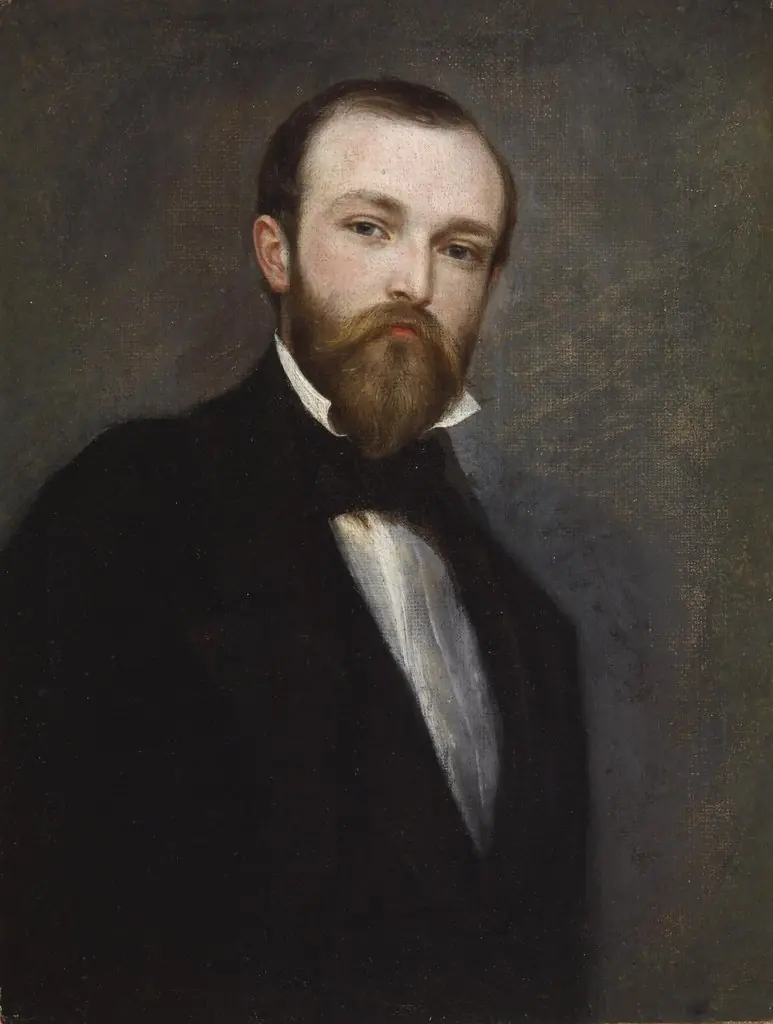
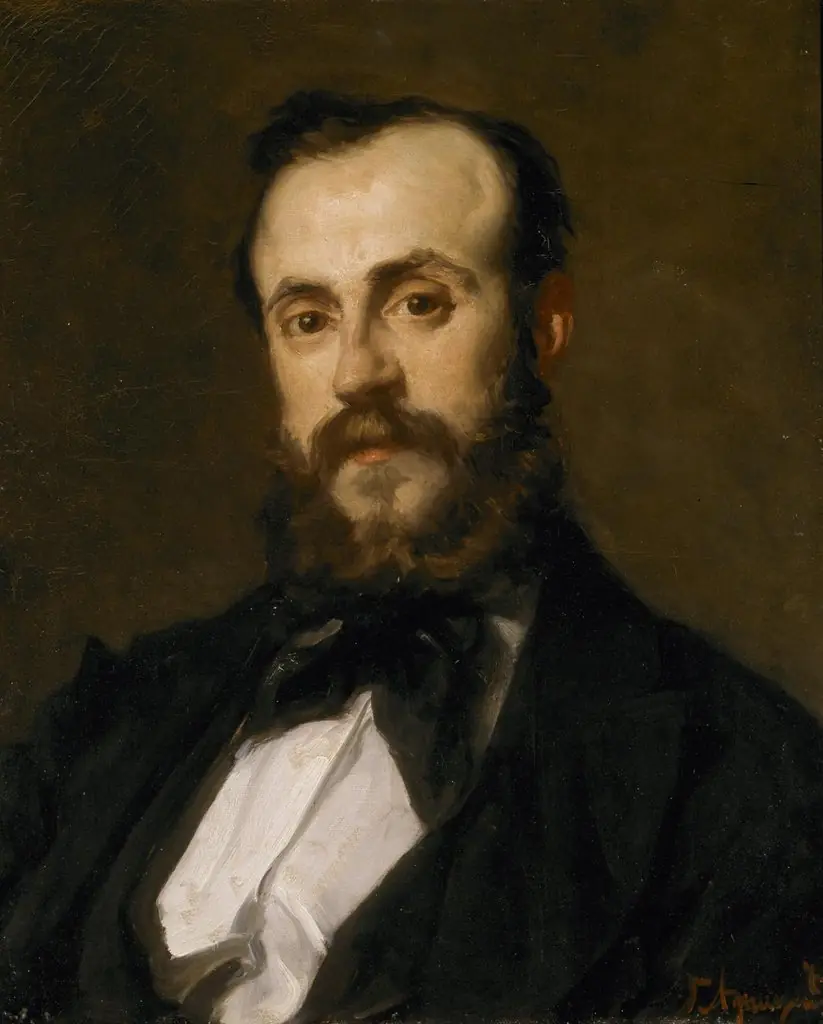
von Thoren, Otto - Bild: Ölgemälde, Portrait von Georg Herwegh
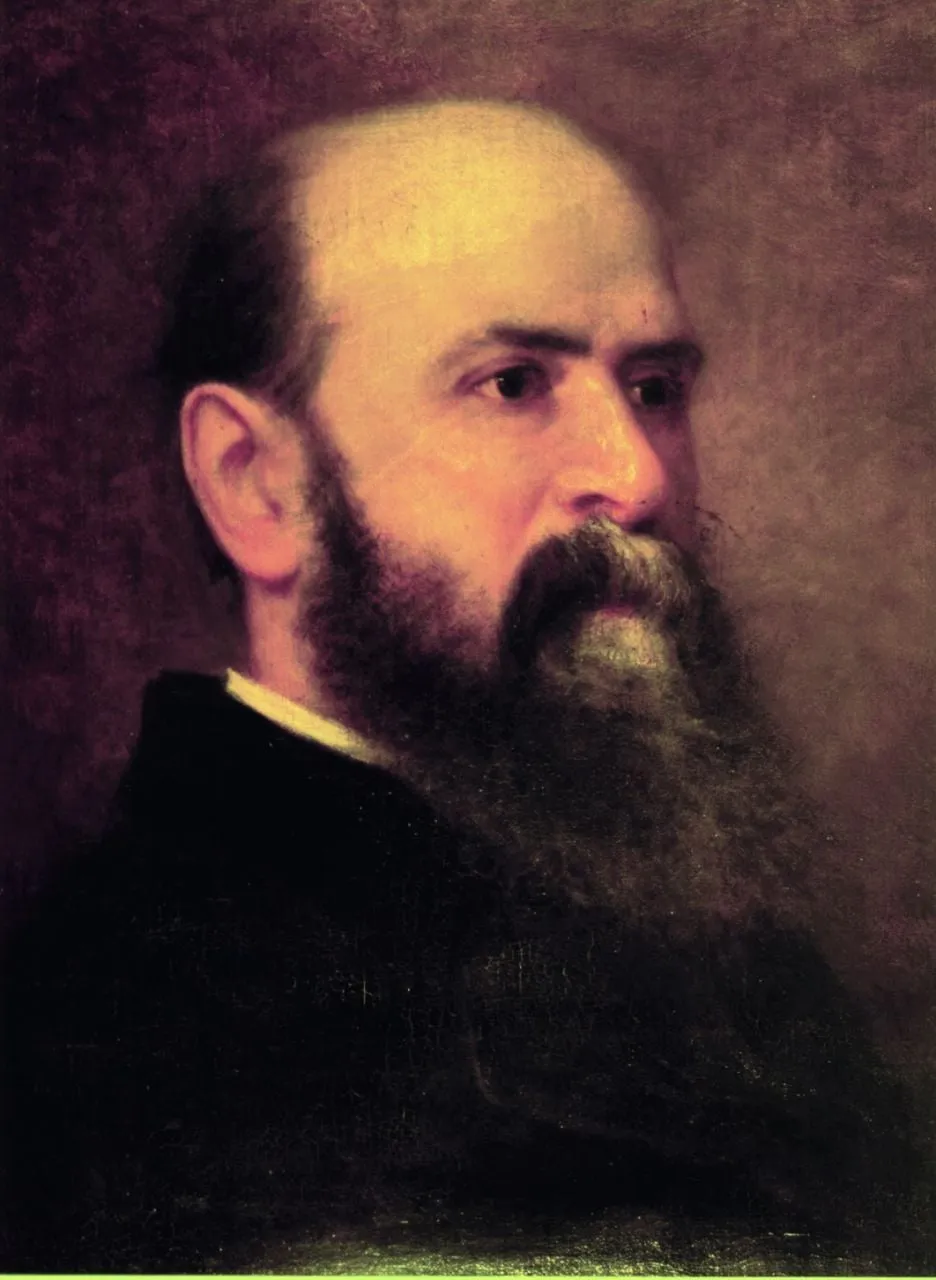
von Thoren, Otto - Bild: Ölgemälde, Portrait von Georg Herwegh is an unspecified painting by Otto von Thoren. It dates from 1870 and is held in the collection of the Poets and City Museum Liestal.
About this work
Overview
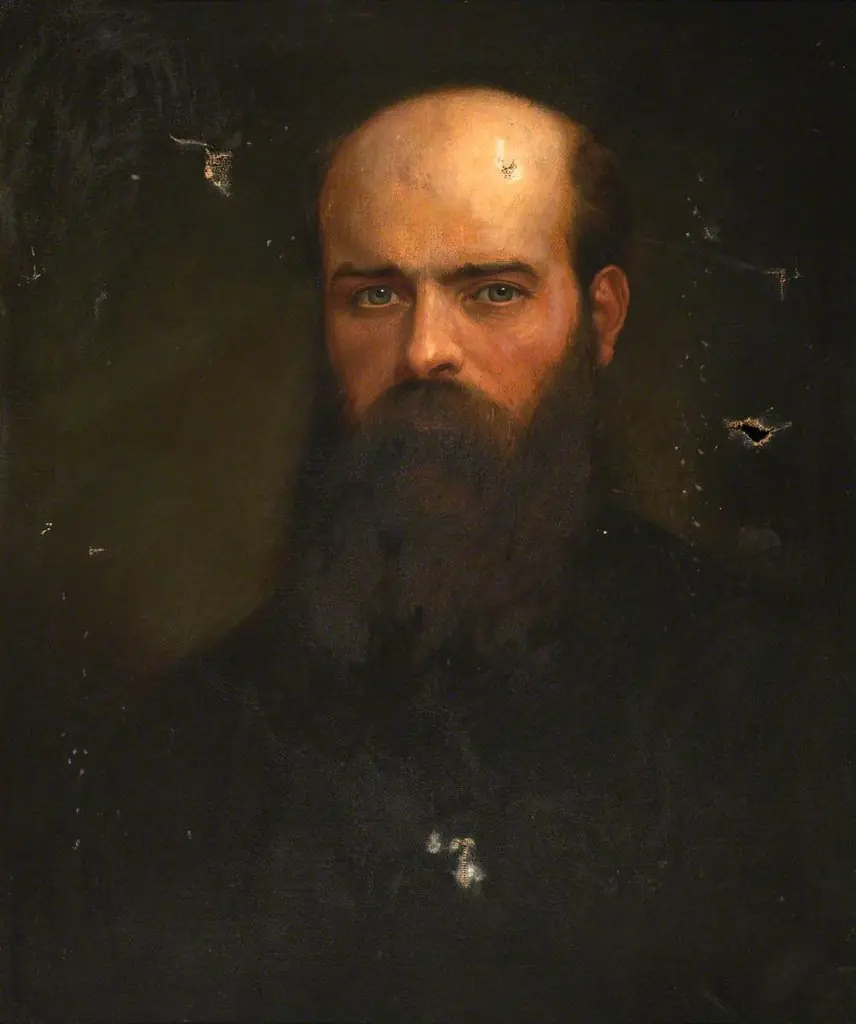
Painted in 1870 by Otto von Thoren, this oil portrait depicts the German poet and revolutionary Georg Herwegh. The work is part of the collection at the Museum of Ethnography. Rendered with restrained composition, the image isolates the subject’s upper torso and face against a deep, unbroken background, emphasizing psychological presence over environmental detail.
Subject & Meaning
His bald head and thick gray beard suggest age and experience, while his hand resting on his chin conveys contemplation rather than defiance.
Georg Herwegh, a prominent figure in 19th-century German radical politics and literature, is portrayed with quiet intensity. His bald head and thick gray beard suggest age and experience, while his hand resting on his chin conveys contemplation rather than defiance. The serious expression aligns with his public persona as a thinker and critic, avoiding theatricality in favor of dignified introspection.
Technique & Style
Von Thoren employs chiaroscuro to model the face with subtle gradations of light and shadow, enhancing the texture of skin and beard. The side lighting creates a strong contrast between the illuminated forehead and the recessed areas of the cheek and neck. The dark, neutral background eliminates distraction, focusing attention on facial expression and the tactile quality of the paint.
History & Provenance
The portrait was completed in 1870, near the end of Herwegh’s life, and entered the Museum of Ethnography’s collection shortly thereafter. Its preservation suggests early recognition of its documentary value, though the museum’s focus on cultural artifacts rather than fine art implies the work was acquired for its ethnographic significance rather than aesthetic prestige.
Context
Herwegh was a well-known exile and critic of German authoritarianism, whose writings influenced socialist thought. Von Thoren, less prominent as an artist, captured him during a period of quiet reflection after years of political activism. The portrait reflects a broader 19th-century trend of depicting intellectuals with solemnity, aligning their inner life with moral authority.
Legacy
The portrait endures as a visual record of a key cultural figure whose influence extended beyond literature into political movements. Its restrained style and focus on psychological depth distinguish it from more flamboyant contemporary portraits. Though not widely exhibited, it remains a significant artifact in understanding how intellectuals were visually represented in post-revolutionary Europe.
Artist & collection
Artist
Otto von Thoren left a single oil painting in the record: a portrait of the poet Georg Herwegh.