Artwork
Vânătoare de bâtlani
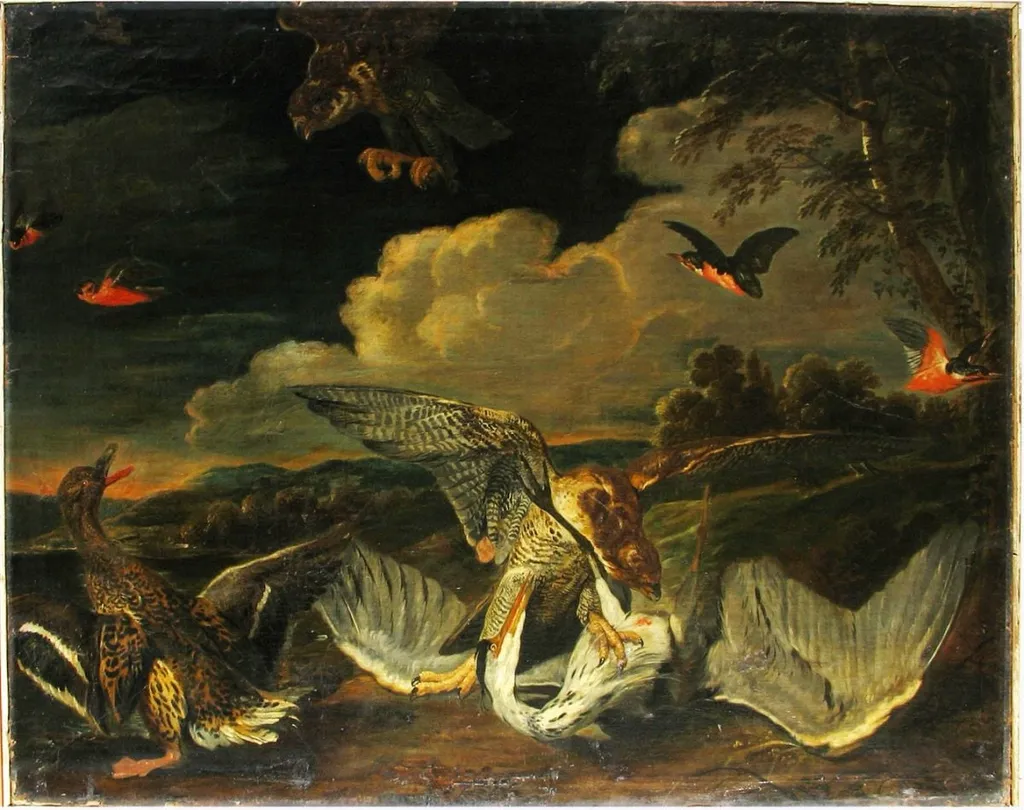
Vânătoare de bâtlani is an unspecified painting by the Baroque artist Paul de Vos. It dates from 1642 and is held in the collection of the Brukenthal National Museum.
About this work
Overview
The composition captures motion through rippling water and scattered ducks, suggesting immediacy rather than staged action.
Paul de Vos painted Vânătoare de bâtlani around 1642, depicting a quiet moment of rural hunting in a wetland setting. The scene centers on a figure in a small boat, using a long pole to pursue waterfowl among tall reeds. The composition captures motion through rippling water and scattered ducks, suggesting immediacy rather than staged action. The work belongs to a tradition of Flemish animal and genre scenes from the mid-seventeenth century.
Subject & Meaning
The painting illustrates a traditional method of duck hunting using a pole spear, a practice common in lowland Europe before modern firearms. The solitary hunter, dressed in modest, period-appropriate clothing, engages in a daily subsistence activity rather than a noble pursuit. The scattered ducks and swaying reeds imply the fragility of the moment, emphasizing the hunter’s skill and the natural environment’s responsiveness.
Technique & Style
De Vos rendered the scene with careful attention to naturalistic detail: the texture of reeds, the translucency of water, and the varied plumage of ducks are rendered with controlled brushwork. Light falls evenly across the surface, enhancing the quiet atmosphere. The palette is muted, dominated by earth tones and cool greens, reinforcing the scene’s unembellished realism. Compositionally, the diagonal line of the pole draws the eye toward the fleeing birds.
History & Provenance
The painting’s early ownership and exhibition history remain undocumented. It is known to have been created during de Vos’s active period in Antwerp, where he specialized in hunting and animal subjects. No records confirm its commission or early collection, and its title, Vânătoare de bâtlani, appears to be a later Romanian designation, not the original. Its path to current custody is untraced.
Context
Paul de Vos worked within a Flemish artistic milieu that valued detailed depictions of wildlife and rural life. His brother, Cornelis de Vos, was a portraitist, while Paul focused on animals and hunting scenes, often collaborating with other painters who added figures or landscapes. This work reflects the broader interest in natural observation among Northern European artists, influenced by scientific curiosity and the rise of secular subject matter.
Legacy
Vânătoare de bâtlani exemplifies de Vos’s contribution to the genre of animal painting, though it remains less studied than his larger, more dramatic compositions. It offers insight into everyday rural practices of the period and demonstrates a restrained, observational approach distinct from the theatricality of some contemporaries. The painting survives as a quiet record of a fading subsistence technique, valued for its authenticity over grandeur.
Artist & collection
Artist
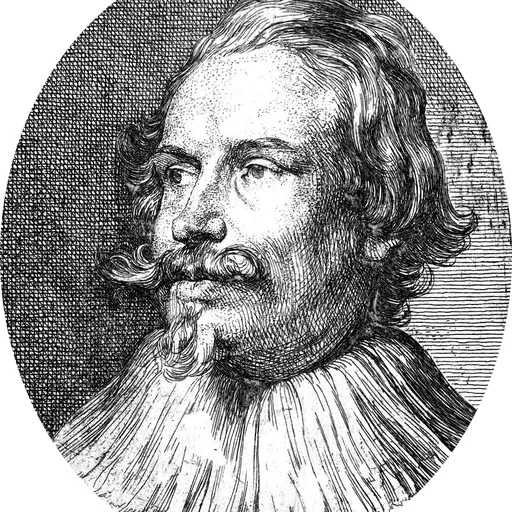
Paul de Vos (1591/92, or 1595 in Hulst – 30 June 1678 in Antwerp) was a Flemish Baroque painter who specialized in mainly in compositions of animals, hunting scenes and still lifes.

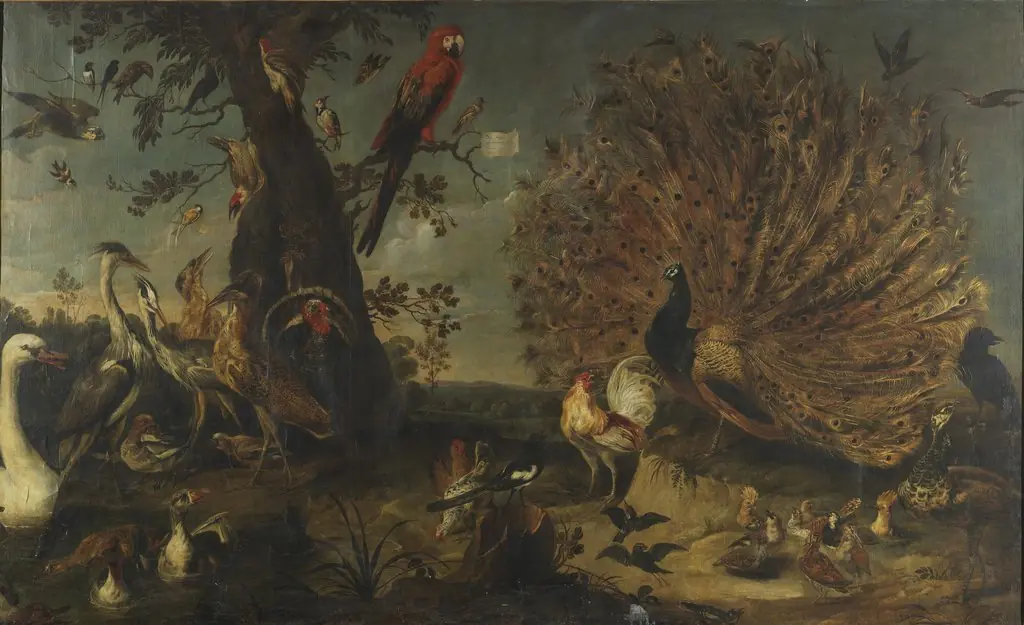 Concierto de aves
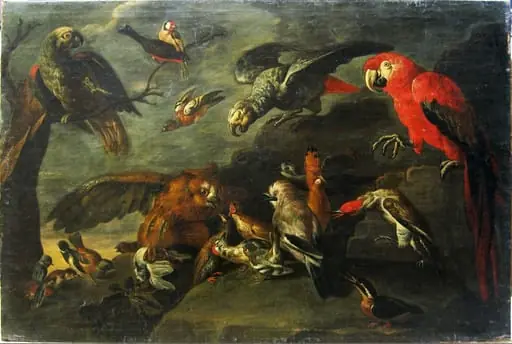 Bufniță în luptă cu diverse păsări
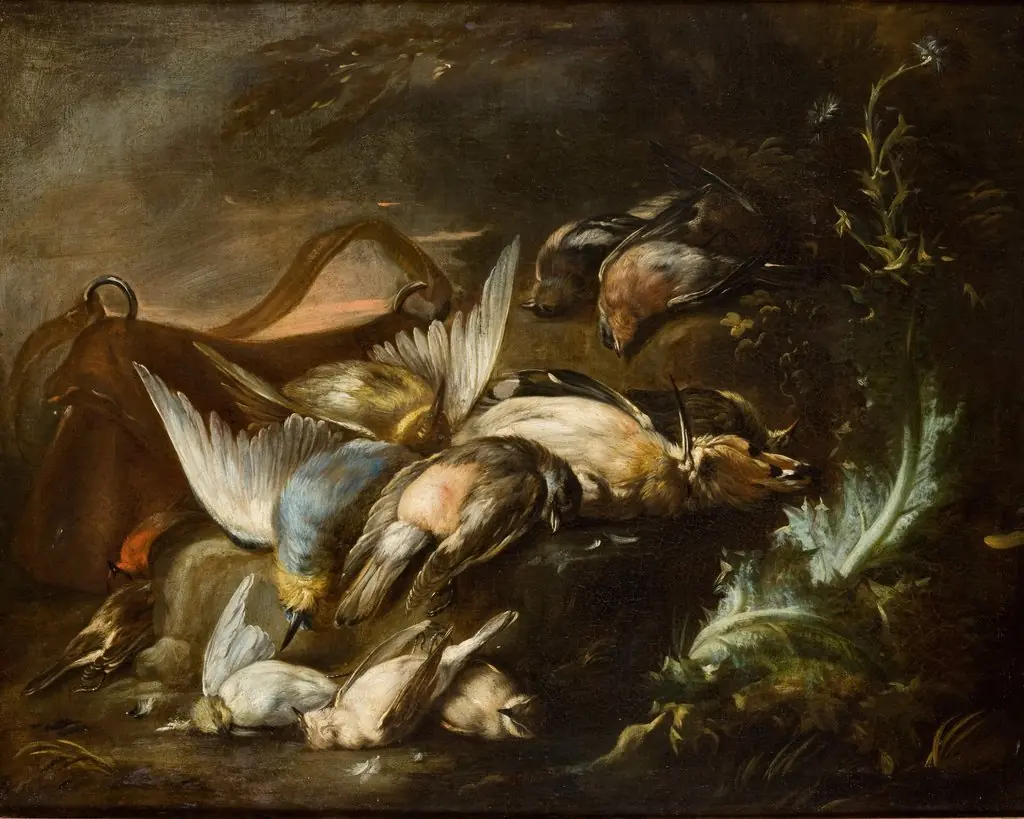
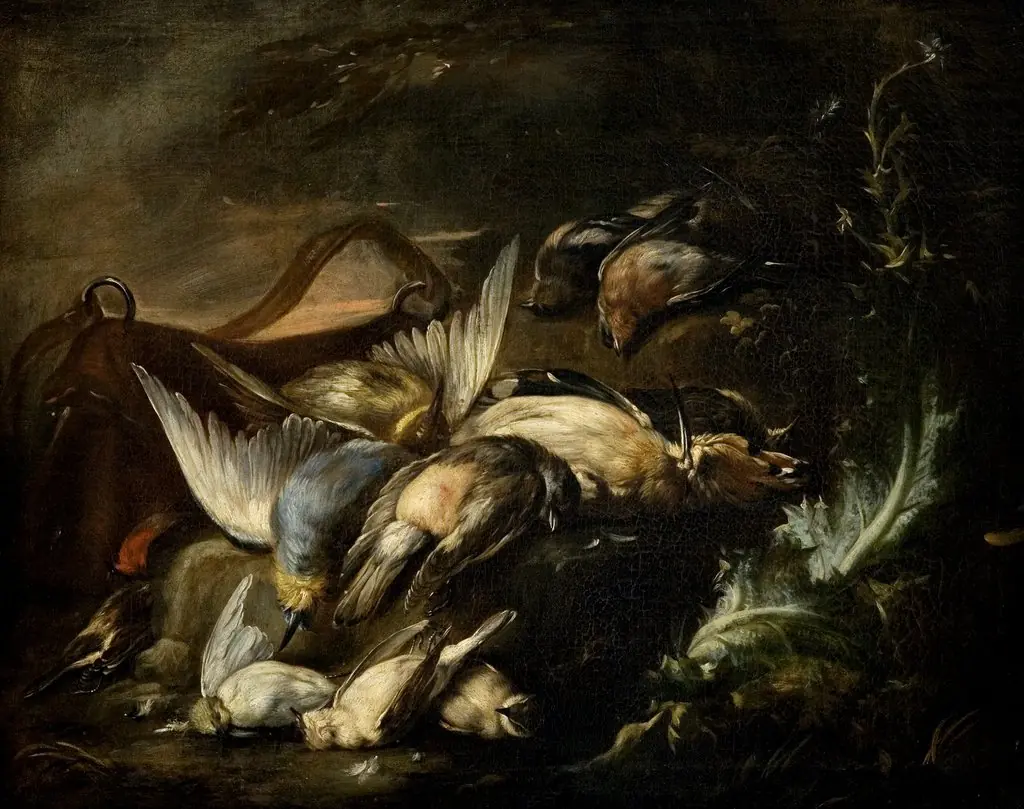 Still Life
 Portrait of a Woman with a Photograph of a Man
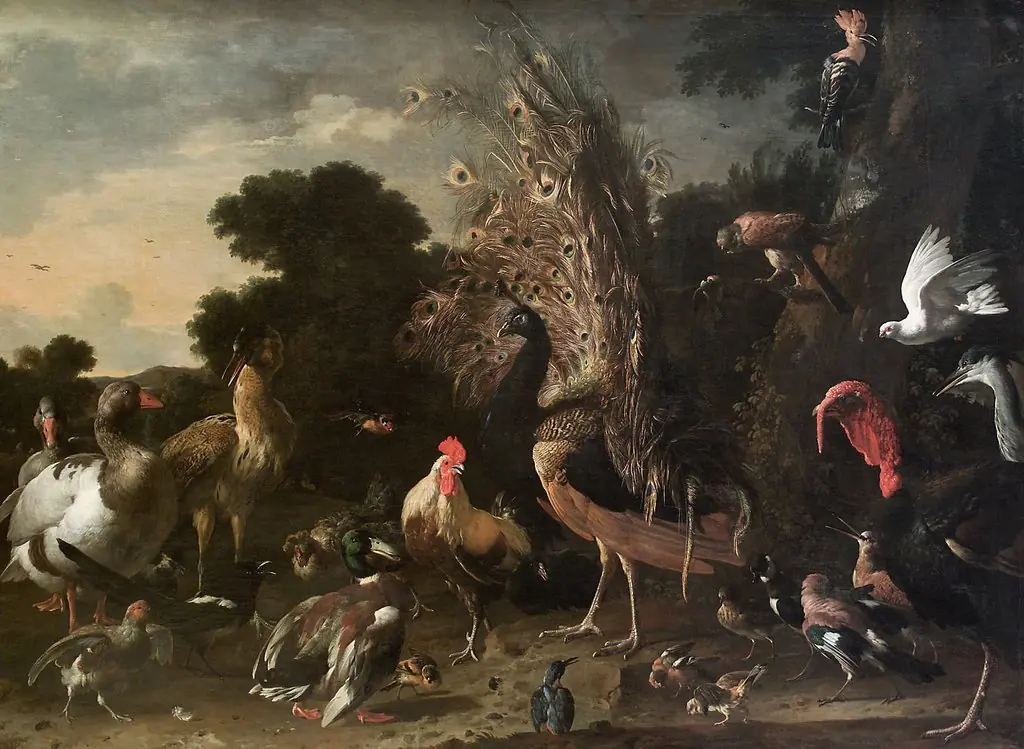 Geflügelhof
 Vânat la malul apei (în Reg. Inv.: Vânat la apă). Pandant: Vânat cu corn de vânătoare
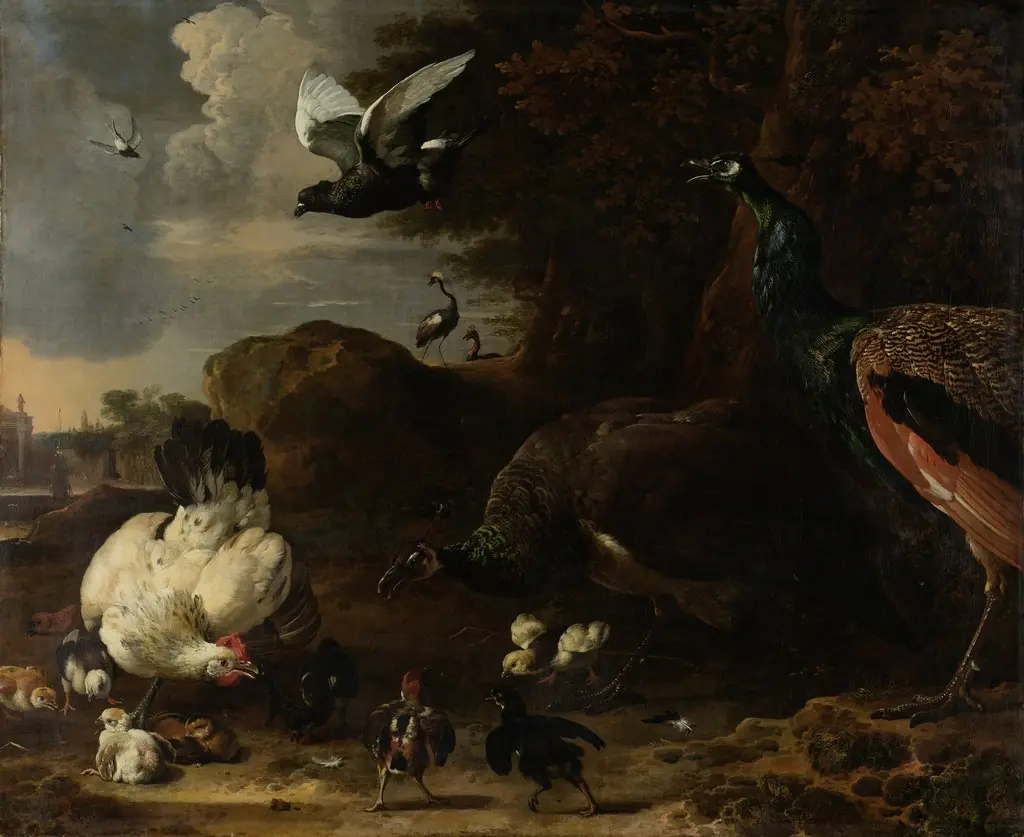 Two Peacocks Threatening a Hen with Chicks, Known as ‘The Threatened Hen’
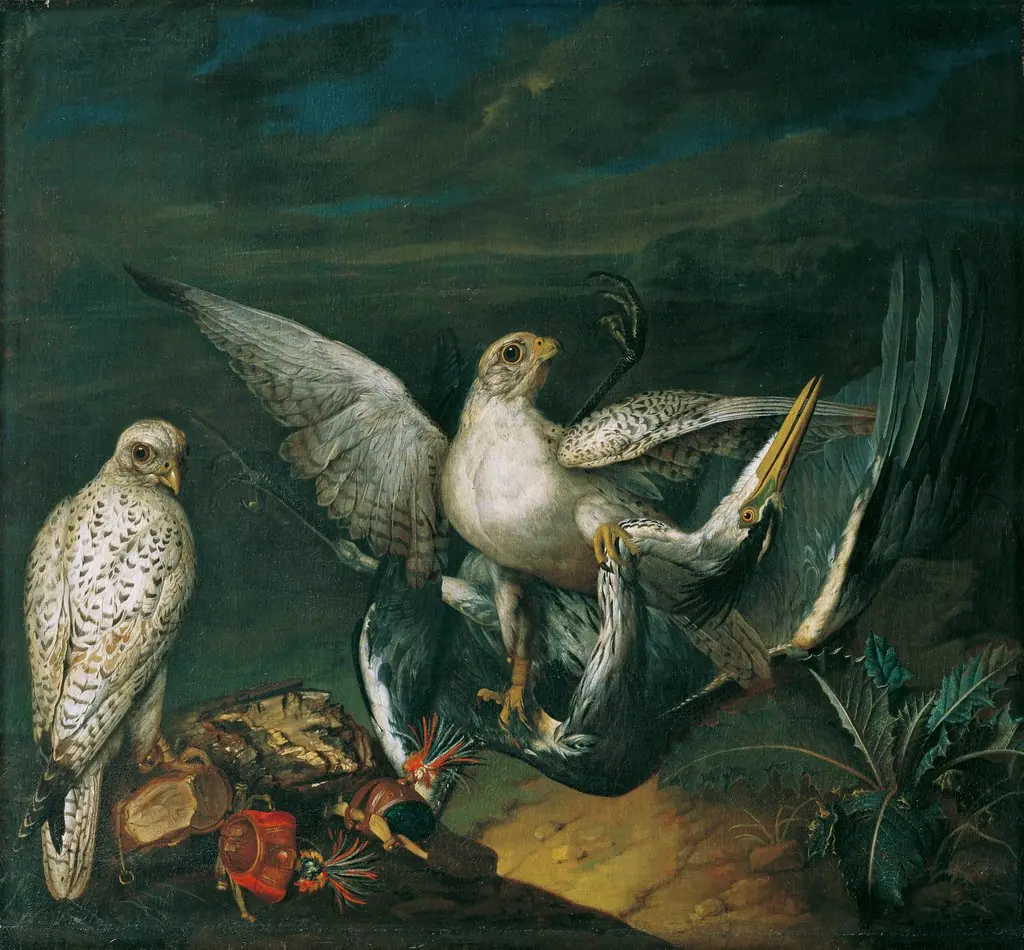 Bird piece, with four different vultures
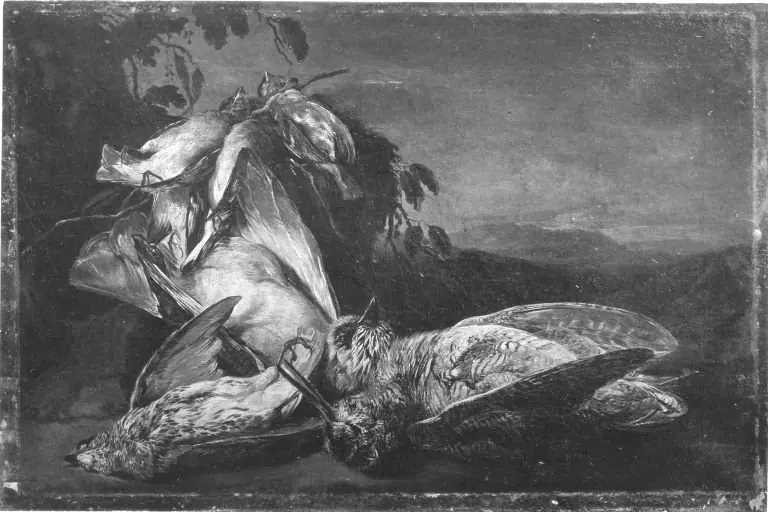 Totes Federwild
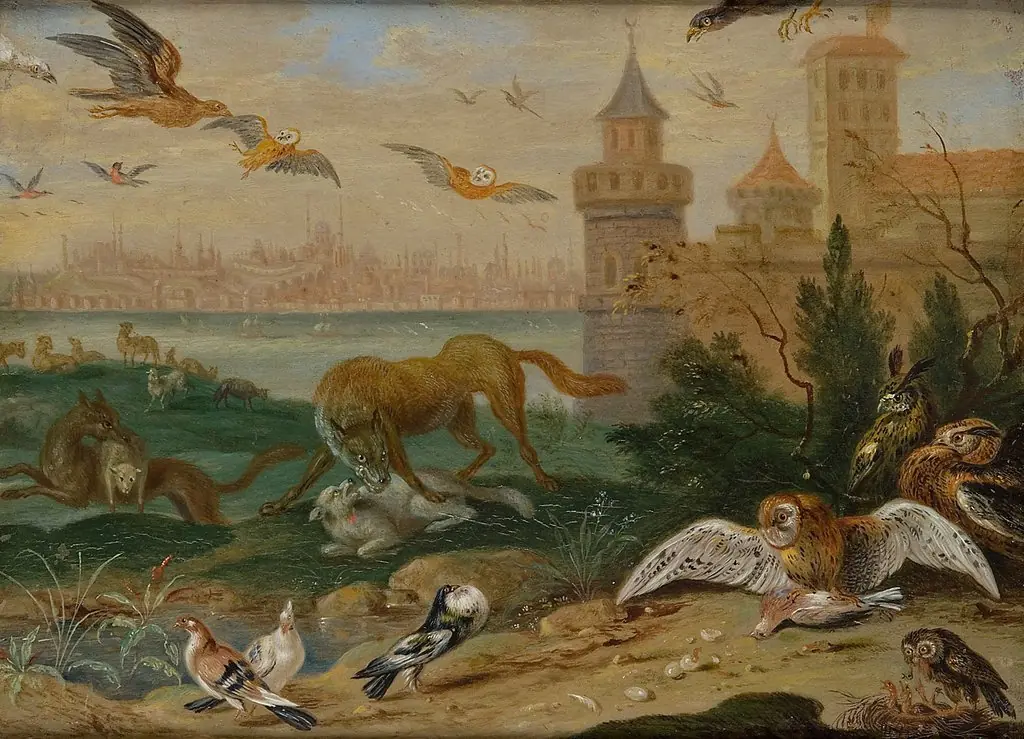 Ansichten aus den vier Weltteilen mit Szenen von Tieren: Konstantinopel
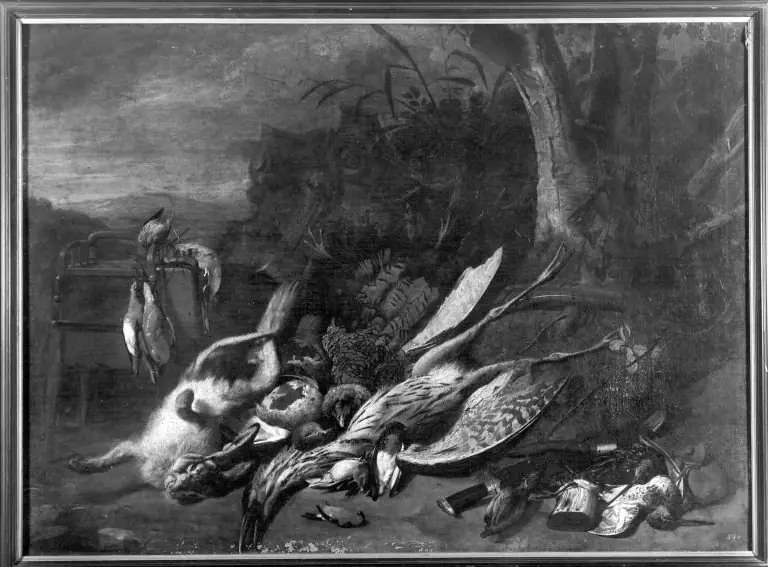 Ein toter Hase
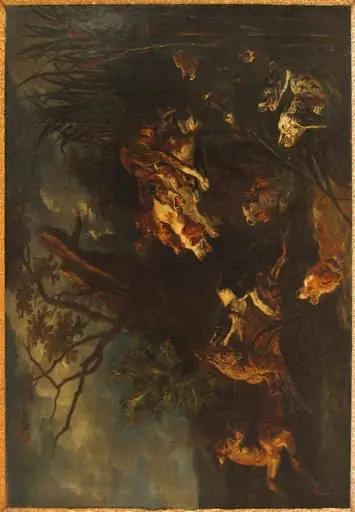 Vânătoare de căprioare