Artwork
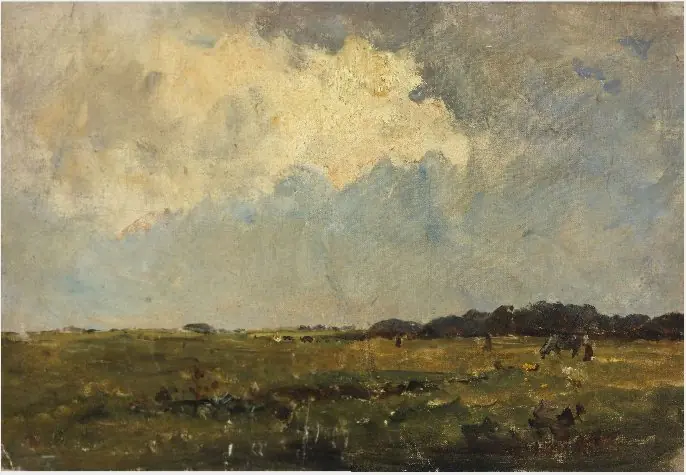
Landscape with poplars /Storm is at hand/
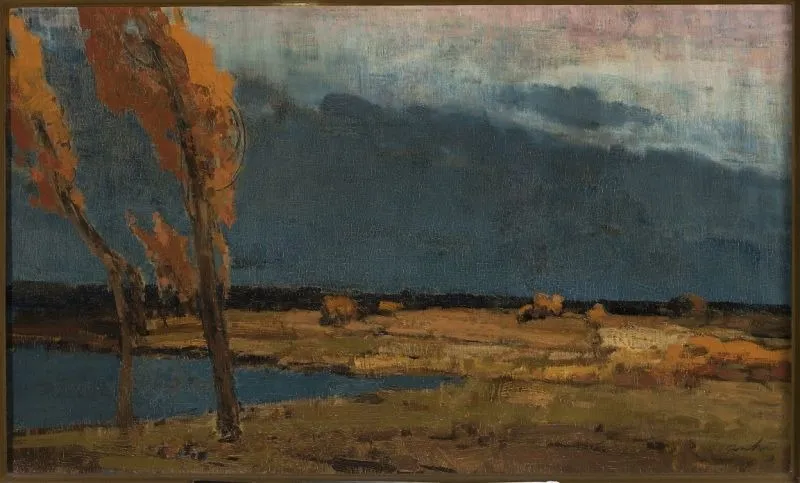
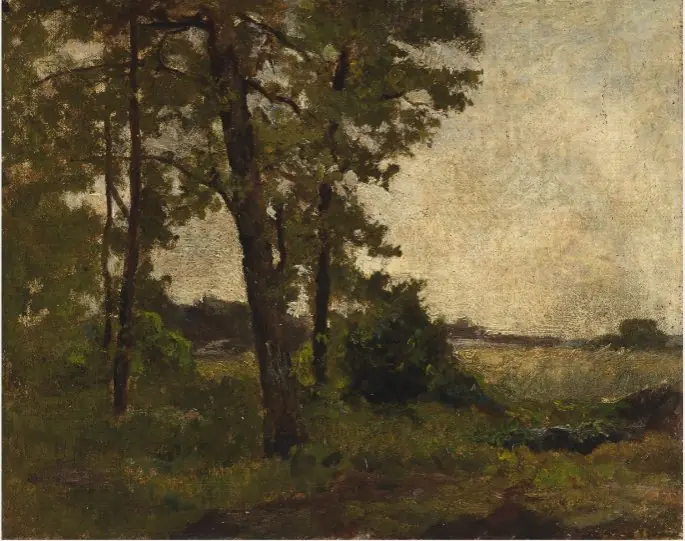
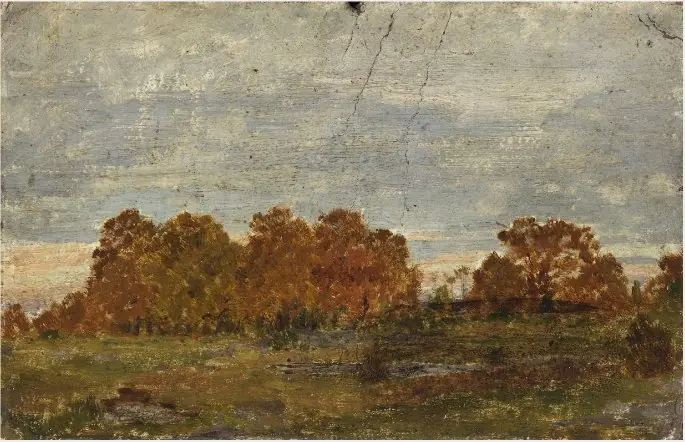
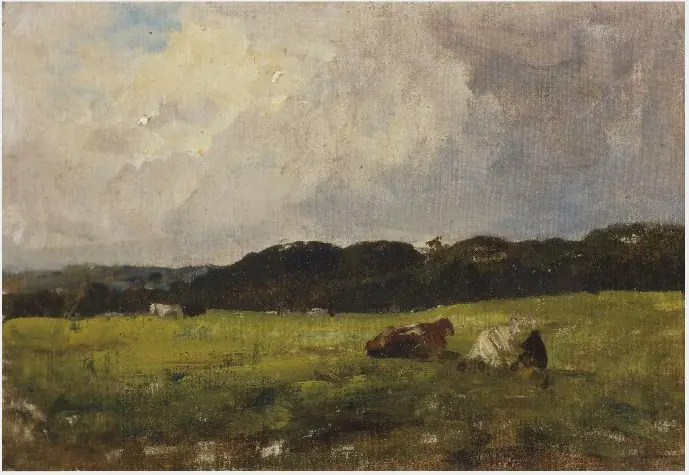
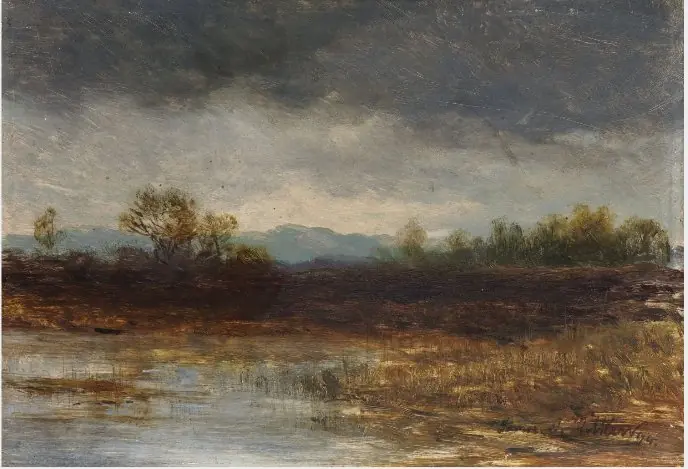
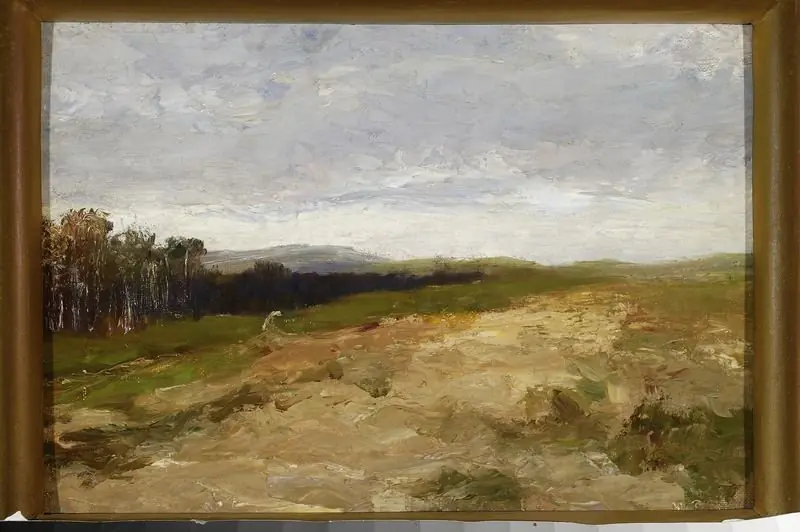
Landscape with poplars /Storm is at hand/ is an oil painting by the Realist artist Władysław Wankie. It dates from 1902 and is held in the collection of the National Museum in Warsaw.
About this work
Overview
The painting reflects his commitment to depicting atmospheric conditions with emotional precision, avoiding idealization in favor of lived experience.
Painted around 1902 by Władysław Wankie, this oil on canvas work captures a quiet Polish landscape moments before a storm. Wankie, trained in Warsaw and Kraków before settling in Munich, developed a realist style grounded in close observation of nature. The painting reflects his commitment to depicting atmospheric conditions with emotional precision, avoiding idealization in favor of lived experience.
Subject & Meaning
The scene centers on a group of tall poplars standing along the left edge of the canvas, their dark forms contrasting with the heavy, shifting sky above. The looming clouds and muted tones suggest an imminent weather shift, evoking a sense of quiet anticipation rather than chaos. The composition invites contemplation of nature’s quiet power, emphasizing transience and the subtle tension between stillness and impending change.
Technique & Style
Wankie employed bold, textured brushwork to convey the weight of the clouds and the roughness of tree bark. Chiaroscuro is used to model form and deepen spatial depth, with shadows anchoring the trees against the luminous, turbulent sky. The palette is restrained—dominated by grays, browns, and muted greens—enhancing the mood of impending weather. His technique avoids theatricality, favoring naturalistic rendering through careful tonal gradations.
History & Provenance
Created during Wankie’s mature period after years of study under prominent Polish realists and exposure to German academic traditions, the painting entered the National Museum in Warsaw’s collection in the early 20th century. It has remained in public ownership since, reflecting its significance as a representative work of Polish landscape painting from the turn of the century.
Context
In early 20th-century Poland, landscape painting served as a subtle form of cultural affirmation under foreign partitions. Wankie’s focus on native terrain, rendered without romantic embellishment, aligned with broader realist currents in European art. His work resonated with contemporaries seeking authenticity in depiction, distinguishing itself from both academic historicism and emerging modernist abstraction.
Legacy
Though not widely exhibited beyond Poland, the painting remains a key example of Wankie’s contribution to Polish realism. It illustrates how artists of the period used natural subjects to convey psychological and emotional states without overt narrative. Its preservation in the National Museum underscores its role as a document of both artistic practice and national landscape consciousness.
Artist & collection
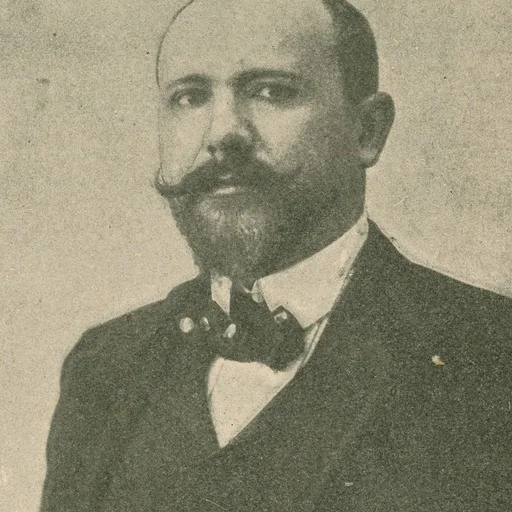
Artist
Władysław Wankie (born 1860 in Warsaw, died 1925 therein) was a Polish painter and art critic.